
For outdoor enthusiasts and seasoned hunters alike, understanding the intricate timelines of Alabama’s deer season is paramount for planning a successful and compliant trip. Far from a single, universal end date, the conclusion of deer season in the Yellowhammer State is a mosaic of regulations dictated by specific zones, weapon types, and game management objectives. Navigating these nuances is key to experiencing the rich hunting heritage that Alabama offers, a crucial piece of information for anyone considering a hunting-focused tourism venture to the region.
Understanding Alabama’s Diverse Deer Seasons
Alabama is renowned for its abundant white-tailed deer population and offers one of the longest deer seasons in the United States, designed to provide ample opportunity while maintaining healthy herd numbers. However, this extended season comes with a layered structure that requires careful attention to detail. The state’s approach segments the season based on various factors, ensuring both recreational enjoyment and effective wildlife management.
White-tailed Deer: The Primary Pursuit
The pursuit of white-tailed deer is the cornerstone of Alabama’s deer hunting tradition. The season generally begins in mid-October for archery and can extend into mid-February for gun seasons in certain areas. This extensive window allows for varied hunting experiences, from the quiet solitude of bowhunting in the crisp autumn air to the more widespread participation during the peak firearm periods. The exact dates, however, are not uniform across the state, necessitating a closer look at geographical divisions.
Zone-Specific Regulations
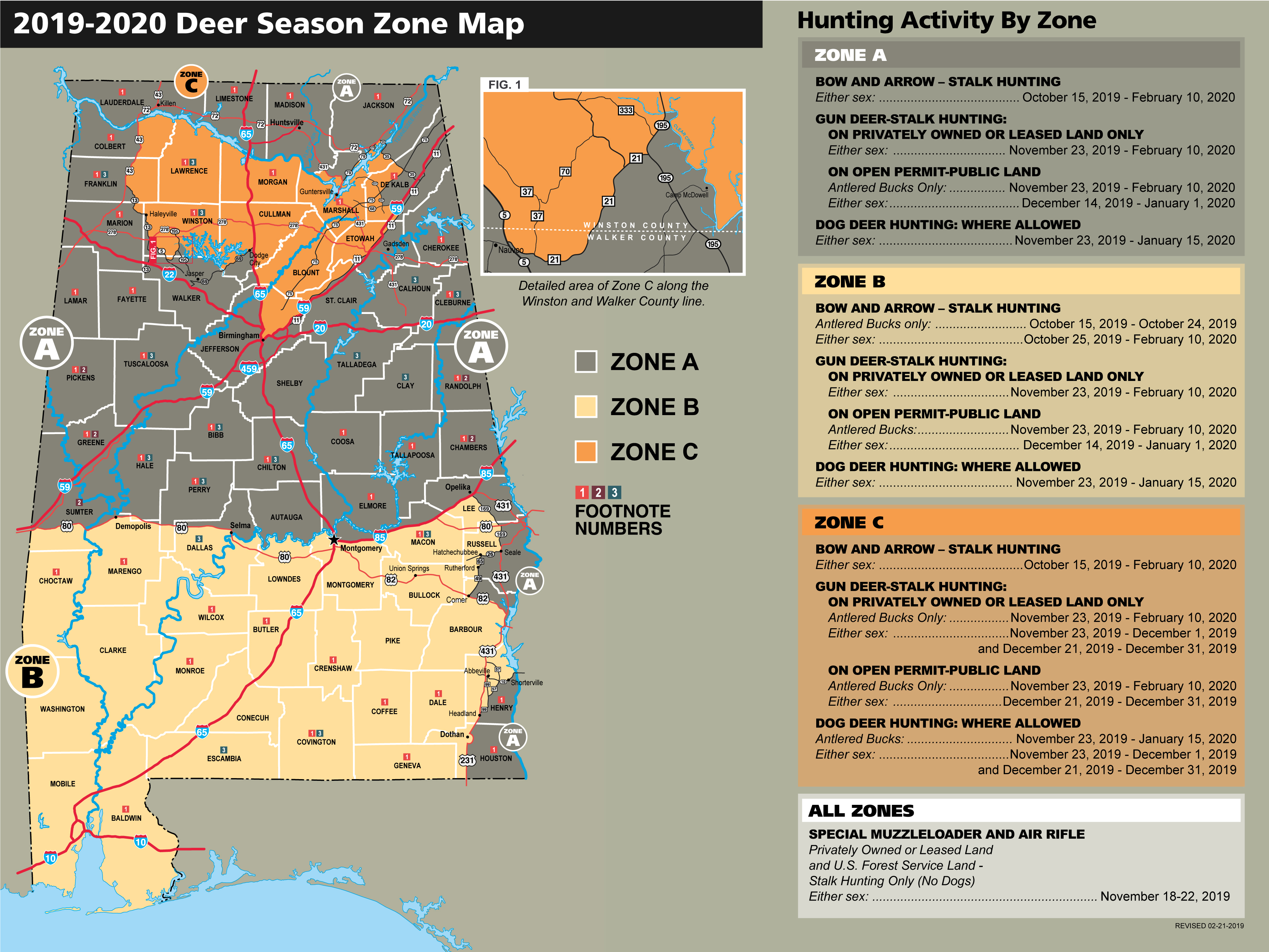
Alabama is divided into multiple Deer Management Zones, each with its own specific opening and closing dates for various weapon types. These zones, typically referred to as Zone 1, Zone 2, and Zone 3, are established based on ecological factors, deer population densities, and land use patterns. For instance, the season might conclude earlier in the northern reaches of the state compared to the southern counties, or vice versa, depending on the year’s specific regulations.
Generally, the vast majority of Alabama’s gun deer season concludes in early to mid-February. For the current hunting year, it is imperative for all hunters, especially those visiting from out of state, to consult the official regulations published by the Alabama Department of Conservation and Natural Resources (ADCNR). The ADCNR provides detailed maps and date tables for each zone, clarifying the exact end dates for archery, muzzleloader, and gun seasons for both private and public lands, including Wildlife Management Areas (WMAs) and National Forests.
Key Dates and Season Segments
To give a general idea, here’s a typical (but always subject to change) breakdown of how seasons might conclude:
- Archery Season: Often starts in mid-October and typically extends through the end of the gun season, concluding in mid-February in most zones. This allows bowhunters a broad window of opportunity.
- Muzzleloader Season: Usually a shorter window, often preceding or overlapping slightly with the gun season, often ending in late January or early February.
- Gun Season: This is the most popular segment. While opening typically in mid-November, the gun season’s end varies significantly by zone, but a common closing date for many private lands falls around February 10th. However, some specific zones or public lands might push this closer to February 15th or even slightly later in isolated instances. It is critical to confirm the exact date for your specific hunting location.
These dates are not merely suggestions; they are legally binding regulations. Hunting outside of these dates carries significant penalties and undermines conservation efforts. Therefore, the first step in planning any deer hunting trip to Alabama must be a thorough review of the ADCNR’s current hunting digest or website.
Navigating Licenses and Permits for Responsible Tourism
Engaging in deer hunting in Alabama, particularly as a visitor, requires careful adherence to the state’s licensing and permit requirements. These regulations are designed to fund conservation efforts, manage wildlife populations responsibly, and ensure public safety. For a tourism experience focused on hunting, securing the correct documentation is as crucial as knowing the season dates.
Resident vs. Non-Resident Requirements
The cost and type of licenses differ significantly between Alabama residents and non-residents. Non-residents will generally pay a higher fee for licenses, which is standard practice across states to help support local conservation programs. A non-resident hunting trip often involves purchasing:
- Non-Resident Annual Hunting License: This is the foundational license required for any hunting activity.
- Non-Resident Big Game License: Specific to deer and turkey, this license permits the harvest of these species.
- Wildlife Management Area (WMA) License/Permit: If planning to hunt on public lands designated as WMAs, an additional WMA license or permit is mandatory. These areas often have unique regulations and sometimes require specific permits that must be applied for in advance, often through a lottery system for highly sought-after hunts.
It is advisable to purchase these licenses online through the ADCNR’s Go Outdoors Alabama system well in advance of your trip. This prevents last-minute delays and ensures you are fully compliant upon arrival.
Essential Licenses and Stamps
Beyond the primary hunting and big game licenses, specific situations might require additional stamps or permits. For example, if you plan to hunt migratory birds during your deer trip, separate federal and state waterfowl stamps would be necessary. While not directly related to deer, understanding the full scope of hunting regulations ensures a seamless and legal outdoor experience. Always double-check the ADCNR digest for any ancillary requirements that might pertain to your specific hunting plans.
Hunter Education and Safety
Alabama mandates Hunter Education certification for specific age groups. Individuals born on or after August 1, 1969, must complete a hunter education course before purchasing an Alabama hunting license. There are exceptions for those hunting under the direct supervision of a licensed hunter or participating in an apprentice hunter program.
For visiting hunters, this means you must either show proof of having completed a state-approved hunter education course (most states’ certifications are reciprocated) or comply with Alabama’s apprentice hunter program. This emphasis on education underscores Alabama’s commitment to safety and responsible hunting practices, making it a critical aspect of preparing for any hunting tourism.
Beyond the Calendar: Planning Your Alabama Deer Hunting Trip
Knowing when deer season ends is merely the first step. To fully capitalize on the rich tourism opportunities Alabama presents for hunters, a comprehensive plan is essential. This extends from selecting suitable hunting grounds to engaging local expertise and integrating the unique cultural offerings of the state.
Choosing Your Hunting Ground: Public vs. Private Lands
Alabama offers a variety of hunting environments.
- Private Lands: The majority of deer hunting in Alabama occurs on private land. This often involves leasing land, being a guest of a landowner, or booking a guided hunt through an outfitter. Private land hunting can offer more control over conditions, potentially higher success rates, and often more amenities. Many tourism businesses specialize in offering comprehensive hunting packages on private acreage.
- Public Lands: The state boasts an extensive network of Wildlife Management Areas (WMAs) and significant portions of National Forests that are open to public hunting. While these areas can offer excellent hunting, they typically require more scouting, face more pressure from other hunters, and adhere to stricter, sometimes specialized, regulations. For tourists, hunting public land can be a more budget-friendly option but demands thorough pre-trip research into specific area regulations, access points, and permit requirements.
Engaging Local Outfitters and Guides
For visitors unfamiliar with Alabama’s terrain, deer behavior, or specific regulations, hiring a local outfitter or guide can significantly enhance the hunting experience. These professionals offer invaluable expertise, from scouting prime locations and setting up stands to providing transportation, lodging, and even game processing services. Many outfitters operate on well-managed private lands, offering a turn-key solution for a memorable hunting trip. Engaging a reputable guide transforms a potential logistical challenge into a seamless, high-quality tourism experience, often providing insights into local ecology and hunting traditions that might otherwise be missed.
Enhancing Your Experience with Local Culture and Amenities
A deer hunting trip to Alabama can be much more than just the hunt itself. Integrate your adventure with the vibrant local culture and amenities the state offers. Consider basing your trip near cities like Montgomery, Birmingham, or Mobile, which provide access to diverse dining options, historical sites, and other recreational activities. Explore Alabama’s renowned barbecue scene, visit civil rights landmarks, or enjoy the natural beauty of its state parks and Gulf Coast beaches. Many small towns surrounding prime hunting areas also offer unique charm, local hospitality, and opportunities to connect with the authentic spirit of rural Alabama. This blend of hunting and cultural exploration creates a holistic tourism package.
Conservation and Ethical Hunting Practices in Alabama
Responsible tourism, particularly in activities involving natural resources like hunting, hinges on a strong commitment to conservation and ethical practices. Alabama’s hunting regulations are fundamentally built around these principles, ensuring the long-term health of the deer population and the sustainability of the sport.
Bag Limits and Reporting Requirements
To manage the deer population effectively, Alabama sets specific bag limits. Typically, hunters are allowed one antlered buck per day, with a total of three antlered bucks for the entire season. Doe (antlerless deer) limits are often more flexible and vary significantly by zone and specific dates, with some areas having more liberal antlerless harvest opportunities to control population growth.
A critical requirement for all hunters in Alabama is the mandatory reporting of all harvested deer and turkeys through the Game Check system. This can be done via a mobile app, online portal, or by phone. This data is vital for ADCNR biologists to monitor population trends, assess harvest rates, and make informed management decisions for future seasons. For the tourism hunter, fulfilling this requirement is not just a legal obligation but a contribution to the very resource they traveled to enjoy.
Promoting Wildlife Health
Ethical hunting practices extend beyond legal compliance to promoting the overall health and well-being of the wildlife. This includes making clean, humane shots, actively tracking and recovering harvested animals, and respecting private property and public land rules. Proper carcass disposal and preventing the spread of diseases like Chronic Wasting Disease (CWD), which fortunately has limited presence in Alabama but is a concern, are also key considerations. Tourism hunters have a role in upholding these standards, preserving the natural environment for all.
Supporting Alabama’s Natural Heritage
The funds generated from hunting license sales and federal excise taxes on hunting equipment directly support Alabama’s wildlife conservation and management programs. This includes habitat restoration, research, law enforcement, and the maintenance of public hunting lands. By participating in Alabama’s deer season, tourists are not just engaging in a recreational activity; they are actively contributing to the preservation of the state’s rich natural heritage, ensuring that future generations can also experience the thrill of the hunt and the beauty of its wilderness. Understanding when deer season ends is therefore not just about scheduling, but about participating responsibly in a broader conservation effort.
LifeOutOfTheBox is a participant in the Amazon Services LLC Associates Program, an affiliate advertising program designed to provide a means for sites to earn advertising fees by advertising and linking to Amazon.com. Amazon, the Amazon logo, AmazonSupply, and the AmazonSupply logo are trademarks of Amazon.com, Inc. or its affiliates. As an Amazon Associate we earn affiliate commissions from qualifying purchases.