
Alabama, a state renowned for its rich biodiversity and vibrant outdoor traditions, eagerly anticipates the arrival of dove season each year. For countless enthusiasts, both within the state and those traveling from afar, the opening of dove season marks a pivotal moment, signaling the unofficial start of the autumn hunting calendar. This annual event draws a significant number of visitors, bolstering local economies and showcasing the state’s unique recreational opportunities. Understanding the precise timing and the broader context of dove season is essential for anyone planning a hunting trip or seeking to immerse themselves in this quintessential Southern experience.
Dove hunting in Alabama is not merely a recreational pursuit; it is a deeply embedded cultural activity that fosters community, outdoor appreciation, and a tangible connection to the land. From the meticulously managed fields to the social gatherings that often accompany the hunt, dove season offers a distinct flavor of Alabama tourism.
The Annual Anticipation: Understanding Dove Season in Alabama
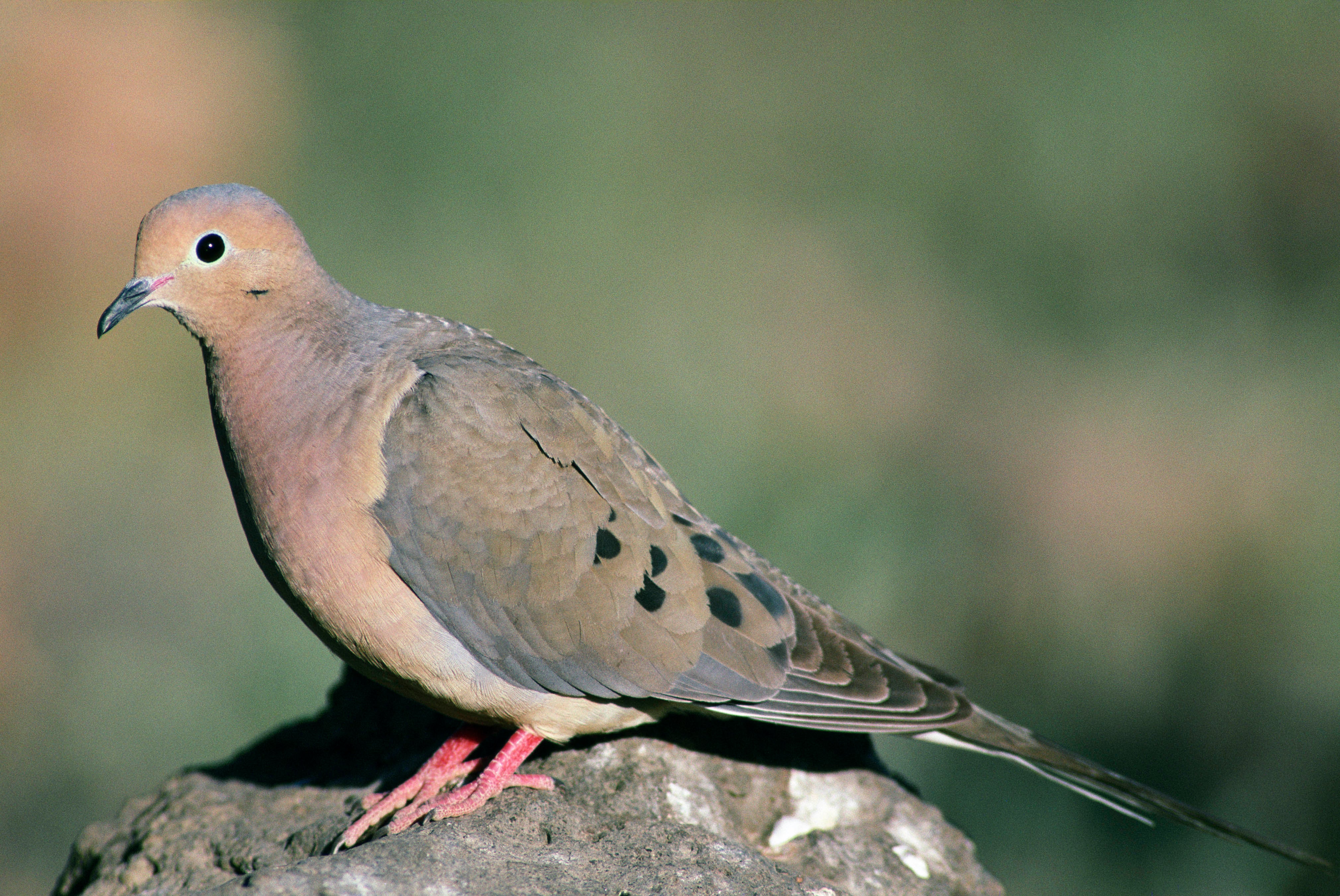
The timing of dove season in Alabama is a carefully regulated matter, designed to align with the migratory patterns of the primary quarry, the Mourning Dove, while also providing ample opportunity for hunters. The season structure is typically divided into multiple segments, allowing for both an early, high-energy opening and later periods that can capitalize on migrating flocks. This staggered approach ensures that hunters have several chances to participate throughout the fall and early winter.
General Season Structure and Zones
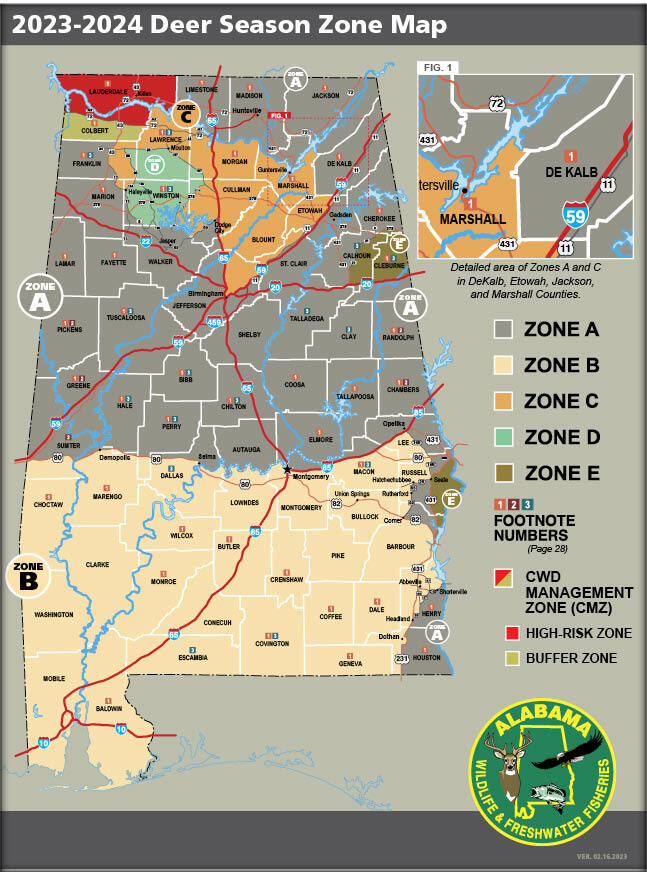
Unlike some states with complex zone divisions for dove hunting, Alabama generally operates under a statewide season framework, though specific dates can vary slightly year to year based on biological data and management objectives. The Alabama Department of Conservation and Natural Resources (ADCNR) is the governing body responsible for setting these dates and regulations. Their comprehensive annual hunting guide is the definitive source for current season information, and prospective visitors are strongly advised to consult it before making travel arrangements.
The season is historically broken into three distinct “splits.” The first split, often the most anticipated, targets resident birds and early migrants. The second and third splits typically occur later in the fall and early winter, often coinciding with cooler weather and the arrival of larger migratory populations from the north. This extended season provides flexibility for tourists to plan their visits around other commitments or to enjoy multiple hunting trips within a single year. The presence of Eurasian Collared-Dove, an invasive species, often allows for a more liberal bag limit and an extended season for this particular species, further enhancing the hunting opportunities available in the state.
Key Dates for Opening and Closing
While exact dates are subject to annual adjustments by the ADCNR, hunters can generally expect the first split of dove season to open around the first Saturday in September. This early opening capitalizes on the abundance of local birds before significant migration begins. The initial split typically runs for a couple of weeks. Following a brief closure, the second split usually commences in mid-to-late September and can extend through early to mid-October. The final split often reopens in late November or early December and continues through the first two weeks of January.
These general timeframes offer a strong indication for tourists planning their visits. For instance, a hunter looking for the vibrant atmosphere of opening day would aim for early September. Those preferring cooler weather and potentially larger concentrations of migratory birds might target the later splits. It is imperative that all visitors cross-reference these general dates with the official ADCNR regulations for the current hunting year to ensure compliance and a successful trip. The consistent availability of these hunting opportunities across multiple months makes Alabama an attractive destination for repeat visits throughout the season.
Preparing for the Hunt: Licenses, Regulations, and Essentials
For any tourist planning a dove hunting trip to Alabama, understanding the necessary preparations is as crucial as knowing the season dates. The state has specific requirements for licenses, adheres to strict regulations regarding bag limits and ammunition, and expects all participants to prioritize safety. Proper preparation not only ensures a legal and enjoyable experience but also contributes to the sustainable management of Alabama’s natural resources, a key aspect of responsible tourism.
Required Licensing for In-State and Out-of-State Hunters
All individuals participating in dove hunting in Alabama must possess the appropriate licenses. For out-of-state visitors, a non-resident annual hunting license is required. Additionally, all dove hunters, regardless of residency, must acquire an Alabama Migratory Bird Endorsement. This endorsement is a federal requirement, providing data for migratory bird management across the United States. Licenses can be conveniently purchased online through the ADCNR website, at local probate offices, or from authorized license retailers throughout the state. It is advisable to purchase licenses well in advance of a planned trip to avoid any last-minute delays. Some guided hunting operations may offer assistance with license acquisition, further simplifying the process for visiting hunters.
Bag Limits and Legal Ammunition
Alabama’s bag limit for Mourning Dove is typically 15 birds per day, with a possession limit of 45 birds. There are usually no bag limits on Eurasian Collared-Dove, which encourages their harvest due to their invasive status. These limits are set to ensure sustainable populations and fair distribution of harvest among hunters.
Regarding ammunition, federal regulations for migratory bird hunting mandate the use of non-toxic shot. This is a critical rule designed to prevent lead poisoning in wildlife. Steel shot, bismuth, and tungsten-alloy shot are common non-toxic alternatives. Hunters must use shotguns no larger than 10-gauge and are limited to a maximum capacity of three shells in the magazine and chamber combined. Adhering to these ammunition and capacity rules is not just about compliance; it’s about preserving the environment and maintaining ethical hunting practices, which are paramount in responsible tourism.
Essential Gear and Safety Considerations
A successful and safe dove hunt requires appropriate gear. Essential items include:
- Shotgun: A 12 or 20-gauge shotgun is most common.
- Ammunition: Non-toxic shot, typically in shot sizes 7.5 or 8.
- Camouflage or drab clothing: While doves have excellent eyesight, blending into the environment is beneficial.
- Protective eyewear and hearing protection: Absolutely essential for safety on the firing line.
- Folding stool or bucket: For comfortable waiting in the field.
- Cooler and ice: To properly preserve harvested birds immediately.
- Bug spray: Especially important during the early season.
- Plenty of water and snacks: Hydration is key, especially in early September heat.
Safety is paramount. All hunters should observe fundamental firearm safety rules: always point the muzzle in a safe direction, treat every firearm as if it were loaded, keep your finger off the trigger until ready to shoot, and be sure of your target and what is beyond it. Many dove fields are communal, making awareness of fellow hunters and their positions critical. Participating in an organized hunt, especially for first-time visitors, can provide an excellent introduction to Alabama’s hunting culture under the guidance of experienced individuals.
Experiencing Alabama’s Dove Hunting Culture
Dove season in Alabama is much more than just a hunt; it’s a social occasion, a culinary tradition, and a chance to experience the heart of the state’s outdoor heritage. For tourists, engaging with this culture provides a deeper understanding of Alabama beyond its landmarks, offering an authentic glimpse into local life.
Public Lands and Wildlife Management Areas
Alabama offers numerous public lands managed by the ADCNR where dove hunting is permitted. Wildlife Management Areas (WMAs) like the Barbour Wildlife Management Area or Black Warrior Wildlife Management Area often plant sunflower, wheat, or millet fields specifically for doves, drawing significant numbers of birds and hunters. While these areas can offer excellent opportunities, they are often popular, especially on opening day. Hunters visiting WMAs should research specific area regulations, as some may require special permits, have designated hunting zones, or operate on a quota system. Utilizing these public resources is an accessible way for visitors to experience dove hunting without the commitment of private land leases.
Private Leases and Guided Experiences
For a more curated and often less crowded experience, many visiting hunters opt for private land leases or guided hunts. Numerous landowners and outfitters across Alabama, particularly in the agricultural regions, lease access to dove fields. These operations often manage their fields intensively for doves, providing excellent shooting opportunities. Guided hunts often include prepared fields, experienced guides, and sometimes even lodging and meals. This option is particularly attractive for tourists who may not be familiar with the local terrain or who prefer a hassle-free, all-inclusive package. Searching online for “Alabama dove hunting outfitters” or “Alabama guided hunts” will yield a variety of options suitable for different budgets and preferences.
The Social Aspect: Field Dinners and Community
Perhaps the most enduring aspect of dove hunting in the Southeast, and particularly in Alabama, is its strong social component. Dove hunts are often family affairs, bringing together generations. It’s common for hunts, especially on private lands, to culminate in a shared meal, often a “field dinner” where the day’s harvest is cleaned, cooked, and enjoyed collectively. Grilled dove breasts, often wrapped in bacon with a jalapeño slice, are a local delicacy. These gatherings are opportunities for camaraderie, storytelling, and sharing in the bounty of the outdoors. For tourists, participating in such an event—whether by invitation or through a guided outfitter that includes a post-hunt meal—offers an unparalleled taste of Alabama’s hospitality and sporting culture, solidifying the experience as a true tourism highlight.
Beyond the Field: Maximizing Your Alabama Hunting Trip
A dove hunting trip to Alabama offers an excellent excuse to explore the state’s broader tourism offerings. By integrating your hunt with other activities, visitors can enrich their experience, contribute further to local economies, and gain a more comprehensive appreciation of what Alabama has to offer.
Local Accommodation and Dining Options
Depending on your hunting location, Alabama provides a diverse range of accommodation options. From charming bed and breakfasts in small towns near prime hunting grounds to modern hotels in larger cities like Montgomery, Birmingham, or Huntsville, visitors can find lodging to suit their preferences and budgets. Many rural areas also feature cabins or rental homes that cater specifically to hunting parties, offering ample space for gear and a more secluded experience.
Dining is another integral part of any travel experience, and Alabama boasts a rich culinary scene. Beyond the field dinners, visitors can savor authentic Southern barbecue, fresh Gulf seafood, and innovative farm-to-table cuisine. Exploring local eateries allows tourists to sample regional specialties and support small businesses, adding another layer to their cultural immersion.
Exploring Other Alabama Attractions
While dove hunting may be the primary draw, Alabama’s diverse landscape and history provide ample opportunities for supplementary tourism. Depending on the region of your hunt, you might be near:
- Historic Sites: The state is rich in Civil Rights history, with significant landmarks in Montgomery and Birmingham.
- Natural Wonders: Alabama’s state parks offer hiking, fishing, and scenic beauty. The Gulf Coast provides beaches and marine activities.
- Museums and Cultural Centers: From the U.S. Space & Rocket Center in Huntsville to the vibrant music scenes, there’s culture to absorb.
Incorporating a visit to one of these attractions before or after a hunt can transform a specialized hunting trip into a comprehensive Alabama vacation, appealing to all members of a traveling party, even those who may not be participating in the hunt directly.

Supporting Local Economies
Every aspect of a tourist’s dove hunting trip contributes to the local economy. The purchase of licenses, ammunition, and gear supports sporting goods stores. Stays in hotels, meals at restaurants, and fuel purchases boost the hospitality and retail sectors. Hiring local guides or leasing private fields directly benefits landowners and small businesses. This influx of tourism revenue is vital for many rural communities in Alabama, making dove season a significant economic driver. By choosing to visit and responsibly enjoy the state’s outdoor heritage, tourists play a direct role in sustaining both the environment and the livelihoods of its people.
LifeOutOfTheBox is a participant in the Amazon Services LLC Associates Program, an affiliate advertising program designed to provide a means for sites to earn advertising fees by advertising and linking to Amazon.com. Amazon, the Amazon logo, AmazonSupply, and the AmazonSupply logo are trademarks of Amazon.com, Inc. or its affiliates. As an Amazon Associate we earn affiliate commissions from qualifying purchases.