
Planning a trip to Alabama with an eye toward experiencing its rich hunting traditions, particularly dove hunting, requires precise timing. The opening of dove season is a significant event for many outdoors enthusiasts, drawing locals and visitors alike to the state’s diverse landscapes. Understanding the specific dates is crucial for anyone looking to participate in this popular activity. This guide delves into the typical opening dates for Alabama dove season, offering insights into the regulatory framework and providing context for planning your visit.
Understanding Alabama’s Dove Season Regulations
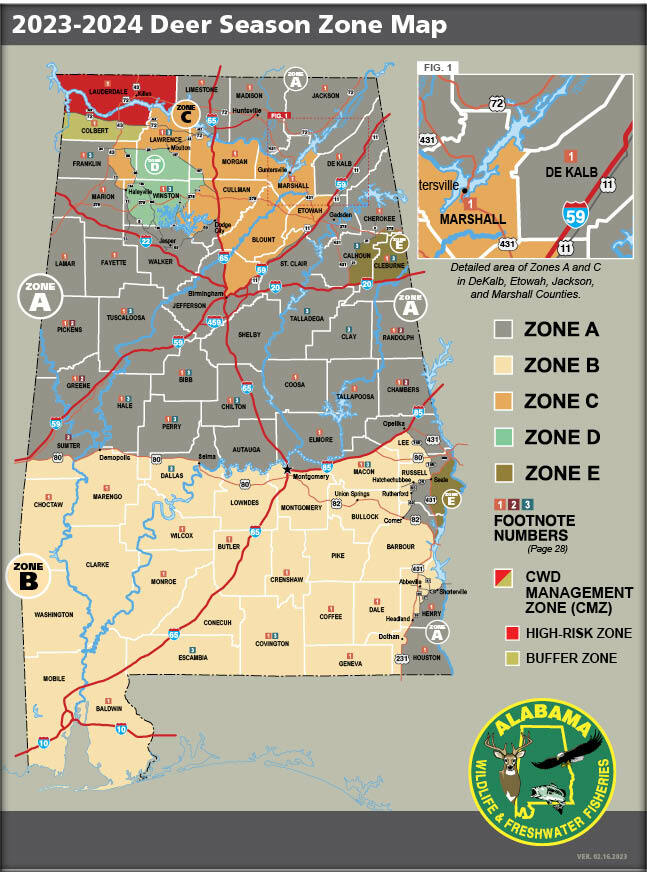
The Alabama Department of Conservation and Natural Resources, through its Wildlife and Freshwater Fisheries Division, is responsible for setting and enforcing hunting regulations, including those for dove season. These regulations are designed to ensure the sustainable management of dove populations while providing recreational opportunities. Season dates can vary slightly from year to year, influenced by factors such as migratory patterns, population surveys, and federal guidelines established by the U.S. Fish and Wildlife Service. It is essential for all hunters, especially those visiting from out of state, to consult the most current regulations released by the Alabama Department of Conservation and Natural Resources prior to the hunting season.
The Role of Federal Guidelines
Federal agencies play a crucial role in migratory bird management. The U.S. Fish and Wildlife Service establishes frameworks within which states can set their hunting seasons. These frameworks consider the health and abundance of various migratory bird species, including mourning doves and white-winged doves. Alabama, like other states, must adhere to these federal guidelines when establishing its specific season dates and bag limits. This collaborative approach aims to conserve these popular game birds for future generations.
State-Specific Rulemaking
While federal guidelines provide a framework, Alabama has the authority to set specific opening and closing dates for its dove season. This allows the state to tailor regulations to its unique ecological conditions and hunter preferences. Typically, Alabama dove season is divided into multiple segments, often beginning in early September and extending through the fall and into the winter. This structure allows hunters to pursue doves during different stages of migration and varying weather conditions.
Typical Opening Dates for Alabama Dove Season
Historically, Alabama dove season has consistently opened on the first Saturday in September. This traditional opening date is eagerly anticipated by hunters and has become a staple of the fall hunting calendar in the state. For visitors planning a trip to coincide with dove season, this early September opening is a reliable benchmark.
The First Segment: Early September Opener
The most prominent segment of Alabama’s dove season typically commences on the first Saturday of September. This opening is often characterized by warm weather, abundant sunflower fields, and the arrival of migratory doves. Hunters often gather in rural areas, particularly around agricultural lands where doves feed on seeds and grains. This segment usually runs for a significant period, often through late October or early November, providing ample opportunity for pursuit.
Subsequent Segments
Following the initial opening, Alabama dove season usually includes one or two additional segments. These later segments are designed to accommodate the arrival of migratory birds and to provide hunting opportunities as the fall progresses. The second segment often begins in mid-November and the third segment may extend into early January. These later seasons can offer different hunting experiences, with cooler weather and the potential for larger flocks.

Planning Your Dove Hunting Trip to Alabama
For those considering a trip to Alabama for dove season, early planning is key. This involves not only understanding the season dates but also securing necessary licenses, identifying potential hunting locations, and arranging accommodations. The appeal of Alabama for dove hunting extends beyond the sport itself, offering a chance to experience the state’s hospitality and natural beauty.
Licensing and Permits
Before heading into the field, obtaining the appropriate hunting license is paramount. Alabama residents and non-residents alike must possess a valid hunting license issued by the state. In addition to the general hunting license, specific permits or endorsements may be required for certain types of hunting or for accessing particular wildlife management areas. It is advisable to visit the Alabama Department of Conservation and Natural Resources website or contact their offices well in advance of your trip to confirm all licensing requirements. Licenses can typically be purchased online, from authorized license agents, or at conservation department offices.
Identifying Hunting Opportunities
Alabama offers a variety of settings for dove hunting. Private lands, often leased by hunting clubs or available through landowner agreements, are a popular choice. Many agricultural areas, particularly those with fields of corn, sunflowers, and peanuts, attract large numbers of doves. Additionally, the Alabama Department of Conservation and Natural Resources manages numerous Wildlife Management Areas (WMAs) that are open to public hunting, including dove hunting, during designated seasons. Researching specific WMAs, such as the Black Warrior Wildlife Management Area or the Wheeler National Wildlife Refuge, can provide valuable information on accessibility, regulations, and potential hunting success. Engaging with local hunting outfitters or guides can also be an excellent way to access prime hunting properties and benefit from local expertise.
Accommodation and Logistics
When planning your trip, consider the type of accommodation that best suits your needs. Many visitors opt for hotels or motels in towns located near prime hunting areas. For a more immersive experience, consider renting a cabin or a vacation home, especially if traveling with a group. The Alabama tourism department website can be a valuable resource for identifying lodging options in various regions of the state. Early booking is highly recommended, especially for the opening weekend of dove season, as accommodations can fill up quickly. Factor in travel time to hunting locations, the need for appropriate hunting gear, and provisions for meals.
The Broader Appeal of Dove Season in Alabama
Beyond the thrill of the hunt, dove season in Alabama offers a unique opportunity to connect with the state’s natural heritage and enjoy the camaraderie of fellow enthusiasts. The early fall weather often provides pleasant conditions for spending time outdoors, and the abundance of public and private lands makes it an accessible activity for many.
Experiencing Rural Alabama
Dove hunting often takes place in the picturesque rural landscapes of Alabama. This provides visitors with a chance to experience the state’s agricultural heartland, its friendly communities, and its slower pace of life. Many small towns that serve as hubs for dove hunters offer local diners and shops that provide a taste of Alabama hospitality.

Sustainable Hunting Practices
Responsible hunting is a cornerstone of wildlife conservation. Hunters participating in Alabama dove season are expected to adhere to ethical hunting practices, including proper firearm safety, respecting property rights, and adhering to all game laws and bag limits. This commitment to conservation ensures that dove populations remain healthy and that future generations can enjoy this traditional sport. For those interested in learning more about ethical hunting, resources are available through the Alabama Department of Conservation and Natural Resources and various hunting organizations.
In conclusion, while the exact dates for Alabama dove season are subject to annual adjustments, the traditional opening on the first Saturday of September serves as a reliable indicator for planning. Always confirm the official season dates and regulations with the Alabama Department of Conservation and Natural Resources to ensure a safe, legal, and enjoyable hunting experience in the Heart of Dixie.
LifeOutOfTheBox is a participant in the Amazon Services LLC Associates Program, an affiliate advertising program designed to provide a means for sites to earn advertising fees by advertising and linking to Amazon.com. Amazon, the Amazon logo, AmazonSupply, and the AmazonSupply logo are trademarks of Amazon.com, Inc. or its affiliates. As an Amazon Associate we earn affiliate commissions from qualifying purchases.