
The crisp air, the rustle of fallen leaves, and the distant honking of waterfowl – for many, these are the unmistakable signs that autumn is truly here. And for avid duck hunters across the Lone Star State, this sensory symphony heralds the imminent arrival of duck season in Texas. The pursuit of waterfowl is a time-honored tradition, deeply woven into the fabric of Texas outdoor lifestyle, drawing enthusiasts from across the state and beyond. As the migratory birds begin their southward journey, anticipation builds for the opening day, a moment eagerly awaited by those who relish the challenge and camaraderie of duck hunting. This article aims to equip you with the essential information you need to plan your duck hunting adventures in Texas, from understanding the season dates to exploring prime hunting destinations and suitable accommodations.
Understanding Texas Duck Season Framework
The intricate dance of migratory bird seasons in Texas is governed by a complex set of regulations designed to ensure sustainable populations and fair hunting opportunities. The Texas Parks and Wildlife Department (TPWD) is the governing body responsible for setting these dates, and they meticulously consider factors such as bird migration patterns, population estimates, and public input. Duck season is not a monolithic entity; rather, it’s divided into different zones and species-specific regulations to manage the diverse waterfowl species that grace Texas skies. Understanding these nuances is paramount for any hunter looking to comply with the law and maximize their chances of a successful outing.
Zones and Species Considerations
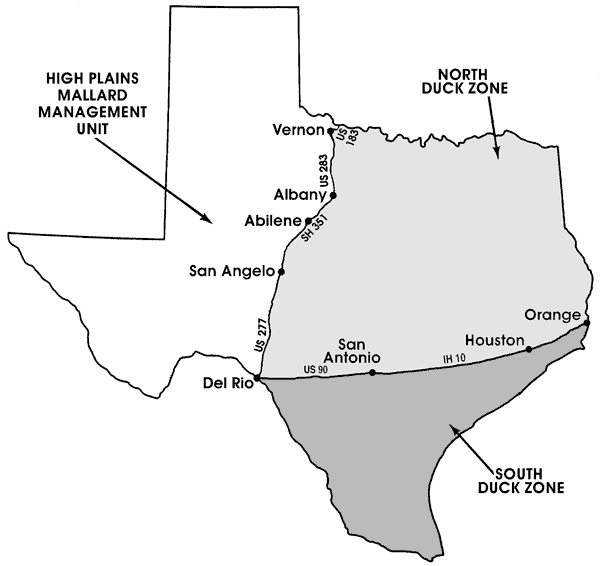
Texas is divided into two primary waterfowl hunting zones: the North Zone and the South Zone. These zones are established based on the general timing of waterfowl migration through different parts of the state. The North Zone typically opens earlier, reflecting the earlier arrival of some migratory species, while the South Zone opens later. It’s crucial to identify which zone your desired hunting location falls within, as the opening and closing dates will differ.
Furthermore, specific regulations apply to different duck species. While a general duck season exists, there are often designated periods or bag limits that vary for species like mallards, pintails, and teal. The TPWD provides detailed species breakdowns and harvest limits, which are readily available on their official website. Staying informed about these species-specific rules ensures you are hunting ethically and within legal parameters. Ignorance of these regulations can lead to hefty fines and the loss of hunting privileges.
Key Dates and Regulations for 2023-2024
For the 2023-2024 hunting season, the Texas Parks and Wildlife Department has announced the following key dates:
North Zone:
- Youth Season: October 28-29, 2023
- Early Teal Season: September 15-30, 2023
- First Segment: November 4-26, 2023
- Second Segment: December 9, 2023 – January 28, 2024
South Zone:
- Youth Season: November 4-5, 2023
- Early Teal Season: September 15-30, 2023
- First Segment: November 18 – December 3, 2023
- Second Segment: December 16, 2023 – January 21, 2024
Special Gooseneck Season:
- North Zone: October 28 – November 1, 2023
- South Zone: November 18-21, 2023
It is imperative to note that these dates are subject to change and are officially published by the Texas Parks and Wildlife Department. Always consult the most current TPWD regulations pamphlet or their website for the definitive season dates and bag limits. These regulations often include daily bag limits (the number of birds you can harvest per day) and possession limits (the total number of birds you can legally possess at any given time).
Planning Your Texas Duck Hunting Expedition
Once you have a firm grasp of the season dates and regulations, the next crucial step is to plan your hunting expedition. This involves selecting a prime hunting destination, securing appropriate accommodations, and preparing your gear. Texas offers a diverse range of habitats conducive to waterfowl hunting, from the coastal marshes of the Gulf Coast to the rice fields of the Upper Coast and the wetlands scattered throughout the state’s interior.
Top Texas Destinations for Duck Hunters
The vastness of Texas presents an embarrassment of riches for duck hunters. Each region boasts unique characteristics that attract different species and offer distinct hunting experiences.
- The Texas Coast: This is arguably the most renowned waterfowl hunting region in Texas, particularly along the Gulf Coast. Areas like High Island, Galveston Island State Park, and the bays around Corpus Christi are magnets for migrating ducks and geese, especially during colder fronts. The abundance of coastal marshes, rice fields, and bay systems provides ideal feeding and resting grounds. The Upper Coast, with its extensive rice prairies, also attracts significant numbers of waterfowl. Hunting along the coast often involves boat blinds, layout boats, or hunting from shorelines and marsh edges.

-
East Texas Wetlands: The piney woods of East Texas are not just for deer hunters. Numerous lakes, reservoirs, and sloughs, such as those found around the Sabine River and the Trinity River, offer excellent duck hunting opportunities. These areas often host a variety of puddle ducks and divers, providing a more wooded or marshy hunting environment. Many private leases and public hunting areas are available in this region.
-
Central Texas Lakes and Rivers: While not as heavily populated by waterfowl as the coast, the numerous lakes and river systems throughout Central Texas, including the Colorado River and the Brazos River basins, can provide good hunting, especially when water levels are favorable and food sources are present. Areas around Austin and San Antonio may offer opportunities on smaller, less crowded water bodies or agricultural fields.
-
West Texas Agricultural Lands: In the Panhandle and West Texas, agricultural areas, particularly those with irrigation and grain crops, can attract significant numbers of ducks. Hunters might find opportunities in fields, playa lakes, and along river bottoms, often focusing on mallards and other dabbling ducks.
When choosing a destination, consider the type of waterfowl you wish to pursue and the hunting style you prefer. Coastal hunting often offers a higher density of birds and a wider variety of species, while interior regions might provide a more secluded and traditional hunting experience. Researching specific wildlife management areas, state parks, and private hunting leases in your chosen region is essential for a successful trip.
Accommodations for the Discerning Hunter
After selecting your hunting grounds, the next critical element is securing comfortable and convenient accommodations. The type of lodging you choose can significantly impact the overall enjoyment of your duck hunting trip. Texas offers a spectrum of options to suit every budget and preference, from rustic lodges to upscale resorts.
-
Hunting Lodges and Outfitters: Many prime duck hunting areas are served by dedicated hunting lodges and reputable outfitters. These establishments often provide guided hunts, meals, and lodging, offering a comprehensive package that simplifies planning. Many lodges are situated directly on or near prime hunting grounds, allowing for early morning access. Popular options include facilities near Eagle Lake, known for its abundant duck populations, or coastal lodges offering access to prime marshland.
-
Hotels and Motels: For hunters who prefer to arrange their own hunts or are exploring multiple locations, traditional hotels and motels in nearby towns offer reliable accommodation. Cities like Houston, Dallas, and San Antonio have a vast array of hotels, from budget-friendly chains to luxury establishments, providing a comfortable base. Smaller towns closer to hunting areas will have more limited, but often more affordable, options. Consider booking in advance, especially during peak hunting season.
-
Vacation Rentals and Cabins: Renting a cabin or a private house through platforms like Airbnb or VRBO can be an excellent choice for groups or families. This option offers more privacy, flexibility, and often the ability to prepare your own meals, which can be cost-effective. Many rentals are located in rural areas, providing easy access to hunting spots and a more immersive outdoor experience.
-
RV Parks and Campgrounds: For the budget-conscious or those who enjoy a more rustic experience, RV parks and campgrounds are widely available across Texas. Many are located near state parks or wildlife management areas, offering a close-to-nature option. Ensuring the campground has the necessary amenities for your needs is important.
Regardless of your choice, booking your accommodation well in advance is highly recommended, especially for weekends and prime hunting dates. Many hunters also opt for longer stays to maximize their time in the field, making longer-term accommodation options like apartments or villas worth considering for extended trips.
Essential Gear and Safety Precautions
A successful and safe duck hunt hinges on being well-prepared. This extends to having the right equipment and adhering to strict safety protocols in the field and on the water.
Must-Have Duck Hunting Gear
- Shotgun and Ammunition: A 12-gauge or 20-gauge shotgun is the standard for duck hunting. Ensure you use non-toxic shot (steel, bismuth, or tungsten) as required by federal and state regulations. Pack an ample supply of shells.
- Waders and Waterproof Clothing: Staying dry and warm is paramount. Insulated waders and waterproof outer layers are essential for comfort, especially in wet and cold conditions.
- Camouflage: Effective camouflage that blends with your hunting environment is crucial for approaching waterfowl undetected.
- Decoys and Calls: A good spread of decoys can attract ducks to your hunting area. Proficiency with duck calls can significantly enhance your success.
- Blind or Concealment: Whether you are using a boat blind, a portable blind, or natural cover, effective concealment is vital.
- Navigation Tools: A GPS device or a reliable compass and map are important for navigating unfamiliar territory, especially when hunting on large bodies of water.
- First-Aid Kit: Always carry a well-stocked first-aid kit for minor injuries.
- Water and Snacks: Staying hydrated and fueled is important for long days in the field.
Prioritizing Safety in the Field
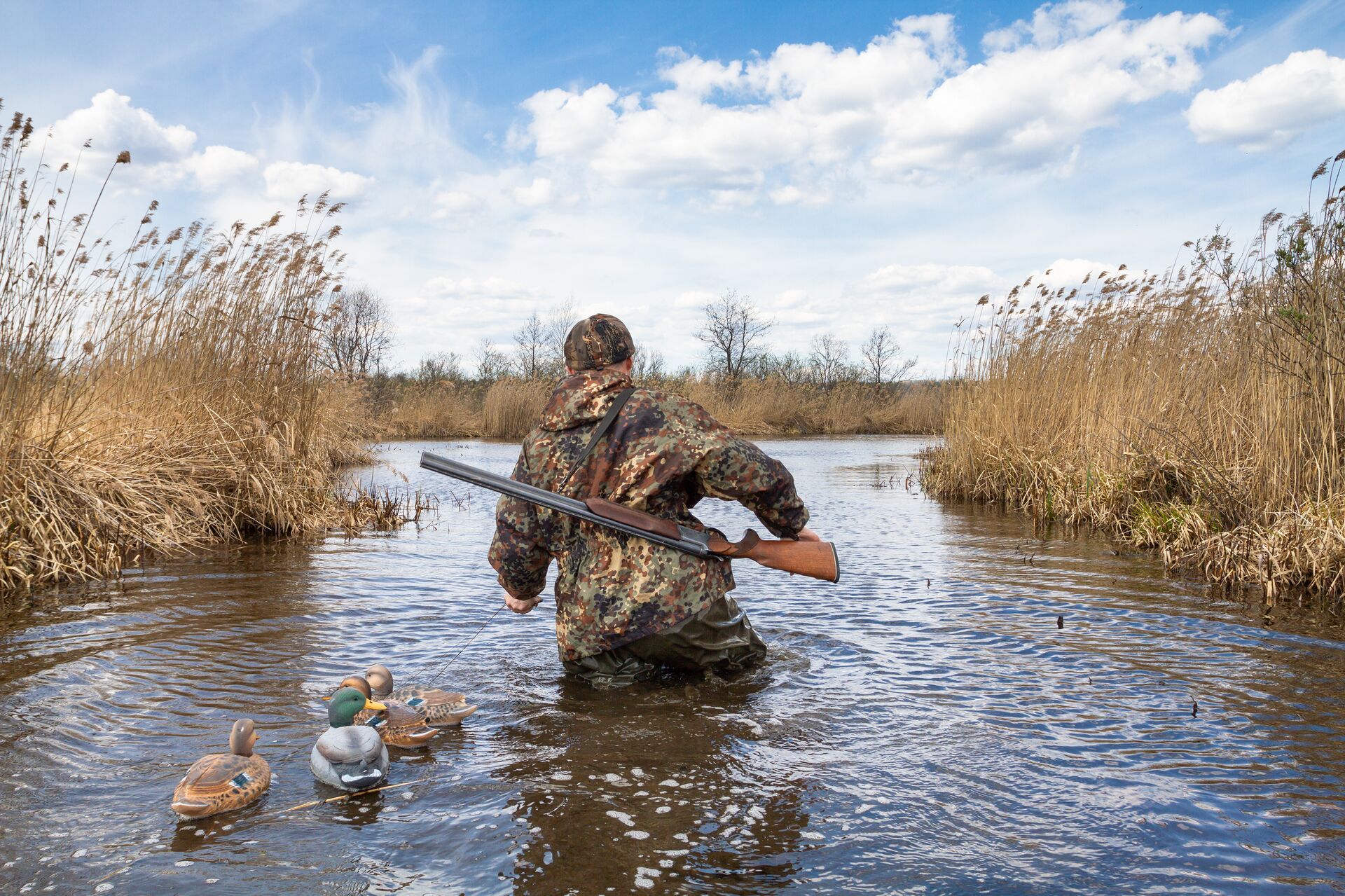
Duck hunting often involves navigating challenging environments, including water, uneven terrain, and potentially inclement weather. Safety must always be the top priority.
- Firearm Safety: Always treat every firearm as if it were loaded. Keep the safety engaged until ready to fire. Never point a firearm at anything you do not intend to shoot. Be aware of your surroundings and the location of other hunters.
- Water Safety: If hunting from a boat, ensure it is seaworthy and equipped with life jackets for all occupants. Understand the water conditions and any potential hazards.
- Weather Awareness: Texas weather can be unpredictable. Check the forecast before heading out and be prepared for sudden changes in temperature, wind, and precipitation.
- Inform Someone of Your Plans: Always let a trusted friend or family member know where you are going, your intended hunting location, and when you expect to return.
- Respect Regulations: Adhere strictly to all Texas hunting regulations, including bag limits, shooting hours, and legal shooting distances.
By meticulously planning your trip, understanding the regulations, choosing appropriate destinations and accommodations, and prioritizing safety, you can ensure a memorable and rewarding duck hunting season in Texas. The pursuit of waterfowl in the Lone Star State is more than just a sport; it’s an immersion into nature, a test of skill, and a cherished tradition that connects generations of hunters.
LifeOutOfTheBox is a participant in the Amazon Services LLC Associates Program, an affiliate advertising program designed to provide a means for sites to earn advertising fees by advertising and linking to Amazon.com. Amazon, the Amazon logo, AmazonSupply, and the AmazonSupply logo are trademarks of Amazon.com, Inc. or its affiliates. As an Amazon Associate we earn affiliate commissions from qualifying purchases.