
Planning a trip to the Sunshine State often involves more than just picking a destination and booking flights. For many travelers, particularly families, understanding the local school calendar can be the secret to unlocking a more enjoyable, less crowded, and often more affordable Florida vacation. Unlike many states where school universally begins after Labor Day, Florida’s decentralized education system means start dates can vary significantly by county, usually falling within a window from early August to mid-August. This variability has profound implications for travel patterns, crowd levels, and pricing at major attractions and popular destinations across the state.
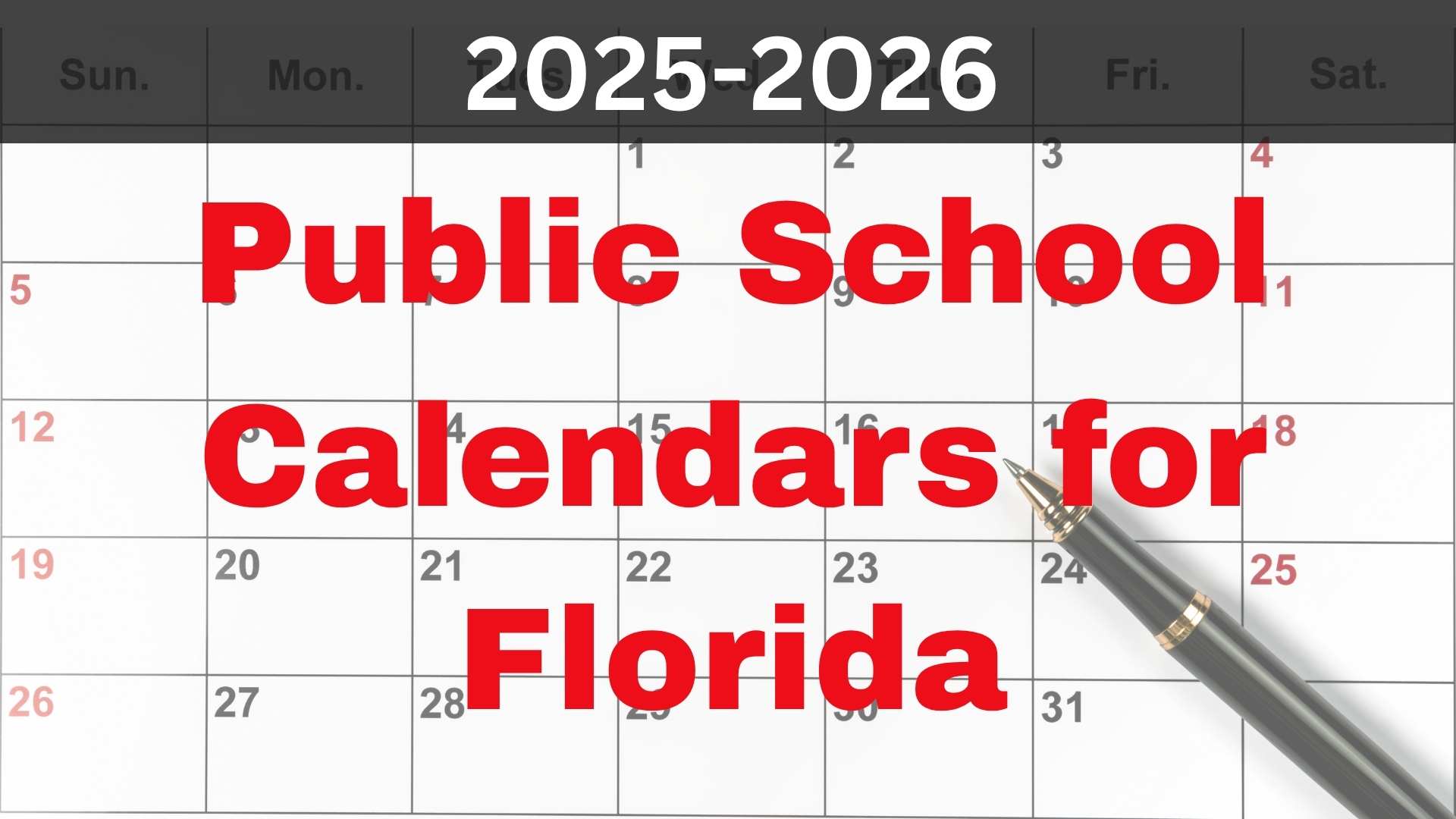
Understanding the Florida School Calendar and Its Impact on Travel
Florida’s public education system is managed at the county level, granting each of its 67 school districts the autonomy to set its own academic calendar. While there are state guidelines regarding instructional days, the specific start and end dates, as well as holiday breaks, are determined by individual school boards. This decentralized approach creates a dynamic environment for travelers, as peak seasons can shift and opportunities for quieter, more economical visits emerge.
General Start Dates Across the State
Historically, the majority of Florida public schools commence their academic year in the second or third week of August. For example, districts like Orange County (home to Orlando‘s major theme parks) and Miami-Dade County (the state’s largest district) often see students return to classrooms around August 10th-15th. This timing marks a crucial transition point for tourism, as the influx of families enjoying their last summer hurrah begins to dwindle, making way for a brief, calmer period before the holiday rush.
The end of the school year typically falls in late May or early June, allowing for a summer break of approximately two and a half months. These established periods of school operation are critical benchmarks for understanding the ebb and flow of tourist traffic throughout Florida.
Regional Variations: South Florida vs. Central Florida vs. North Florida
While the early to mid-August window is common, regional nuances exist.
- South Florida, encompassing vibrant areas like Miami, Fort Lauderdale, and Palm Beach, often adheres closely to the mid-August start. Districts such as Broward County and Palm Beach County typically align with Miami-Dade County’s schedule. The subtropical climate here means outdoor activities remain popular even as school resumes.
- Central Florida, the epicenter of theme park tourism, including cities like Orlando and Tampa, also largely follows the mid-August start. The departure of local school-aged children from attractions during weekdays opens up a unique window for visitors without school-aged dependents.
- North Florida, including areas like Jacksonville and the Panhandle, sometimes exhibits slight variations, with some districts occasionally starting a few days earlier or later than their southern counterparts. These regions, with their distinct historical sites and natural beauty, also experience the same shift in crowd dynamics once local schools are back in session.
Travelers should always verify specific county calendars if their trip dates are highly dependent on avoiding local school crowds. A quick search for the school district calendar of the county you plan to visit can provide precise dates.
Strategic Travel Planning Around School Schedules
Understanding when Florida schools are in session is more than just academic knowledge; it’s a strategic advantage for travel planning. This insight allows travelers to make informed decisions that can significantly enhance their vacation experience, from managing crowd levels to securing better deals.
Avoiding Peak Season Crowds and High Prices
The period when Florida schools are out of session – particularly during the summer months, Spring Break, and major holidays like Christmas and Thanksgiving – constitutes peak travel season. During these times, demand for accommodations, flights, and attraction tickets skyrockets, leading to higher prices and substantially larger crowds. Theme parks like Walt Disney World and Universal Orlando Resort can see wait times for popular rides extend well beyond an hour, and popular beaches can become standing-room-only.
By targeting travel dates when local Florida schools, and often schools in key feeder markets like the Northeast and Midwest, are back in session, travelers can bypass many of these peak season challenges. The golden window often begins shortly after Florida schools resume in mid-August and extends through late September, and then again from after Thanksgiving to mid-December (excluding the Christmas holiday period), and again from late January through mid-February before Spring Break begins.
The Benefits of Off-Peak Travel
Traveling during Florida’s off-peak seasons, largely dictated by school schedules, offers a multitude of benefits:
- Fewer Crowds: Shorter lines at attractions, more space on beaches, and easier navigation through popular tourist areas. This significantly enhances the overall experience, especially at theme parks.
- Lower Prices: Reduced demand often translates to lower airfares, discounted hotel rates, and sometimes even special offers on attraction tickets. This can lead to substantial savings, allowing travelers to stretch their vacation budget further.
- Better Service: With fewer visitors, staff at hotels, restaurants, and attractions can often provide more personalized and attentive service.
- Milder Weather (Season Dependent): While Florida summers are hot and humid, the fall months (September-November) and spring months (March-May, outside Spring Break) often present more temperate and enjoyable weather conditions.
Family Travel Considerations
Families with children face a unique challenge: balancing their desire for off-peak travel with their children’s school schedules. If your children’s school calendar does not align with Florida’s, a strategic approach is necessary. Consider holidays like your school’s fall break, winter break (early December or after New Year’s Day), or a targeted long weekend in the spring before Spring Break season fully kicks in. Even a few days after Florida schools start in August, if your kids are still out, can offer a brief window of opportunity. Flexibility is key to finding those sweet spots that minimize crowds and maximize value.
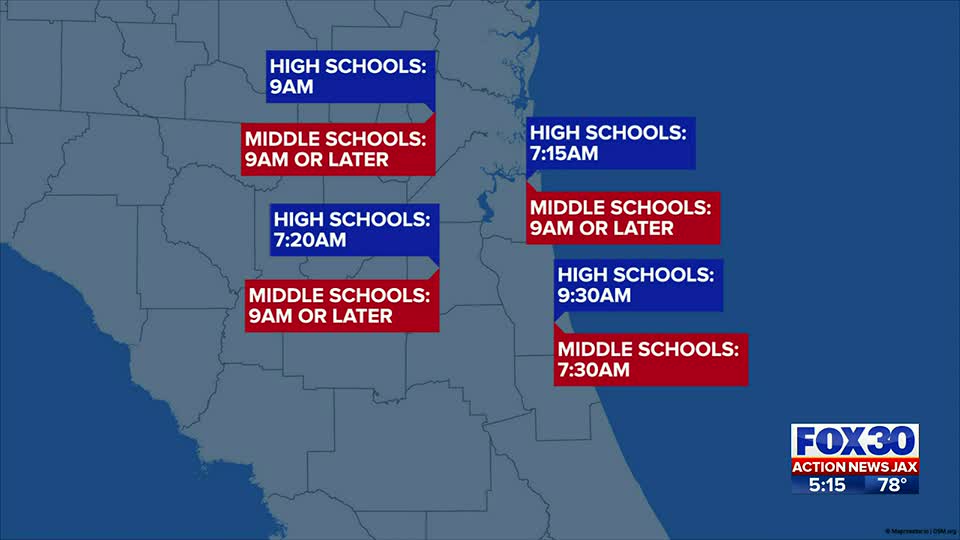
Top Florida Destinations and How School Dates Affect Them
The impact of Florida’s school calendar is felt across its diverse range of attractions, from world-renowned theme parks to pristine natural landscapes.
Orlando’s Theme Parks
Orlando is perhaps the most sensitive destination to school schedules. Walt Disney World, Universal Orlando Resort, and SeaWorld Orlando experience their lowest crowd levels outside of traditional holiday periods and summer. The weeks immediately following the mid-August school start in Orange County and surrounding districts offer a noticeable dip in attendance. This makes late August and most of September an ideal time for adult travelers or families with pre-school children to visit, enjoying shorter lines and often lower resort pricing. The same applies to early to mid-January, post-New Year’s Day, and parts of February before Spring Break.
Florida Beaches: Miami, Sarasota, Destin
Florida’s extensive coastline, featuring popular destinations like South Beach Miami, Siesta Key in Sarasota, and the emerald waters of Destin in the Panhandle, also experiences seasonal shifts. While the weather remains appealing, the departure of school-aged crowds in mid-August provides a more serene beach experience. Fewer families mean more open space on the sand, less traffic, and potentially quieter evenings. This tranquil period continues through the fall, often coinciding with pleasant weather and calmer seas.
Natural Attractions: The Everglades and Springs
For those drawn to Florida’s natural wonders, like the sprawling Everglades National Park or the numerous freshwater Springs (Silver Springs, Weeki Wachee, etc.), school schedules impact the visitor experience differently. These attractions are less prone to the massive crowds seen at theme parks, but peak times still translate to fuller parking lots and more guided tours. Visiting in the shoulder seasons (late fall and early spring) can offer the best of both worlds: comfortable temperatures and fewer people, allowing for a more intimate encounter with Florida’s unique ecosystems. The cooler, drier months from November to April are generally ideal for exploring the Everglades due to fewer mosquitoes and more active wildlife.
Maximizing Your Florida Vacation: Tips for Every Season
Understanding the school calendar empowers you to choose the best time for your specific travel preferences, ensuring your Florida vacation is as relaxing or exhilarating as you desire.
Early August to Labor Day: The Last Summer Hurrah
This brief window is a transition period. While some Florida schools have started, many out-of-state schools are still on summer break, and local families are squeezing in last-minute trips. Expect moderate to high crowds, especially on weekends and near the Labor Day holiday. However, the initial drop in local attendance at theme parks during weekdays can provide a slight reprieve. This is a time for enjoying water parks, beaches, and indoor attractions, embracing the summer heat and vibrancy.
Post-Labor Day to Thanksgiving: A Serene Escape
This period, from early September through mid-November, is often hailed as the “sweet spot” for Florida travel. With most schools across the country back in session, crowd levels plummet. You’ll find shorter lines, better hotel deals, and more availability for dining reservations and activities. The weather remains warm but often less humid than summer, especially as October progresses. It’s an excellent time for theme park visits, exploring cities like St. Augustine and Key West, and enjoying the Florida Keys or the quiet beaches along the Gulf Coast. Festivals and events also begin to pick up, adding cultural flair without the overwhelming crowds.
Winter Breaks: Festive Yet Crowded
From mid-December through early January, Florida transforms into a holiday wonderland. While the weather is often delightfully cool and dry, school breaks (both local and national) mean this is a peak period. Expect high prices and significant crowds, particularly at Orlando theme parks and popular coastal destinations. If you plan to visit during this time, book everything well in advance and prepare for bustling environments. The festive decorations and special events, however, can make it a magical experience despite the crowds.
Spring Break and Easter: High Demand
Typically spanning from late February through April, Spring Break is another peak season. Although Florida schools have staggered breaks, the convergence of national school breaks and college students flocking to the beaches creates intense demand. If your travel falls within this period, expect crowds and higher prices. However, the weather is consistently beautiful, making it ideal for outdoor activities, from kayaking in crystal-clear springs to enjoying amusement parks like Busch Gardens Tampa Bay or the Kennedy Space Center Visitor Complex. Early February, prior to the major Spring Break rush, or late April/early May, after most breaks conclude but before summer begins, can offer a pleasant balance.
Ultimately, knowing when Florida schools start provides a powerful framework for strategic travel planning. By aligning your visit with these less crowded windows, you can enhance your experience, reduce costs, and truly savor all that the diverse and vibrant state of Florida has to offer.
LifeOutOfTheBox is a participant in the Amazon Services LLC Associates Program, an affiliate advertising program designed to provide a means for sites to earn advertising fees by advertising and linking to Amazon.com. Amazon, the Amazon logo, AmazonSupply, and the AmazonSupply logo are trademarks of Amazon.com, Inc. or its affiliates. As an Amazon Associate we earn affiliate commissions from qualifying purchases.