
Maine, a state synonymous with rugged wilderness, pristine coastlines, and abundant wildlife, offers a compelling draw for outdoor enthusiasts year-round. While its summer attractions and fall foliage are widely celebrated, a significant segment of visitors and locals eagerly anticipate the distinct rhythm of hunting seasons. For those planning a trip to experience Maine’s rich hunting heritage, understanding the intricate schedule of these seasons is paramount. This guide delves into the opening dates for various hunting seasons in Maine, providing essential information for a successful and responsible outdoor adventure.
Understanding Maine’s Hunting Regulations and Seasons
The Maine Department of Inland Fisheries and Wildlife meticulously manages hunting seasons to ensure the sustainability of wildlife populations and the safety of all participants. These regulations are subject to change, making it crucial for hunters to consult the official guides published annually. Maine’s diverse ecosystems support a variety of game species, each with its own designated hunting period. From the majestic moose to the elusive deer and small game like ruffed grouse and snowshoe hare, the timing of each season is carefully calibrated to coincide with optimal conditions for both the animals and the hunters.
General Principles of Maine Hunting Seasons
Maine’s hunting regulations are designed to balance harvest levels with population health. This involves setting seasons that align with the reproductive cycles of game animals and considering factors such as weather patterns, food availability, and potential impacts on other species. The state is divided into different wildlife management districts, and specific season dates can vary by district for certain species. This granular approach allows for targeted management based on local wildlife conditions.
Key Factors Influencing Season Dates
Several factors contribute to the establishment of hunting season dates in Maine:
- Breeding and Gestation Periods: Seasons are generally scheduled to avoid the peak breeding and birthing times for game animals, ensuring minimal disruption to reproduction.
- Migration Patterns: For migratory birds, season dates are determined by their arrival and departure times in the state.
- Weather Conditions: Extreme weather can impact animal behavior and hunter safety. While not the primary driver, potential weather influences are a consideration.
- Conservation Goals: The overarching goal is to maintain healthy and robust wildlife populations for future generations.
- Hunter Safety: Regulations aim to minimize conflicts between different hunting methods and to ensure safe hunting practices.
Deer Hunting Season: A Maine Tradition
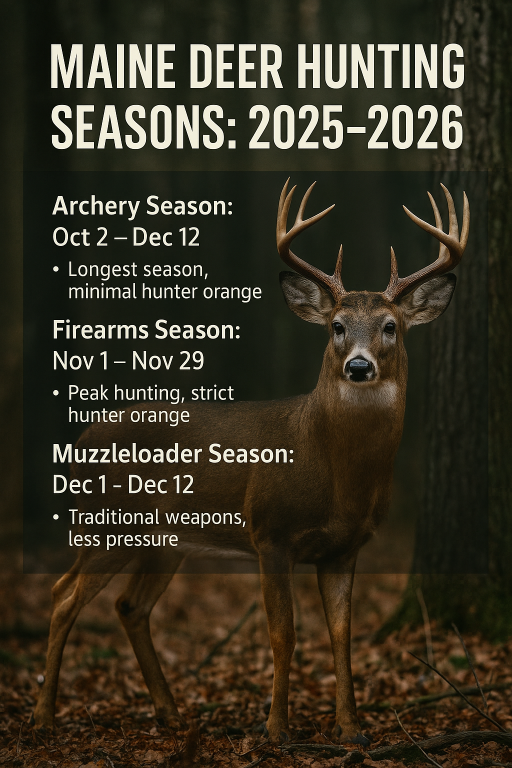
Deer hunting is arguably the most popular hunting pursuit in Maine, drawing a significant number of participants each year. The state manages different seasons for archery, muzzleloader, and shotgun hunters, each with its own distinct opening and closing dates. Understanding these nuances is critical for planning a deer hunting trip to the Pine Tree State.
Archery Deer Season
The archery deer season typically opens in late September or early October and runs for several weeks, often extending into late November. This season is characterized by its focus on stealth and the use of more primitive weaponry. Archery hunters often have access to longer hunting periods and potentially less crowded hunting grounds compared to other seasons. The success of archery hunting relies heavily on the hunter’s ability to get close to their quarry, requiring patience, skill, and a deep understanding of deer behavior and habitat. The crisp autumn air and the vibrant fall foliage provide a spectacular backdrop for this pursuit, making it a highly anticipated part of the year for many.
Muzzleloader Deer Season
Following the archery season, Maine opens its muzzleloader deer season. This period usually begins in late November and extends for about a week or two, often concluding before the general firearms season. Muzzleloader hunting offers a unique challenge, requiring hunters to use single-shot firearms that are loaded from the muzzle. This method demands precision and often involves a closer engagement with the game than modern firearms. The timing of the muzzleloader season is strategic, often coinciding with periods when deer may be more active due to changing weather and mating urges.
General Firearm (Shotgun) Deer Season
The general firearm deer season, often referred to as the shotgun season, is typically the most popular and widely participated-in deer hunting season in Maine. This season usually opens in late November and runs for a limited duration, often concluding by early December. This is the period when many hunters take to the woods, and it’s often associated with larger gatherings of hunters. The opening day of the firearm deer season is a significant event in many rural Maine communities, marked by anticipation and tradition. Due to the popularity and the use of more powerful firearms, specific regulations regarding hunting zones and bag limits are strictly enforced during this time.
Other Notable Hunting Seasons in Maine
Beyond deer, Maine offers a variety of other hunting opportunities, each with its own specific season. These seasons cater to a range of interests and provide unique experiences for sportsmen and women.
Bear Hunting Season
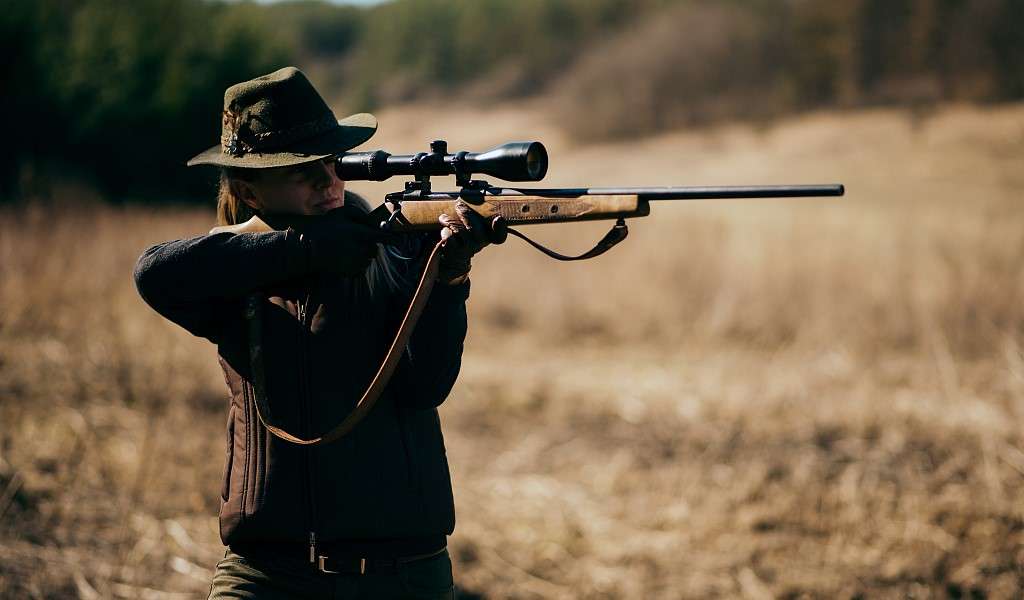
Maine is renowned for its black bear population, and the state offers an extended hunting season for these magnificent animals. Bear hunting in Maine can be pursued using various methods, including archery, firearms, and hound hunting, with different season dates and regulations applying to each.
- Archery and Firearm Seasons: These seasons typically begin in late August or early September and run through much of October. Hunters can pursue bears using traditional archery equipment or firearms. The success of bear hunting often depends on understanding bear behavior, locating their feeding areas, and employing strategies that are both effective and ethical.
- Hound Hunting Season: Maine has a unique and historically significant season for hunting black bears with dogs. This season often opens in early September and runs until late October. This method requires specialized training for both the dogs and the hunters and is a testament to a long-standing tradition in the state’s hunting culture. Regulations surrounding hound hunting are particularly stringent due to the complexities of managing dog packs and ensuring the safety of both the hunters and the bears.
Moose Hunting Season
Moose hunting in Maine is a highly regulated and sought-after experience. Due to the significant size and majestic nature of the moose, permits are issued through a lottery system, making it an exclusive opportunity for a limited number of hunters. The moose hunting season is generally short and occurs in the fall, with specific dates varying depending on the wildlife management district.
- Permit Lottery: Hunters must apply for a moose permit well in advance, and successful applicants are notified of their season dates. The lottery system is designed to manage the moose population sustainably and to provide a fair chance to those who wish to participate.
- Season Timing: Moose hunting seasons typically fall within September and October. The specific dates are often staggered across different management zones to distribute hunting pressure and to optimize success rates based on moose behavior during this period. The challenge of hunting such a large animal in Maine’s vast wilderness is immense, requiring considerable preparation, skill, and often specialized equipment.
Small Game Hunting
Maine offers diverse opportunities for small game hunting, with seasons for species like ruffed grouse, woodcock, snowshoe hare, and various species of squirrels. These seasons generally open in the fall, often starting in September or October, and can extend through the winter months for some species.
- Ruffed Grouse and Woodcock: These upland game birds are popular targets for hunters who enjoy walking the woods with pointing dogs. Their seasons typically open in early October and run until late November or early December, coinciding with their migratory patterns and habitat use. The pursuit of these birds requires considerable skill in flushing and shooting on the wing, making it an exciting challenge for many.
- Snowshoe Hare and Squirrels: Seasons for snowshoe hare and squirrels often open in October and can extend well into the winter months, providing hunting opportunities even after the larger game seasons have closed. These species are abundant in Maine’s forests and offer a more accessible hunting experience for those who prefer smaller game. The challenge here often lies in tracking these quick and elusive creatures through varied terrain.
Planning Your Hunting Trip to Maine
A successful hunting trip to Maine requires meticulous planning, well beyond simply knowing the season dates. Understanding the local regulations, licensing requirements, and the specific characteristics of the areas you intend to hunt is crucial.
Licensing and Permits
All individuals hunting in Maine are required to possess a valid hunting license. Non-residents will need to obtain a non-resident hunting license, which can differ in cost and requirements from resident licenses. Additionally, specific permits are required for certain species, such as moose and bear, which are often obtained through a lottery system or by purchasing specific tags. It is imperative to consult the Maine Department of Inland Fisheries and Wildlife website for the most up-to-date information on licensing and permit applications.
Choosing Your Hunting Destination
Maine’s vast landscape offers diverse hunting environments. From the dense forests of the north to the coastal woodlands in the south, each region presents unique opportunities. Researching specific wildlife management districts and consulting with local sporting lodges or guides can provide invaluable insights into the best locations for the species you intend to pursue. Consider factors such as terrain, accessibility, and the typical presence of your target game.
Safety and Ethical Hunting Practices
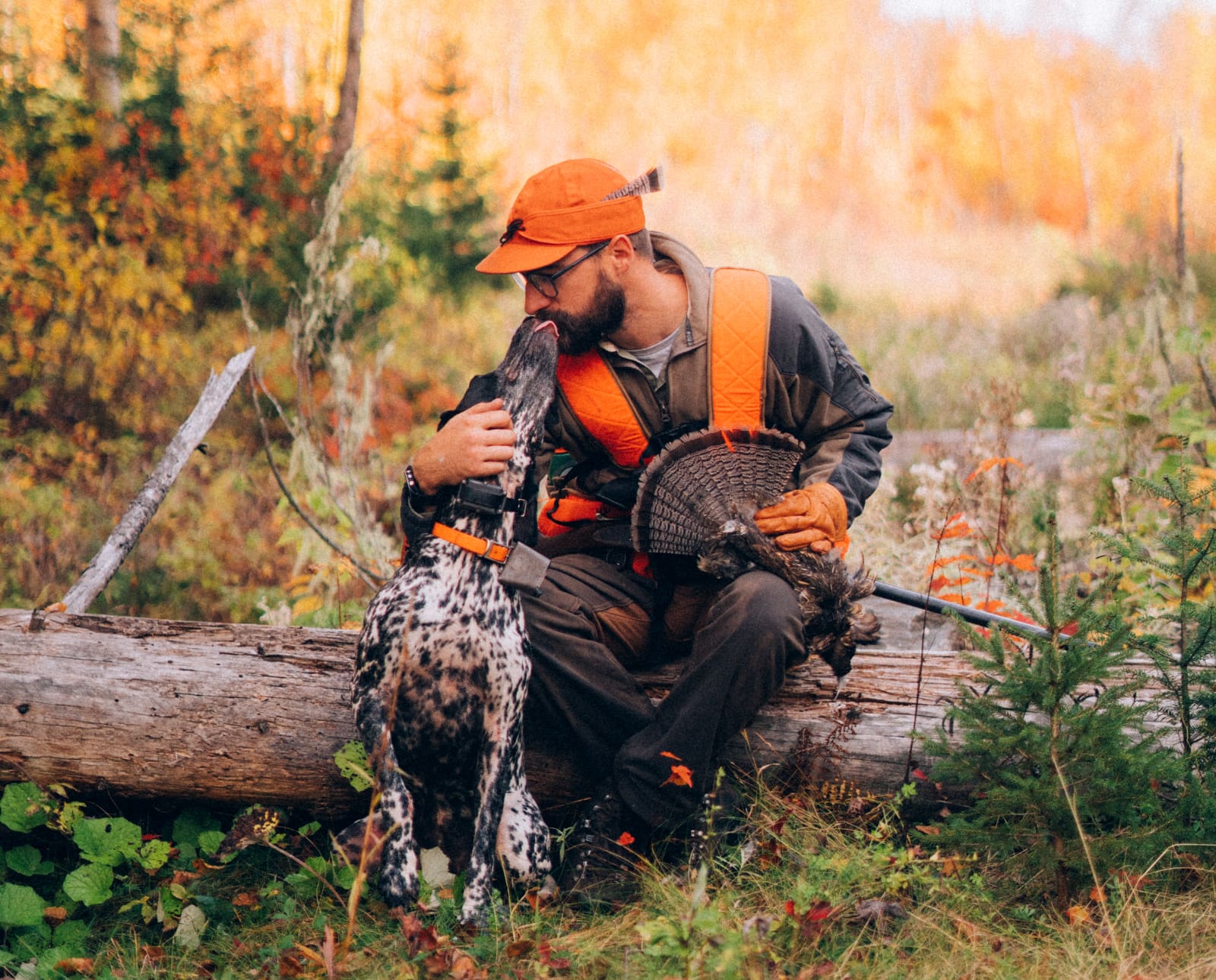
Safety is paramount in any hunting endeavor. Hunters should be familiar with firearm safety, navigation techniques, and first-aid. Wearing appropriate blaze orange clothing is mandatory during certain seasons to ensure visibility and prevent accidents. Ethical hunting practices, which include making clean kills, respecting property rights, and adhering to all regulations, are fundamental to the tradition of hunting and the conservation of wildlife. Hunters are expected to be knowledgeable about the species they are pursuing and to harvest only what they can utilize responsibly.
Consulting Official Resources
The most critical step for any prospective hunter is to consult the official hunting regulations published by the Maine Department of Inland Fisheries and Wildlife. These comprehensive guides provide detailed information on season dates, bag limits, legal equipment, licensing requirements, and safety guidelines. Staying informed about any changes or updates to these regulations is essential for a legal and enjoyable hunting experience in Maine.
LifeOutOfTheBox is a participant in the Amazon Services LLC Associates Program, an affiliate advertising program designed to provide a means for sites to earn advertising fees by advertising and linking to Amazon.com. Amazon, the Amazon logo, AmazonSupply, and the AmazonSupply logo are trademarks of Amazon.com, Inc. or its affiliates. As an Amazon Associate we earn affiliate commissions from qualifying purchases.