
Florida, affectionately known as the Sunshine State, beckons millions of travelers each year with its pristine beaches, world-class theme parks, vibrant cities, and unique natural landscapes. From the magical enchantment of Orlando to the sun-drenched shores of Miami and the tranquil beauty of the Florida Keys, this peninsular state offers an unparalleled array of experiences for every type of globetrotter. However, any comprehensive guide to traveling in Florida would be incomplete without addressing a crucial annual consideration: hurricane season. Understanding when this period begins and what it entails is paramount for planning a safe, enjoyable, and worry-free trip.
For those planning their next adventure, whether it’s a luxurious resort stay, a budget-friendly family vacation, an immersive cultural tour, or a long-term accommodation, knowing the rhythm of Florida’s weather patterns is key. The official Atlantic hurricane season, which directly impacts Florida, spans a significant portion of the year.
Understanding Florida’s Hurricane Season: The Official Dates and Peak Periods
The question of “When does hurricane season begin in Florida?” has a definitive answer, yet its implications are far more nuanced than a simple calendar date. This annual meteorological phenomenon plays a significant role in travel planning, particularly for those considering visits during the summer and fall months.
The Calendar of Storms: June 1st to November 30th
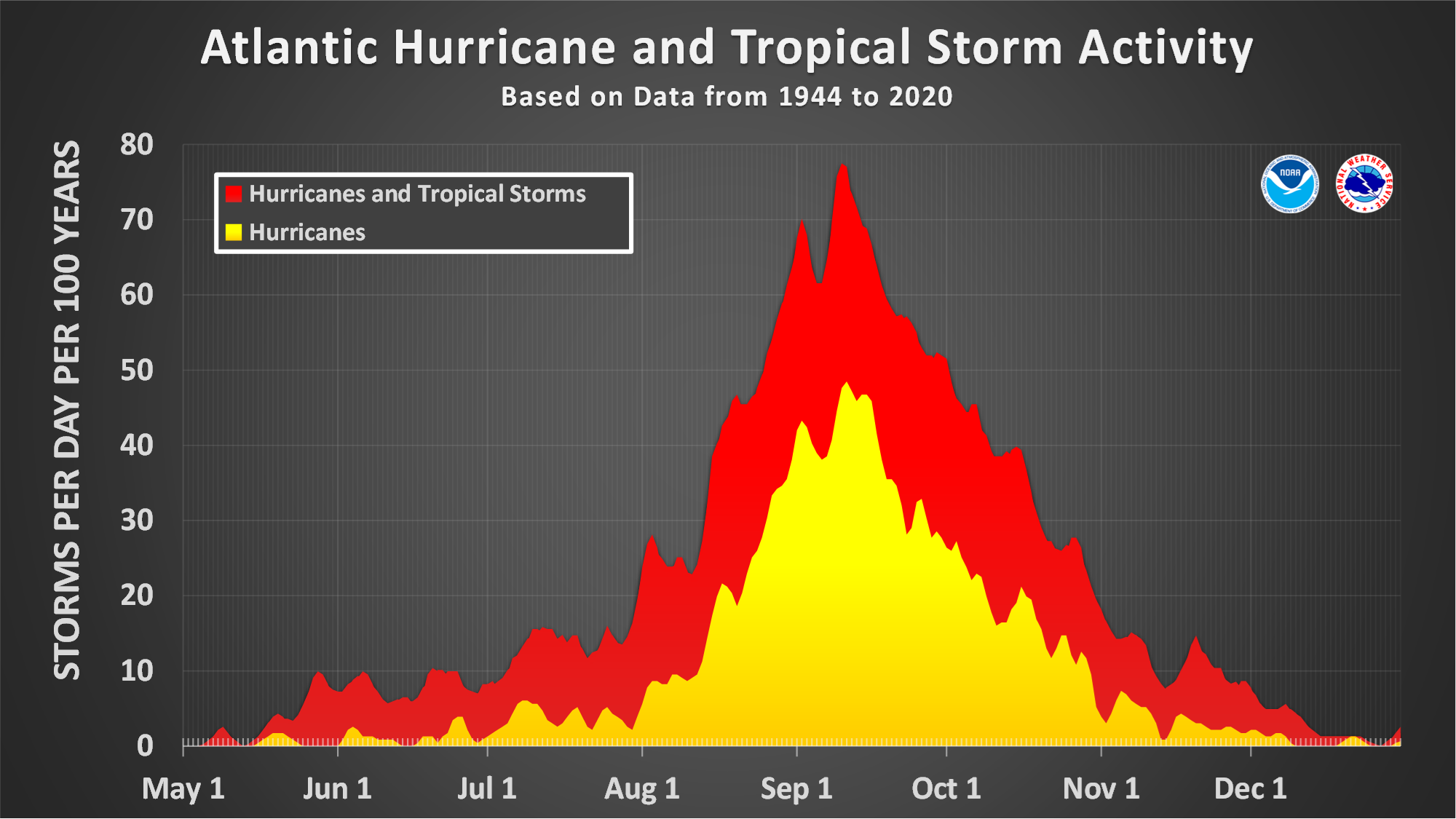
Officially, the Atlantic hurricane season begins on June 1st and concludes on November 30th each year. This six-month window is when conditions in the Atlantic Ocean, Caribbean Sea, and Gulf of Mexico are most conducive to the formation of tropical cyclones. While tropical systems can form outside of these dates – and occasionally do – the vast majority of activity falls within this designated period.
What exactly does this mean for travelers? It means that from early summer through late autumn, there is an elevated risk of encountering a tropical depression, tropical storm, or a hurricane during your visit. These systems vary greatly in intensity and impact, from minor rain and wind disturbances to severe, destructive hurricanes. Understanding the classification helps in comprehending the potential threat:
- Tropical Depression: An organized system of clouds and thunderstorms with a defined surface circulation and maximum sustained winds of 38 mph (61 km/h) or less.
- Tropical Storm: An organized system of strong thunderstorms with a defined surface circulation and maximum sustained winds between 39 mph (63 km/h) and 73 mph (118 km/h). At this stage, the system is given a name.
- Hurricane: A tropical cyclone with maximum sustained winds of 74 mph (119 km/h) or higher. Hurricanes are categorized on the Saffir-Simpson Hurricane Wind Scale from Category 1 to 5, with Category 5 being the most intense.
Given Florida’s unique geographical position as a peninsula extending into warm tropical waters, it is particularly vulnerable to these weather systems. Its extensive coastline, from the Panhandle down to Key West, means that few areas are entirely immune to potential impacts.
Navigating the Peak: August, September, and October
While the season officially starts in June, the risk of significant storm activity isn’t evenly distributed throughout the six months. The heart of the Atlantic hurricane season typically falls between mid-August and late October, often referred to as the “peak season.”
During these months, ocean waters reach their warmest temperatures, and atmospheric conditions, such as wind shear, become most favorable for intense storm development. Historically, some of the most powerful and memorable hurricanes to impact Florida have occurred during this peak window. Notable examples include Hurricane Andrew in August 1992, Hurricane Charley in August 2004, Hurricane Irma in September 2017, and Hurricane Ian in September 2022. These events, though devastating, also highlight the resilience of Florida’s communities and the importance of robust preparation and recovery efforts by local authorities and the tourism industry alike.
For travelers, understanding this peak period is vital. A trip planned during these months carries a higher statistical probability of encountering storm-related disruptions. However, it’s also important to remember that even during peak season, many days and weeks pass without any significant weather events, and impacts are often localized. The key is to be informed and prepared, rather than deterred.
Preparing for Your Florida Trip: Safety, Planning, and Peace of Mind
Traveling to Florida during hurricane season doesn’t have to be a deterrent, but it absolutely requires a proactive approach to planning. Smart preparation can turn potential anxieties into manageable considerations, ensuring your focus remains on enjoying your destination.
Essential Pre-Trip Planning and Monitoring
Thorough planning is your best defense against potential disruptions. When booking a trip between June and November, particularly during the peak months, incorporate these steps into your travel itinerary:
- Monitor Reliable Weather Sources: Before and during your trip, stay vigilant by checking official meteorological forecasts regularly. Pay attention to advisories and warnings issued for your specific destination within Florida. Modern technology allows for real-time updates directly to your smartphone, making it easier than ever to stay informed.
- Invest in Travel Insurance: This is perhaps the single most crucial recommendation for travel during hurricane season. Look for comprehensive travel insurance policies that specifically cover trip cancellation, interruption, and delays due to severe weather events, including hurricanes.
- For Luxury Travelers: A premium policy might offer “cancel for any reason” (CFAR) coverage, providing maximum flexibility.
- For Budget Travelers: Even a basic policy can provide essential protection against losing non-refundable deposits for flights, accommodations, or excursions.
- For Family Trips: Ensure coverage extends to all family members and considers potential medical emergencies or evacuation costs.
- Understand Accommodation Policies: Before booking any hotel, resort, apartment, or villa, meticulously review their cancellation and refund policies, especially concerning natural disasters. Many reputable establishments, particularly those in high-tourism areas like Orlando and Miami, offer “hurricane clauses” or flexible rebooking options during declared emergencies. Confirm these details in writing.
- Resorts and Suites: Often have robust emergency plans and communication protocols.
- Vacation Rentals and Villas: May have more stringent cancellation policies, so clarify these upfront.
- Assemble a Basic Emergency Kit: While this might sound extreme for a vacation, a small, personalized kit can be invaluable. Include:
- Copies of important documents (passport, IDs, insurance policies).
- Any necessary prescription medications.
- A portable phone charger.
- A small amount of cash.
- Basic first-aid supplies.
- A flashlight.
On-the-Ground Safety and Local Resources
Once you arrive in Florida, continued awareness and access to local information are key to staying safe:
- Heed Local Advisories: If a tropical system threatens, local emergency management agencies will issue specific advisories, watches, and warnings. These are paramount. Do not underestimate their importance, even if the weather seems fine initially. Follow instructions regarding shelter-in-place orders or mandatory evacuations promptly.
- Know Your Evacuation Routes: Most coastal areas and low-lying regions have designated evacuation routes. Familiarize yourself with these, even if you don’t anticipate needing them. Your hotel or rental property management should be able to provide this information.
- Maintain Communication: Keep your phone charged and inform family or friends back home of your whereabouts and plans. Be aware that power outages can occur, so having a communication plan is critical. Wi-Fi availability can be impacted during storms.
- Trust Your Accommodation Provider: Hotels and resorts in Florida are highly experienced in managing guests during severe weather. They typically have comprehensive emergency plans, backup generators, and staff trained to assist. Follow their guidance, which is designed for your safety. For those in longer-term accommodations like apartments or villas, ensure you know the property manager’s emergency contact information and protocols.
Beyond the Storms: Why Florida Remains a Premier Destination
Despite the annual hurricane season, Florida consistently ranks among the top travel destinations globally. Its enduring appeal lies in a combination of factors that far outweigh the temporary risks associated with a specific period of the year.
The Allure of the Sunshine State: Year-Round Experiences
Florida’s magnetic charm is undeniable. From the thrill rides of Walt Disney World Resort and Universal Orlando Resort to the Art Deco splendor of South Beach in Miami, and the natural wonders of Everglades National Park, the state offers a mosaic of experiences.
- Natural Landmarks: Its world-renowned beaches, like Clearwater Beach on the Gulf Coast or the expansive stretches near Jacksonville, are major draws.
- Vibrant Cities: Cities like Tampa, Fort Lauderdale, and St. Petersburg boast thriving arts scenes, exquisite dining, and unique local cultures.
- Outdoor Activities: Boating, fishing, golfing, and exploring spring-fed rivers remain popular pastimes.
It is crucial to remember that even within the hurricane season, many weeks and months pass without any tropical system impacting the state. A hurricane hitting a specific area of Florida is not an annual certainty, and even when one does occur, its effects are usually localized. The vast majority of Florida will be unaffected by any given storm. This means visitors can often enjoy fantastic weather, potentially fewer crowds, and even better deals on hotels and other accommodations during non-peak hurricane season periods.
Strategic Travel: Best Times to Visit for a Worry-Free Experience
For those who wish to completely circumvent the hurricane season, or minimize its impact on their travel plans, certain times of the year offer a statistically safer bet for a worry-free experience:
- Spring (March to May): This is widely considered the best time to visit Florida. The weather is typically warm but not overly hot, humidity is lower, and the chances of tropical systems are minimal. It’s ideal for beach vacations, theme park visits, and exploring outdoor attractions.
- Early Summer (June to Early July): While June 1st marks the start of hurricane season, the initial weeks of June and early July generally see less intense activity. The waters are warm, perfect for swimming, and many attractions are fully operational. Travelers during this period can often benefit from slightly lower prices compared to spring break or peak summer demand (July/August).
- Late Fall/Winter (December to February): Once November 30th passes, Florida enters its glorious dry season. This period offers cooler, more comfortable temperatures, low humidity, and virtually no threat of hurricanes. It’s an immensely popular time for snowbirds and those escaping colder climates, though prices for hotels and resorts can be higher, especially around holidays.
For luxury travelers, avoiding hurricane season completely might mean higher costs but ensures maximal comfort and predictability. Budget travelers might find more attractive deals during the shoulder months (early June, late November) or even during the non-peak parts of hurricane season, provided they have adequate travel insurance and flexibility. Family trips especially benefit from planning outside the peak season to minimize stress and ensure smooth logistics.
The Role of Accommodation and Travel Industry in Hurricane Preparedness
The robust tourism infrastructure in Florida doesn’t just attract visitors; it also plays a critical role in ensuring their safety and comfort, particularly during challenging weather events. The state’s experience with hurricanes has fostered a culture of preparedness within the accommodation and travel sectors.
Hotels and Resorts: Your Safe Haven
Florida’s hotels, resorts, suites, and even many apartments and villas are built to stringent building codes designed to withstand significant wind forces. Beyond structural integrity, these establishments typically have comprehensive emergency plans in place:
- Backup Systems: Many larger resorts have backup generators to ensure essential services like air conditioning, lighting, and elevators continue to function during power outages.
- Guest Communication: A key aspect is clear and timely communication with guests regarding weather updates, safety procedures, and any changes to hotel operations.
- On-site Staff: Trained staff are available to assist guests, provide information, and manage logistics, whether it’s sheltering in place or coordinating evacuations.
- Flexible Policies: As mentioned, many major hotel chains and reputable resorts often offer flexible cancellation and rebooking options during official storm warnings, demonstrating their commitment to guest well-being. This is a significant aspect of responsible accommodation.
For travelers, choosing a well-established hotel or a professionally managed villa can offer an added layer of security and peace of mind during hurricane season. Look for properties that explicitly mention their storm preparedness or have a history of effectively managing such situations.
Tourism’s Resilience: Adapting and Rebounding
The broader tourism industry in Florida demonstrates remarkable resilience. Local businesses, attractions, and service providers are well-versed in adapting to and recovering from hurricane impacts.
- Attraction Preparedness: Theme parks, museums, and other attractions have detailed plans for securing their facilities and ensuring visitor safety, often closing proactively and reopening swiftly once conditions are safe.
- Community Support: Following a storm, there’s a strong sense of community and concerted efforts to quickly restore services and rebuild damaged areas, often with the support of state and federal resources from the United States.
- Supporting Local Tourism: For those who visit shortly after a storm has passed (assuming it’s safe to do so), their tourism dollars can significantly aid local recovery efforts, supporting businesses and communities that rely heavily on the visitor economy.
In conclusion, while hurricane season officially runs from June 1st to November 30th in Florida, with a peak from mid-August to late October, it shouldn’t deter you from experiencing the wonders of the Sunshine State. With informed planning, comprehensive travel insurance, vigilant monitoring of weather forecasts, and choosing reputable accommodations, you can confidently navigate the season. Florida’s allure is undeniable, and with the right preparation, your travel experience can remain as sunny and vibrant as the state itself, regardless of the time of year.
LifeOutOfTheBox is a participant in the Amazon Services LLC Associates Program, an affiliate advertising program designed to provide a means for sites to earn advertising fees by advertising and linking to Amazon.com. Amazon, the Amazon logo, AmazonSupply, and the AmazonSupply logo are trademarks of Amazon.com, Inc. or its affiliates. As an Amazon Associate we earn affiliate commissions from qualifying purchases.