
For travelers eyeing the sun-drenched shores and vibrant attractions of Florida, understanding the timing of hurricane season is paramount for planning a seamless and safe vacation. The Sunshine State, renowned for its beautiful beaches, world-class theme parks, and diverse ecosystems, experiences a distinct hurricane season each year. Officially, the Atlantic Ocean hurricane season, which directly impacts Florida, begins on June 1st and concludes on November 30th. This six-month window is when the conditions in the Atlantic Ocean, Caribbean Sea, and Gulf of Mexico are most conducive to the formation of tropical cyclones, ranging from tropical depressions and storms to full-fledged hurricanes. For travelers, this knowledge isn’t just a meteorological detail; it’s a critical piece of information that influences everything from booking flights and accommodations to packing choices and travel insurance decisions. Planning a trip to Florida outside of this period, or with careful consideration during it, can significantly enhance your experience, minimize disruptions, and ensure peace of mind.
Understanding Florida’s Hurricane Season Calendar
The official dates for hurricane season in Florida are established by the National Oceanic and Atmospheric Administration (NOAA) and are consistently observed each year. While the season encompasses half the year, not all months carry the same level of risk. Understanding the nuances of this calendar is crucial for any prospective visitor.
The Official Start and End Dates
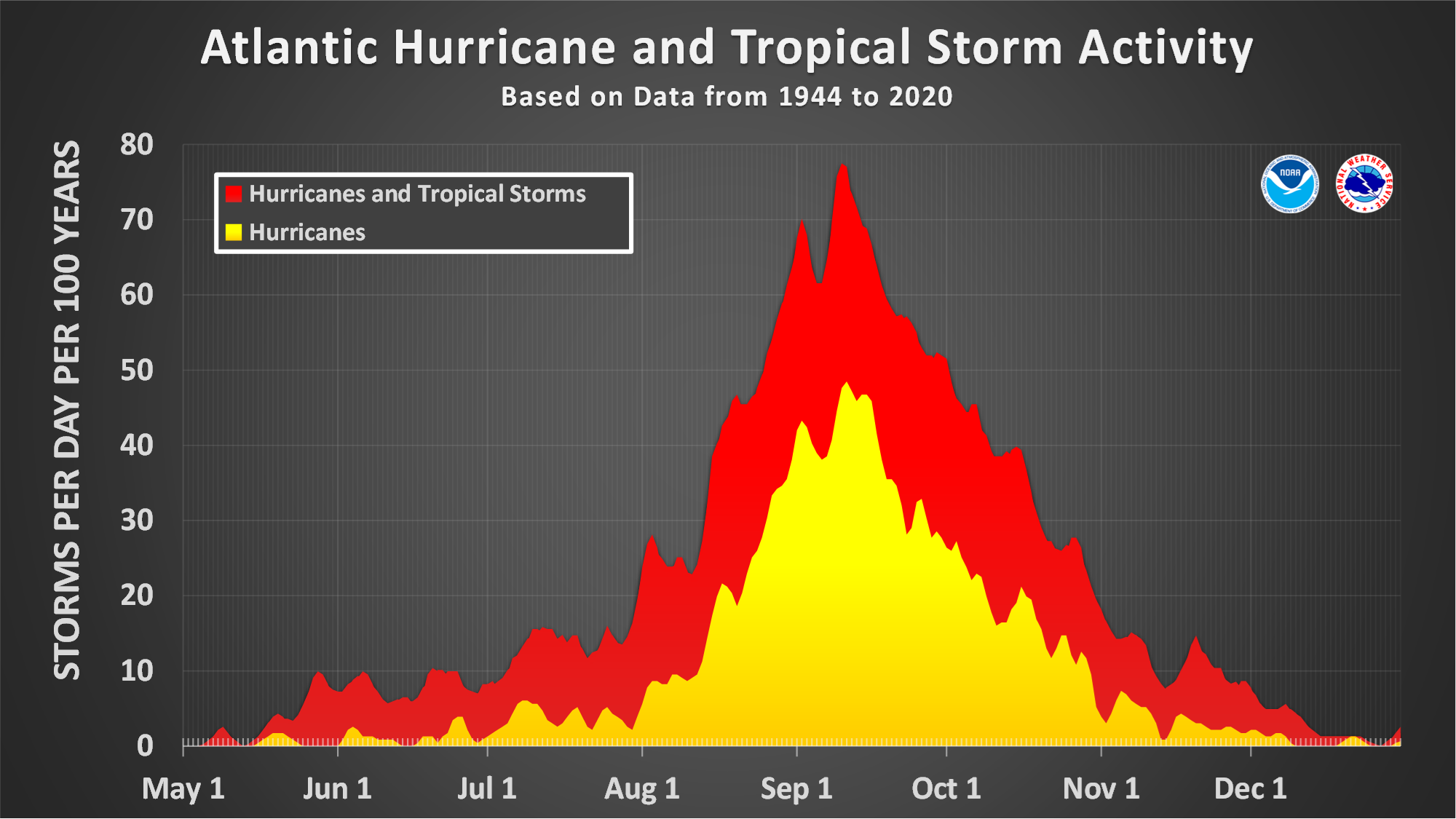
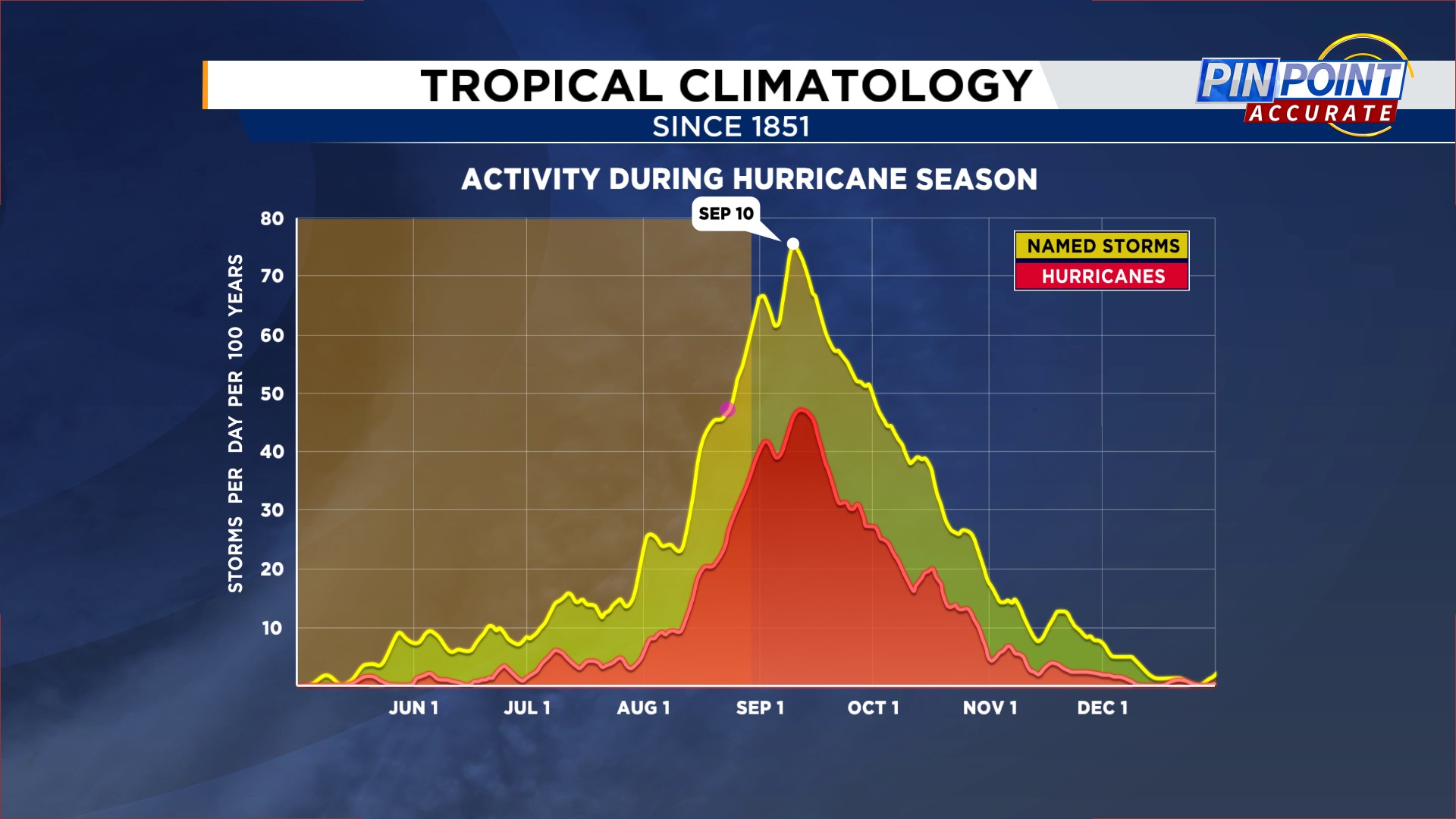
As mentioned, the hurricane season officially commences on June 1st and concludes on November 30th. These dates are chosen because they represent the period when sea surface temperatures are typically warm enough to fuel tropical cyclone development and when atmospheric conditions, such as low wind shear, are favorable. While early-season storms can occur in June and July, and late-season activity can extend into November, the most active part of the season is usually concentrated within a shorter, more intense window. For travelers, this means that while the risk technically exists for six months, the probability of encountering a major weather event fluctuates significantly throughout this period.
Historical Peak Periods
Historically, the peak of the hurricane season for Florida and the broader Atlantic basin falls between mid-August and late October, with September being the most active month. During this peak, tropical waves frequently emerge from Africa, crossing the Atlantic and often intensifying as they move westward towards the Caribbean and the United States coastline. This period is characterized by the highest number of named storms and major hurricanes. Travelers planning trips during these months should exercise the highest degree of caution and preparedness. Conversely, the early parts of June and July, and the latter half of November, tend to see less intense and less frequent activity, offering a potentially more tranquil travel experience within the official season.
Why the Dates Matter for Travelers
Knowing the official start and end dates, along with the historical peak, allows travelers to make informed decisions. Visiting Florida outside of the peak months can offer several advantages, including potentially lower travel costs, fewer crowds, and more predictable weather. However, for those whose schedules necessitate travel during the season, understanding these dates enables proactive planning. This includes researching travel insurance options, selecting accommodations with flexible cancellation policies, and staying vigilant about weather forecasts. The goal is not necessarily to avoid Florida during these months, but rather to travel responsibly and with awareness.
Navigating Travel During and After Hurricane Season
Traveling to Florida during hurricane season, particularly outside the peak, can present unique opportunities, but it also comes with inherent risks that demand careful consideration. The period immediately following the official end of the season, from December onwards, generally ushers in some of the most desirable travel conditions.
Advantages of Off-Peak Travel
Visiting Florida in early June, late November, or, ideally, from December through May, often means enjoying the state with fewer crowds and potentially more attractive pricing for flights and accommodations. The weather outside the peak hurricane season is typically more stable, with cooler temperatures, lower humidity, and abundant sunshine, especially from late fall through spring. Destinations like Miami, Orlando, and Key West often experience their peak tourist influx during these milder months, benefiting from ideal conditions for outdoor activities, beach visits, and theme park adventures. The tranquility and reduced wait times at popular attractions can significantly enhance the travel experience.
Potential Risks and How to Mitigate Them
Despite the official end on November 30th, the atmosphere can sometimes still produce tropical activity in early December, though this is rare. The primary risk during the actual season, however, is the direct impact of a hurricane or tropical storm, leading to flight cancellations, road closures, power outages, and potential damage to infrastructure and attractions. Even distant storms can generate dangerous rip currents or cause localized flooding.
Mitigation strategies are crucial:
- Stay Informed: Continuously monitor weather reports from reliable sources like the National Hurricane Center (NHC).
- Flexible Bookings: Opt for airlines and hotels offering flexible change or cancellation policies.
- Travel Insurance: Purchase comprehensive travel insurance that specifically covers hurricane-related disruptions, including trip interruption, cancellation, and medical emergencies. Read the fine print carefully to understand what is covered.
Insurance Considerations for Florida Trips
Travel insurance is not a luxury during hurricane season; it’s a necessity. Standard travel insurance policies may cover delays or cancellations due to named storms, but it’s vital to purchase the policy before a storm is named or its path is clearly defined. Once a storm receives a name, it typically becomes a “foreseen event,” and new policies purchased thereafter might not cover claims related to that specific storm. Look for policies that offer “cancel for any reason” (CFAR) coverage if you desire maximum flexibility, though these are often more expensive. Also, confirm whether the policy covers expenses for extended stays if you become stranded, or re-routing costs.
Essential Preparation for Florida Travelers
Preparation is the cornerstone of a worry-free trip to Florida, especially if your travel dates fall within or close to hurricane season. A proactive approach can transform potential disruptions into minor inconveniences.
Monitoring Weather Forecasts
Before and during your trip, make it a habit to check the weather forecasts daily. Beyond typical forecasts, pay close attention to advisories from the National Hurricane Center (NHC) and local news channels for Florida. These sources provide the most accurate and up-to-date information regarding tropical weather systems, including their potential tracks and intensities. Apps and websites from reputable weather organizations can send alerts directly to your phone, ensuring you’re always informed. Understanding the difference between a tropical depression, tropical storm, and hurricane, and their associated warnings (watch vs. warning), will help you gauge the severity of any developing situation.
Packing Smart for Unpredictable Weather
Even outside of direct hurricane threats, Florida’s tropical climate can bring sudden, heavy rain showers, particularly in the summer and early fall. Packing smart means being prepared for sun, heat, and unexpected downpours.
- Rain Gear: Include a lightweight rain jacket or umbrella.
- Quick-Drying Clothes: Opt for breathable fabrics that dry quickly.
- Waterproof Bags: Protect electronics and important documents.
- Comfortable Footwear: Sandals and water-resistant shoes are practical choices.
- Essentials Kit: If traveling during peak season, consider a small “go-bag” with essential medications, a first-aid kit, and chargers, just in case of unexpected evacuation or prolonged power outage.
Flexible Booking and Cancellation Policies
When making reservations for flights, hotels, and even tour operators, prioritize companies that offer clear and flexible cancellation or change policies. Many airlines and hotels in Florida are accustomed to hurricane season and may have specific clauses in their terms and conditions related to weather events. Always confirm these policies before booking. Inquire about refund options versus credits, and the deadlines for making changes without penalty. Having this information upfront can save you significant stress and financial loss if your travel plans need to be adjusted due to weather.
Beyond the Official End: Enjoying Florida’s Post-Season Charm
The period immediately following the end of hurricane season, from December through May, is widely considered the prime time to visit Florida. The weather conditions stabilize, offering idyllic settings for every type of traveler.
Ideal Conditions for Theme Parks and Beaches
From December onwards, Florida’s weather becomes significantly more pleasant. Humidity drops, temperatures are milder, and sunny days are abundant. This creates perfect conditions for exploring the world-famous theme parks in Orlando, such as Walt Disney World Resort and Universal Orlando Resort, without the oppressive summer heat and humidity. Similarly, the state’s iconic beaches, from South Beach in Miami to the Gulf Coast shores of St. Petersburg and Sarasota, become incredibly inviting for swimming, sunbathing, and watersports. The cooler, drier air means more comfortable exploration and fewer rain delays for outdoor activities.
Exploring Florida’s Natural Wonders
Beyond the popular attractions, Florida boasts a wealth of natural beauty that truly shines outside of hurricane season. The Everglades National Park becomes more accessible and enjoyable for airboat tours and wildlife viewing when temperatures are moderate. Kayaking, paddleboarding, and fishing in the many springs and coastal waterways around Tampa and Fort Lauderdale are particularly delightful during these months. Manatee sightings are more common in the warmer waters of natural springs as the ocean cools. The clear, calm waters and pleasant temperatures are ideal for snorkeling and diving in the Florida Keys, offering unparalleled visibility of vibrant marine life.
Cultural Events and Festivals
The post-hurricane season also ushers in a lively calendar of cultural events, festivals, and sporting events across Florida. From art fairs in South Florida to music festivals and food celebrations, there’s always something happening to enrich your travel experience. Many outdoor events that would be risky during the summer and fall months are scheduled for the stable weather of winter and spring. This offers travelers a chance to immerse themselves in local culture, sample regional cuisine, and enjoy the unique community spirit that defines different parts of the state.
In conclusion, while Florida’s hurricane season officially ends on November 30th, the implications for travelers extend throughout the year. Understanding these dates, the peak periods, and the necessary precautions allows for informed decision-making. Whether you choose to visit during the quieter parts of the season with robust preparation or opt for the idyllic post-season months, Florida stands ready to offer an unforgettable travel experience to those who plan wisely.
LifeOutOfTheBox is a participant in the Amazon Services LLC Associates Program, an affiliate advertising program designed to provide a means for sites to earn advertising fees by advertising and linking to Amazon.com. Amazon, the Amazon logo, AmazonSupply, and the AmazonSupply logo are trademarks of Amazon.com, Inc. or its affiliates. As an Amazon Associate we earn affiliate commissions from qualifying purchases.