
The Texas coastline, a vital artery for the state’s economy and a beloved destination for millions, faces an annual reckoning with the Atlantic hurricane season. Understanding when this period begins, its potential impacts, and how to prepare is crucial for residents, businesses, and visitors alike. While the official start and end dates provide a framework, the reality of hurricane activity can be more nuanced, with storms capable of forming outside these designated windows. This guide delves into the specifics of Texas hurricane season, offering insights for those planning travel, seeking accommodation, or simply wanting to stay informed about the natural forces that shape the Lone Star State.
The Gulf Coast of Texas is a vibrant region, home to bustling cities like Houston and Galveston, and a magnet for tourism with its beaches, historical sites, and unique cultural experiences. However, its low-lying geography makes it particularly vulnerable to the destructive power of hurricanes. From powerful winds and torrential rains to devastating storm surges, these meteorological events can have far-reaching consequences. Knowing when the season officially commences allows for proactive planning, from securing travel arrangements and booking resilient accommodations to understanding local emergency preparedness measures.
Understanding the Official Hurricane Season
The Atlantic hurricane season is a designated period each year when tropical cyclone activity is most likely to occur. For the entire Atlantic basin, which includes the Gulf of Mexico and the Caribbean Sea, this period officially runs from June 1st to November 30th. This timeframe is based on decades of meteorological data that show a distinct increase in storm formation and intensification during these months.
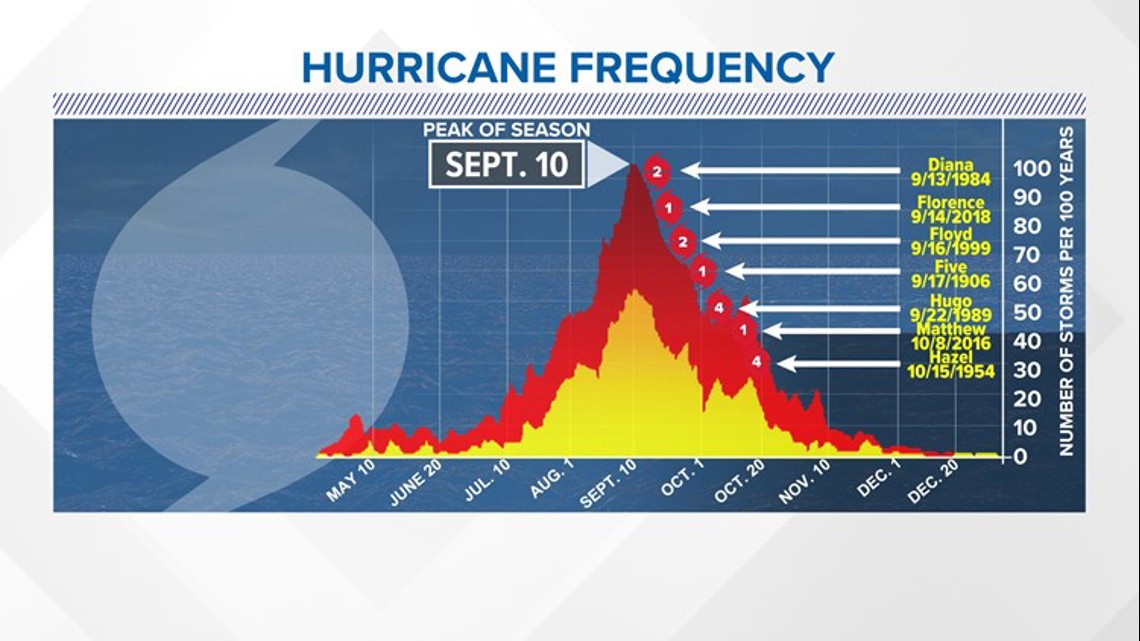
Within this broad window, the peak of hurricane season typically occurs between mid-August and late October. This is when ocean temperatures are at their warmest, providing the necessary fuel for tropical disturbances to develop into powerful hurricanes. While storms can and sometimes do form outside of these dates, the period between June 1st and November 30th represents the highest probability for significant tropical cyclone activity affecting Texas.
The Nuances of the Hurricane Season in Texas
While the official dates provide a clear guideline, it’s important to remember that hurricane season is a dynamic phenomenon. Texas can experience storms before June 1st or after November 30th, though such occurrences are less common. Early-season storms, sometimes referred to as “pre-season” storms, can emerge in late May, catching many by surprise. Similarly, late-season storms can continue to form into early December, especially if warm ocean waters persist.
The National Hurricane Center (NHC) is the primary authority for issuing advisories and forecasts related to tropical cyclones. They continuously monitor weather patterns across the Atlantic and provide updates on potential threats. For those living in or traveling to Texas, staying informed through official channels like the NHC and local emergency management agencies is paramount. This includes understanding watches, warnings, and evacuation orders when they are issued.
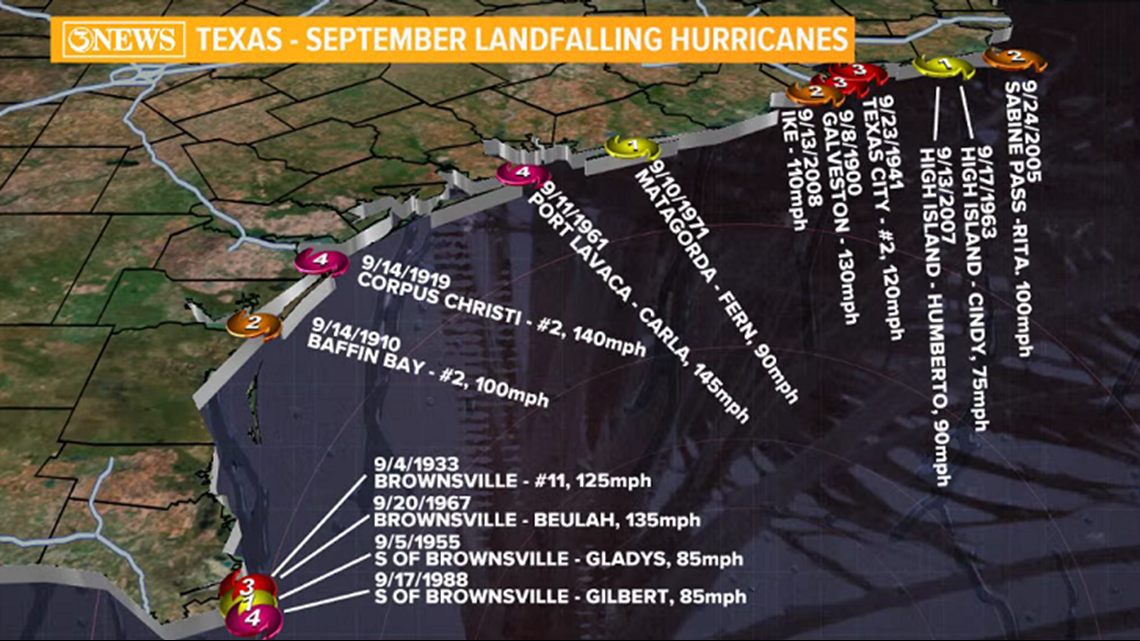
The impact of a hurricane on Texas can vary dramatically. A Category 1 storm might bring heavy rain and moderate wind damage, while a Category 5 hurricane can cause catastrophic destruction, widespread flooding, and significant loss of life. The coastal areas of Texas, including cities like Corpus Christi, South Padre Island, and Port Aransas, are particularly susceptible to storm surge, a rise in sea level caused by the hurricane’s winds pushing water ashore.
Preparing for Hurricane Season in Texas
Preparation is key to mitigating the risks associated with hurricane season. For travelers, this means being aware of the season’s timeframe when planning trips to coastal destinations. Booking accommodations with hurricane clauses or considering travel insurance that covers weather-related cancellations can provide peace of mind. Flexible travel dates or choosing destinations further inland might also be prudent during the peak months of August, September, and October.
For residents and businesses, preparation extends far beyond travel plans. It involves developing and practicing emergency evacuation plans, securing properties against high winds and flooding, and stocking up on essential supplies such as water, non-perishable food, medications, and batteries. Understanding your community’s evacuation zones and routes is a critical component of personal safety.
Accommodation and Travel Considerations
When planning a visit to the Texas Coast, particularly during the summer and fall months, it’s essential to consider accommodation options that offer safety and resilience. Luxury resorts and boutique hotels in areas like Galveston often have robust emergency preparedness plans in place. For families, finding resorts with child-friendly amenities that can also cater to potential disruptions is a wise choice. Vacation rentals, such as apartments or villas, can offer more space and flexibility, but it’s crucial to verify the property owner’s or management company’s hurricane policies and ensure they are located in a safe zone.
The types of hotels and accommodations available in Texas range from budget-friendly motels to high-end resorts. For instance, a family trip to San Antonio, while not directly on the coast, can still be affected by distant storm systems bringing heavy rain. Therefore, understanding the broader weather patterns is always advisable. If traveling by air, airlines typically issue travel advisories and offer flexible rebooking options during significant weather events. Driving requires more personal planning, including monitoring road conditions and potential closures due to flooding or debris.
When booking accommodation, always inquire about the hotel’s hurricane policy. This might include information on refunds, rebooking possibilities, or provisions for guests during an evacuation. Many hotels, like the Hilton Galveston Beachfront Hotel or Moody Gardens Hotel, are situated in areas that experience these weather events regularly and have established protocols. Comparing different booking options on platforms that allow for easy cancellation or modification can also be beneficial. For those seeking longer stays, understanding the rental agreement’s clauses regarding natural disasters is crucial.
The Impact of Hurricanes on Texas Tourism and Lifestyle
Hurricane season can significantly impact the tourism industry and the lifestyle of coastal communities in Texas. Beaches that are normally bustling with activity can become deserted, attractions might close temporarily, and local businesses can suffer substantial losses. The recovery process after a major hurricane can take months or even years, affecting the local culture, economy, and the everyday lives of its residents.
For those who live and work in these areas, hurricane season is a period of heightened awareness and preparedness. The lifestyle of coastal Texas is intrinsically linked to the ocean, and its vulnerability to hurricanes is a constant consideration. This includes everything from architectural designs of homes and businesses to the economic diversification strategies employed by coastal cities.
Experiencing Texas Beyond Hurricane Season
While hurricane season presents challenges, Texas offers a wealth of experiences throughout the year. For those seeking to avoid the peak of the season, the spring months, from March to May, offer pleasant weather for exploring the state’s diverse attractions. This is an ideal time for visiting historical landmarks like the Alamo in San Antonio, enjoying the vibrant culture of Austin, or exploring the natural beauty of Big Bend National Park.
Summer, outside of the immediate threat of a direct hit, can still be a time for enjoying Texas beaches, although the heat and humidity are significant. However, planning around potential weather disruptions is still advised. For budget travelers, visiting during the shoulder seasons or exploring inland destinations can offer great value and fewer crowds.
Luxury travel in Texas can encompass a wide range of experiences, from exclusive resorts in the Hill Country to fine dining in major cities. Even during hurricane season, many inland attractions and activities remain unaffected. Business travel to cities like Dallas or Fort Worth is generally less impacted by coastal weather events, though flight disruptions can still occur.
Ultimately, understanding when hurricane season starts in Texas is not just about knowing dates; it’s about respecting the power of nature and embracing a culture of preparedness. By staying informed, planning thoughtfully, and prioritizing safety, both residents and visitors can navigate this annual cycle and continue to appreciate the immense beauty and vibrant spirit of the Lone Star State. Whether you’re planning a leisurely vacation, a business trip, or considering a long-term stay, knowledge of hurricane season is an indispensable tool for a safe and enjoyable experience in Texas.
LifeOutOfTheBox is a participant in the Amazon Services LLC Associates Program, an affiliate advertising program designed to provide a means for sites to earn advertising fees by advertising and linking to Amazon.com. Amazon, the Amazon logo, AmazonSupply, and the AmazonSupply logo are trademarks of Amazon.com, Inc. or its affiliates. As an Amazon Associate we earn affiliate commissions from qualifying purchases.