
Chicago, often affectionately dubbed the Windy City, is renowned for its vibrant culture, stunning architecture, and world-class culinary scene. However, its weather, particularly its winter, is equally legendary. For travelers planning a visit to this dynamic Midwest metropolis, understanding when the mercury drops and what to expect from its colder months is paramount to ensuring a comfortable and enjoyable experience. While Chicago experiences four distinct seasons, the period of significant cold typically stretches from late autumn through early spring, offering a unique set of challenges and charms for those who dare to brave the chill.

Chicago’s Seasonal Chill: Understanding the Climate
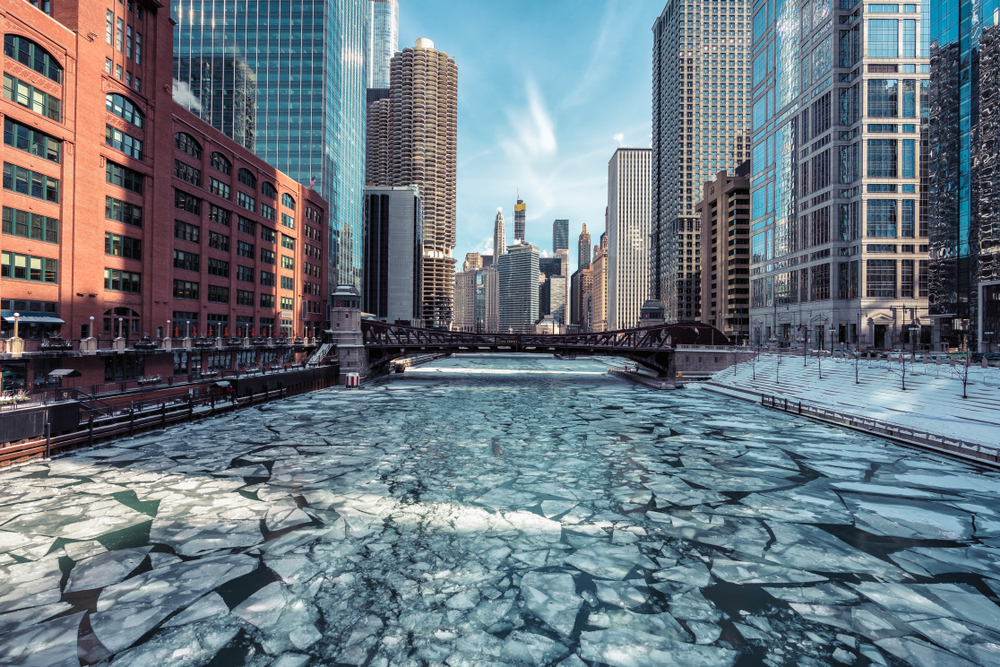
The transition into Chicago’s colder climate is a gradual process, but once winter takes hold, it does so with unwavering determination. The proximity to Lake Michigan significantly influences the city’s weather patterns, often leading to lake-effect snow and amplifying the perceived cold due to biting winds.
The Onset of Autumn’s Crispness
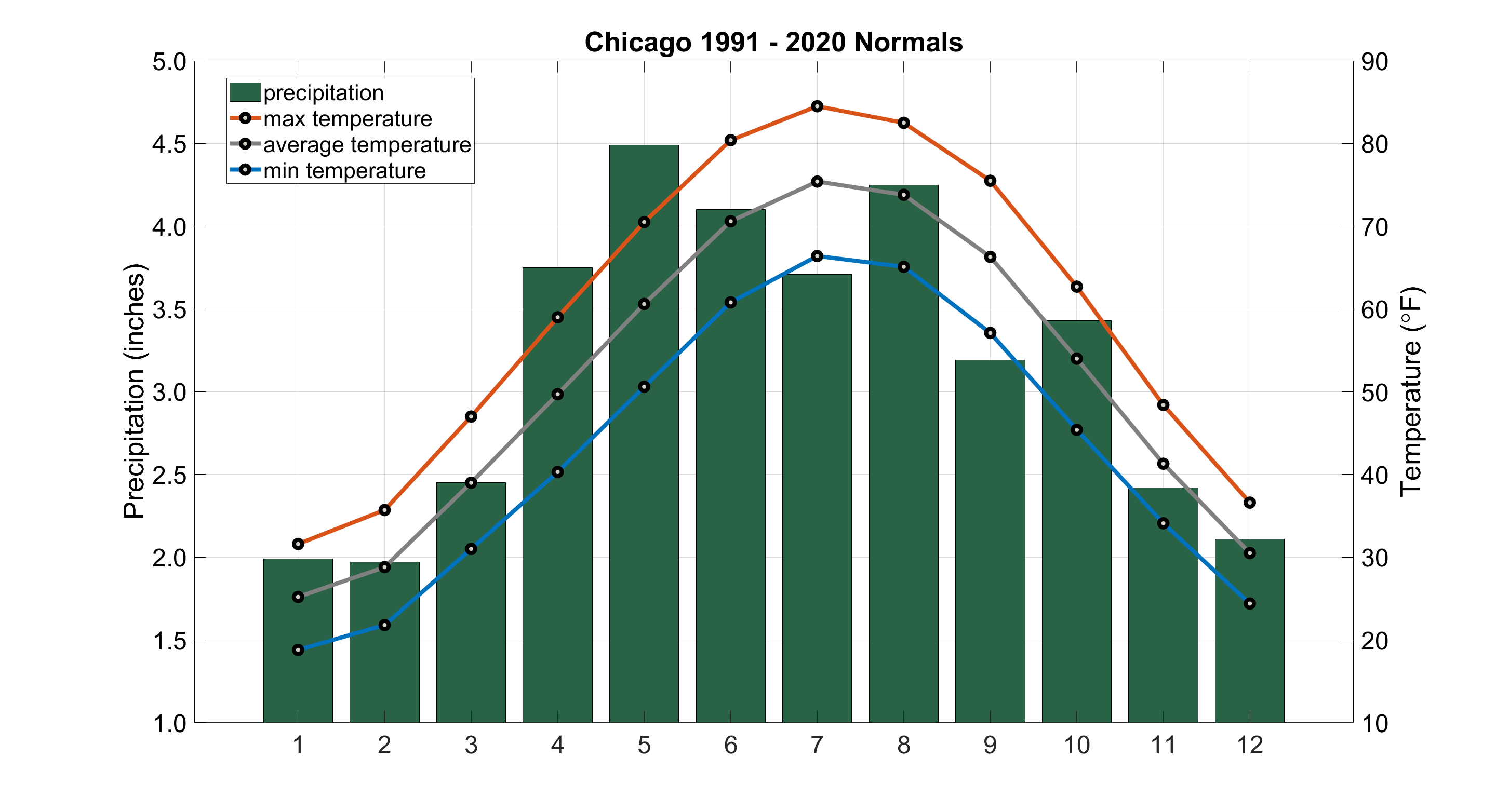
The first hints of true cold typically appear in late October. While early autumn (September and early October) often enjoys mild temperatures and beautiful fall foliage, by the end of October, average daytime highs begin to dip into the 40s°F (4-9°C), with nighttime lows frequently touching the freezing point. November accelerates this trend, with daily averages firmly entrenched in the 30s°F (0-4°C). The vibrant fall colors give way to starker landscapes, and the air carries a distinct crispness that signals the approaching deep winter. Light snowfalls can occur in November, often serving as a prelude to the heavier accumulations to come. Travelers visiting in late autumn should anticipate the need for warm coats, hats, and gloves, especially in the evenings or when near the lakefront.
Winter’s Icy Embrace: Peak Cold Months
December, January, and February are unequivocally Chicago’s coldest months. During this period, daytime temperatures often struggle to rise above freezing, frequently hovering in the 20s°F (-6 to -1°C). Nighttime temperatures can plunge well below 0°F (-18°C), especially during cold snaps. January is statistically the coldest month, with an average high of just 31°F (-0.5°C) and an average low of 16°F (-8.9°C). Heavy snowfall is common, creating picturesque winter scenes but also requiring robust winter gear. The infamous “wind chill” factor, a combination of low temperatures and strong winds, can make the actual felt temperature significantly colder, often leading to advisories from local authorities. This is when Chicago truly lives up to its Windy City moniker, as gusts sweeping off Lake Michigan can cut right through inadequate clothing.
Spring’s Lingering Bite
While March marks the beginning of spring on the calendar, Chicago’s transition out of winter is often protracted. Early March can still feel very much like winter, with average temperatures in the 30s°F (0-4°C) and continued snowfall. The thaw typically begins in earnest mid-to-late March, with temperatures gradually climbing into the 40s°F (4-9°C). April brings more consistent relief, but visitors should still be prepared for chilly days and unpredictable weather, including late-season snow showers. By May, true spring has usually arrived, with comfortable temperatures and burgeoning greenery, making it a popular time to visit before the summer heat.
Preparing for Chicago’s Cold: Essential Travel Tips
Traveling to Chicago during its colder months requires strategic packing and an understanding of how to navigate the city comfortably. The key is to stay warm, dry, and protected from the wind.
Layering Like a Local
The most crucial advice for cold-weather travel in Chicago is to dress in layers. This allows for adaptability as you move between heated indoor spaces and the frigid outdoors. Start with a moisture-wicking base layer (thermal underwear), add an insulating middle layer (fleece or wool sweater), and top it off with a waterproof and windproof outer shell. A high-quality down parka or a heavy wool coat is indispensable. Ensure your coat covers your hips for maximum warmth.
Footwear and Accessories: Your Cold-Weather Arsenal
Proper footwear is non-negotiable. Waterproof, insulated boots with good traction are essential for navigating snowy or icy sidewalks. Choose boots that are comfortable for walking, as you’ll likely be doing a lot of it. Don’t forget thick, wool socks. Accessories play a vital role in protecting exposed skin. A warm hat that covers your ears, a thick scarf (preferably wool or cashmere) to shield your neck and face from the wind, and waterproof gloves or mittens are absolute must-haves. Hand warmers can also be a game-changer for extended periods outdoors.
Navigating the Windy City in Winter
Chicago’s public transportation system is efficient and largely protected from the elements. The ‘L’ train and bus system are excellent ways to get around without prolonged exposure to the cold. Many downtown buildings, especially in the Loop and River North areas, are connected by pedestrian tunnels or elevated walkways, offering respite from the cold. Taxis and ride-sharing services are readily available for direct door-to-door transport, minimizing outdoor time. Always check the weather forecast before heading out and factor in extra travel time if snow or ice is expected.
Embracing the Cold: Unique Winter Experiences in Chicago
While the cold can be intense, it also transforms Chicago into a winter wonderland, offering unique experiences that are just as captivating as its summer offerings. Many of the city’s iconic attractions are perfectly suited for cold weather.
Indoor Sanctuaries: Museums and Galleries
Chicago boasts some of the world’s finest museums, providing ideal indoor escapes from the chill. Spend a day exploring the vast collections at the Art Institute of Chicago, delve into natural history at the Field Museum, marvel at marine life at the Shedd Aquarium, or discover innovation at the Museum of Science and Industry. Observation decks like 360 Chicago (at 875 N Michigan Avenue) or Skydeck Chicago (at the Willis Tower) offer breathtaking skyline views from heated interiors. For those seeking warmth and nature, the Garfield Park Conservatory and Lincoln Park Conservatory provide lush, tropical environments year-round.
Culinary Comforts and Cozy Cafes
Chicago’s culinary scene truly shines in the colder months. Warm up with a hearty deep-dish pizza from institutions like Lou Malnati’s or Giordano’s. Explore the city’s diverse neighborhoods for comforting international cuisine, from ramen to pho. Cozy cafes offer perfect spots to sip hot chocolate or artisanal coffee, watching the snow fall outside. The city’s robust bar scene also provides plenty of inviting atmospheres to enjoy craft cocktails or local brews.
Outdoor Wonders: Skating and Markets
Despite the cold, some outdoor activities are quintessential Chicago winter experiences. Ice skating is a beloved tradition, with popular rinks at Millennium Park’s McCormick Tribune Plaza & Ice Rink and the Skating Ribbon at Maggie Daley Park. Witnessing the famous Cloud Gate sculpture (aka The Bean) dusted with snow offers a uniquely serene photo opportunity. From late November through December, the traditional German Christkindlmarket transforms Daley Plaza into a festive outdoor market, perfect for holiday shopping and enjoying warm Glühwein. A bundled-up stroll along the Magnificent Mile or State Street to admire the dazzling holiday lights is also a magical experience. Even Navy Pier offers indoor attractions and festive decorations during the colder seasons.
Planning Your Cold-Weather Getaway: Best Times to Visit
The “best” time to visit Chicago when it’s cold depends on your tolerance for frigid temperatures and your desired activities.
Budget-Friendly Winter Travel
For travelers seeking a more budget-friendly experience, the deepest winter months of January and February often see lower hotel rates and fewer crowds compared to the bustling summer or holiday seasons. While the cold is most intense, this period offers the best value for flights and accommodations, allowing more resources for indoor attractions and culinary delights.
Avoiding the Harshest Conditions
If you want to experience Chicago’s colder side without the biting extremes of mid-winter, consider visiting in late October, November, or early March. These shoulder seasons offer a taste of Chicago’s chill without the consistent sub-freezing temperatures and heavy snowfall of peak winter. You’ll still need warm clothing, but the conditions are generally more manageable, and you can catch the tail end of fall foliage or the beginning of spring’s awakening.
Ultimately, Chicago’s cold weather is an integral part of its identity. With proper preparation and a willingness to embrace the unique atmosphere it creates, a winter visit to the Windy City can be an incredibly rewarding and memorable travel experience, revealing a different, yet equally captivating, side of this incredible destination.
LifeOutOfTheBox is a participant in the Amazon Services LLC Associates Program, an affiliate advertising program designed to provide a means for sites to earn advertising fees by advertising and linking to Amazon.com. Amazon, the Amazon logo, AmazonSupply, and the AmazonSupply logo are trademarks of Amazon.com, Inc. or its affiliates. As an Amazon Associate we earn affiliate commissions from qualifying purchases.