
Alaska, often referred to as “The Last Frontier,” is a land of unparalleled natural beauty, extreme climates, and fascinating phenomena, not least of which is its dramatic shift in daylight hours. For tourists planning a visit, understanding when it gets dark – or, conversely, when it stays light – is not merely a matter of curiosity; it’s fundamental to planning activities, packing appropriately, and truly embracing the unique experience of the 49th state. From the dazzling “Midnight Sun” of summer to the prolonged twilight of winter, Alaska’s light cycles offer a spectacle that profoundly shapes local culture, activities, and the very rhythm of life. This guide will delve into these light phenomena, offering crucial insights and tips for visitors to make the most of their Alaskan adventure, regardless of the season.
The Phenomenon of Alaskan Daylight: A Tourist’s Guide
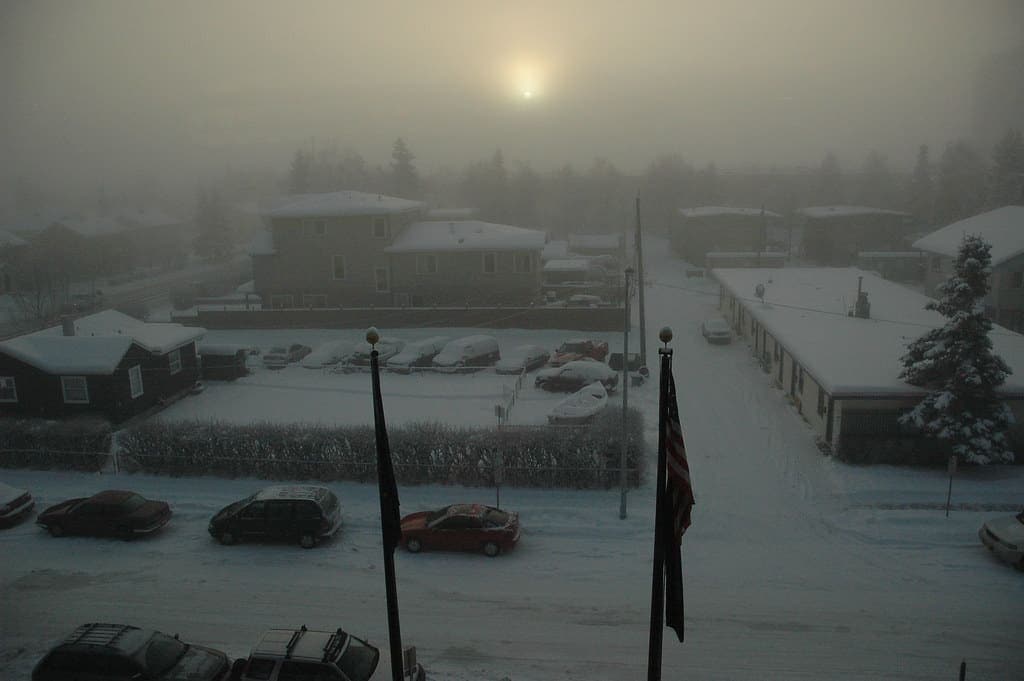
The question “When does it get dark in Alaska?” doesn’t have a simple answer, as it varies wildly depending on the time of year and your specific location within the vast state. Alaska’s extreme northern latitude is the primary driver of these remarkable light cycles, creating conditions unlike almost anywhere else on Earth.
Understanding Latitude and the Arctic Circle
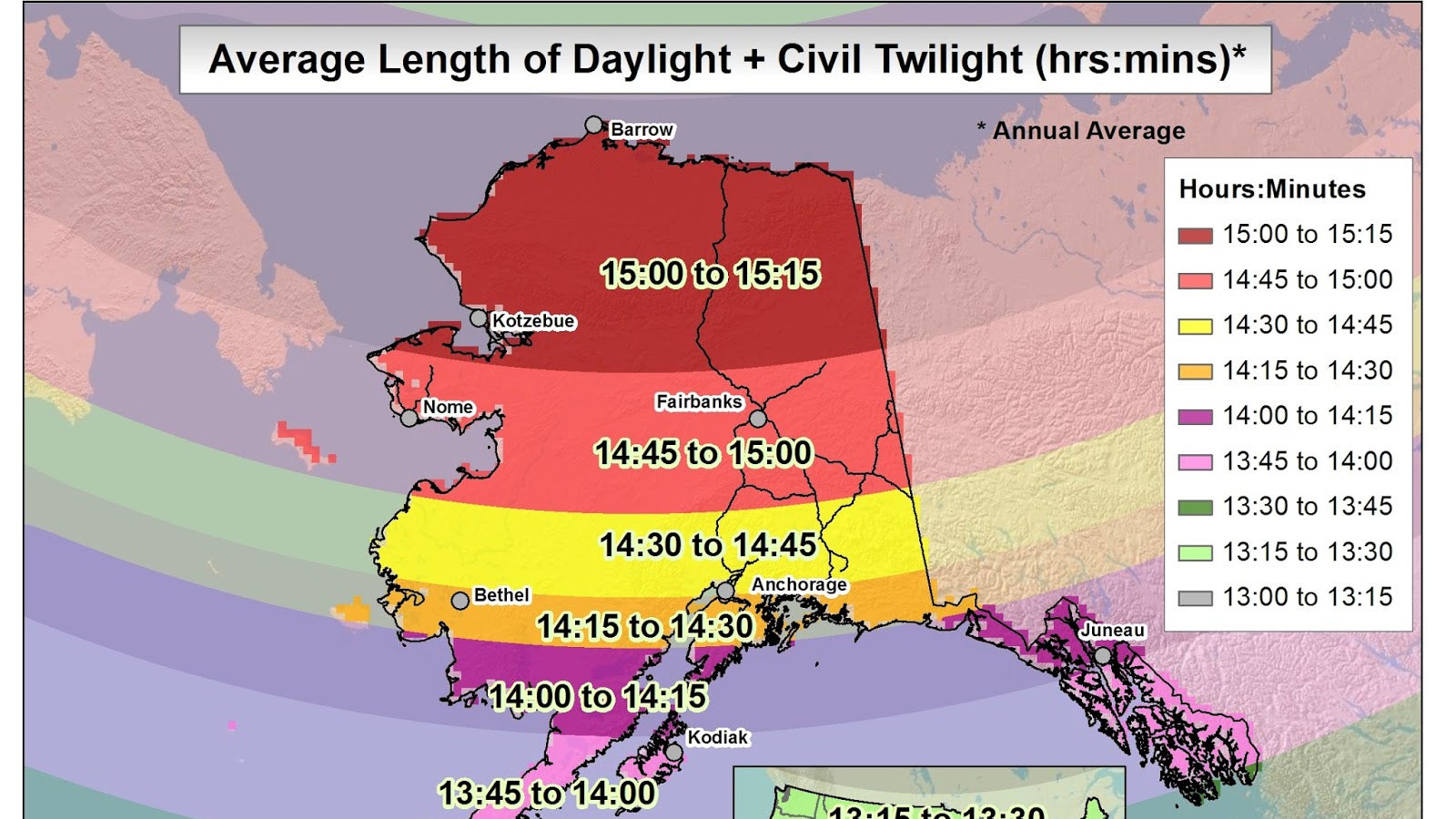
Alaska stretches across an expansive latitudinal range, from approximately 51°N at its southernmost point in the Aleutian Islands to nearly 71°N at its northernmost tip in Utqiaġvik (formerly known as Barrow). This high latitude means that the tilt of the Earth’s axis, relative to its orbit around the sun, has a profound effect on the length of day and night. The further north you travel, especially above the Arctic Circle (roughly 66.5°N), the more extreme these variations become.
Above the Arctic Circle, the sun either doesn’t set for an extended period in summer (the “Midnight Sun”) or doesn’t rise for an extended period in winter (the “Polar Night”). Even south of the Arctic Circle, cities like Anchorage and Fairbanks experience incredibly long summer days and dramatically short winter days. This unique geographical positioning is what transforms the everyday concept of sunrise and sunset into an extraordinary natural spectacle for tourists.
Seasonal Extremes: From Midnight Sun to Polar Night
The shift from the bright, almost endless days of summer to the dim, prolonged nights of winter is not gradual in Alaska; it’s a pronounced and often rapid transition.
During the summer solstice around June 21st, regions north of the Arctic Circle experience 24 hours of daylight, with the sun merely dipping towards the horizon before rising again. Even in Anchorage, located much further south, daylight can extend for nearly 19 hours, with lingering twilight making true darkness a rarity.
Conversely, the winter solstice around December 21st plunges the northern parts of Alaska into the Polar Night, where the sun remains below the horizon for weeks or even months. Cities like Fairbanks, though south of the Arctic Circle, might see only 3-4 hours of direct daylight, often feeling more like a prolonged twilight. These dramatic seasonal swings are central to the Alaskan experience and significantly influence the best times for various tourist activities.
Summer in Alaska: Embracing the Endless Light (June – August)
Summer is Alaska’s peak tourist season, largely due to the abundant daylight that offers an extended playground for exploration. The concept of “dark” takes on a whole new meaning, often referring to a brief period of deep twilight rather than true nighttime.
The Midnight Sun: Maximizing Your Activities
The “Midnight Sun” is perhaps the most iconic phenomenon of an Alaskan summer. For weeks, especially in June and July, the sun barely sets, allowing for an incredible extension of outdoor activities. In Fairbanks, the second-largest city and close to the Arctic Circle, you can play golf at midnight without artificial lights. Further north in Utqiaġvik, the sun stays above the horizon for over 80 consecutive days.
For tourists, this translates into unparalleled opportunities:
- Extended Exploration: You can embark on hiking trails in Denali National Park, go fishing in the abundant rivers and lakes, or take wildlife viewing tours well into what would typically be evening hours. The long daylight allows for more ground to be covered and more sights to be seen without rushing.
- Unique Experiences: Imagine a late-night sea kayaking trip in Seward, a glacier cruise in Prince William Sound at 10 PM, or a scenic flight over the Alaska Range when the light is perpetually golden. These are experiences unique to the Midnight Sun.
- Festival Fun: Local communities celebrate the Midnight Sun with various events. The Midnight Sun Festival in Fairbanks is a highlight, offering street fairs, live music, and sports tournaments around the clock.
Tips for Tourists:
- Managing Sleep: The constant daylight can disrupt circadian rhythms. Pack an eye mask and consider booking accommodations with good blackout curtains.
- Embrace the Hours: Don’t feel constrained by typical daylight hours. Many shops, restaurants, and tour operators extend their hours to cater to the endless light.
- Photography: The soft, perpetual golden hour light is a photographer’s dream. Be prepared to take stunning photos at any “time of day.”
Peak Tourist Season: What to Expect
The summer months, particularly July and August, are when Alaska truly comes alive with tourists. The favorable weather and extended daylight make it the most popular time to visit.
- Crowds and Bookings: Expect higher prices and larger crowds at popular attractions, national parks, and cruise ports. It is essential to book accommodations, flights, and popular tours well in advance.
- Cruise Popularity: The Alaska cruise season thrives during this period, with ships navigating the Inside Passage and Gulf of Alaska, allowing passengers to enjoy the stunning scenery in abundant light.
- Outdoor Activities: Whether it’s bear viewing in Katmai National Park, salmon fishing in Ketchikan, or exploring Juneau’s glaciers, summer is the prime time for almost all outdoor adventures.
Winter in Alaska: Navigating the Extended Darkness (November – February)
While summer dazzles with its light, winter offers a completely different, equally magical experience defined by its extended periods of darkness and the ethereal glow of the Northern Lights.
The Polar Night and Its Allure
During the winter months, particularly from November through January, the days grow dramatically shorter, and in the northernmost parts of Alaska, the sun may not rise above the horizon at all for several weeks. This is the Polar Night. Even in Anchorage and Fairbanks, daylight is limited, often feeling like a perpetual twilight with only a few hours of direct sunlight, if any, around midday.
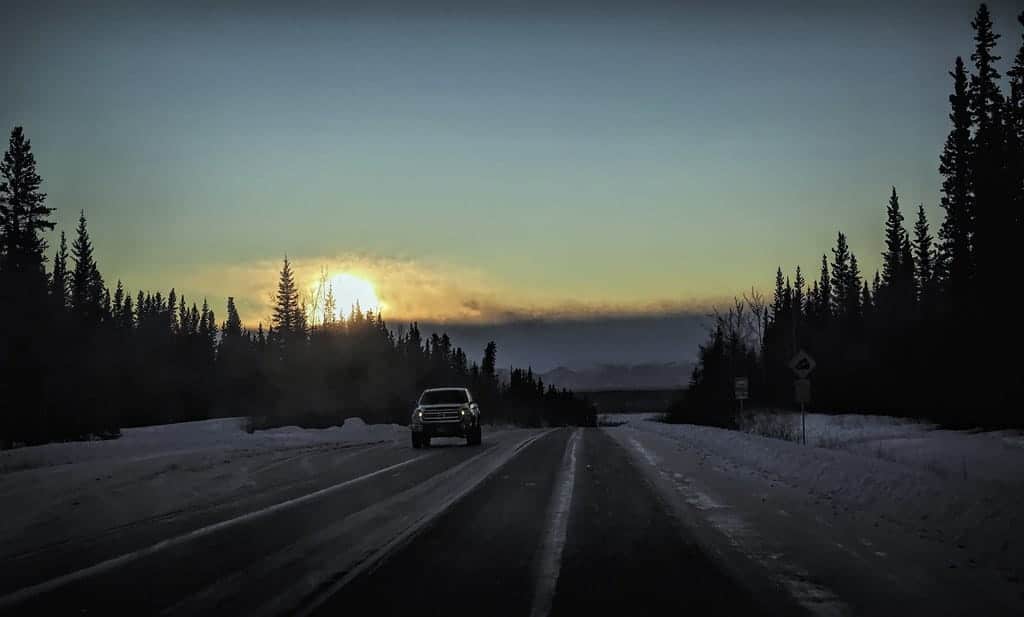
However, this darkness is not desolate; it holds a profound and unique allure for tourists:
- Serene Beauty: The snow-covered landscapes under the soft, diffused winter light or the dramatic hues of dawn and dusk, which can last for hours, create a tranquil and deeply contemplative atmosphere.
- Cozy Culture: The local culture adapts to the darkness with cozy lodges, warm drinks, and indoor activities. It’s a time for community, storytelling, and appreciating the quiet beauty.
Tips for Tourists:
- Embrace the Light (or Lack Thereof): View the extended darkness not as a hindrance but as an integral part of the Alaskan winter experience.
- Stay Warm: Layered clothing is paramount. Temperatures can drop significantly.
- Light Therapy: Some tourists find a portable light therapy lamp helpful for maintaining energy levels during prolonged darkness, though many find the natural rhythms of Alaskan winter quite invigorating.
Chasing the Northern Lights: A Tourist’s Dream
The extended darkness of winter is the key ingredient for witnessing one of nature’s most spectacular displays: the Aurora Borealis, or Northern Lights. Alaska is one of the best places in the world to see them.
- Prime Viewing: From late August through April, with peak activity often in the coldest, darkest months of December to March, the clear, dark skies make Alaska a prime viewing destination.
- Best Locations: Fairbanks, due to its proximity to the Arctic Circle and position under the “auroral oval,” is consistently rated one of the top spots globally for Northern Lights viewing. Other good locations include Anchorage (though less frequent) and remote lodges north of Fairbanks.
- Tours and Guides: Many tour operators specialize in Northern Lights excursions, offering warm viewing locations, expert guides, and photography tips. Joining a tour increases your chances of a successful sighting and provides warmth and comfort.
Winter Activities Beyond the Lights
While the Northern Lights are a major draw, Alaska’s winter offers a wealth of other activities that thrive in the cold and darkness:
- Dog Sledding: Experience this iconic Alaskan sport firsthand, either on a short tour or a multi-day expedition.
- Skiing and Snowboarding: Alyeska Resort near Girdwood offers world-class slopes, often with night skiing options under floodlights.
- Ice Sculpting and Festivals: Cities like Fairbanks host international ice sculpting competitions, transforming ice into dazzling works of art that glow in the dim winter light.
- Snowshoeing and Snowmobiling: Explore pristine winter landscapes, often with the added magic of moonlight or the faint glow of aurora.
Shoulder Seasons: The Transitional Beauty (March – May & September – October)
The shoulder seasons offer a unique blend of experiences, with transitional light cycles providing their own distinct advantages for tourists. These periods often present a quieter, more intimate side of Alaska.
Spring’s Return: Lengthening Days and Awakening Wildlife
From March to May, Alaska slowly emerges from winter’s grip. Days rapidly lengthen, and the amount of daylight increases dramatically each week.
- Lingering Aurora, Emerging Wildlife: Early spring still offers opportunities for Northern Lights viewing, especially in March and early April, combined with increasing daylight hours for other activities. As the snow begins to melt, wildlife starts to become more active.
- Fewer Crowds, Better Deals: This period typically sees fewer tourists than peak summer, meaning potentially lower prices for flights and accommodations, and a more relaxed atmosphere.
- Transitioning Activities: You can still enjoy winter sports in early spring, while late spring opens up opportunities for hiking on thawing trails and early season fishing.
Autumn’s Golden Glow: Shorter Days and Fall Foliage
September and October bring a rapid shortening of days, painting the landscape in vibrant hues of gold, red, and orange as the leaves change.
- Spectacular Scenery: The fall foliage in Alaska is breathtaking, particularly around Talkeetna and the Alaska Range. The rapidly receding daylight creates dramatic shadows and intense colors, perfect for photography.
- Wildlife Viewing: Autumn is an excellent time for wildlife viewing as animals, especially bears, are actively feeding in preparation for winter.
- Northern Lights Return: With the longer nights, the Northern Lights make a strong return. September, in particular, is often considered one of the best months for aurora viewing due to pleasant temperatures and increasing darkness.
- Last Chance for Summer Activities: Some summer tours and activities might still be running in early September, offering a final opportunity before winter sets in.
Practical Tips for Tourists: Adapting to Alaskan Daylight Cycles
Understanding the light cycles is just the first step; adapting to them is key to a successful Alaskan tourist experience.
Managing Sleep and Circadian Rhythms
For many visitors, the extreme daylight variations can be a challenge.
- Blackout Curtains: In summer, these are non-negotiable for a good night’s sleep. Most hotels and B&Bs cater to this, but consider packing a travel eye mask for extra assurance.
- Routine: Try to maintain a consistent sleep schedule regardless of the light, especially in summer.
- Light Therapy: In winter, some visitors find a light therapy lamp helpful for boosting mood and energy during the darkest days, though most adjust naturally to the beautiful winter light.
Planning Activities and Photography
The light profoundly influences how you plan your days and capture memories.
- Summer Flexibility: In summer, the long daylight means you can pack more into your day. Plan early morning hikes or late-night wildlife watches. The “golden hour” for photography can last for hours.
- Winter Strategy: In winter, prioritize daylight activities for the brief window of natural light. Save indoor attractions or Northern Lights chasing for the long evenings. Photography requires higher ISO settings and wider apertures due to low light.
Safety and Preparedness
The extremes of light and dark also impact safety considerations.
- Layered Clothing: Essential year-round, but especially in winter when temperatures can plummet.
- Headlamps/Flashlights: Crucial for winter exploration, even in towns, as sidewalks and trails can be dark.
- Sun Protection: In summer, even with cloudy skies, the sun’s rays can be intense, especially near glaciers or water. Sunglasses and sunscreen are a must.
Embracing the Unique Alaskan Experience
Ultimately, Alaska’s peculiar light cycles are not something to be endured but to be celebrated. Whether you’re basking in the endless glow of the Midnight Sun or marveling at the Northern Lights dancing across a vast, dark sky, these phenomena are central to what makes Alaska an extraordinary destination. By understanding and preparing for these unique conditions, tourists can ensure their trip to The Last Frontier is not just memorable, but truly transformative.
LifeOutOfTheBox is a participant in the Amazon Services LLC Associates Program, an affiliate advertising program designed to provide a means for sites to earn advertising fees by advertising and linking to Amazon.com. Amazon, the Amazon logo, AmazonSupply, and the AmazonSupply logo are trademarks of Amazon.com, Inc. or its affiliates. As an Amazon Associate we earn affiliate commissions from qualifying purchases.