
California, often celebrated as the Golden State, is synonymous with perpetual sunshine, endless beaches, and a vibrant outdoor lifestyle. Yet, beneath this glittering façade lies a climate far more complex and diverse than many realize. While the image of sun-drenched days holds true for a significant portion of the year, particularly in its southern regions, understanding California’s rainfall patterns is crucial for anyone planning to visit, live, or even just dream about this iconic corner of the United States. From its snow-capped mountains to its arid deserts and its sprawling coastlines, the timing and intensity of rain can dramatically shape travel experiences, influencing everything from the best time for a beach getaway to the ideal season for exploring national parks or indulging in a luxurious wine country retreat.
For travelers, knowing when to expect rain in California isn’t just about packing an umbrella; it’s about unlocking the full potential of their journey. It informs decisions about booking accommodation, planning itineraries, and even discovering hidden gems that thrive in different weather conditions. This guide delves into the nuances of California’s rainy seasons, offering insights that will help you craft the perfect trip, whether you’re seeking winter adventures, spring wildflowers, summer festivals, or autumn harvests.
Understanding California’s Unique Climate
California’s climate is famously diverse, but its overarching pattern is characterized by a specific type of weather system. This system dictates when and where rain is most likely to fall, profoundly impacting the state’s natural landscapes and, consequently, its tourism appeal.
The Mediterranean Pattern: Wet Winters, Dry Summers
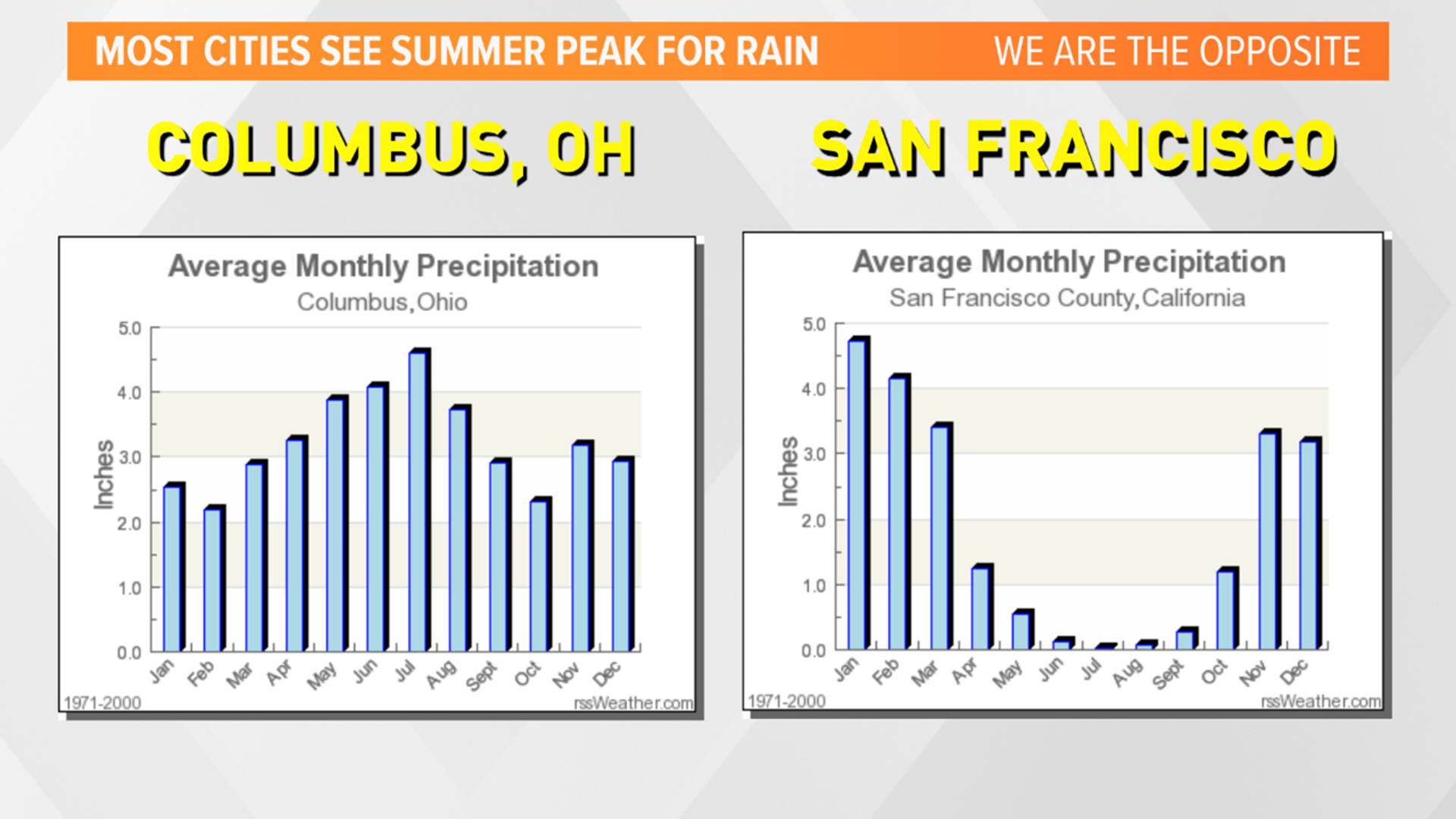
At its core, much of California experiences a Mediterranean climate. This distinct pattern is defined by two primary characteristics: cool, wet winters and warm, dry summers. Unlike many other regions of the world where precipitation is more evenly distributed throughout the year, California receives the vast majority of its annual rainfall between November and March. During these months, storm systems typically roll in from the Pacific Ocean, bringing much-needed moisture to the state.
The dry summers are a hallmark of this climate, often extending from late spring through early autumn. This period is characterized by stable, high-pressure systems that push storm tracks north, leaving California basking in sunshine for months on end. This consistent dryness is what allows for the state’s legendary outdoor lifestyle and makes it a magnet for summer tourism, but it also creates significant challenges, particularly concerning water resources and wildfire risk.
Regional Variations: From Deserts to Mountains
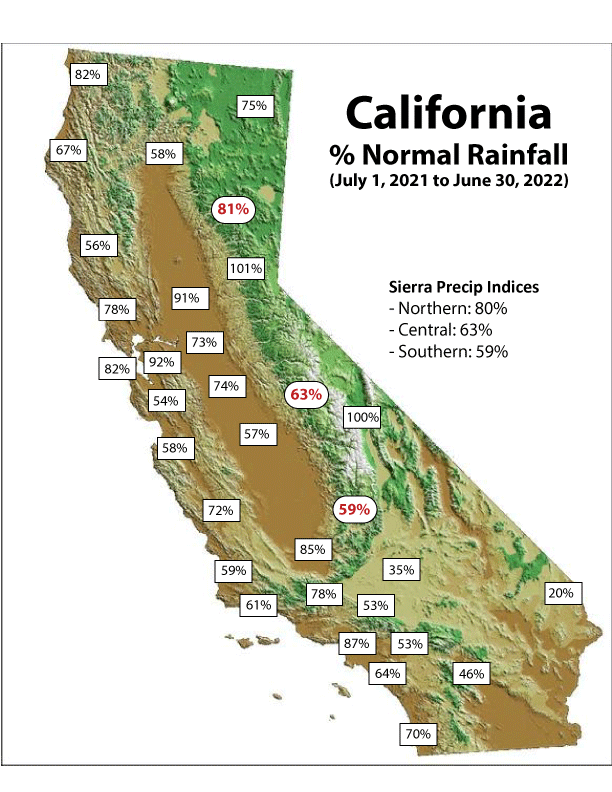
While the Mediterranean pattern provides a general framework, California’s immense geographical diversity means that rainfall can vary dramatically from one region to another.
- Coastal Areas (e.g., Los Angeles, San Francisco, San Diego): These regions experience the classic wet winter, dry summer pattern. Northern California coastal cities like San Francisco typically receive more rainfall than their Southern California counterparts like San Diego or Los Angeles. The rain here is often moderate, interspersed with clear days, perfect for visiting landmarks like the Golden Gate Bridge or Alcatraz Island between showers.
- Mountain Ranges (e.g., Sierra Nevada, Cascade Range): Higher elevations receive significant precipitation, primarily as snow, during the winter months. This snowpack is vital for California’s water supply and fuels its renowned ski resorts like those around Lake Tahoe and Mammoth Lakes. Popular destinations like Yosemite National Park transform into winter wonderlands, offering different attractions during the colder, wetter season.
- Central Valley (e.g., Sacramento): This vast agricultural heartland also follows the wet winter, dry summer trend, with temperatures generally more extreme than coastal areas. While it sees less dramatic mountain snowfall, it receives crucial winter rains for its crops.
- Deserts (e.g., Mojave Desert, Death Valley): California’s deserts are, by definition, arid, receiving very little rainfall year-round. When rain does occur, it’s often in brief, intense downpours that can lead to flash floods, especially during the late summer monsoon season, though this is less predictable and less substantial than winter rains further north. Even here, winter is the slightly “wetter” season. Palm Springs, for example, experiences minimal rain, making it an ideal sunny escape even in the “rainy season” for other parts of the state.
Seasonal Impact on California Travel and Tourism
Understanding California’s rainfall patterns is fundamental to planning any trip to the state. Each season offers a distinct set of experiences, influenced heavily by the weather. Tailoring your travel plans, accommodation choices, and activity selections to the prevailing climate will ensure a more enjoyable and fulfilling visit.
Winter Rains: Cozy Escapes and Snow Adventures (November – March)
Winter is undeniably California’s rainy season. From November through March, particularly in Northern California and along the central coast, you can expect regular rainfall. While this might deter some, it opens up a world of unique travel opportunities.
- Tourism & Experiences: The rain rejuvenates the landscape, turning golden hillsides vibrant green. This is the perfect time for cozy getaways. Imagine sipping world-class wines in a Napa Valley or Sonoma County tasting room, warmed by a fireplace, or exploring charming coastal towns like Monterey and Santa Cruz with fewer crowds. For those seeking active adventures, winter means prime skiing and snowboarding in the Sierra Nevada, with resorts like those around Lake Tahoe and Mammoth Lakes in full swing. Even in Yosemite National Park, the majestic granite cliffs and towering Sequoia trees are transformed by a blanket of snow, offering serene beauty and opportunities for snowshoeing or cross-country skiing.
- Accommodation: Winter is often considered the “off-season” for many coastal and desert destinations (excluding ski resorts), meaning potentially lower prices for hotels, suites, and villas. This is an excellent time for budget-conscious travelers to secure luxury accommodations. Resorts and boutique hotels with spas, indoor pools, and upscale dining become particularly appealing. For family trips, renting a cabin near a ski resort or a cozy rental with board games and a fireplace offers a memorable experience.
- Lifestyle: Embrace a slower pace. Enjoy indoor attractions like museums in San Francisco or Los Angeles, including the Griffith Observatory. This is also a fantastic time for food tourism, as seasonal ingredients shine in farm-to-table restaurants.
Spring’s Unpredictable Charm: Wildflowers and Fresh Air (April – May)
As winter gives way to spring, California’s weather becomes a bit more unpredictable. While the bulk of the heavy rains subside, occasional spring showers are common, especially in April.
- Tourism & Experiences: Spring is arguably one of the most beautiful times to visit. The winter rains have left the landscapes lush and green, and wildflowers burst into bloom, creating spectacular displays in places like Antelope Valley California Poppy Reserve or along the Big Sur coast. Hiking and outdoor activities become increasingly popular as temperatures rise and the air remains crisp and clean. Waterfalls in Yosemite National Park are at their most powerful due to snowmelt.
- Accommodation: This shoulder season offers a sweet spot for accommodation. Prices generally start to rise but haven’t reached peak summer rates. Many resorts and hotels offer enticing packages as the weather improves. It’s an ideal time for a relaxed family trip before the summer crowds arrive, with more flexibility for booking desirable suites or apartments.
- Lifestyle: Spring is perfect for active travelers. Cycling, exploring vineyards in Napa Valley, or enjoying coastal drives are all enhanced by the comfortable temperatures and vibrant scenery. Local culture events and farmers’ markets begin to flourish.
Summer’s Golden Dryness: Beach Days and Outdoor Fun (June – September)
Summer in California is almost universally dry, hot, and sunny. Rain is extremely rare, especially in Southern California and the Central Valley.
- Tourism & Experiences: This is peak tourist season, and for good reason. Days are long, temperatures are warm (sometimes hot, especially inland), and the weather is reliably clear. It’s the quintessential time for beach holidays, surfing, theme parks like Disneyland in Anaheim, and exploring Hollywood. National Parks like Yosemite National Park and Redwood National Park are fully accessible, offering extensive hiking and camping opportunities. Music festivals and outdoor concerts abound.
- Accommodation: Demand for hotels, resorts, and vacation rentals is at its highest, leading to peak pricing. Booking well in advance is essential, particularly for popular coastal destinations or major cities. Many establishments offer family-friendly amenities and extensive activity programs. Luxury travel thrives during this period, with high-end resorts and villas catering to those seeking lavish summer escapes.
- Lifestyle: Summer is all about outdoor living – barbecues, al fresco dining, swimming, and exploring California’s vast natural playgrounds. While ideal for many, it’s also important to be mindful of heat, especially in desert regions like Death Valley or Palm Springs, where temperatures can be extreme.

Autumn’s Gentle Transition: Harvests and Fall Foliage (October)
October typically marks a gentle transition in California’s weather. While usually still largely dry, especially early in the month, the first significant rains of the season might begin to appear towards the end of October, primarily in the northern parts of the state.
- Tourism & Experiences: This is another shoulder season beloved by many for its pleasant temperatures and changing colors, particularly in mountainous regions and wine country. Napa Valley and Sonoma County are buzzing with harvest festivals, and the vineyards display beautiful autumn hues. It’s a fantastic time for hiking and scenic drives along routes like Big Sur, with fewer crowds than summer and comfortable weather.
- Accommodation: Hotel and resort prices start to moderate after the summer rush, offering good value for discerning travelers. It’s an excellent time for a romantic getaway or a luxury trip focused on culinary experiences and relaxation.
- Lifestyle: Enjoy the crisp air, explore local farms and pumpkin patches, and savor the last of the outdoor dining before winter sets in. It’s a perfect blend of comfortable weather and vibrant cultural activities.
Planning Your California Trip Around the Weather
Navigating California’s diverse climate requires thoughtful planning, especially when it comes to maximizing your travel experience. By understanding the typical weather patterns, you can make informed decisions about destinations, accommodations, and activities.
Choosing the Right Destination for the Season
- For Winter Rains/Snow: If you love winter sports or cozy indoor experiences, head to the Sierra Nevada for skiing or explore the cultural attractions of San Francisco or Los Angeles. The rain in these cities usually comes in bursts, allowing for breaks to visit museums or enjoy culinary tours.
- For Spring Wildflowers: Focus on central and Southern California for stunning wildflower superblooms. Desert regions like Anza-Borrego Desert State Park also come alive after winter rains.
- For Summer Sunshine: Coastal cities like Santa Monica, San Diego, and Laguna Beach are ideal for beach lovers. Inland regions can be very hot, so plan activities accordingly or opt for early mornings and evenings.
- For Autumn Harvests/Colors: Napa Valley, Sonoma County, and the Eastern Sierra near Mammoth Lakes offer spectacular fall foliage and wine-tasting experiences.
Accommodation Considerations: Rain or Shine
Your choice of accommodation should also align with the season and anticipated weather.
- Winter: Look for hotels or resorts with excellent indoor amenities, such as spas, fine dining, cozy lounges, or even in-room fireplaces. Consider boutique hotels for a more intimate experience or luxury resorts for indulgent comfort. For family trips, apartments or villas with well-equipped kitchens and living spaces can be perfect for weathering a rainy day.
- Spring/Autumn: These shoulder seasons offer more flexibility. You might find better deals on resorts or unique stays like glamping tents that are comfortable in milder weather. Consider properties with outdoor patios or gardens for enjoying pleasant evenings.
- Summer: Hotels with pools, air conditioning, and proximity to beaches or water activities are highly sought after. Resorts with extensive outdoor facilities are popular for family vacations. Booking early is crucial to secure your preferred room type, whether it’s a suite with ocean views or a budget-friendly motel near popular attractions.
Activities and Experiences: Embracing All Weather
California’s diverse offerings mean there’s always something to do, regardless of the weather.
- Rainy Day Activities: Explore the world-class museums in Los Angeles (e.g., Getty Center, LACMA) or San Francisco (e.g., California Academy of Sciences). Indulge in culinary tours, visit breweries or distilleries, or catch a show in Hollywood. Shopping centers across the state offer ample indoor distractions.
- Sunny Day Adventures: The options are endless: hiking in Yosemite National Park, surfing in Malibu, exploring the theme parks, cycling along coastal paths, or visiting the famous vineyards of Napa Valley.
Mitigating Rain’s Impact: Tips for Travelers
Even in California, occasional rain is inevitable during the winter months. Smart travelers prepare for all eventualities, ensuring a smooth and enjoyable trip regardless of what the skies bring.
Packing Essentials for California’s Varied Weather
When traveling to California during the rainy season (roughly November to March), consider the following:
- Layered Clothing: This is key for California any time of year, but especially in winter. Temperatures can fluctuate, and even on a rainy day, it might clear up to reveal sunshine.
- Waterproof Outerwear: A lightweight, packable rain jacket is essential. An umbrella is also a good idea, particularly for city exploration.
- Waterproof Shoes: Comfortable, waterproof walking shoes are invaluable if you plan to explore cities or nature trails.
- Quick-Drying Fabrics: These are practical for outdoor activities.
- Sun Protection (even in winter): Don’t forget sunscreen and sunglasses. Even on rainy days, UV rays can penetrate clouds, and clear days are abundant, even in winter.
- Swimsuit: If your accommodation boasts a heated pool or spa, or if you’re venturing to warmer desert regions, a swimsuit is always a good idea.
Staying Informed: Weather Forecasts and Road Conditions
Always check the local weather forecast a few days before and during your trip. California’s weather can be localized, so what’s happening in San Francisco might be very different from Lake Tahoe or Palm Springs.
- Road Conditions: During heavy winter rains, watch out for road closures due to flooding, rockslides (especially along scenic coastal routes like Highway 1 or in mountainous areas), or snow in the Sierra Nevada. If you’re planning a mountain trip, inquire about chain control requirements for your vehicle.
- Flexibility in Itinerary: Have backup indoor activities planned, especially if traveling during peak rainy months. This ensures your family trip or solo adventure isn’t derailed by unexpected downpours.
In conclusion, while California is renowned for its sun, it does experience a distinct rainy season, primarily in winter. Embracing this aspect of its climate, rather than avoiding it, can lead to unique and memorable travel experiences. From the snow-laden peaks to the verdant coastal hills and the vibrant cityscapes invigorated by rain, California offers something special in every season, provided you plan wisely and pack appropriately.
LifeOutOfTheBox is a participant in the Amazon Services LLC Associates Program, an affiliate advertising program designed to provide a means for sites to earn advertising fees by advertising and linking to Amazon.com. Amazon, the Amazon logo, AmazonSupply, and the AmazonSupply logo are trademarks of Amazon.com, Inc. or its affiliates. As an Amazon Associate we earn affiliate commissions from qualifying purchases.