
As the northernmost state in the United States, Alaska is synonymous with vast, snow-dusted landscapes and an undeniable winter wonderland appeal. For many travelers, understanding the timing of snowfall is crucial for planning an unforgettable Alaska adventure. Whether you’re dreaming of dog sledding through powdery fields, marveling at the Northern Lights, or simply experiencing the crisp, invigorating air of an Alaskan winter, knowing when to book your trip is paramount. This guide delves into the nuances of Alaskan snowfall, from the first flurries to the last melt, offering insights for every type of traveler.
The Early Snowfall: A Prelude to Winter
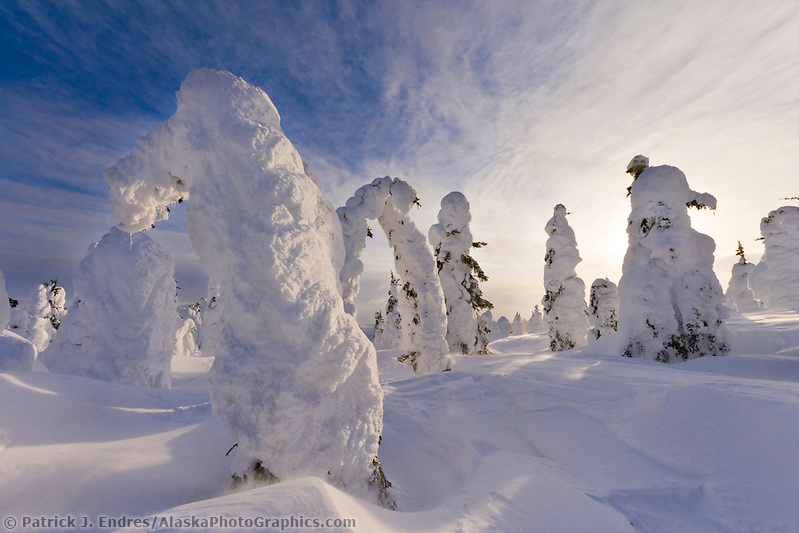
The transition from autumn to winter in Alaska is marked by a gradual descent of temperatures and the much-anticipated arrival of snow. While specific timing can vary significantly across the state’s diverse regions, a general pattern emerges.
September: The First Hints of White
In many of the higher elevation areas and further north, September can bring the very first snowfalls of the season. These are often light and may not accumulate significantly, serving more as a picturesque dusting than a full winter blanket. For travelers venturing into regions like the Brooks Range or areas around Denali National Park and Preserve during this month, encountering snow is a distinct possibility. This early snow often signals the beginning of the aurora season, making it an attractive time for photographers and aurora enthusiasts. While not ideal for many winter sports, it sets the stage for the more substantial snows to come.
October: The Solidify of Winter
By October, snowfall becomes much more consistent and widespread throughout much of Alaska. Interior regions like Fairbanks and much of the Yukon-Koyukuk Census Area can expect regular snow, often accumulating to create a wintery landscape. Coastal areas, while still experiencing cooler temperatures, may receive rain or a mix of rain and snow initially, with snow becoming more prevalent as the month progresses. This is when many winter activities begin to open up, and the visual transformation of the landscape is truly striking. Travelers looking to experience the authentic early winter atmosphere will find October to be an opportune time.
The Heart of Winter: Peak Snowfall and Activities
The period from November through March represents the quintessential Alaskan winter, characterized by deep snowpack, freezing temperatures, and a plethora of winter-specific activities.
November and December: Setting the Scene
As November arrives, Alaska fully embraces winter. Snowfall becomes heavier and more persistent, establishing a significant snow base across the state. Cities like Anchorage and Juneau experience increasingly snowy conditions, making them prime locations for experiencing urban winter charm. By December, the snow is typically well-established, providing ideal conditions for downhill skiing, snowboarding, cross-country skiing, and snowshoeing. The holiday season in Alaska is particularly magical, with snow-covered towns and festive lights creating a truly enchanting atmosphere. This is a peak time for many winter tourism operators.
January and February: The Deep Freeze
These months are often the coldest and snowiest in Alaska. Snowfall can be intense, leading to substantial accumulations that are perfect for activities requiring deep powder, such as backcountry skiing and snowmobiling. The Interior, in particular, experiences its most severe winter conditions, with temperatures frequently dropping well below zero. This deep freeze is also the prime time for viewing the Northern Lights, as the long, dark nights and clear skies provide optimal conditions. Many iconic Alaskan events, like the Iditarod Trail Sled Dog Race (though it starts in March, training and preparation are intense during these months), are intrinsically linked to this deep winter period.
March: The Lingering Winter
While spring officially begins in March, winter in Alaska often has a strong hold well into the month. Snowfall remains common, and the snowpack is usually at its deepest. This makes March an excellent month for late-season winter sports. The days begin to lengthen, offering more daylight hours for exploration and activities, while still retaining the characteristic winter ambiance. The Iditarod Trail Sled Dog Race typically kicks off in early March, a spectacular event that encapsulates the spirit of Alaskan winter. For those seeking a classic winter experience with slightly more daylight, March is an ideal choice.
The Thaw: Spring Snowfall and Transitions
As spring progresses, Alaska begins its transition back to warmer months, but snow often lingers, creating unique transitional landscapes.
April: The Great Melt
April marks a significant shift in many parts of Alaska. While the far north and higher elevations can still experience considerable snowfall and cold temperatures, much of the state begins to see the snow melt. This can result in slushy conditions and muddy trails, but also opens up opportunities for different types of exploration. Some winter activities may still be possible in sheltered areas, but the focus often shifts to anticipating the spring bloom. The melting snow can create dramatic landscapes, with rivers swelling and waterfalls becoming more active.
May: The Last Stand of Snow
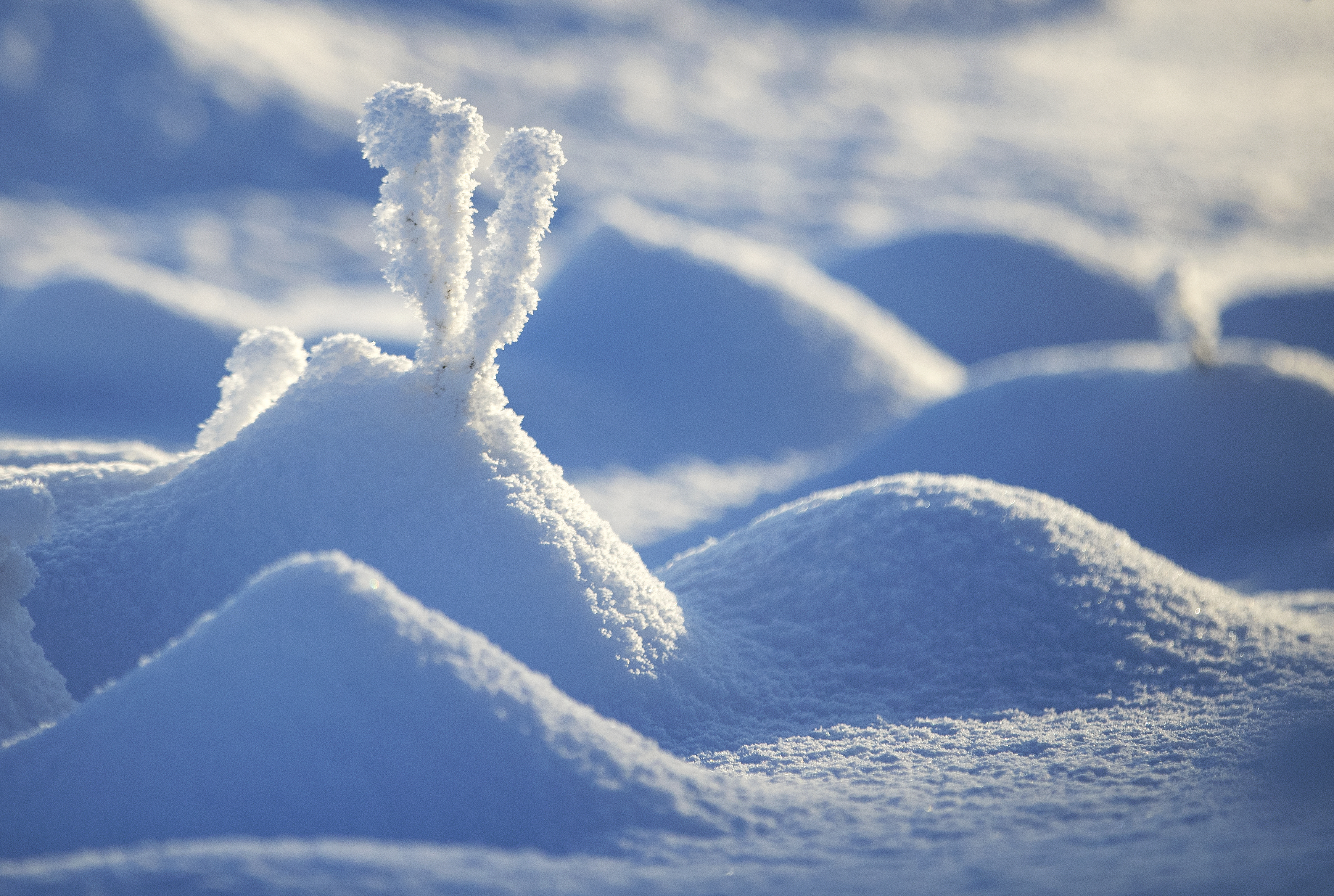
By May, significant melting has occurred in most populated areas of Alaska. However, it is not uncommon for lingering snow to be found at higher elevations, especially in mountainous regions like those surrounding Anchorage or in national parks. For late-season backcountry adventurers or those specifically seeking to experience the last vestiges of winter, May can still offer opportunities for snow-related activities in select locations. However, for the vast majority of travelers, May signifies the beginning of the more accessible summer travel season.
Regional Variations in Alaskan Snowfall
It is crucial to remember that Alaska is an enormous state with vastly different climates. Snowfall patterns are heavily influenced by geography and proximity to the coast.
Coastal Alaska (e.g., Juneau, Ketchikan, Seward)
Coastal regions, particularly in Southeast Alaska, experience a more temperate maritime climate. Snowfall is common during the winter months, but it is often wetter and may not accumulate as deeply as in the interior. Temperatures are generally milder, and thaws can occur more frequently. However, these areas still receive substantial snow, and winter storms are a part of life. The scenic beauty of snow falling on the rainforests of the Tongass National Forest is a unique spectacle.
Interior Alaska (e.g., Fairbanks, North Pole)
The Interior of Alaska experiences a continental climate with extreme temperature fluctuations and significant snowfall. Winters are typically long, cold, and dry, with abundant snow that accumulates to create a consistent snowpack. This region is where you’ll find the most reliable conditions for traditional winter sports and the deepest snow for activities like dog sledding and snowmobiling. Fairbanks, in particular, is renowned for its cold temperatures and clear skies, making it an excellent destination for aurora viewing throughout the winter.
Southcentral Alaska (e.g., Anchorage, Palmer)
Southcentral Alaska offers a blend of coastal and interior influences. Anchorage, the state’s largest city, receives a good amount of snowfall during the winter months, enough to support winter recreation within and near the city. However, it can experience more variable conditions than the Interior. Areas just a short drive inland, such as Palmer, tend to see heavier snowfall and colder temperatures. This region is a popular hub for accessing a variety of winter activities, from urban exploration to mountain adventures.
Arctic and Western Alaska (e.g., Utqiagvik, Nome)
The Arctic and western coastal regions experience the longest and harshest winters. Snowfall can begin early and persist late, with cold temperatures being the norm for extended periods. These areas are characterized by extensive snow cover and frozen landscapes for much of the year. While less accessible for typical tourism, these regions offer a raw and authentic glimpse into life in a true Arctic environment.
Planning Your Snowy Alaskan Adventure
When planning a trip to Alaska centered around snow, consider what type of experience you are seeking.
For Aurora Enthusiasts: October through March
The prime time for viewing the Northern Lights is during the dark, clear nights of winter. While snow is abundant throughout this period, October and March offer slightly milder conditions and a longer daylight period for daytime activities, making them popular choices for many travelers.
For Winter Sports Aficionados: November through March
If your goal is to hit the slopes, glide on cross-country skis, or embark on a dog sledding adventure, the period from November to March offers the most reliable and extensive snow cover. December and January often boast the deepest snowpack, while March provides a good balance of winter conditions with increasing daylight.
For a Glimpse of Early Winter Charm: September and October
For those who appreciate the picturesque beauty of the first snowfalls and the crisp autumn air, September and October can be delightful. This is a great time for scenic drives, light hiking in areas that still have lingering color, and the chance to witness the landscape transform before the deep winter sets in.
For the Transition to Spring: April and May
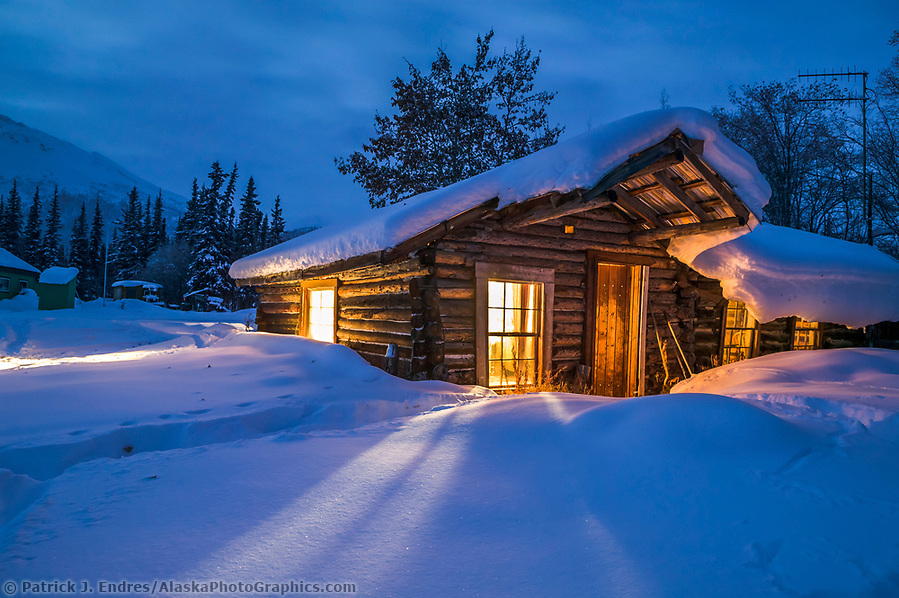
While not the peak snow season, April and May can offer unique experiences for travelers interested in seeing Alaska thaw. You might still find snow in the mountains for early spring hikes or witness the dramatic flow of meltwater. This period also attracts wildlife as they emerge from their winter dormancy.
Ultimately, understanding when it snows in Alaska is about aligning your travel dates with your desired experiences. From the first delicate flakes in September to the vast snow-covered expanses of deep winter and the gentle melt of spring, Alaska offers a snow-laden spectacle throughout a significant portion of the year, inviting adventure and wonder at every turn.
LifeOutOfTheBox is a participant in the Amazon Services LLC Associates Program, an affiliate advertising program designed to provide a means for sites to earn advertising fees by advertising and linking to Amazon.com. Amazon, the Amazon logo, AmazonSupply, and the AmazonSupply logo are trademarks of Amazon.com, Inc. or its affiliates. As an Amazon Associate we earn affiliate commissions from qualifying purchases.