
Aspen, Colorado, a world-renowned destination synonymous with winter wonder, beckons travelers with its promise of pristine snow-covered landscapes and exhilarating ski adventures. For many, the allure of Aspen is inextricably linked to its iconic snowy season. Understanding when the snow typically begins to fall and when the conditions are optimal for winter activities is paramount for planning a memorable trip. This comprehensive guide delves into the nuances of Aspen’s snowfall patterns, helping you pinpoint the ideal time to experience its winter magic.
The Onset of Winter: Early Season Snowfall
Aspen’s winter season doesn’t typically begin with a bang, but rather a gentle dusting that gradually transforms the landscape. The first significant snowfall in Aspen usually arrives in late October or early November. While these early snows can be sporadic and melt quickly, they signal the imminent arrival of winter. These initial flakes are often met with excitement by locals and early-bird skiers eager to hit the slopes.

Factors Influencing Early Snow
Several meteorological factors contribute to the timing and intensity of early-season snowfall in Aspen:
- Arctic Air Masses: The arrival of cold air masses from the north is a primary driver of snowfall. When these frigid temperatures combine with moisture, the conditions are ripe for snow.
- Pacific Storm Systems: The jet stream plays a crucial role in directing moisture-laden storm systems from the Pacific Ocean towards the Rocky Mountains. A favorable position of the jet stream can bring substantial snowfall to Aspen earlier in the season.
- Elevation: Aspen’s high elevation, with its ski resorts reaching over 11,000 feet, significantly contributes to its early and consistent snowfall. Higher altitudes are inherently colder, making them more conducive to snow formation.
What to Expect in Early November
While you might see snow in Aspen, Colorado by early November, it’s important to manage expectations. The ski resorts, particularly Aspen Mountain and Aspen Highlands, often begin their operations in late November, depending on snow accumulation. Early season conditions can be a mix of groomed runs and natural snow. It’s an excellent time for those seeking fewer crowds and potentially lower accommodation rates. However, the full extent of the skiable terrain may not yet be open.
Peak Winter Season: The Heart of the Snowfall
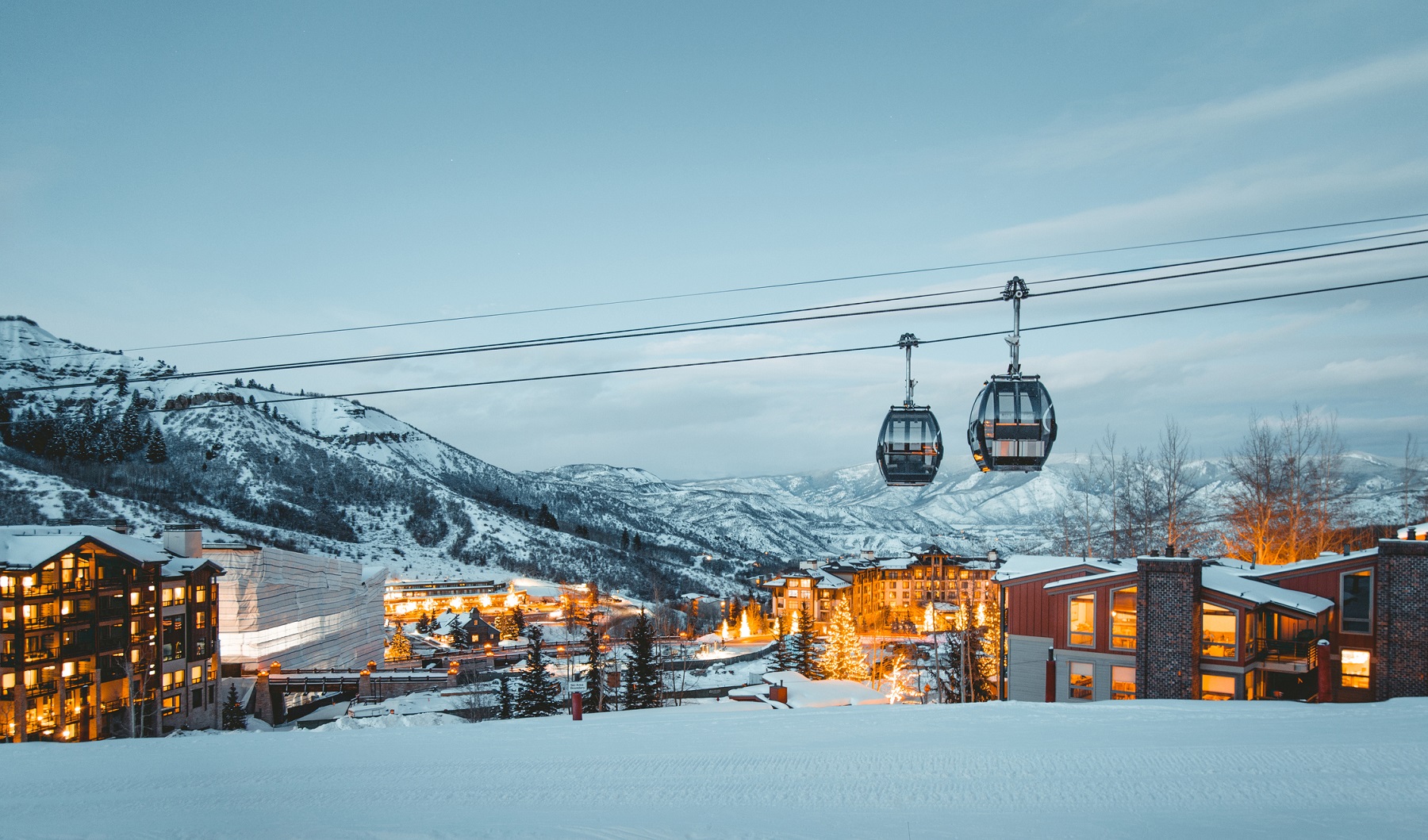
The true heart of Aspen’s snowy season generally runs from December through March. During these months, the town is blanketed in consistent snowfall, creating the quintessential winter wonderland experience that Aspen is celebrated for. This period offers the most reliable conditions for skiing, snowboarding, and other snow-based activities.
December: The Holiday Sparkle and Snow
December in Aspen is magical. The town is adorned with festive decorations, and the fresh snowfall provides a breathtaking backdrop to the holiday season. Ski resorts are typically fully operational by mid-December, with all four mountains – Aspen Mountain, Aspen Highlands, Buttermilk, and Snowmass – offering a wide array of slopes for all skill levels. Snowfall in December can be substantial, often resulting in powder days that draw skiers from around the globe.
- Average Snowfall: December typically sees average snowfall figures ranging from 15 to 30 inches across the resort bases, with higher amounts at higher elevations.
- Crowds: This month, especially around the Christmas and New Year’s holidays, is one of the busiest in Aspen. Booking accommodations and lift tickets well in advance is highly recommended.
January and February: The Deepest Snow and Coldest Temperatures
January and February are often the snowiest and coldest months in Aspen. These months are characterized by consistent, heavy snowfall and consistently low temperatures, which help preserve the snowpack and create ideal skiing conditions. This is the prime time for those seeking deep powder and challenging terrain.

- Prime Powder Conditions: These months are notorious for producing some of the best powder skiing in the United States. The cold, dry air helps create light, fluffy snow that skiers and snowboarders dream of.
- Arctic Outbreaks: While less common, occasional arctic outbreaks can bring exceptionally cold temperatures and significant snowstorms, leading to epic snow accumulation.
- Resort Operations: All four mountains are in full swing, offering the complete Aspen experience. Snowmass, in particular, with its vast acreage, becomes a paradise for intermediate and advanced skiers.
March: Lingering Snow and Spring Skiing
As winter begins to transition into spring, March in Aspen offers a unique blend of winter and early spring conditions. While snowfall is still common, the warmer temperatures can lead to softer snow, particularly at lower elevations and during the afternoons. This period is often referred to as “spring skiing” or “corn snow” season.
- Sunnier Skies: March typically sees more sunshine than the preceding winter months, offering pleasant conditions for skiing with the warmth of the sun.
- Extended Daylight Hours: Longer days mean more time on the slopes, allowing for extended enjoyment of Aspen’s renowned terrain.
- Milder Temperatures: While cold snaps can still occur, daytime temperatures in March are generally milder, making for a more comfortable skiing experience.
- Potential for Late-Season Snow: Despite the approach of spring, significant snowstorms can still hit Aspen in March, providing excellent conditions well into the month.
The Thaw: End of the Snowy Season
The snow in Aspen begins to recede as spring takes hold. While the exact timing can vary based on the year’s weather patterns, the snowy season generally starts to wind down in late April. The higher elevations, particularly at the summit of Aspen Mountain, can retain snow later into the spring, sometimes offering limited skiing opportunities into May.
Factors Influencing the Thaw
- Increasing Daylight and Sun Intensity: As the vernal equinox passes, daylight hours increase, and the sun’s intensity grows, accelerating snowmelt.
- Warmer Air Temperatures: Average daily temperatures begin to rise significantly in March and April, contributing to the melting of the snowpack.
- Rain Events: While snow is the primary form of precipitation in winter, spring can bring rain events that hasten the melting process.
What to Expect in Late April
By late April, most of the lower-lying areas in Aspen will be free of snow. The focus shifts from skiing to other outdoor activities like hiking and biking as trails begin to open up. While the extensive ski resort operations cease, the spirit of outdoor adventure continues. For those who manage to catch the tail end of the snow season at higher elevations, it’s often a unique experience of skiing with spring sunshine and fewer crowds.
Planning Your Aspen Snow Adventure
To make the most of Aspen’s snowy season, meticulous planning is essential.
When to Visit for Specific Experiences
- For Pristine Powder and Fewer Crowds: Mid-January to early March is your best bet for the deepest snow and a vibrant, yet manageable, crowd.
- For Holiday Cheer and Festive Atmosphere: The first two weeks of December or the week after New Year’s offer a magical blend of snow and holiday spirit.
- For Spring Skiing and Sunshine: March provides a fantastic opportunity for those who enjoy warmer days on the slopes and a lively après-ski scene.
- For Early Season Value: Late November can offer discounted rates and the chance to ski on newly opened slopes, but with fewer amenities and terrain.
Essential Preparations
- Book Accommodations: Aspen is a premier destination, and hotels, resorts, and vacation rentals fill up quickly, especially during peak season. Consider luxury options like The Little Nell or more family-friendly resorts in Snowmass Village.
- Lift Tickets and Rentals: Purchase lift tickets and reserve ski or snowboard rentals in advance to secure your preferred dates and potentially save money.
- Transportation: Factor in transportation to and from Aspen. Flights typically arrive at Aspen/Pitkin County Airport (ASE), which is conveniently located. Alternatively, driving from Denver requires navigating mountain passes, and snow tires or chains may be necessary during winter months.
- Gear: Ensure you have appropriate winter clothing, including waterproof and insulated layers, gloves, hats, and goggles. If you don’t own gear, rental options are plentiful in Aspen.
- Altitude Acclimatization: Aspen is at a high elevation. Drink plenty of water, avoid excessive alcohol initially, and take it easy on your first day to adjust to the altitude and prevent altitude sickness.
By understanding the seasonal rhythm of snowfall in Aspen, you can tailor your visit to perfectly match your desired winter experience, ensuring a truly unforgettable journey to this iconic Colorado destination.
LifeOutOfTheBox is a participant in the Amazon Services LLC Associates Program, an affiliate advertising program designed to provide a means for sites to earn advertising fees by advertising and linking to Amazon.com. Amazon, the Amazon logo, AmazonSupply, and the AmazonSupply logo are trademarks of Amazon.com, Inc. or its affiliates. As an Amazon Associate we earn affiliate commissions from qualifying purchases.