
Colorado Springs, a city nestled at the foot of the majestic Pikes Peak, experiences a distinct and often beautiful winter season. For those planning a visit or considering a move, understanding the typical snowfall patterns is crucial for preparing and maximizing their experience. While the exact timing can vary from year to year, a general pattern emerges that allows for informed anticipation of winter weather in this picturesque Colorado locale.
Understanding Colorado Springs’ Winter Climate
Colorado Springs enjoys a semi-arid climate, characterized by four distinct seasons. Its elevation, around 6,035 feet above sea level, plays a significant role in moderating temperatures and influencing snowfall. Unlike higher mountain towns that might receive heavy snow for extended periods, Colorado Springs typically experiences a mix of snowfall, often interspersed with sunny, crisp days. This combination creates a unique winter landscape where snow can dust the city and surrounding attractions, offering both winter wonderland scenes and opportunities for outdoor exploration without extreme conditions.

The average annual snowfall in Colorado Springs is approximately 35-40 inches. This figure, however, is an average, and individual winter seasons can see deviations. Some years might be drier, while others can bring more substantial accumulations. The snow often falls in distinct storm systems, rather than consistent, light dusting. This means that while you might not have snow on the ground continuously for months, there can be several significant snow events throughout the winter.
Factors Influencing Snowfall
Several meteorological factors contribute to snowfall in the region. The proximity to the Rocky Mountains influences weather patterns, often channeling storms into the area. Moisture-laden air masses moving from the Pacific Ocean, combined with cold air, are the primary ingredients for snow. The elevation of the city is also a key factor; if temperatures are slightly warmer, precipitation may fall as rain or a mix of rain and snow, particularly at lower elevations within the city. However, when temperatures are sufficiently cold, the precipitation readily transforms into snow.
The Snowfall Season: When to Expect It
The primary snowfall season in Colorado Springs generally begins in the late autumn and extends through the early spring. However, the most consistent and significant snowfall typically occurs during the core winter months.
Early Snowfall and Late-Season Snow
While not common, isolated snow flurries can sometimes be observed as early as late September or October, particularly at higher elevations surrounding the city. These early dustings are usually light and melt quickly. More substantial, though still unpredictable, early season snow can occur in November. Visitors or residents planning for November should be aware that winter conditions can begin to emerge, impacting driving and outdoor activities.
The winter months of December, January, and February are when snowfall is most likely and can be heaviest. These months often bring the most significant snow events of the season. January is statistically one of the snowiest months for the region.
As winter transitions into spring, snowfall can continue into March and even April. These late-season snowfalls can sometimes be substantial and may bring picturesque scenes of snow-covered landscapes. However, by April, warmer temperatures typically begin to prevail, leading to quicker melting of any accumulated snow. It’s not uncommon for spring days to feature bright sunshine alongside remnants of snowfall.
Typical Snowfall Accumulation
The amount of snow received in any given storm can vary greatly. Some events might bring just a few inches, while others, particularly those with strong storm systems, can deposit a foot or more of snow. The snow in Colorado Springs tends to be drier and lighter than what is experienced in many other mountainous regions, a characteristic often attributed to the arid climate. This can make snow removal easier in some instances, but it can also lead to swift changes in road conditions due to wind and the dry nature of the snow.
Preparing for Snow in Colorado Springs
Understanding when snow is likely to fall in Colorado Springs allows for better preparation, whether you are visiting for leisure, business, or are a local resident.
For Visitors
If you are planning a trip to Colorado Springs during the winter months, it’s essential to pack accordingly. Layers of warm clothing, including waterproof outerwear, hats, gloves, and sturdy, waterproof footwear, are paramount. For those intending to explore outdoor attractions like Garden of the Gods or undertake activities such as hiking or visiting Cheyenne Mountain Zoo, snow can transform these locations into breathtaking winter vistas. However, it also means trails might be snow-covered, requiring appropriate gear and caution.
Transportation is also a key consideration. While the city of Colorado Springs typically works diligently to clear major roadways after snowfall, secondary roads and less-trafficked areas can remain snow-covered for longer. If you plan to rent a car, consider one with all-wheel drive or four-wheel drive. Always check local weather reports and road conditions before setting out, especially if planning excursions to higher elevations or venturing outside the immediate city limits. Many hotels, such as the Broadmoor Seven Falls or boutique inns, will have information on local winter driving tips and can advise on the best ways to navigate the area.
For Residents and Long-Term Stayers
For those living in or planning a longer stay in Colorado Springs, having adequate winter supplies is a wise investment. This includes snow shovels, ice melt, and ensuring your vehicle is equipped with winter tires if necessary. Homeowners should be prepared for potential snow removal duties.
Winter Activities and Attractions
Despite the possibility of snow, Colorado Springs offers a range of activities and attractions that are either enhanced by the winter landscape or are primarily indoor pursuits.
Embracing the Snow
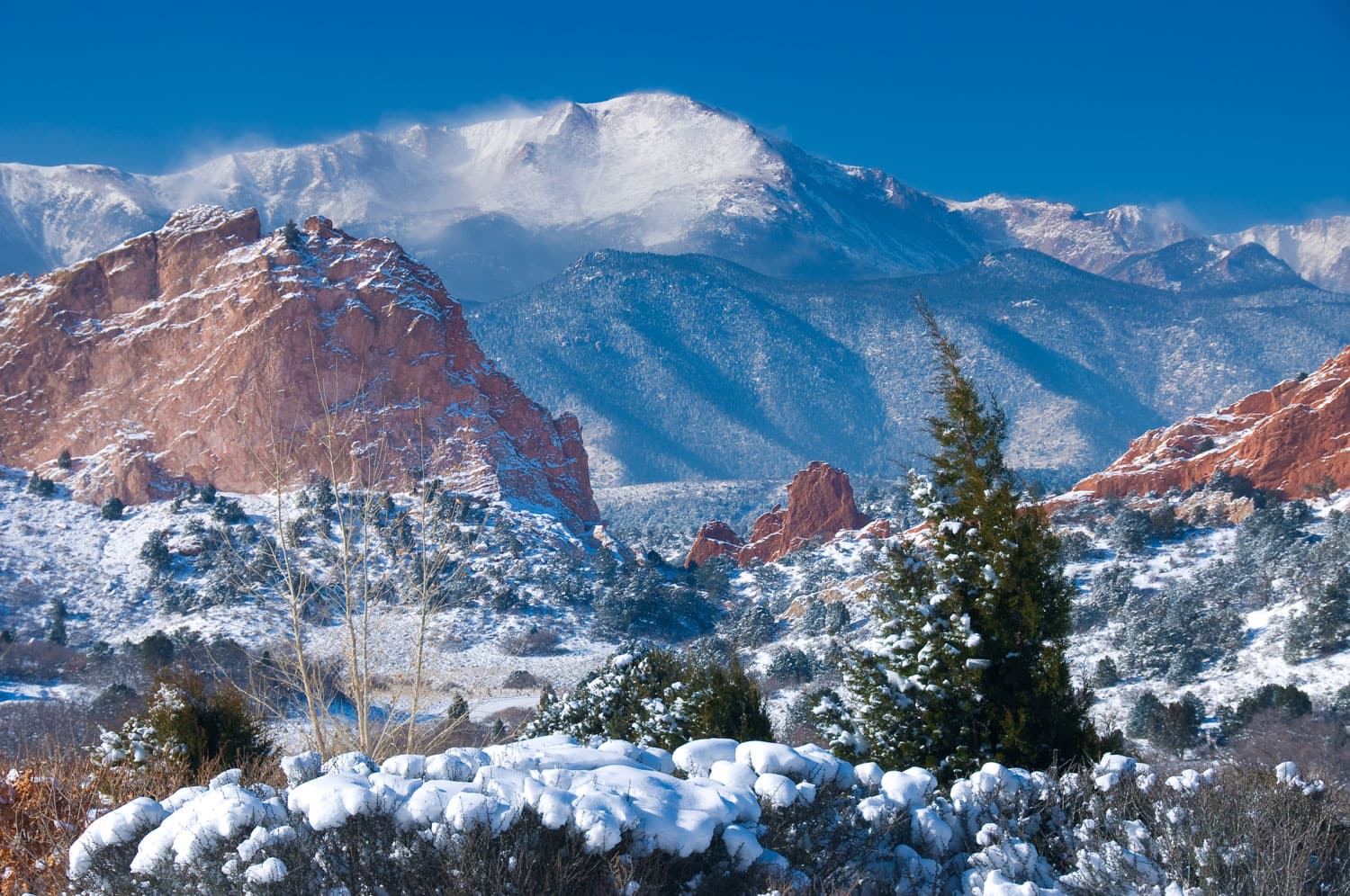
When snow does fall, it offers a magical backdrop for exploring the city’s natural beauty. A visit to Garden of the Gods with a dusting of snow on the red rock formations is a truly spectacular sight. Hiking trails, while requiring appropriate footwear, can be serene and visually stunning. For families, building snowmen or having a snowball fight in one of the city’s many parks can be a delightful winter pastime.
While skiing and snowboarding are more prominent in the higher mountain towns, there are opportunities for winter sports enthusiasts. Ski resorts like Ski Cooper are within driving distance for a day trip, offering a more robust snow sport experience. Closer to the city, some parks may offer sledding opportunities when conditions are right.
Indoor Pursuits
For days when the weather is less conducive to outdoor exploration, Colorado Springs boasts numerous indoor attractions. The U.S. Olympic & Paralympic Museum provides an inspiring look into athletic achievement, while the Colorado Springs Fine Arts Center offers cultural enrichment. The Miramont Castle Museum offers a glimpse into historical architecture and life, and the robust culinary scene provides excellent opportunities to warm up with local flavors at restaurants in areas like downtown or Old Colorado City.
Planning Your Visit Around Snowfall
If your primary goal is to experience a snow-covered Colorado Springs, the months of December through February offer the highest probability. However, it’s important to remember that winter weather is inherently unpredictable. Flexibility in your travel plans can be advantageous. Booking accommodations that offer easy access to both city amenities and natural attractions, such as hotels in the downtown area or resorts offering shuttle services, can enhance your winter travel experience. Many hotels in the vicinity, including properties near Cheyenne Mountain State Park, are accustomed to winter weather and can provide excellent advice and services to help you make the most of your visit, snow or no snow.
LifeOutOfTheBox is a participant in the Amazon Services LLC Associates Program, an affiliate advertising program designed to provide a means for sites to earn advertising fees by advertising and linking to Amazon.com. Amazon, the Amazon logo, AmazonSupply, and the AmazonSupply logo are trademarks of Amazon.com, Inc. or its affiliates. As an Amazon Associate we earn affiliate commissions from qualifying purchases.