
For many, the mere mention of Florida conjures images of endless sunshine, warm beaches, and sweltering summer days. Indeed, the Sunshine State lives up to its moniker for much of the year, beckoning travelers from colder climes with its inviting warmth. However, even this subtropical paradise experiences a shift in seasons, ushering in periods that locals affectionately refer to as “cold.” But when exactly does Florida begin to cool down, and what does “cold” truly mean in a state famed for its warmth? Understanding these seasonal nuances is key for anyone planning a visit, whether you’re seeking to escape a harsh northern winter, looking for ideal conditions for outdoor adventures, or simply curious about the best time to experience a different side of Florida life.

This comprehensive guide will delve into the intricacies of Florida’s climate, pinpointing the cooler months and offering invaluable insights for travelers. From the gentle breezes of autumn to the crisp mornings of winter, we’ll explore how these seasonal changes impact everything from the ideal activities and attractions to accommodation choices and packing strategies. Prepare to discover a side of Florida that offers a refreshing respite from its often-intense heat, providing a perfect backdrop for a memorable travel experience.
Understanding Florida’s Unique Climate
Florida’s geographical position, nestled between the Atlantic Ocean to the east and the Gulf of Mexico to the west, coupled with its proximity to the equator, largely dictates its famous subtropical to tropical climate. This unique positioning is why the state is a magnet for tourists and snowbirds alike, offering a distinct departure from the four distinct seasons experienced across much of the United States.
Dispelling the “Always Hot” Myth
While the image of Florida as perpetually hot persists, it’s a simplification that overlooks the state’s subtle but significant seasonal variations. The perception often stems from its long, hot, and humid summers, which indeed dominate a significant portion of the year. However, autumn, winter, and spring bring a welcome change, transforming the landscape and opening up new possibilities for exploration and enjoyment without the intense heat and humidity that can sometimes be stifling.
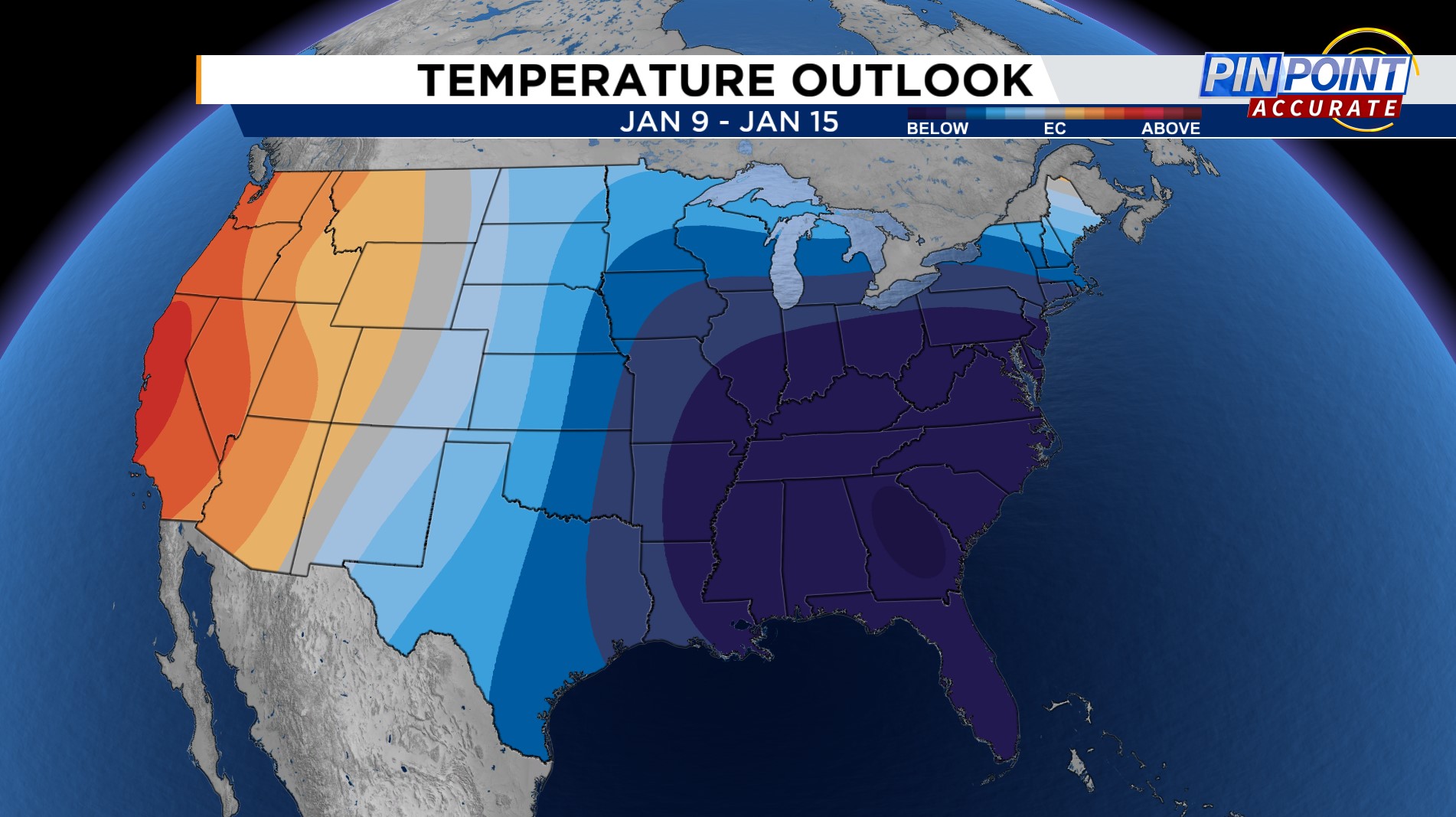
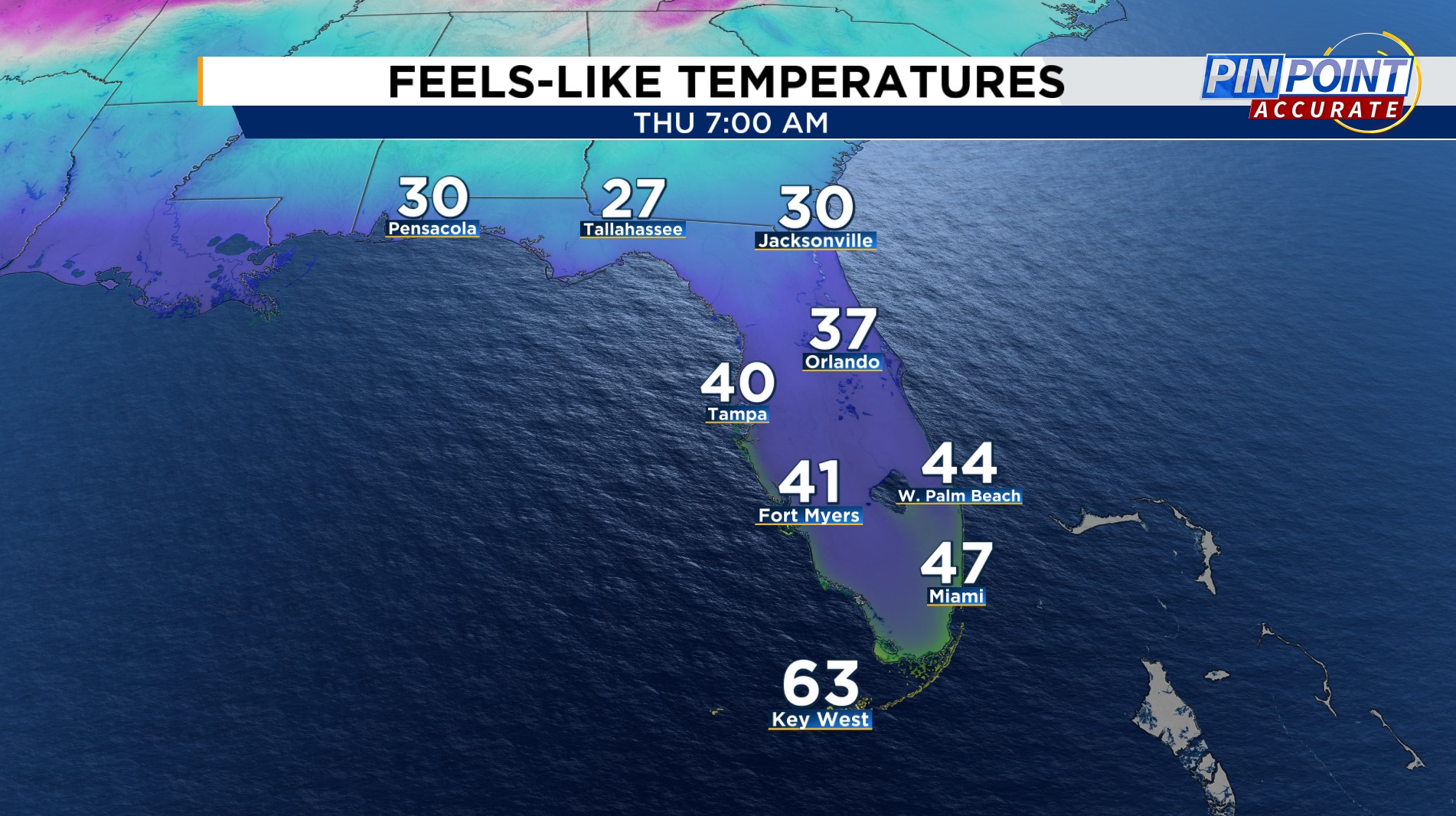
The “cold” in Florida is a relative term. For those accustomed to heavy snowfalls and sub-zero temperatures, Florida’s winter might feel like a mild autumn. Yet, for residents and frequent visitors, a drop into the 50s Fahrenheit (10-15 degrees Celsius) or even the occasional dip into the 30s (0-5 degrees Celsius) is considered quite chilly, prompting the donning of sweaters, jackets, and even the rare use of heating. This relativity is crucial for travelers to understand, as expectations based on northern winters will vastly differ from the reality of a Florida cool spell.
Seasonal Shifts and Regional Nuances
The vast geographical stretch of Florida also means that “cold” manifests differently across its regions. The Florida Panhandle and North Florida, bordering Georgia and Alabama, experience cooler temperatures and more pronounced winter weather due to their higher latitude. Cities like Jacksonville and Tallahassee will typically see colder nights and lower daytime highs than their southern counterparts.
As you move south into Central Florida, home to popular destinations like Orlando and Tampa, the climate transitions to a more moderate subtropical pattern. Winters here are generally mild and dry, with pleasant daytime temperatures and cooler evenings. Further south, in South Florida, which includes vibrant cities such as Miami, Fort Lauderdale, and the tropical paradise of The Florida Keys, the climate leans more tropical. True cold snaps are rarer and shorter-lived, with temperatures seldom dropping below comfortable levels, making it a truly year-round warm destination, even in winter.
This regional variation means that when planning a trip during Florida’s cooler months, it’s essential to consider your specific destination, as the “cold” experience can differ significantly from one end of the state to the other.
Pinpointing the Cooler Months: A Traveler’s Guide
Understanding the general climate of Florida sets the stage for pinpointing exactly when cooler temperatures typically arrive. While weather patterns can be unpredictable, historical data and climatic trends provide a clear indication of when visitors can expect a break from the intense heat.
Autumn’s Gentle Approach (October – November)
The transition into cooler weather in Florida begins subtly in October. This month marks a welcome relief from the peak heat and humidity of summer, though it still retains a significant amount of warmth, especially in South Florida. Average daytime temperatures across the state begin to drop into the mid-70s to low 80s Fahrenheit (24-29 degrees Celsius), with evenings becoming noticeably milder and more comfortable, often dipping into the 60s Fahrenheit (15-20 degrees Celsius). Humidity levels also start to decrease, leading to clearer skies and a more pleasant overall feel.
November solidifies autumn’s presence. This is when the true shift towards cooler weather becomes undeniable, particularly in North Florida and Central Florida. Daytime highs typically range from the high 60s to high 70s Fahrenheit (20-26 degrees Celsius), while evening lows can comfortably drop into the 50s (10-15 degrees Celsius). For many Floridians, November is when the air conditioning is finally turned off, and thoughts turn to outdoor activities without the oppressive summer heat. It’s an excellent month for travelers seeking warmth without the intensity, offering a preview of the pleasant winter ahead.
Winter’s Embrace: Florida’s Peak Cool Season (December – February)
The period from December through February represents Florida’s coldest months. This is when the state experiences its most significant temperature drops, especially during cold fronts that sweep down from the continental United States.
-
December: Kicks off the winter season with generally mild and pleasant conditions. Daytime temperatures in Central Florida and South Florida hover around the low to mid-70s Fahrenheit (21-24 degrees Celsius), with nights often in the 50s (10-15 degrees Celsius). North Florida will see slightly cooler averages, with more frequent dips into the 40s (5-10 degrees Celsius) at night. The crisp, dry air makes it an incredibly popular time for visitors, particularly around the holidays.
-
January: Is typically the coldest month across the entire state. While average daytime highs still remain pleasant (e.g., low 70s F / 21-23 C in Miami, high 60s F / 19-21 C in Orlando, low 60s F / 16-18 C in Jacksonville), nighttime lows can frequently fall into the 40s (5-10 C) and sometimes even into the 30s (0-5 C), especially in North Florida and Central Florida. Rare freezing temperatures can occur, though they are usually short-lived and more common inland than directly on the coast. For those seeking a genuine escape from harsh northern winters, South Florida offers the most reliable warmth during this period.
-
February: Continues the cool trend, though often with a subtle hint of warming as spring approaches. Temperatures are largely similar to January, with a slight upward creep towards the end of the month. Mornings can still be quite cool, making layers essential, but afternoons are often bathed in comfortable sunshine. This month is still firmly within the “cold” season for Florida, offering ideal conditions for most outdoor activities.
The Mild Transition of Spring (March – April)
As March arrives, Florida begins its gentle ascent back towards warmer temperatures. While early March can still feel quite wintry, especially in the mornings, the days rapidly lengthen and warm up. Average daytime temperatures climb into the high 70s and low 80s Fahrenheit (25-29 degrees Celsius), and nighttime lows become consistently milder, generally staying in the 60s (15-20 degrees Celsius). By April, the state is in full swing with spring weather, characterized by abundant sunshine, diminishing chances of cold fronts, and warming ocean temperatures, making it a glorious time for beachgoers and outdoor enthusiasts before the onset of summer’s intense heat.
Embracing Florida’s Cooler Weather: Activities and Attractions
The cooler months in Florida aren’t just a welcome meteorological event; they transform the state into an even more appealing destination, particularly for those looking to avoid the intense summer heat and humidity. This period, from roughly November through April, is widely considered the peak travel season due to the near-perfect weather conditions.
Ideal Conditions for Outdoor Adventures
When the temperatures drop and the humidity recedes, Florida’s vast array of outdoor activities becomes infinitely more enjoyable.
-
Theme Parks: For many, a trip to Orlando to visit world-renowned theme parks like Walt Disney World Resort and Universal Studios Florida is a quintessential Florida experience. During the cooler months, waiting in lines, walking between attractions, and enjoying outdoor shows are far more comfortable without the risk of heat exhaustion. Similarly, parks like Busch Gardens Tampa Bay offer thrilling rides and animal encounters under pleasant skies.
-
Beaches: While the water might feel a bit brisk for some during the coldest days, the beaches, such as South Beach in Miami, Clearwater Beach on the Gulf of Mexico, or the pristine shores of Amelia Island, are still incredibly inviting for strolls, sunbathing, and beach sports. The warm sunshine often feels therapeutic after enduring colder climates elsewhere.
-
Nature and Wildlife Exploration: The cooler, drier air creates ideal conditions for exploring Florida’s diverse natural landscapes. Everglades National Park becomes much more accessible and comfortable for airboat tours, hiking, and wildlife viewing. This is also prime manatee season, as these gentle giants seek refuge in warmer waters, making places like Crystal River or Blue Spring State Park perfect for viewing them. Kayaking, paddleboarding, and fishing in the calmer waters of the Gulf of Mexico or inland waterways are also immensely popular.
-
Golf and Outdoor Sports: Florida is a golfer’s paradise, and the cooler months offer the perfect climate for a round or two without the oppressive heat. Tennis, cycling, and other outdoor sports also flourish, attracting athletes and enthusiasts from around the globe.
Cultural Experiences and Culinary Delights
The pleasant weather also enhances Florida’s rich cultural scene and culinary offerings.
-
Festivals and Events: The winter months are packed with festivals, art shows, and outdoor concerts across the state. From the South Beach Wine & Food Festival in Miami to various art fairs in Sarasota and historical reenactments in St. Augustine, there’s always something happening under the comfortable skies.
-
Historic Sites and Charming Towns: Exploring the cobblestone streets of St. Augustine, the oldest continuously inhabited European-established settlement in the United States, or wandering through the colorful lanes of Key West in The Florida Keys, is far more enjoyable when the weather is mild. The architecture, history, and unique ambiance of these destinations truly shine without the summer heat.
-
Al Fresco Dining: Cooler evenings invite visitors to enjoy Florida’s diverse culinary scene with al fresco dining. From gourmet restaurants in Naples to casual seafood shacks along the coast in Destin, enjoying a meal outdoors under the stars is a highlight of a winter visit.
This period of delightful weather makes Florida an unparalleled destination for a wide array of interests, proving that its appeal extends far beyond just summer sun.
Planning Your Cooler Weather Getaway: Accommodation and Logistics
Traveling to Florida during its cooler months offers an exquisite experience, but it also means navigating the state’s peak tourist season. This period, roughly from mid-November through April, sees a significant influx of visitors, including “snowbirds” from colder regions, families on holiday breaks, and travelers seeking ideal conditions for outdoor activities. Consequently, planning becomes a critical component of a successful and enjoyable trip.
Navigating Peak Season Bookings
The increased demand during Florida’s cooler season directly impacts accommodation availability and pricing. Whether you’re seeking hotels, resorts, vacation rentals, or even campsites, it’s highly advisable to book well in advance.
-
Accommodation Types: Florida offers a vast spectrum of accommodation options to suit every lifestyle and budget.
- Luxury Travel: For those desiring opulent experiences, world-class resorts like The Ritz-Carlton, Amelia Island or Hyatt Centric Key West Resort & Spa offer exceptional amenities, spa services, and fine dining. These high-end establishments are particularly sought after during the pleasant winter months, making early reservations imperative.
- Family Trips: Resorts within or near major theme parks, such as the various properties at Walt Disney World Resort or Loews Portofino Bay Hotel at Universal Orlando, provide convenience and family-friendly features. Booking these often requires planning many months, if not a year, in advance, especially for holiday periods.
- Budget Travel: More budget-conscious travelers can find great value outside the immediate vicinity of major attractions or by opting for apartment rentals or smaller, independent hotels. Even so, demand for all tiers of accommodation is high, so research and booking in advance are still crucial to secure the best rates and availability.
- Long-term Stays: Many snowbirds choose Florida for extended stays. Villas, apartments, and condo rentals through platforms specializing in long-term accommodation are popular. These often book up earliest, sometimes a year or more out, as returning visitors secure their preferred winter homes.
-
Booking Tips:
- Flexibility: If your travel dates are flexible, consider visiting in late November/early December or late January/February to potentially avoid the absolute peak crowds and highest prices around Christmas, New Year’s, and Spring Break.
- Comparison Websites: Utilize accommodation comparison websites, but also check directly with the hotel or resort’s own website, as they sometimes offer exclusive deals or loyalty program benefits (like Marriott Bonvoy or Hilton Honors).
- Reviews: Always consult recent reviews to ensure the accommodation meets your expectations, especially given the higher prices during peak season.
Packing Smart for Florida’s Mild Winter
One of the most common mistakes travelers make when visiting Florida during its cooler months is underestimating the need for layers. While the state is warm, the temperature can fluctuate significantly from morning to night, and especially when a cold front passes through.
- Layers are Key: The most important packing tip is to bring versatile layers.
- Daytime: Expect pleasant temperatures, suitable for short-sleeved shirts, light dresses, or polo shirts.
- Evenings/Mornings: A light jacket, cardigan, or sweater will be essential for cooler mornings and evenings, particularly if you’re dining outdoors, attending an event, or spending time by the water.
- Cold Fronts: For those rare, genuinely cold days, especially in North Florida or Central Florida, a warmer jacket or fleece may be needed. Even in South Florida, a medium-weight jacket can be appreciated.
- Footwear: Comfortable walking shoes are a must, especially if you plan to explore theme parks, historic sites, or natural trails. Sandals or open-toed shoes are still fine for warmer days, but closed-toe shoes will be more practical for cooler evenings.
- Swimwear: Don’t forget your swimsuit! Even in winter, many hotels and resorts have heated pools, and the ocean can still be warm enough for a dip in South Florida on sunny days.
- Sun Protection: Regardless of the temperature, the Florida sun is powerful. Sunscreen, sunglasses, and a hat are always advisable to protect yourself from UV rays.
By planning ahead for both your bookings and your wardrobe, you can fully embrace the delightful cooler weather that transforms Florida into an even more captivating destination during its most popular travel season. The blend of comfortable temperatures, vibrant activities, and diverse accommodation options creates an unparalleled experience for every type of traveler.
In conclusion, while Florida may be synonymous with sunshine, it does indeed start “getting cold” for several months of the year, particularly from December through February. However, “cold” in Florida is a relative term, bringing with it pleasant, mild temperatures that make it an idyllic escape from the harsh winters experienced in much of the United States and beyond. The transition begins subtly in October, with November marking a clear shift towards more comfortable, less humid conditions.
This cooler season offers a golden window for travelers to experience the very best of what Florida has to offer. From comfortable strolls through Walt Disney World Resort and Universal Studios Florida to exploring the pristine wilderness of Everglades National Park or the historic charm of St. Augustine, the opportunities for outdoor adventure, cultural immersion, and culinary delights are endless. The mild climate is perfect for golfing, cycling, enjoying the state’s beautiful beaches without the sweltering heat, and partaking in numerous festivals and events.
However, the appeal of Florida’s “winter” also means it’s the peak travel season. Savvy planning is essential, from booking your preferred accommodation – whether a luxury resort, a family-friendly hotel, or a budget-friendly rental – well in advance, to packing smart with versatile layers to accommodate the daily temperature fluctuations. Regional differences also play a role, with South Florida generally offering the warmest reprieve, while North Florida experiences more traditional cool weather.
Ultimately, Florida’s cooler months present a unique and highly desirable travel experience. It’s a time when the Sunshine State truly shines brightest for those seeking warmth, comfort, and an abundance of activities without the intense heat. By understanding its climate and planning accordingly, your Florida getaway will undoubtedly be a refreshing and memorable adventure.
LifeOutOfTheBox is a participant in the Amazon Services LLC Associates Program, an affiliate advertising program designed to provide a means for sites to earn advertising fees by advertising and linking to Amazon.com. Amazon, the Amazon logo, AmazonSupply, and the AmazonSupply logo are trademarks of Amazon.com, Inc. or its affiliates. As an Amazon Associate we earn affiliate commissions from qualifying purchases.