
The allure of New York is often painted with broad strokes, encompassing the vibrant energy of Times Square, the serene beauty of Central Park, and the iconic skyline that pierces the clouds. Yet, for many, a crucial element of planning a visit, or even enjoying the everyday rhythm of life within the state, hinges on understanding its distinct seasons, particularly the transition into cooler temperatures. The question of “When does it start getting cold in New York?” is not just about meteorological shifts; it’s a gateway to experiencing the city and its surrounding regions in their most captivating forms. From the crisp autumn air that signals the arrival of cozy sweaters and vibrant foliage to the biting winds that usher in the holiday season, understanding the onset of cold dictates everything from packing lists to the types of activities one might pursue.

The Autumnal Embrace: A Gradual Descent into Cool
New York experiences a distinct and beloved autumn, characterized by a slow and picturesque cooling trend. While the calendar may mark the start of fall in September, the truly “cold” sensation typically arrives later, ushering in a period of breathtaking natural beauty and invigorating outdoor experiences.
September: The Lingering Warmth
September in New York is often a delightful surprise for those anticipating immediate chilly weather. The early weeks of the month usually retain a significant amount of summer’s warmth, with daytime temperatures frequently hovering in the comfortable 70s Fahrenheit (around 21-26 degrees Celsius). Evenings begin to offer a subtle hint of refreshment, but it’s rarely enough to warrant heavy outerwear. This period is ideal for enjoying outdoor attractions like a stroll through Central Park, exploring the vibrant neighborhoods of Manhattan, or visiting the historic sites of New York City. The humidity of summer begins to dissipate, making outdoor exploration more pleasant.
October: The Quintessential Fall
By October, the shift becomes undeniable. The average daily temperature starts to drop, with daytime highs typically ranging from the low 60s to the high 50s Fahrenheit (15-19 degrees Celsius). Evenings become noticeably cooler, often dipping into the 40s Fahrenheit (4-9 degrees Celsius), making a light jacket or sweater a necessity. This is the peak season for experiencing the iconic fall foliage, particularly upstate in regions like the Adirondack Mountains or the Catskills. Towns like Woodstock or Lake Placid become prime destinations for leaf-peeping tours and embracing the cozy atmosphere. The crisp air is perfect for visiting apple orchards, pumpkin patches, and enjoying seasonal treats like apple cider and pumpkin pie.
November: The True Arrival of Winter’s Edge
As November progresses, New York fully embraces the approaching winter. Daytime temperatures in New York City generally fall into the 40s Fahrenheit (4-9 degrees Celsius), and by the end of the month, they can often be found in the 30s Fahrenheit (0-4 degrees Celsius). Evenings are decidedly cold, frequently dropping below freezing. This is when heavier coats, scarves, and gloves become essential. The city begins to light up for the holiday season, with iconic displays in Rockefeller Center and festive window decorations appearing in department stores. While outdoor activities become more limited, the festive spirit and the anticipation of snow make it a magical time to visit. The colder weather also makes it an opportune time to explore indoor attractions, from world-class museums like the Metropolitan Museum of Art to the theaters of Broadway.
Beyond the City: Regional Variations in Cold
While New York City often sets the baseline for perceived “cold,” the state’s diverse geography means that temperatures can vary significantly as you venture away from the metropolitan area. Understanding these regional differences is key to accurately predicting when it starts getting cold in various parts of New York.
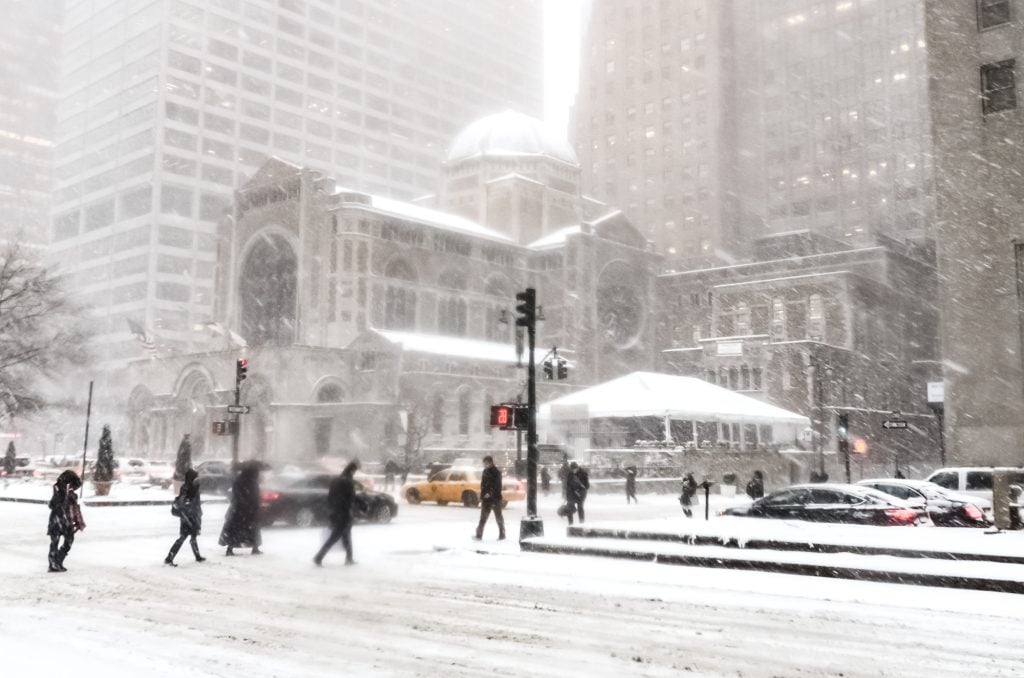
Upstate New York: An Earlier Chill
Upstate New York, encompassing regions like the Finger Lakes, the Adirondacks, and the Western New York area near Buffalo and Niagara Falls, experiences colder temperatures and an earlier onset of winter compared to New York City. The higher elevations and more inland locations mean that the cooling trend begins sooner and intensifies more rapidly.
In the Adirondacks, for instance, October can already bring frosty mornings and average daytime temperatures in the 40s and 50s Fahrenheit (4-15 degrees Celsius). Snowfall is also more common and substantial in these regions earlier in the season. By November, temperatures are consistently below freezing, especially at night, and significant snow accumulation is likely. This makes Upstate New York a prime destination for early ski resorts and winter sports enthusiasts, with many locations opening for the season in late November or early December.
Coastal vs. Inland Differences
Even within closer proximity to New York City, subtle differences exist. Coastal areas, influenced by the moderating effect of the Atlantic Ocean, may experience slightly milder temperatures compared to inland suburbs or areas further north. However, the general pattern of a gradual cooling throughout October and a definitive arrival of cold in November holds true across much of the state. The proximity to major bodies of water like Lake Erie and Lake Ontario in Western New York can also influence weather patterns, leading to lake-effect snow and colder winters.
Preparing for the Cold: Packing and Planning
Knowing when the cold truly sets in is crucial for effective preparation, whether you’re a tourist planning a memorable trip or a resident looking to optimize your comfort and enjoyment of the season.
Essential Wardrobe Considerations
As New York transitions into its cooler months, layering becomes the most effective strategy. Start with a base layer of thermal or moisture-wicking material. This is followed by an insulating layer, such as a fleece or sweater. The outer layer should be windproof and water-resistant, ideally a medium-weight jacket for October and a heavier, insulated coat for November and beyond. Don’t forget accessories: warm socks, waterproof boots, gloves, and a hat are indispensable once temperatures consistently drop. For those visiting during the peak of fall foliage, lighter layers are sufficient, but for those aiming for holiday markets or early winter activities, a robust winter wardrobe is recommended.

Activities and Travel Considerations
The onset of cold weather significantly impacts available activities. Early autumn offers a wealth of outdoor possibilities, from hiking and biking to attending outdoor festivals. As the temperature drops, the focus shifts. New York City offers a vast array of indoor cultural experiences, including museums, Broadway shows, and fine dining. For those seeking winter recreation, Upstate New York becomes the destination for skiing, snowboarding, ice skating, and visiting charming winter villages.
When planning travel, consider booking accommodations in advance, especially during peak foliage season (mid-October) and the holiday period (late November through December). Transportation can also be affected by winter weather. While New York City’s public transport generally remains operational, delays or cancellations can occur during significant snowstorms, particularly for travel to and from areas like Long Island or Upstate. Always check weather forecasts and transportation advisories closer to your travel dates. Embracing the changing seasons in New York allows for a truly unique and rewarding experience, no matter the chill in the air.
LifeOutOfTheBox is a participant in the Amazon Services LLC Associates Program, an affiliate advertising program designed to provide a means for sites to earn advertising fees by advertising and linking to Amazon.com. Amazon, the Amazon logo, AmazonSupply, and the AmazonSupply logo are trademarks of Amazon.com, Inc. or its affiliates. As an Amazon Associate we earn affiliate commissions from qualifying purchases.