
New York City, a vibrant tapestry of iconic landmarks, bustling streets, and diverse neighborhoods, beckons travelers year-round. Yet, for many planning a visit, a crucial question lingers: “When does it start getting warm in New York?” This is more than just a query about temperature; it’s about unlocking the city’s full potential, from enjoying al fresco dining in Greenwich Village to strolling through Central Park without the biting chill. Understanding the nuances of New York’s seasonal transitions is key to maximizing your travel experience.
The allure of New York City is undeniable, drawing millions of visitors eager to explore its world-renowned attractions. Whether you’re drawn to the dazzling lights of Times Square, the artistic treasures of the Metropolitan Museum of Art, or the historical significance of the Statue of Liberty, each season offers a unique perspective. However, the degree of comfort and the types of activities available are heavily influenced by the prevailing weather. This article aims to demystify the arrival of warmth in the Big Apple, helping you plan your perfect New York adventure.

The desire for pleasant weather often dictates travel dates, especially for those who envision enjoying outdoor exploration, rooftop bars, or leisurely walks. While autumn boasts a breathtaking display of fall foliage and winter offers a magical, albeit cold, holiday spirit, it’s often the warmer months that are most sought after for a comprehensive New York City experience. This guide will delve into the specifics of when New York shakes off its winter coat and embraces the gentle embrace of spring and the full heat of summer, ensuring your trip aligns with your comfort preferences and desired activities.
Embracing Spring: The Gradual Thaw and Blooming City
Spring in New York City is a season of renewal, a gradual awakening from the slumber of winter. It’s a time when the city sheds its frosty demeanor and begins to reveal its softer, more inviting side. For those asking “When does it start getting warm in New York?”, the answer lies in the transition from late March through May, a period characterized by steadily rising temperatures and the re-emergence of vibrant life.
March: The Lingering Chill of Transition
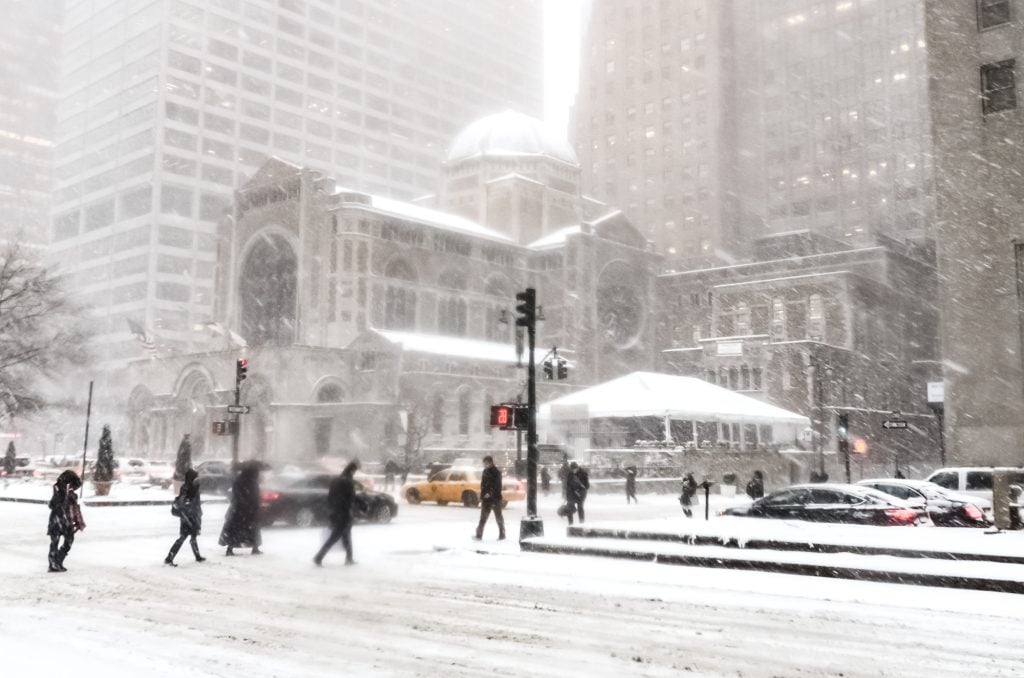
March in New York is a transitional month, often embodying the unpredictable nature of early spring. While the calendar dictates the season’s start, the weather can be a mixed bag. You might experience crisp, cool days with bright sunshine, perfect for brisk walks through neighborhoods like SoHo or along the High Line. However, it’s also common to encounter lingering wintery blasts, with chilly winds and even the occasional late snowfall. Average temperatures in March hover around the low 40s Fahrenheit (around 5-8 degrees Celsius), meaning you’ll still need a warm coat, scarf, and hat. Despite the cooler temperatures, there’s an undeniable sense of anticipation in the air. Parks begin to show faint signs of green, and outdoor cafes might start cautiously putting out tables, albeit often with heaters. It’s a good time for indoor attractions like the American Museum of Natural History or catching a Broadway show, interspersed with energetic explorations of the city’s less crowded streets.
April: A Gentle Rise in Temperature and Outdoor Activity
April marks a more definitive shift towards warmth. The days become noticeably longer, and the sun’s rays carry more heat. Average temperatures climb into the 50s Fahrenheit (around 10-15 degrees Celsius), making it increasingly comfortable to spend more time outdoors. This is when you’ll see Central Park truly start to bloom, with daffodils and tulips painting the landscape in vibrant colors. Many outdoor markets, like the Union Square Greenmarket, begin their full season. Rooftop bars tentatively open their doors, offering stunning city views with a light jacket. It’s an ideal month for exploring landmarks like the Empire State Building or taking a ferry to visit the Statue of Liberty and Ellis Island. The energy of the city begins to pulse with a renewed vigor, and locals emerge from their winter hibernation, ready to embrace the outdoors. Consider a visit to the Brooklyn Botanic Garden in April to witness its spectacular cherry blossoms.
May: The Sweet Spot of Spring Warmth
By May, New York City is undeniably warm and often glorious. The average temperatures comfortably reach the 60s and even low 70s Fahrenheit (around 16-23 degrees Celsius). This is arguably one of the most pleasant months to visit, offering a perfect balance of comfortable temperatures and abundant sunshine. The city is in full bloom, with lush greenery gracing its parks and tree-lined streets. Outdoor dining becomes a quintessential New York experience, with restaurants filling their patios and sidewalks. It’s the perfect time for long walks across the Brooklyn Bridge, exploring Governors Island, or attending outdoor festivals and events that begin to dot the city’s calendar. May is also ideal for visiting attractions that benefit from good weather, such as a ferry ride around Manhattan, a visit to the New York Botanical Garden, or simply people-watching in Washington Square Park. The warmth of May invites you to linger, explore at a leisurely pace, and truly soak in the vibrant atmosphere of the city.

Summer’s Embrace: Peak Warmth and Outdoor Adventures
As spring gracefully transitions, New York City plunges into the full embrace of summer, a season defined by its heat, energy, and an abundance of outdoor activities. For those who relish the sun and a lively atmosphere, summer is the time when the city truly comes alive. This period, generally from June through August, offers the warmest temperatures and the longest daylight hours, providing ample opportunity for exploration and enjoyment.
June: The Gentle Kick-off to Summer Heat
June often feels like the official start of summer, even though the meteorological season begins earlier. Temperatures begin to climb steadily, frequently reaching the high 70s and low 80s Fahrenheit (around 25-28 degrees Celsius). The humidity also starts to become more noticeable, a characteristic of New York summers. The city’s parks, such as Prospect Park in Brooklyn, become vibrant hubs of activity, hosting concerts, movie screenings, and outdoor yoga sessions. Street fairs and festivals proliferate, offering a taste of local culture and cuisine. This is an excellent time for exploring neighborhoods on foot, from the historic streets of the West Village to the vibrant energy of Harlem. Rooftop bars are in full swing, offering refreshing cocktails and breathtaking panoramic views of the Manhattan skyline. June presents a fantastic opportunity to enjoy boat tours around Manhattan or to visit Coney Island for a classic boardwalk experience. The long daylight hours allow for extended sightseeing, making it easier to pack in numerous attractions.
July & August: The Height of Summer’s Intensity
July and August are typically the hottest months in New York City, with average temperatures consistently in the 80s Fahrenheit (around 27-32 degrees Celsius), and often soaring into the 90s and even 100s Fahrenheit (32-38+ degrees Celsius) during heatwaves. Humidity can make these temperatures feel even more intense. Despite the heat, this is peak season for many, drawn by the undeniable energy and the sheer volume of outdoor events and activities. Beaches like those in the Rockaways or on Long Island become popular escapes for New Yorkers seeking to cool off. Outdoor concerts, like those at the SummerStage in Central Park, are in full swing. Exploring iconic landmarks like the 9/11 Memorial & Museum or taking a scenic walk across the Brooklyn Bridge are still popular, though visitors are advised to stay hydrated and seek shade during the hottest parts of the day. Many visitors also take advantage of the warm evenings for outdoor dining and experiencing the city’s nightlife. Consider visiting during these months if you enjoy a lively, sun-drenched urban experience, but be prepared for the heat and crowds. Booking accommodation in advance, perhaps at a hotel with excellent air conditioning or a refreshing pool like the Gansevoort Meatpacking, is highly recommended.
Planning Your Visit: Aligning Weather with Your New York Experience
Ultimately, the “warmest” time to visit New York City is a subjective concept, depending on your personal preferences and the types of activities you envision. The question “When does it start getting warm in New York?” is a gateway to a broader conversation about optimizing your trip for comfort, enjoyment, and the specific experiences you seek in this dynamic metropolis.
Choosing the Right Season for Your Interests
For travelers who prioritize comfortable walking temperatures, blooming scenery, and the joy of outdoor dining without excessive heat, late spring (May) and early autumn (September and October) are often considered the sweet spots. During these shoulder seasons, the weather is generally mild and pleasant, allowing for extensive exploration of landmarks like the Statue of Liberty, traversing the Brooklyn Bridge, or wandering through the vast expanse of Central Park. If your ideal New York experience involves soaking up the sun, enjoying open-air concerts, and embracing a lively, high-energy atmosphere, then the summer months (June through August) are your prime time, provided you are prepared for the heat and humidity. Conversely, if you don’t mind cooler temperatures and perhaps a touch of winter magic, the early spring (March and April) can offer fewer crowds and a different, yet equally captivating, New York experience.
Accommodation and Activity Considerations
Your choice of when to visit will also influence your accommodation and activity planning. During the peak summer months, demand for hotels and attractions is at its highest, often leading to higher prices and the need for advance booking. Consider hotels with amenities that cater to warmer weather, such as rooftop pools or air-conditioned rooms with city views. During the spring, as temperatures rise, outdoor attractions like ferry tours to see the Statue of Liberty or exploring the New York Botanical Garden become increasingly appealing. The city’s numerous parks, from the iconic Central Park to the more tranquil Brooklyn Bridge Park, offer fantastic opportunities for picnics and leisurely strolls. Conversely, during the cooler parts of spring, you might find yourself spending more time at world-class museums like The Met or MoMA, or enjoying the warmth of a cozy restaurant in the West Village. Regardless of the season, booking popular tours and Broadway shows in advance is always a wise strategy to ensure you don’t miss out on quintessential New York experiences. By understanding the subtle shifts in temperature and the associated rise in outdoor activity, you can tailor your New York City adventure to perfectly match your expectations, ensuring a memorable and comfortable journey.
LifeOutOfTheBox is a participant in the Amazon Services LLC Associates Program, an affiliate advertising program designed to provide a means for sites to earn advertising fees by advertising and linking to Amazon.com. Amazon, the Amazon logo, AmazonSupply, and the AmazonSupply logo are trademarks of Amazon.com, Inc. or its affiliates. As an Amazon Associate we earn affiliate commissions from qualifying purchases.