
The allure of Alaska, North America’s last frontier, often conjures images of majestic glaciers, sprawling wilderness, and, inevitably, snow. For travelers planning an expedition to this vast state, understanding when the first flakes begin to fall is paramount. It dictates everything from packing lists to available activities and even the overall atmosphere of your journey. While there’s no single date, the onset of snowfall in Alaska is a geographically diverse spectacle, ranging from late summer dustings in high elevations to late autumn arrivals along the coast.
The Seasonal Onset of Alaskan Snowfall
Alaska’s immense size and varied topography mean that the start of its snow season is highly regional. Generally, the transition from autumn to winter sees the earliest snowfalls in the higher elevations and more northern reaches of the state. By late September, it’s not uncommon for mountain passes and peaks, particularly those in the Alaska Range or the Brooks Range, to receive their first significant dustings. These early snows serve as a picturesque prelude to the profound winter landscape that defines much of Alaska for many months.
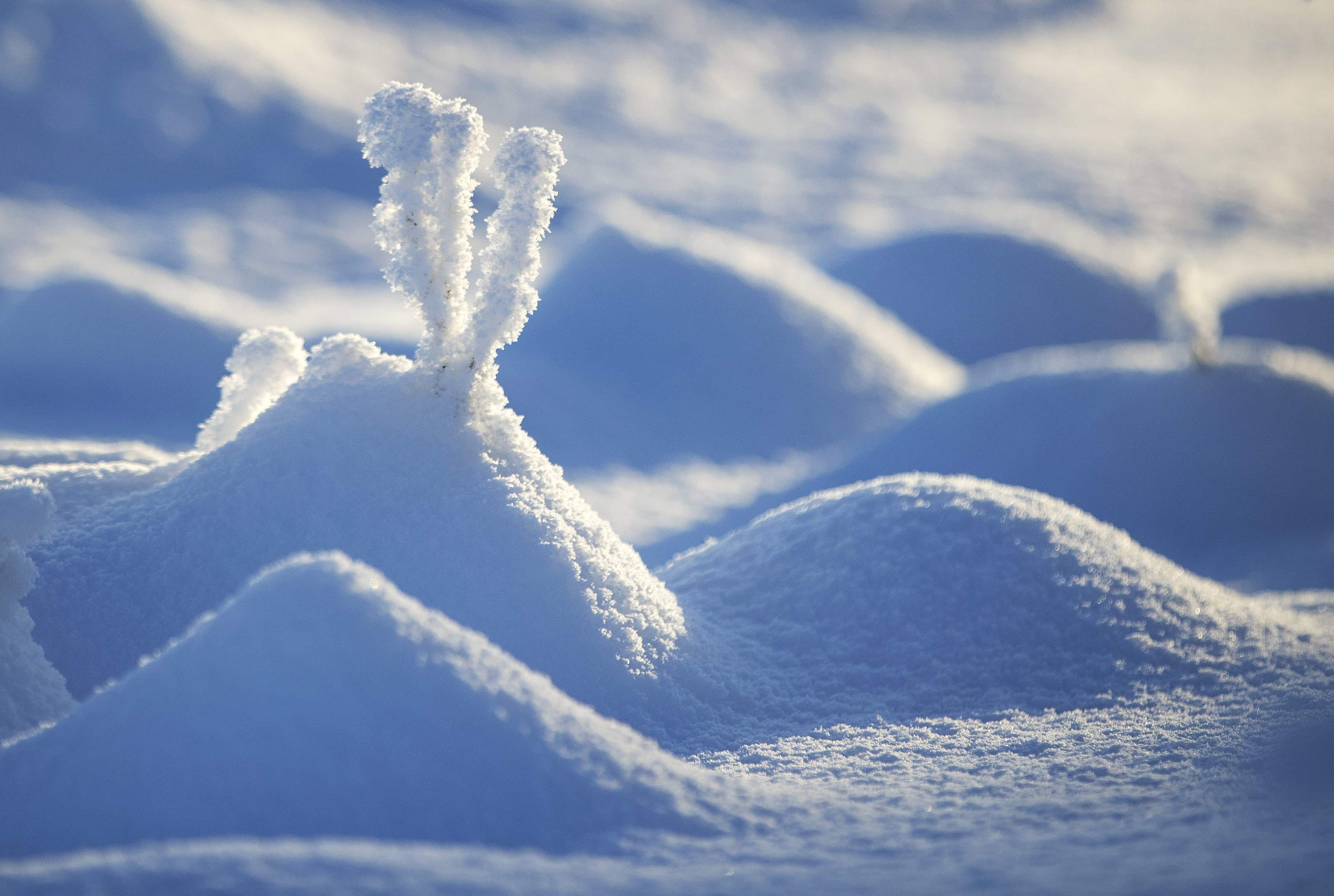
As October progresses, the snowline gradually descends, blanketing the interior regions. Cities like Fairbanks, situated in the heart of the interior, typically experience their first persistent snowfalls by mid-October. This timing is crucial for visitors hoping to witness the ethereal dance of the aurora borealis against a pristine white backdrop, as the longer nights and clearer skies begin to align with the snow-covered landscape. The presence of snow significantly enhances the visual drama of the northern lights, reflecting their vibrant hues.
Coastal areas, influenced by the warmer Pacific Ocean currents, generally see a later start to their snow season. Southern coastal cities such as Anchorage and Juneau might not experience their first enduring snow until November, and sometimes even later. Here, the initial precipitation can often be a mix of rain and snow, gradually transitioning to consistent snowfall as temperatures drop further into winter. This climatic gradient across the state means that a traveler could experience crisp autumn foliage in one region while another is already deeply ensconced in winter’s embrace. Planning your Alaska adventure requires careful consideration of these regional differences to align with your desired snow experience.
Regional Variations: A Deeper Dive
Understanding the specific regional patterns of snowfall is vital for crafting an ideal itinerary. Each of Alaska’s distinct geographical zones offers a unique winter experience, directly influenced by when and how much snow it receives.
Interior Alaska (Fairbanks, Denali National Park)
Interior Alaska is synonymous with early, intense winters. In areas around Fairbanks and near Denali National Park, the first measurable snow can fall as early as late September, becoming a permanent fixture by mid-October. The region’s continental climate leads to dry, powdery snow, ideal for winter sports like cross-country skiing, dog mushing, and snowmobiling. The sustained cold temperatures ensure the snow cover remains deep and pristine throughout the long winter, often lasting until April or even May in shaded areas. This makes the interior a prime destination for those seeking a quintessential Alaskan winter wonderland experience, especially for viewing the northern lights without the interruption of cloud cover typical of coastal regions.
Southcentral Alaska (Anchorage, Girdwood)
Southcentral Alaska, home to the state’s largest city, Anchorage, and popular ski destinations like Girdwood, experiences a more moderate onset of winter. Significant snowfall typically begins in November, although light dustings can occur in October. The proximity to the coast means temperatures are generally milder than the interior, leading to heavier, wetter snow, particularly in the early season. Girdwood, home to Alyeska Resort, benefits from abundant snowfall, making it a premier destination for downhill skiing and snowboarding from late November through April. For travelers seeking a balance between urban amenities and accessible winter sports, Southcentral Alaska offers a vibrant and active winter scene.
Coastal Alaska (Juneau, Sitka)
The panhandle region, including cities like Juneau and Sitka, is heavily influenced by the Pacific Ocean. This results in a later and often less consistent snow season compared to other parts of Alaska. While mountain elevations above these cities will see snow earlier, the cities themselves might not accumulate significant snow until December or even January. Precipitation often starts as rain, transitioning to snow as colder air masses move in. The snow here tends to be wetter and can be interspersed with rain throughout the winter. While still beautiful, this region’s winter experience is less about deep, powdery snow and more about dramatic, often misty landscapes and the unique charm of maritime towns against a snowy backdrop.
Arctic Alaska (Utqiagvik, Prudhoe Bay)

For the earliest and longest-lasting snow cover, Arctic Alaska is the undisputed champion. Regions such as Utqiagvik (formerly Barrow) and Prudhoe Bay can experience their first snowfalls in late August or early September. The snow cover quickly becomes permanent, ushering in a long, dark, and intensely cold winter. This extreme environment offers a truly unique travel experience, appealing to adventurous spirits keen on experiencing the raw power of the Arctic, witnessing the polar night, and perhaps even encountering polar wildlife in its natural, snowy habitat. Travel to these regions is highly specialized, often requiring specific logistical planning due to the remote and harsh conditions.
Preparing for an Alaskan Winter Experience
Venturing into Alaska’s winter wonderland requires thoughtful preparation, regardless of when the snow starts to fall in your chosen destination. The right gear and an understanding of winter conditions are crucial for a comfortable and enjoyable trip.
Packing in layers is the golden rule for Alaskan winters. Start with a moisture-wicking base layer to keep sweat away from your skin. Add insulating mid-layers, such as fleece or down, to trap warmth. Your outermost layer should be waterproof and windproof, capable of repelling snow and blocking harsh winds. Essential accessories include warm hats that cover your ears, waterproof gloves or mittens, and insulated, waterproof boots with good traction. Hand warmers and toe warmers are small additions that can make a big difference during extended outdoor activities. Sunglasses are also important, as snow can create significant glare, especially on sunny days.
The timing of snow also dictates the availability and quality of specific winter activities. For prime downhill skiing and snowboarding, aim for mid-winter (December to March) in areas like Girdwood or Eagle River. Dog mushing tours and ice fishing typically kick off once lakes and rivers are solidly frozen and snow cover is sufficient, usually by November in the interior and December further south. Aurora borealis viewing is best from late September through April, with optimal conditions when the skies are clear and dark, and snow adds to the visual appeal. To enhance your chances of seeing the aurora, aim for periods around the new moon.
Transportation considerations become critical in winter. Many roads are well-maintained, but winter tires are a necessity, and four-wheel-drive vehicles are often recommended, especially for venturing off main highways. The Alaska Railroad offers winter service, providing a unique and often scenic way to travel between Anchorage, Fairbanks, and other communities. Air travel can be subject to delays or cancellations due to weather, so building flexibility into your itinerary is a wise decision. Always check local weather forecasts and road conditions before embarking on any journey.
Experiencing Alaska’s Winter Wonderland
Once the snow has firmly settled, Alaska transforms into a breathtaking landscape offering unparalleled winter experiences for the intrepid traveler. From exhilarating outdoor sports to serene natural beauty and unique cultural events, the snowy season unveils a different facet of this magnificent state.
Denali National Park, while partially closed to vehicle traffic in winter, offers unparalleled cross-country skiing, snowshoeing, and dog mushing opportunities. The limited access means fewer crowds, allowing for a more intimate encounter with the park’s wildlife and pristine wilderness. Fairbanks truly comes alive in winter, establishing itself as one of the world’s premier destinations for viewing the aurora borealis. Visitors can combine aurora hunts with visits to the Ice Museum, soaking in natural hot springs, or participating in the World Ice Art Championships.
For those seeking adrenaline, Alyeska Resort in Girdwood boasts extensive ski runs and breathtaking views of Turnagain Arm. Beyond skiing, the resort also offers scenic tram rides and luxury accommodations, making it an ideal base for a winter getaway. The Alaska Railroad’s “Aurora Winter Train” service provides a comfortable and scenic journey between Anchorage and Fairbanks, offering panoramic views of snow-laden forests and frozen rivers, often with opportunities to spot wildlife along the way.
Winter in Alaska is also a time for unique cultural events. The iconic Iditarod Trail Sled Dog Race kicks off in early March from Anchorage, drawing visitors from around the globe to witness the start of “The Last Great Race.” Numerous local festivals celebrate ice, snow, and the unique Alaskan spirit, providing insights into the resilient culture shaped by this northern environment. From snow sculpture competitions to festive winter markets, these events offer a warm and inviting atmosphere amidst the cold.

Beyond the First Flakes: The Full Winter Season
The arrival of the first snow is merely the prelude to Alaska’s profound and enduring winter season. Once the initial flakes have fallen, snow accumulation typically continues, building a deep and consistent snowpack that characterizes much of the state for several months.
In Interior Alaska and the Arctic, snow cover can persist from October well into April or even May, often reaching depths of several feet. This extended period ensures ample opportunities for all manner of winter activities and maintains the pristine, often ethereal landscape that draws so many to the region. The cold, dry air typical of these areas helps preserve the snow in a light, powdery form, ideal for recreation and for showcasing the stark beauty of the winter wilderness.
Southcentral Alaska generally experiences significant snow from November through March. While temperatures are somewhat milder than the interior, the snow still provides excellent conditions for skiing, snowshoeing, and enjoying the various outdoor recreational areas around Anchorage and the Kenai Peninsula. The coastal areas, particularly the Southeast Panhandle, might see snow accumulate only intermittently or for shorter durations, depending on the specific weather patterns each winter. However, even these regions boast snow-capped mountains and a distinct winter charm, with a unique blend of marine and alpine influences.
Travelers should understand that the full Alaskan winter is a commitment to cold and snow, but it’s a commitment that yields immense rewards. The challenges of cold weather travel are easily overcome with proper preparation and respect for the environment. The quiet solitude of a snow-covered forest, the dazzling spectacle of the aurora borealis reflecting off a white landscape, and the thrill of uniquely Alaskan winter activities combine to create an unforgettable travel experience that few other destinations can rival. From the first delicate flakes to the deep, lasting blankets of white, Alaska’s snow season is a journey into a world of pristine beauty and thrilling adventure.
LifeOutOfTheBox is a participant in the Amazon Services LLC Associates Program, an affiliate advertising program designed to provide a means for sites to earn advertising fees by advertising and linking to Amazon.com. Amazon, the Amazon logo, AmazonSupply, and the AmazonSupply logo are trademarks of Amazon.com, Inc. or its affiliates. As an Amazon Associate we earn affiliate commissions from qualifying purchases.