
The global financial markets are a dynamic and often complex entity, with their operations dictating crucial moments for investors, traders, and businesses worldwide. At the heart of this intricate system, especially for those attuned to the American economic landscape, lies the New York Stock Exchange. Understanding its trading hours is not merely an academic exercise; it’s a fundamental aspect of navigating the financial world, whether you are a seasoned professional or an individual investor with a keen interest in market movements. This article aims to demystify the daily operational rhythm of the NYSE, providing clarity on its closing times and the factors that influence them.
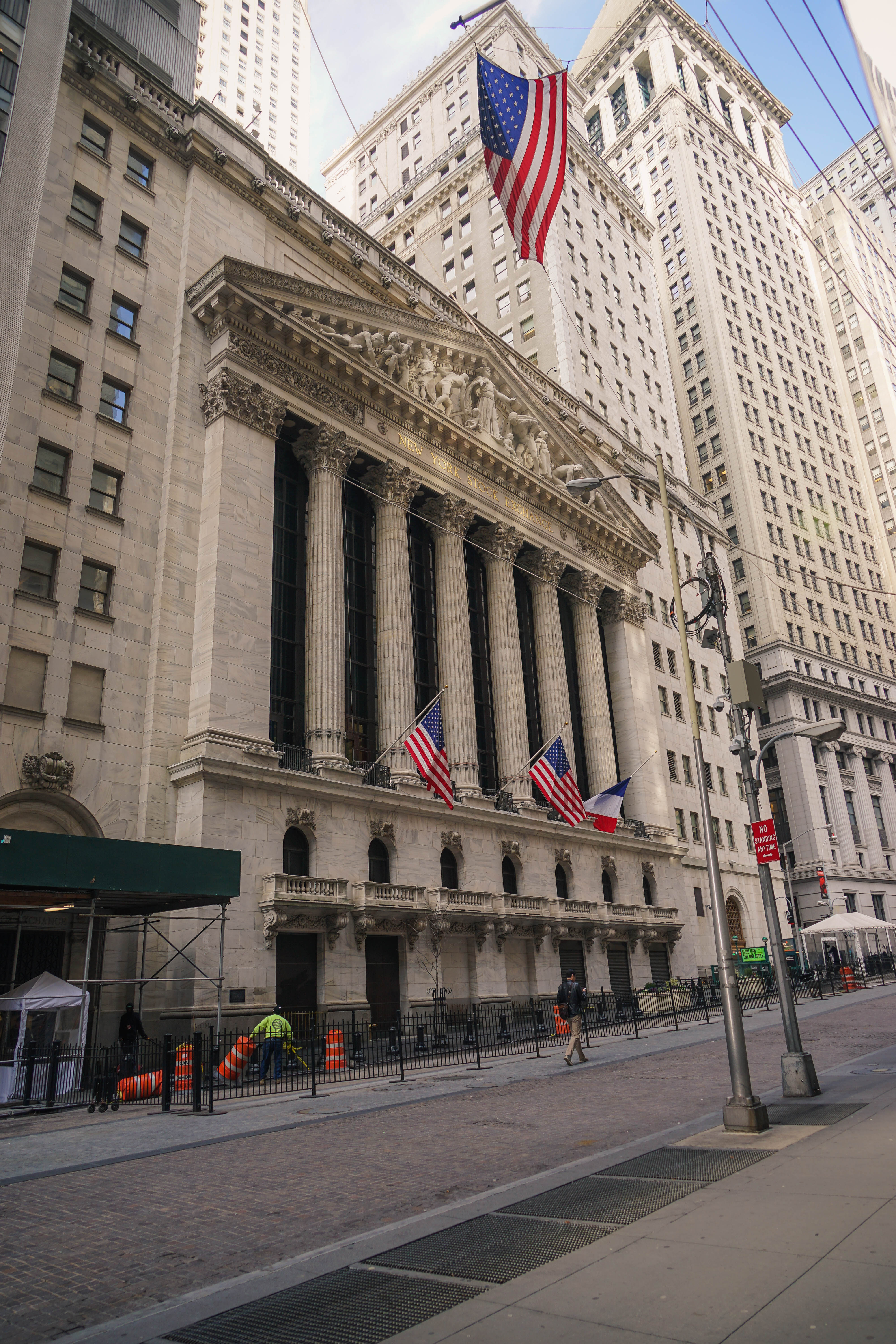
Understanding NYSE Trading Hours: A Daily Overview
The New York Stock Exchange, a venerable institution in the world of finance, operates on a consistent schedule to facilitate the buying and selling of securities. This schedule is designed to provide ample opportunity for market participants to engage with the listed companies while also adhering to global market interoperability. The standard trading day at the NYSE is a well-defined period, crucial for understanding when to execute trades and when to anticipate market activity.
The Regular Trading Day
The typical trading day for the New York Stock Exchange commences at 9:30 AM Eastern Time (ET) and concludes at 4:00 PM Eastern Time (ET). This seven-and-a-half-hour window is the primary period during which the vast majority of stock trading occurs. This consistent schedule ensures predictability for market participants across different time zones and financial centers. The opening bell at 9:30 AM signals the start of active trading, allowing for initial price discovery and the execution of orders that have accumulated overnight. Throughout the day, the market is a hive of activity, with prices fluctuating based on news, economic data, corporate announcements, and global events. The closing bell at 4:00 PM ET marks the end of the regular trading session, after which most standard trading activities cease for the day.
Pre-Market and After-Hours Trading
While the 9:30 AM to 4:00 PM ET window represents the core trading session, it’s important to acknowledge that market activity doesn’t entirely halt outside these hours. The NYSE offers pre-market trading sessions, which typically begin as early as 4:00 AM ET and run until the 9:30 AM opening. This allows investors to react to overnight news and events before the regular session begins. Similarly, after-hours trading sessions extend beyond the 4:00 PM ET closing. These sessions usually run from 4:00 PM ET to 8:00 PM ET. Trading volumes during pre-market and after-hours sessions are generally lower than during the regular trading day, and price volatility can be higher due to reduced liquidity. For most individual investors, focusing on the regular trading hours is sufficient, but understanding the existence of these extended sessions can provide a more complete picture of market dynamics.
Special Trading Sessions and Market Holidays
While the standard daily schedule is consistent, the NYSE also observes special trading sessions and a number of holidays throughout the year that alter its closing times or result in full closures. These deviations are important for investors to be aware of to avoid misinterpretations of market availability.
Early Closings
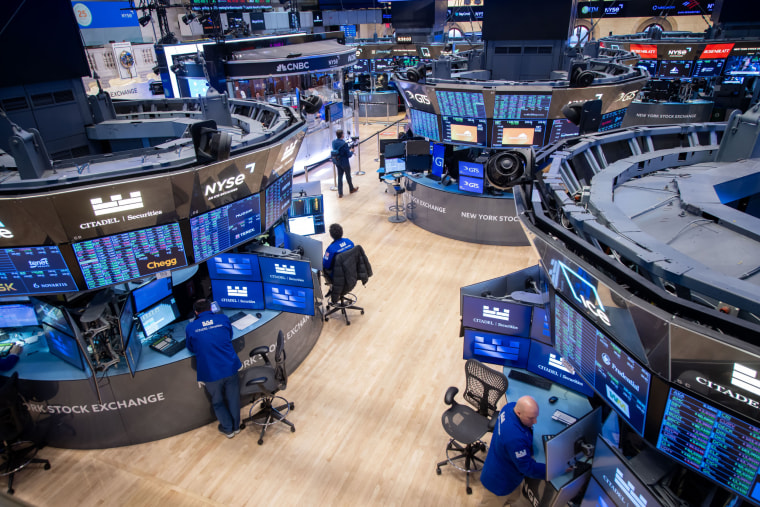
On certain days, the New York Stock Exchange may schedule early closings. These typically occur on the day after Thanksgiving and on Christmas Eve, when the market closes at 1:00 PM ET. These early closings are usually announced well in advance, allowing market participants to adjust their trading strategies accordingly. The rationale behind these abbreviated sessions often relates to holiday traditions and reduced market participation, ensuring that the market operates efficiently even with fewer active traders. The reduced trading hours can sometimes lead to lower liquidity and increased volatility in the final minutes of trading.
Market Holidays
The NYSE observes a fixed list of holidays each year, during which the exchange is closed for the entire trading day. These holidays are aligned with federal holidays in the United States. Some of the key holidays include:
- New Year’s Day: January 1st
- Martin Luther King, Jr. Day: Third Monday in January
- Presidents’ Day: Third Monday in February
- Good Friday: The Friday before Easter Sunday
- Memorial Day: Last Monday in May
- Juneteenth National Independence Day: June 19th
- Independence Day: July 4th
- Labor Day: First Monday in September
- Thanksgiving Day: Fourth Thursday in November
- Christmas Day: December 25th
It is crucial for traders and investors to consult the official NYSE calendar for the most accurate and up-to-date information on market holidays, as the specific dates for some holidays, like Martin Luther King-Jr. Day and Presidents Day, vary annually. Additionally, while rare, the NYSE may close unexpectedly due to unforeseen circumstances, such as severe weather events or other major disruptions. In such instances, official announcements are made to inform the public.
The Significance of Closing Times for Investors and Businesses
The closing time of the New York Stock Exchange is more than just a chronological marker; it has profound implications for a wide array of stakeholders, influencing trading strategies, financial reporting, and broader economic sentiment. Understanding these implications is vital for anyone involved in or observing the financial markets.
Impact on Trading Strategies
For active traders, the closing bell signifies the end of the primary opportunity to execute trades within the regular session. This can influence their strategies, as they may aim to close out positions or enter new ones before the market closes. Some traders might employ strategies that specifically take advantage of the closing auction, a period just before the market officially shuts down where buy and sell orders are matched to determine the closing price. The closing price is often a benchmark for many financial instruments and can influence investor sentiment for the next trading day. The reduced liquidity and potential for increased volatility in the pre-market and after-hours sessions also require specific strategies for those who choose to trade outside of regular hours.
Influence on Financial Reporting and Analysis
The closing price of stocks and other securities is a critical data point for financial reporting and analysis. Companies use closing prices to value their outstanding shares, calculate market capitalization, and report performance in their financial statements. Analysts and fund managers rely on closing prices to assess the performance of portfolios, track market trends, and make investment decisions. The end-of-day valuation provides a standardized snapshot of market value, allowing for consistent comparisons over time and across different companies. Furthermore, the closing price can serve as an indicator of the market’s overall sentiment towards specific companies or the broader economy at the end of a trading day.

Broader Economic and Global Implications
The New York Stock Exchange is a leading indicator of economic health, and its daily closing reflects the cumulative sentiment of investors regarding the state of the United States economy and global markets. Major shifts in the closing prices can signal investor confidence or concern, influencing decisions made by businesses and policymakers. The NYSE’s closing times also have implications for international markets, as the conclusion of trading in New York can influence the opening and trading activities in markets in Europe and Asia on the subsequent day. For instance, significant movements in the NYSE before its close can set the tone for overnight trading in Asian markets. This interconnectedness underscores the global significance of the NYSE’s operational schedule.
In conclusion, understanding the closing times of the New York Stock Exchange is fundamental for anyone engaged in the financial markets. From the daily rhythm of trading to the observance of holidays and special sessions, these timings shape investment strategies, financial reporting, and the broader economic narrative. Staying informed about the NYSE’s schedule ensures a more nuanced and effective approach to navigating the complexities of modern finance.
LifeOutOfTheBox is a participant in the Amazon Services LLC Associates Program, an affiliate advertising program designed to provide a means for sites to earn advertising fees by advertising and linking to Amazon.com. Amazon, the Amazon logo, AmazonSupply, and the AmazonSupply logo are trademarks of Amazon.com, Inc. or its affiliates. As an Amazon Associate we earn affiliate commissions from qualifying purchases.