
The New York Stock Exchange (NYSE), a global epicenter of finance and a towering New York City landmark, operates on a specific schedule that is crucial for investors, traders, and even curious tourists. Understanding its trading hours is key to navigating the financial markets, but for those exploring the vibrant city, knowing when the exchange is open or closed can also inform their itinerary, especially when planning a visit to the surrounding financial district.
While the primary focus of this article is the operational schedule of the NYSE, the surrounding area of Lower Manhattan is steeped in history and offers a wealth of experiences that complement any visit. From iconic landmarks to burgeoning culinary scenes, there’s much to discover in the vicinity of this powerful financial institution.
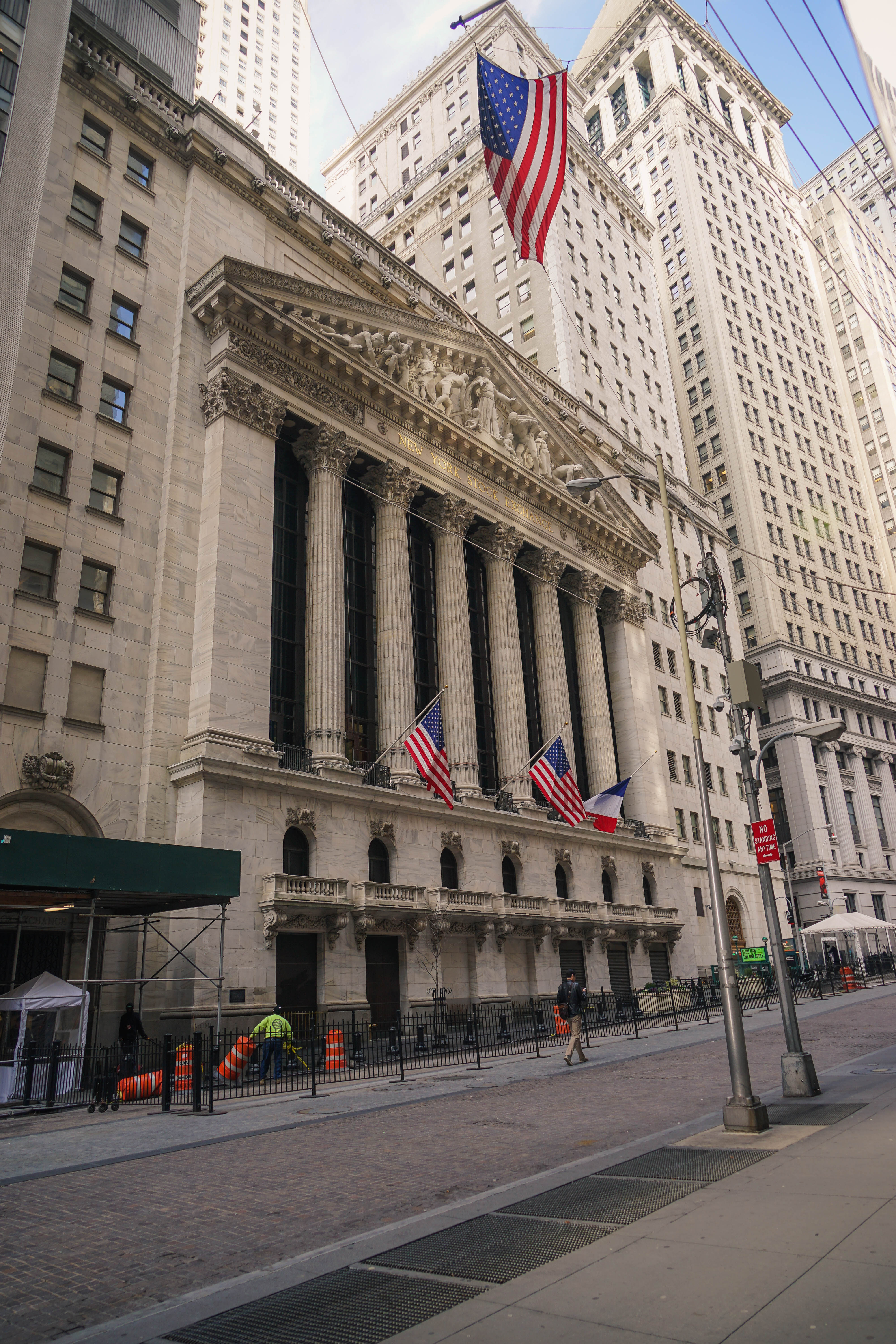
Understanding NYSE Trading Hours: A Global Perspective
The New York Stock Exchange (NYSE) is a cornerstone of global finance, and its trading hours dictate when significant financial decisions are made that ripple across international markets. For any investor, whether seasoned or novice, knowing precisely when the market opens and closes is paramount. This knowledge allows for strategic planning, timely execution of trades, and an understanding of when market sentiment can shift most dramatically.
Regular Trading Sessions
The standard trading day at the NYSE runs from 9:30 AM to 4:00 PM Eastern Time (ET), Monday through Friday. This seven-hour window is when the vast majority of buying and selling activity occurs. This consistent schedule ensures predictability for market participants worldwide, allowing them to align their trading strategies with New York time.
It’s important to note that Eastern Time is crucial. For those in different time zones, such as on the West Coast of the United States or in Europe, this translates to different local times. For instance, 9:30 AM ET is 6:30 AM Pacific Time, and 4:00 PM ET is 1:00 PM Pacific Time. In London, it would be 2:30 PM to 9:00 PM GMT, highlighting the global reach and interconnectedness of the NYSE.
Pre-Market and After-Hours Trading
Beyond the regular trading session, the NYSE also facilitates pre-market and after-hours trading. These sessions offer additional opportunities for investors to trade securities outside of the standard hours.
Pre-Market Trading
Pre-market trading typically begins as early as 4:00 AM ET and runs until the regular session opens at 9:30 AM ET. This period is vital for reacting to overnight news, corporate announcements, or global economic developments that might have occurred when the NYSE was closed. While liquidity can be lower during pre-market hours, it provides an avenue for immediate adjustments to portfolios.
After-Hours Trading
Similarly, after-hours trading commences at 4:00 PM ET immediately after the close of the regular session and continues until 8:00 PM ET. This allows investors to trade based on news or events that emerge during the regular trading day but were too late to be incorporated into trades. Like pre-market trading, after-hours trading can experience thinner volume, leading to potentially wider bid-ask spreads.
Holidays and Closures
The NYSE observes a number of holidays throughout the year, during which it remains closed. These closures are generally aligned with federal holidays in the United States. Understanding these dates is crucial to avoid planning trades on days when the market is inactive.
Commonly observed NYSE holidays include:
- New Year’s Day
- Martin Luther King, Jr. Day
- Presidents’ Day
- Good Friday
- Memorial Day
- Juneteenth National Independence Day
- Independence Day
- Labor Day
- Thanksgiving Day
- Christmas Day
In addition to these fixed holidays, the NYSE may also close early on days preceding certain holidays. For example, the market might close early on the day after Thanksgiving or the day before Christmas, depending on the specific calendar. It’s always advisable to check the official NYSE holiday calendar for the most accurate and up-to-date information regarding trading hours and closures.

Beyond the Trading Floor: Exploring the Financial District and its Attractions
While the intricate dance of buying and selling happens within the New York Stock Exchange building, the surrounding Financial District of New York City offers a rich tapestry of experiences for visitors. This historic neighborhood, once the heart of the nation’s burgeoning economy, is now a compelling destination for history buffs, architecture admirers, and urban explorers alike.
Landmarks and Historical Significance
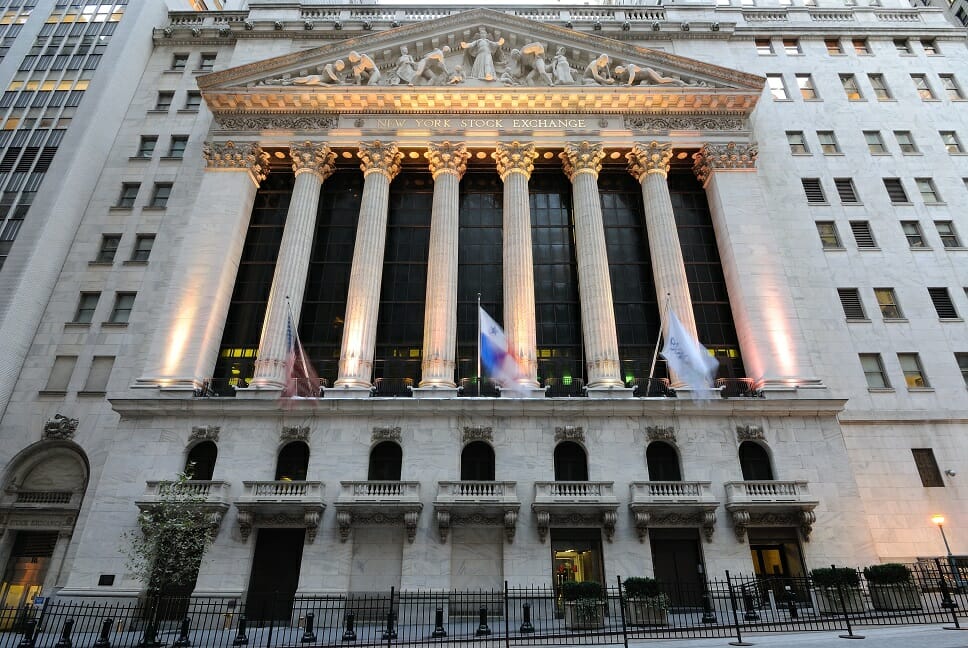
The Financial District is home to some of New York City’s most significant landmarks, each telling a story of the city’s past and present. Standing tall amongst them is the New York Stock Exchange itself, a magnificent Beaux-Arts building at 11 Wall Street. Though visitors cannot typically enter the trading floor, the exterior architecture is a sight to behold, a testament to the grandeur of American capitalism.
A short walk away lies Federal Hall, a site of immense historical importance. It was here that George Washington took his oath of office as the first President of the United States. Today, Federal Hall stands as a museum and memorial, offering a glimpse into the early days of the republic. Its neoclassical architecture and commanding presence make it a must-visit for anyone interested in American history.
No visit to the Financial District would be complete without paying respects at the 9/11 Memorial & Museum. This poignant tribute honors the victims of the September 11th attacks and serves as a powerful reminder of resilience and remembrance. The twin reflecting pools, set within the footprints of the former World Trade Center towers, are a deeply moving sight. The adjacent museum provides a comprehensive and somber account of the events of that day.
Architectural Marvels and Urban Exploration
The Financial District is a playground for architecture enthusiasts. Beyond the grandeur of the NYSE and the historical significance of Federal Hall, the area boasts a diverse range of architectural styles. Modern skyscrapers pierce the sky, offering a stark contrast to the older, more ornate buildings that have stood for decades.
Consider a stroll down Wall Street, the street that has become synonymous with global finance. While it’s a hub of activity during the week, it offers a different atmosphere on weekends, allowing for a more leisurely exploration of its storied buildings. Look up at the intricate details of buildings like 20 Exchange Place, an Art Deco masterpiece, or admire the sleek lines of contemporary structures that have reshaped the skyline.
For panoramic views of the city and the harbor, the One World Observatory at the One World Trade Center offers an unparalleled perspective. This modern marvel stands as a symbol of rebuilding and innovation, providing breathtaking vistas that stretch for miles.
Culinary Delights and Local Flavors
While the Financial District might be primarily known for its financial institutions, its culinary scene has been evolving, offering a surprising array of dining options. From quick bites to more sophisticated dining experiences, there’s something to satisfy every palate.
For those seeking a classic New York deli experience, various establishments in and around the district offer delicious sandwiches and traditional fare. Seafood restaurants are also abundant, taking advantage of the city’s proximity to the coast. And for a truly authentic taste of New York, exploring the food trucks that dot the streets can lead to unexpected culinary treasures, from gourmet grilled cheese to diverse ethnic cuisines.
Evenings in the Financial District can transform the area into a sophisticated dining destination. Many of the upscale restaurants cater to the business crowd, but they are equally welcoming to tourists looking for a memorable meal. Exploring Stone Street, a charming cobblestone lane, offers a unique dining experience with a variety of pubs and restaurants housed in historic buildings, often featuring outdoor seating perfect for enjoying a meal al fresco.
Navigating the Area and Practical Tips for Visitors
When planning a visit to the New York Stock Exchange and its surrounding Financial District, a few practical tips can enhance your experience. The area is well-served by public transportation, with numerous subway lines and bus routes making it easily accessible from other parts of New York City. The subway is often the most efficient way to navigate the bustling streets.
Comfortable walking shoes are essential, as exploring the Financial District involves a significant amount of walking. The sidewalks can be crowded, especially during weekdays, so be prepared for a lively atmosphere.
For those interested in the NYSE specifically, while tours of the trading floor are generally not available to the public, informational displays and exhibits are sometimes accessible in nearby buildings or visitor centers. It’s always a good idea to check the official NYSE website or local tourism resources for any current public access or viewing opportunities.
When visiting landmarks like Federal Hall or the 9/11 Memorial & Museum, consider purchasing tickets in advance, especially during peak tourist seasons, to avoid long queues. The 9/11 Memorial & Museum can be an emotionally impactful experience, so allow ample time for reflection and contemplation.
The Financial District is a dynamic part of New York City, offering a blend of historical significance, architectural splendor, and a vibrant urban life. By understanding the operational schedule of the New York Stock Exchange and by delving into the wealth of attractions that surround it, visitors can craft a truly enriching and memorable experience in this iconic part of the city.
LifeOutOfTheBox is a participant in the Amazon Services LLC Associates Program, an affiliate advertising program designed to provide a means for sites to earn advertising fees by advertising and linking to Amazon.com. Amazon, the Amazon logo, AmazonSupply, and the AmazonSupply logo are trademarks of Amazon.com, Inc. or its affiliates. As an Amazon Associate we earn affiliate commissions from qualifying purchases.