
The hum of the New York Stock Exchange (NYSE) is a powerful pulse in the heart of global finance, a place where fortunes are made and lost with the rapid firing of buy and sell orders. For anyone interested in the world of business, finance, or simply the vibrant energy of New York City, understanding the operational rhythm of this iconic institution is key. This extends beyond the traders on the floor to the countless individuals who plan their New York City visits with the hope of glimpsing this historic landmark, or perhaps even incorporating a visit to the surrounding Financial District into their travel itinerary. But when exactly does this engine of capitalism ignite its daily operations?

The Daily Bellwether: NYSE Trading Hours
The most common question for those observing the financial markets is straightforward: when does the New York Stock Exchange open? The answer is consistent and forms the bedrock of trading for many investors and analysts worldwide.
Standard Trading Day
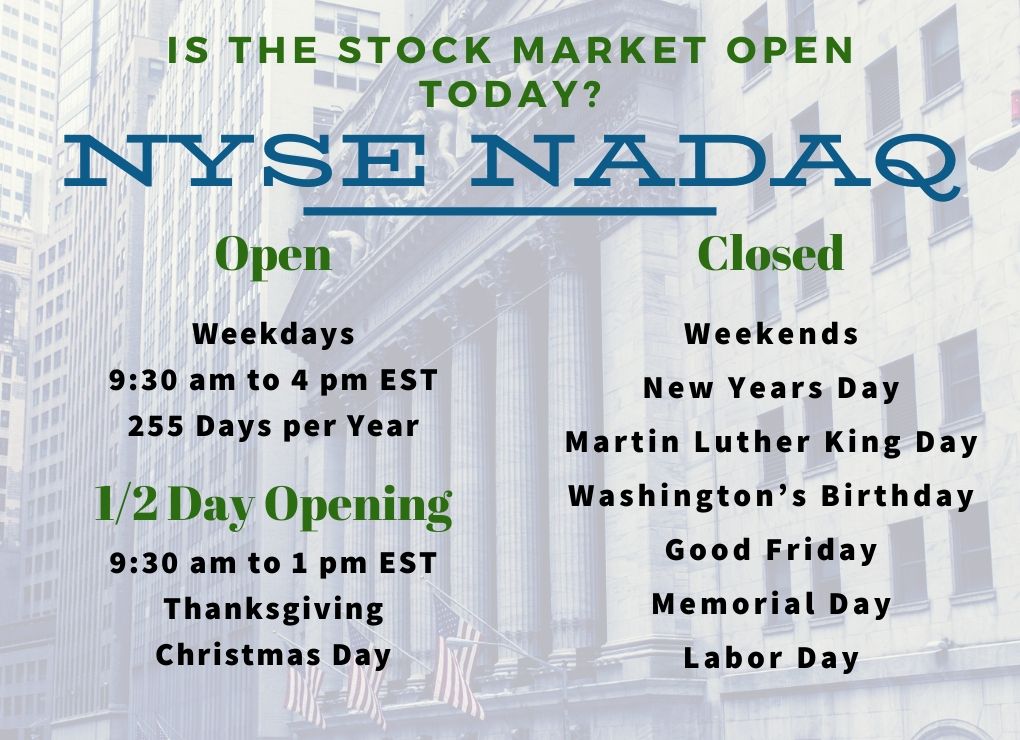
The New York Stock Exchange adheres to a strict schedule, with its regular trading hours beginning promptly at 9:30 AM Eastern Time (ET). This precise moment marks the commencement of the day’s trading activities, signaling that the doors of commerce have swung open for business. This time is crucial for not only domestic investors but also for international participants whose own market hours may be significantly different. For instance, traders in Europe might be wrapping up their day as the NYSE opens, creating a dynamic and overlapping period of global market activity.
This 9:30 AM opening time has been a long-standing tradition, providing a predictable framework for market participants. It allows for pre-market trading, where certain trades can be executed before the official opening, and for the anticipation to build towards the moment the opening bell rings. The opening itself is a significant event, often marked by a ceremonial bell ringing, though the actual trading volume and activity begin immediately as the first trades are processed.
The Crucial Morning Session
The period immediately following the opening is often characterized by high volatility and significant trading volume. This is when the market digests overnight news, corporate announcements, and any geopolitical developments that may have occurred since the previous close. For those closely watching the market, this initial hour or so is particularly important for gauging the day’s sentiment and identifying potential trading opportunities.
It’s also during this morning session that many analysts and commentators offer their initial assessments of market movements. They will often discuss which sectors are performing well, which stocks are making notable gains or losses, and what factors are driving these changes. For a tourist visiting New York City, understanding these opening hours can even inform their exploration of the Financial District. Imagine standing near Wall Street at precisely 9:30 AM, feeling the collective energy as the financial world awakens. While you might not be on the trading floor, you can certainly feel the buzz.
Beyond the Opening Bell: Extended Trading and Closures
While the 9:30 AM opening is the standard, the New York Stock Exchange operates within a broader schedule that includes periods before and after the core trading hours, as well as designated days of closure. Understanding these nuances provides a more complete picture of the NYSE’s operational calendar.
Pre-Market and After-Hours Trading
The NYSE offers opportunities for trading both before the official opening and after the regular session concludes.
Pre-Market Trading
Pre-market trading typically begins as early as 4:00 AM Eastern Time (ET). This allows participants to react to news and events that occur overnight, such as international market movements or significant corporate earnings announcements released outside of regular trading hours. While pre-market trading volumes are generally lower than during regular hours, it can provide an early indication of market sentiment and price direction for the upcoming day.
For institutional investors and those with global portfolios, pre-market access is vital. It enables them to adjust their positions based on new information without having to wait for the main trading session to begin. This also means that while the official opening is at 9:30 AM, the market’s movements might have already begun to shift in the hours leading up to it.
After-Hours Trading
Similarly, after-hours trading extends the trading day beyond the official closing time of 4:00 PM Eastern Time (ET). This session typically runs until 8:00 PM Eastern Time (ET). Like pre-market trading, after-hours sessions tend to have lower liquidity and can be more susceptible to price swings. However, they are essential for reacting to late-breaking news or for executing trades that cannot wait until the next trading day.
The existence of these extended trading hours means that the market is, in a sense, never truly “closed” for dedicated participants. News and events that break after 4 PM can immediately influence prices for the next day’s opening.
Market Holidays and Closures
The New York Stock Exchange observes a number of holidays throughout the year, during which the market is closed. These closures are generally aligned with federal holidays in the United States. Understanding these dates is crucial for anyone planning financial transactions or travel that might coincide with these periods.
Common NYSE holidays include:
- New Year’s Day
- Martin Luther King, Jr. Day
- Presidents’ Day
- Good Friday
- Memorial Day
- Juneteenth National Independence Day
- Independence Day
- Labor Day
- Thanksgiving Day
- Christmas Day
In addition to these standard holidays, the NYSE may also close early on the day before certain holidays, such as the day after Thanksgiving Day or on Christmas Eve if it falls on a weekday. There can also be unscheduled closures due to extreme weather events or other unforeseen circumstances, although these are rare. For those planning a visit to New York City with the specific intention of experiencing the energy around Wall Street, checking the NYSE holiday schedule is a wise move to ensure the area is alive with its usual financial pulse.
Experiencing the NYSE: Beyond the Trading Hours
While the core trading hours define the operational heartbeat of the New York Stock Exchange, the allure of this institution extends far beyond the 9:30 AM opening and 4:00 PM close. For many, visiting New York City offers an opportunity to engage with the history, architecture, and legacy of this financial powerhouse, even if they aren’t directly participating in the market.
Visiting the Financial District
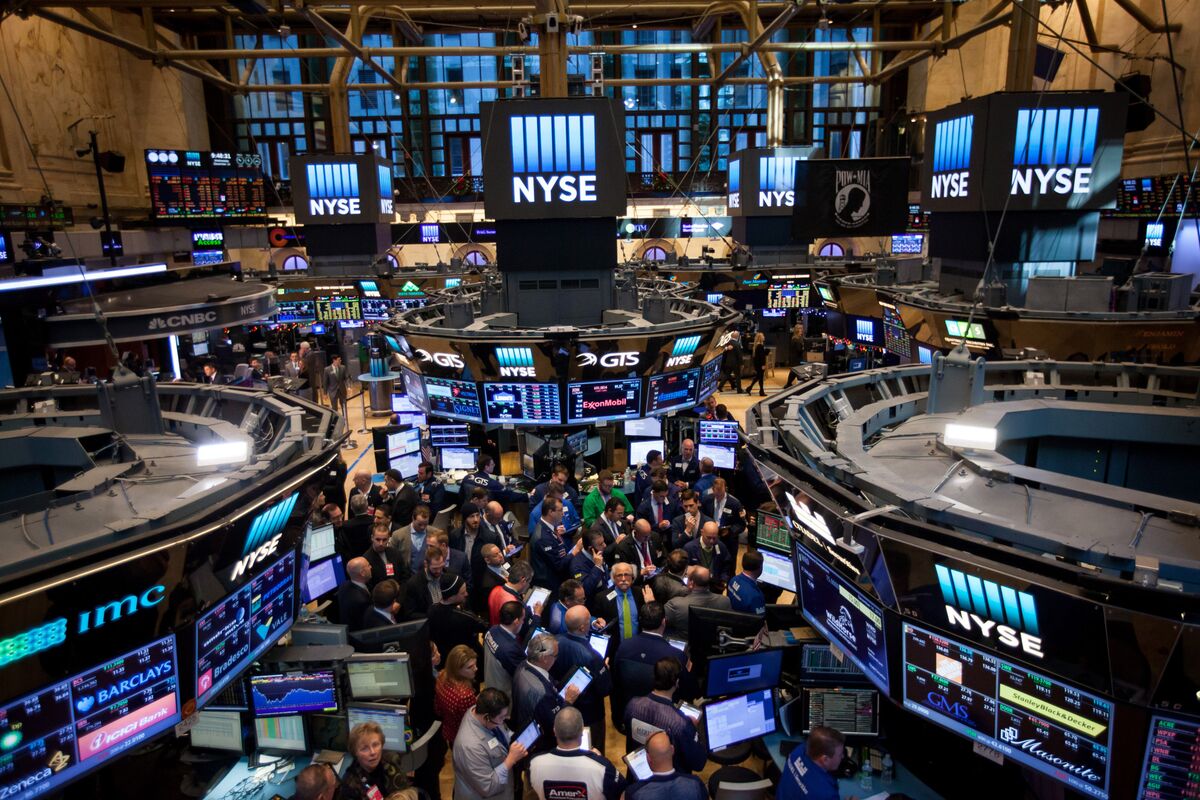
The Financial District in Lower Manhattan is a dynamic neighborhood steeped in history and brimming with iconic landmarks. While direct access to the NYSE trading floor is restricted to authorized personnel, the exterior of the building at 11 Wall Street is a significant sight in itself. The imposing neoclassical architecture stands as a testament to the enduring power and stability of American commerce.
Tourists often find themselves drawn to the area, seeking to capture a piece of this historic milieu. Strolling along Wall Street, one can absorb the atmosphere, imagining the decades of trading activity that have unfolded here. Nearby, other notable landmarks like the Federal Hall, where George Washington was inaugurated as the first President of the United States, and the Charging Bull sculpture, a symbol of financial optimism, are popular points of interest. These sites collectively paint a picture of New York City‘s foundational role in global finance and American history.
For visitors interested in a deeper dive, guided tours of the Financial District are available. These tours often provide historical context, insights into the workings of the financial markets, and a chance to appreciate the unique blend of historical significance and modern commerce that defines the neighborhood. It’s an experience that connects the abstract world of stock prices with the tangible reality of a historic city.
Understanding Market Impact on Travel and Lifestyle
The operations of the New York Stock Exchange have a ripple effect that can influence various aspects of travel and lifestyle, particularly within New York City itself. A booming market can translate into increased consumer confidence, potentially leading to higher demand for luxury travel, fine dining, and upscale accommodations like those found in the Manhattan area. Conversely, market downturns can impact discretionary spending.
For business travelers, understanding the NYSE‘s schedule is crucial for planning meetings and understanding the economic climate. Hotel bookings in the Financial District or nearby areas might see fluctuations based on major economic events or periods of high market activity. For those considering a longer stay or even relocation, the health of the New York Stock Exchange and the broader economy is often a significant factor in lifestyle decisions.
Furthermore, the global nature of the NYSE means its opening hours influence financial news cycles worldwide. This, in turn, can shape discussions about economics, investment, and the overall health of the global economy, topics that are often of interest to a wide range of individuals, from seasoned investors to curious tourists exploring different facets of New York City‘s vibrant character. The NYSE is more than just a place where stocks are traded; it’s a symbol, a historical marker, and a dynamic entity whose rhythm influences the world.
LifeOutOfTheBox is a participant in the Amazon Services LLC Associates Program, an affiliate advertising program designed to provide a means for sites to earn advertising fees by advertising and linking to Amazon.com. Amazon, the Amazon logo, AmazonSupply, and the AmazonSupply logo are trademarks of Amazon.com, Inc. or its affiliates. As an Amazon Associate we earn affiliate commissions from qualifying purchases.