
For travelers eyeing the sun-drenched shores and vibrant attractions of Florida, understanding the state’s distinct weather patterns is paramount for planning an optimal visit. Often referred to as the Sunshine State, Florida also experiences a pronounced rainy season, a crucial factor that can significantly shape your travel experience. Far from a constant downpour, this period is characterized by predictable daily showers and thunderstorms, largely influenced by the state’s unique geographical position and subtropical to tropical climate zones.
Deciphering Florida’s Climate: The Wet Season Defined
Florida’s climate is a fascinating blend, transitioning from a humid subtropical climate in the northern and central regions to a tropical climate in the southern parts, including the Florida Keys. This geographical spectrum means that while the general pattern of a rainy season holds true, there can be subtle variations across the state. The primary driver for this wet period is the increased heat and humidity, drawing moisture from the Gulf of Mexico and the Atlantic Ocean to form convective thunderstorms almost daily.

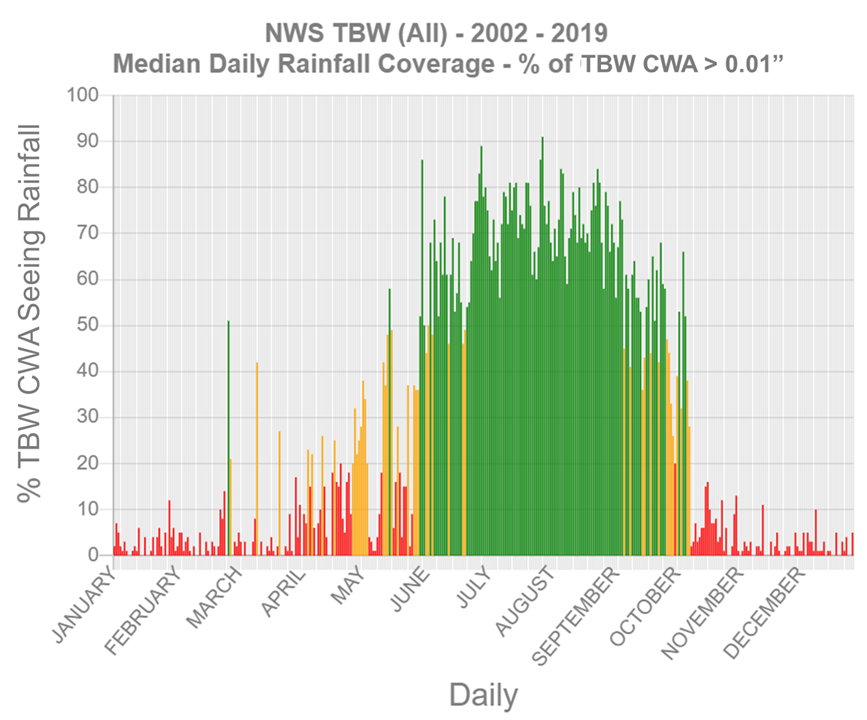
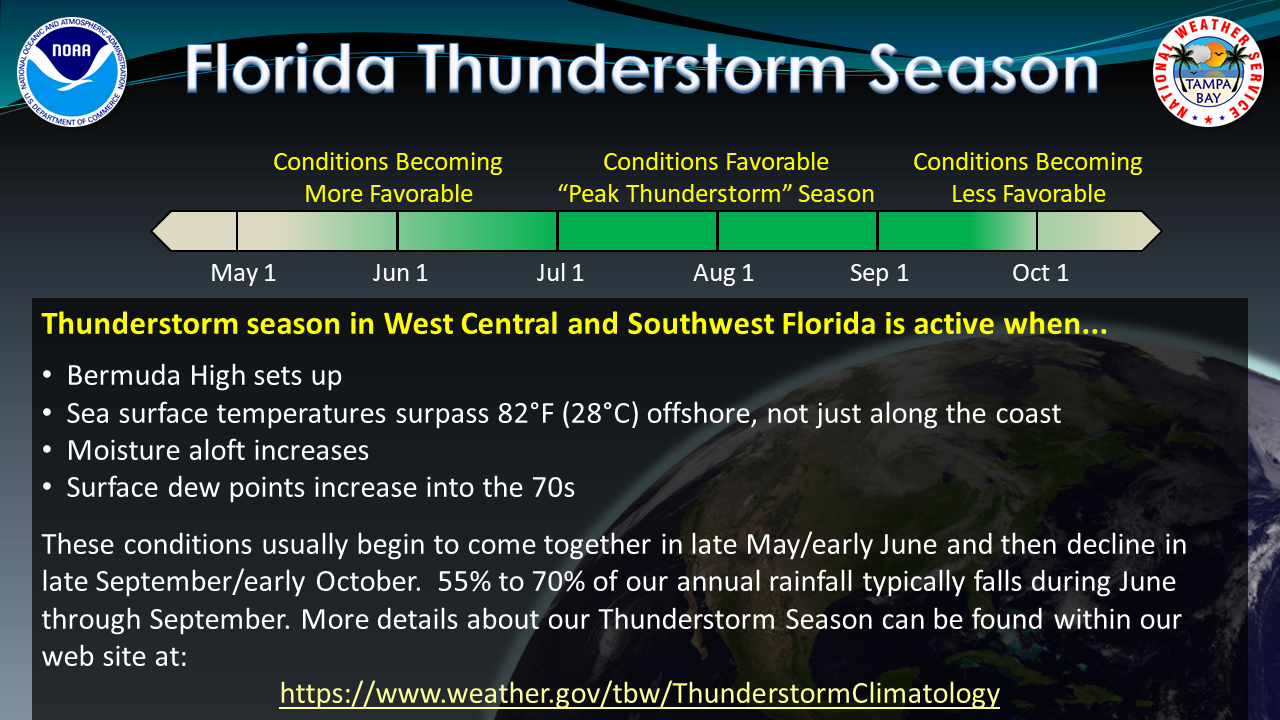
The official start of Florida’s rainy season typically occurs in late May or early June. This transition is marked by a noticeable shift in daily weather patterns: mornings often begin clear and bright, gradually building heat and humidity throughout the day, culminating in afternoon or early evening thunderstorms. These storms are usually brief, lasting anywhere from 30 minutes to a couple of hours, and are often intense, bringing heavy rain, lightning, and sometimes gusty winds. Following the storm, the skies often clear, leading to cooler, refreshed evenings. This pattern generally persists through October, sometimes extending into early November, before the drier, cooler “dry season” returns.
The onset and intensity of the rainy season can vary slightly year to year based on global weather phenomena like El Niño or La Niña, but the fundamental pattern remains consistent. For travelers, this means anticipating rain as a part of the daily forecast, rather than an anomaly. It’s a key consideration for anyone planning outdoor activities, theme park visits, or beach days, demanding a flexible approach to itinerary planning.
The Regional Nuances of Florida’s Rainy Season
While the general start of late May to early June applies across much of the state, the exact timing and characteristics of the rainy season can differ regionally, offering distinct travel implications.
South Florida’s Earlier Onset and Longer Duration
Areas like Miami, Fort Lauderdale, and the Florida Keys (often referred to as South Florida) experience a more pronounced and slightly earlier start to the rainy season, often by mid-May. Due to their tropical climate classification, these regions typically receive higher annual rainfall totals and experience a longer wet season. The warm ocean waters surrounding South Florida contribute significantly to the convection, making afternoon showers almost a daily certainty through the summer and early fall. Travelers to these areas should be particularly prepared for humidity and regular rain, planning indoor alternatives or adjusting schedules to take advantage of clear mornings.
Central Florida’s Predictable Afternoon Showers
Destinations such as Orlando, Tampa, and St. Petersburg in Central Florida also experience the rainy season from early June to October. For theme park enthusiasts visiting Walt Disney World Resort or Universal Orlando Resort, these afternoon thunderstorms are a common occurrence. The pattern of clear mornings followed by intense, but usually brief, afternoon storms is very consistent here. This predictability allows travelers to plan outdoor activities for the mornings and save indoor attractions, dining, or shopping for the late afternoon when the rain typically moves in. The silver lining? These storms often clear the air, reducing humidity and making for pleasant evenings.
North Florida’s Shorter, Less Intense Period
In North Florida, including cities like Jacksonville, Tallahassee, and the Florida Panhandle, the rainy season is generally less intense and somewhat shorter than in the southern parts of the state. While summer still brings increased rainfall and thunderstorms, they may not be as daily or as heavy as those experienced in the tropical south. The region’s humid subtropical climate means it still receives ample summer rain, but it’s often tempered by influences from continental weather systems. Travelers visiting North Florida’s historic cities or natural springs can still expect rain, but perhaps with slightly more flexibility in scheduling outdoor pursuits.
Smart Travel During Florida’s Rainy Season
Traveling to Florida during its wet season doesn’t have to dampen your spirits. With a few strategic adjustments, you can still enjoy a fantastic and memorable trip.
Strategic Itinerary Planning
The golden rule for wet season travel in Florida is to front-load your outdoor activities. Plan to visit theme parks, go to the beach, enjoy outdoor excursions like kayaking in the Everglades National Park, or play a round of golf in the mornings. Most storms typically roll in between 2 PM and 5 PM. Use this time for indoor attractions such as museums, aquariums, shopping malls, or enjoying a leisurely meal. Many theme parks offer indoor shows or rides, perfect for sheltering from a passing shower. Keep a close eye on local weather forecasts, which are usually very accurate for tracking these daily weather events.
Embrace Indoor Attractions and Experiences
Florida boasts a plethora of world-class indoor attractions that are perfect for rainy afternoons. In Orlando, beyond the indoor elements of theme parks, explore options like the Kennedy Space Center Visitor Complex near Cape Canaveral, various aquariums, or shopping at vast malls like The Mall at Millenia. In Miami, the Pérez Art Museum Miami (PAMM), the Phillip and Patricia Frost Museum of Science, or exploring the vibrant art galleries of Wynwood offer excellent alternatives. Even Busch Gardens Tampa Bay in Tampa has a mix of animal encounters and shows that can be enjoyed during rain breaks. The rain can also be an ideal time to explore Florida’s diverse culinary scene, from upscale dining to casual beachfront cafes.
Essential Packing List
Prepare for the rain, and you’ll hardly notice it. Your packing list for Florida’s wet season should include:
- Lightweight rain gear: A compact umbrella or a light rain jacket/poncho is indispensable.
- Waterproof shoes or sandals: Avoid soggy feet by opting for footwear that can handle getting wet and dries quickly.
- Quick-drying clothing: Fabrics like synthetic blends are preferable to cotton.
- Waterproof bag or cover: Protect electronics, cameras, and important documents from unexpected downpours.
- Sun protection: Despite the rain, the sun is powerful when it’s out, so don’t forget sunscreen, hats, and sunglasses.
- Reusable water bottle: Stay hydrated in the heat and humidity.
Beyond the Rain: Additional Considerations for Travelers
While managing the daily rain pattern is key, there are other important aspects for wet season travelers to Florida.
Hurricane Season Overlap
It’s crucial to remember that Florida’s rainy season coincides almost entirely with the Atlantic hurricane season, which runs from June 1st to November 30th. While severe storms are not a daily occurrence, the potential for tropical depressions, tropical storms, and hurricanes exists. Travelers during this period should keep an eye on official weather advisories from the National Hurricane Center (NHC) and consider purchasing travel insurance that covers weather-related cancellations or interruptions. Most major resorts and airlines have clear policies in place for hurricane situations.
Benefits of Off-Peak Travel
Despite the rain, visiting Florida during the wet season, particularly outside of major holidays, can offer several advantages. You’ll often find fewer crowds at popular attractions like the Magic Kingdom or South Beach, especially mid-week. Accommodation rates and flight prices can also be more affordable compared to the peak dry season. The afternoon rain often clears the air, leaving behind vibrant, lush landscapes and spectacular sunsets, making for unique photographic opportunities and a refreshed atmosphere. The rain can also add a dramatic flair to the natural beauty of places like the Everglades National Park, where wildlife may become more active after a shower.
In conclusion, the rainy season is an integral part of Florida’s natural rhythm. By understanding its timing, regional variations, and how to adapt your travel plans, you can still unlock the full potential of a Florida vacation, transforming potential disruptions into enjoyable experiences. With the right preparation, you’ll find that even a few drops can’t diminish the Sunshine State’s charm.
LifeOutOfTheBox is a participant in the Amazon Services LLC Associates Program, an affiliate advertising program designed to provide a means for sites to earn advertising fees by advertising and linking to Amazon.com. Amazon, the Amazon logo, AmazonSupply, and the AmazonSupply logo are trademarks of Amazon.com, Inc. or its affiliates. As an Amazon Associate we earn affiliate commissions from qualifying purchases.