
Montana, a state synonymous with vast, untamed landscapes and abundant wildlife, draws hunters from across the globe. The allure of pursuing elk, deer, and other big game in the rugged terrain of the Big Sky Country is undeniable. For many, the experience is as much about immersing oneself in nature as it is about the hunt itself. Understanding the intricacies of hunting seasons, particularly rifle season, is paramount for any prospective visitor or resident planning a trip. This guide delves into the specifics of Montana’s rifle season, offering insights for a well-prepared and rewarding hunting adventure.
Understanding Montana’s Hunting Regulations
Montana’s hunting regulations are designed to ensure the sustainability of its wildlife populations while providing opportunities for hunters. The Montana Department of Fish, Wildlife & Parks (FWP) is the governing body responsible for setting these seasons, bag limits, and licensing requirements. Their comprehensive approach considers various factors, including species, geographic location within the state, and the specific weapon being used.
The Importance of Accurate Season Dates
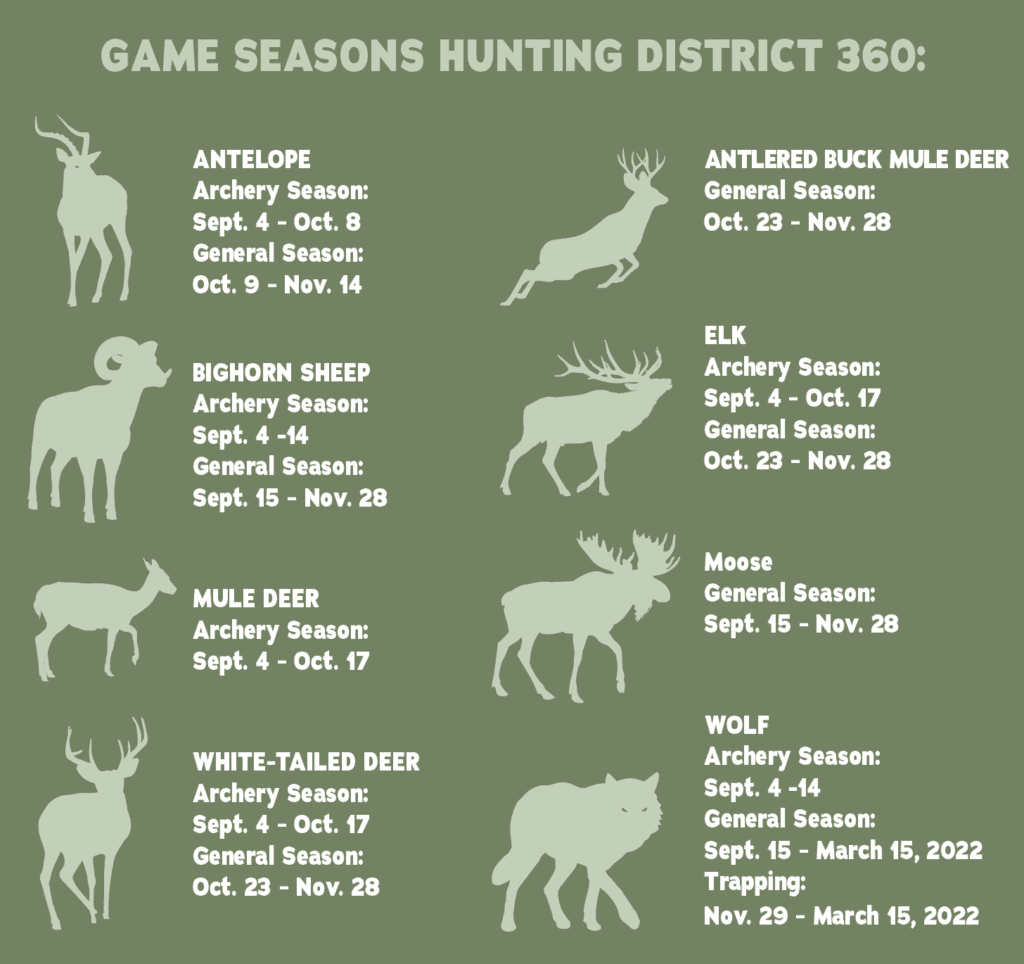
Rifle season is a crucial period for many hunters, as it often coincides with peak animal activity and allows for the pursuit of larger game. The start and end dates of these seasons can vary significantly depending on the specific game management unit (GMU) and the species being hunted. It is essential to consult the official FWP regulations for the most up-to-date and accurate information, as these dates are subject to change based on annual wildlife assessments and management decisions. Missing the precise start date can mean forfeiting a valuable hunting opportunity, while overstaying the end date can lead to significant penalties.
General Rifle Season Framework
While specific dates fluctuate, Montana’s general rifle seasons typically begin in late October and extend through November. This period is strategically chosen to align with the rut, the mating season for many ungulates, when animals are often more active and visible. The state is divided into various hunting districts, and each district may have different opening and closing dates for rifle seasons for different species. For example, the season for elk might differ from the season for deer, and both can vary between the western and eastern regions of Montana.
Key Species and Their Rifle Seasons
Montana is renowned for its populations of elk and mule deer, which are primary targets for rifle hunters. Whitetail deer are also abundant, particularly in the eastern plains.
Elk Rifle Seasons
Elk hunting in Montana is a cherished tradition. The general rifle season for elk typically opens in late October. However, specific dates and regulations can differ significantly by Game Management Unit. Some units may have earlier or later openings, and some may offer either-sex or bull-only opportunities. It is critical to identify the specific GMU you intend to hunt in and cross-reference it with the official FWP regulations. For instance, units in the Bob Marshall Wilderness Complex might have different opening dates than those in the eastern plains.
Deer Rifle Seasons
Montana offers excellent opportunities for both mule deer and whitetail deer. The general rifle season for deer generally runs concurrently with the elk rifle season, often starting in late October. Similar to elk, deer rifle seasons are unit-specific. Hunters pursuing mule deer in the mountainous western regions may encounter different season structures than those hunting whitetail deer in the agricultural areas of eastern Montana. Understanding the preferred habitat of each species is also key to successful planning.
Other Big Game Species
While elk and deer are the most popular, Montana also offers rifle hunting opportunities for other species, including pronghorn antelope and, in specific units, black bears. Pronghorn seasons are often earlier in the fall, typically starting in September, and may not always overlap with the general rifle season for deer and elk. Black bear hunting regulations can also be complex, with specific seasons and requirements that need careful review.
Navigating Montana’s Licensing and Tagging System
A successful hunting trip in Montana begins with understanding and obtaining the correct licenses and tags. The state operates a draw system for many of its lucrative hunting opportunities, particularly for deer and elk in popular units.
The Application Process
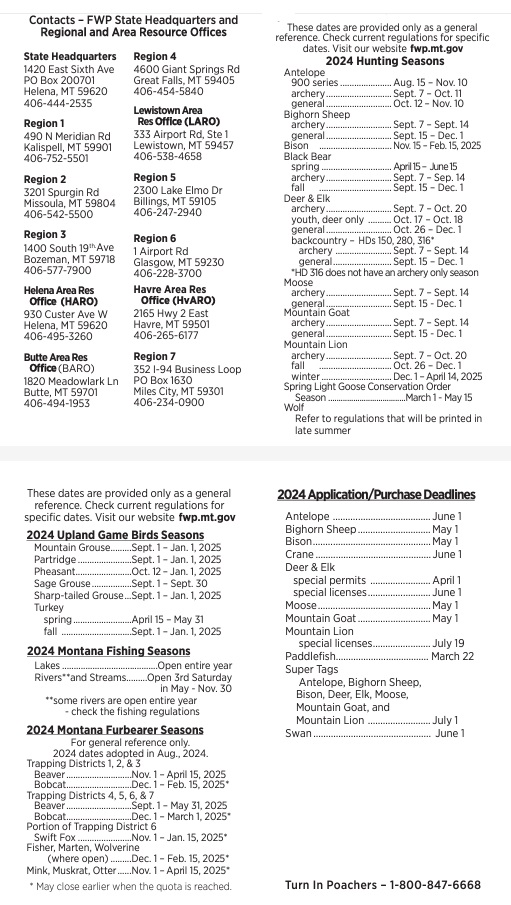
Hunters must apply for the necessary licenses and tags well in advance of the season. The application period typically opens in the spring, and deadlines are strict. Failing to apply within the designated window means missing the opportunity for that hunting year. It is advisable to familiarize yourself with the FWP’s online licensing portal and application deadlines. The draw system is competitive, and success rates vary based on the unit and species.
Resident vs. Non-Resident Licenses
Montana differentiates between resident and non-resident hunting licenses. Non-resident licenses are generally more expensive and are often available in more limited quantities. Understanding the residency requirements is crucial if you are planning an extended stay or have connections to the state.
Understanding Different Tag Types
Montana offers various types of hunting tags:
- General Licenses: These often provide access to hunt certain species within designated areas.
- Limited Entry Permits (or “Tags”): These are highly sought-after and are awarded through a drawing system, providing access to specific units or for specific types of game (e.g., bull elk tags, either-sex deer tags).
- Combination Licenses: Some licenses allow for the harvest of multiple species.
It is essential to ensure you have the correct tag for the species and the specific unit you intend to hunt during rifle season. Misidentification of a unit or species can lead to regulatory violations.
Planning Your Montana Hunting Trip: Beyond the Dates
While knowing when rifle season starts is fundamental, a successful hunting trip in Montana requires comprehensive planning that extends far beyond the calendar. The state’s vastness and varied terrain present unique challenges and opportunities.
Choosing Your Hunting Location
Montana is divided into numerous Game Management Units (GMUs). Each GMU possesses distinct characteristics regarding terrain, wildlife density, and hunting pressure. Researching these units is critical. Factors to consider include:
- Terrain: Are you comfortable hunting in steep, mountainous country, or do you prefer the rolling hills of the prairie?
- Wildlife Population: Some units are known for larger elk herds, while others may offer better chances for trophy mule deer.
- Access: Consider public land availability versus the need for private land access, which may require landowner permission or leases. Popular public lands include those managed by the U.S. Forest Service and the Bureau of Land Management (BLM).
- Hunter Density: Some units are heavily hunted, while others offer a more solitary experience.
Popular Hunting Regions
- Western Montana: Known for its rugged mountains and dense forests, this region is prime habitat for elk and mule deer. Units in the Absaroka-Beartooth Wilderness or near Glacier National Park are iconic.
- Central Montana: Offers a mix of mountainous terrain and rolling hills, supporting diverse wildlife populations.
- Eastern Montana: Characterized by rolling prairies and badlands, this area is excellent for pronghorn and whitetail deer.
Gear and Preparation
Appropriate gear is essential for a safe and successful hunt in Montana’s often unpredictable weather.
- Rifle and Ammunition: Ensure your rifle is sighted in and appropriate for the intended game. Familiarize yourself with Montana’s regulations regarding legal calibers and ammunition.
- Clothing: Layering is key. Pack waterproof and windproof outer layers, insulated mid-layers, and moisture-wicking base layers. Sturdy, broken-in hiking boots are a must.
- Navigation: A reliable GPS device or map and compass are indispensable, especially in remote areas.
- Survival Gear: Always carry a first-aid kit, emergency shelter, fire-starting materials, and sufficient food and water.
- Optics: Binoculars and a spotting scope can greatly enhance your ability to locate game.
Safety and Ethics
Montana’s wilderness is beautiful but can be dangerous. Hunters are responsible for their own safety and for practicing ethical hunting.
- Hunter Education: If you are new to hunting or new to Montana, consider completing a hunter education course.
- Communication: Inform someone of your hunting plans, including your expected return time and location. Carry a satellite messenger in areas with no cell service.
- Respect Wildlife: Understand and adhere to all regulations regarding bag limits, legal shooting hours, and species identification. Field dressing and proper game care are crucial.
- Leave No Trace: Pack out everything you pack in and minimize your impact on the environment.
By thoroughly understanding when rifle season starts, navigating the licensing process, and meticulously planning your trip, you can maximize your chances of a memorable and rewarding hunting experience in the magnificent state of Montana. Always refer to the official Montana FWP website for the most current and detailed information.
LifeOutOfTheBox is a participant in the Amazon Services LLC Associates Program, an affiliate advertising program designed to provide a means for sites to earn advertising fees by advertising and linking to Amazon.com. Amazon, the Amazon logo, AmazonSupply, and the AmazonSupply logo are trademarks of Amazon.com, Inc. or its affiliates. As an Amazon Associate we earn affiliate commissions from qualifying purchases.