
The conclusion of the academic year marks a pivotal moment for families across the Lone Star State. As the final bell of the 2023-2024 school year approaches, parents and students in Texas eagerly anticipate the arrival of summer break. This transition signals a shift from structured learning to a period of rest, recreation, and exploration. Understanding the exact end dates is crucial for planning family vacations, summer activities, and ensuring a smooth transition into the warmer months. While most school districts adhere to a general timeline, variations can occur due to local calendars, inclement weather days, and specific district policies. This guide aims to provide a comprehensive overview of when school is expected to end in Texas for the 2024 academic year, helping you to best prepare for the summer ahead.

Understanding the Texas School Calendar Structure
The Texas Education Agency (TEA) provides overarching guidelines for the academic year, but the specific implementation of the calendar is largely determined at the local school district level. This decentralization allows districts to tailor their calendars to the unique needs of their communities, including considerations for agricultural cycles, local workforce demands, and community events.
Key Components of the Academic Year
- Instructional Days: Texas law mandates a minimum number of instructional days for public schools, typically around 180 days. The academic year is designed to meet this requirement while also accommodating breaks.
- Semester Structure: Most Texas school districts operate on a two-semester system, with the first semester typically concluding in December and the second semester running from January through May or early June.
- District-Specific Calendars: Each of the over 1,000 school districts in Texas publishes its own academic calendar. These calendars are approved by local school boards and are usually made available on the district’s website well in advance of the academic year. This is the definitive source for end-of-year dates.
Factors Influencing End-of-Year Dates
- State Mandates: While the TEA sets the minimum instructional day requirements, it does not typically dictate the exact start and end dates for all districts.
- Inclement Weather: Texas can experience a range of weather events, from severe thunderstorms and tornadoes to occasional winter storms. Districts often build “weather days” into their calendars, which can push back the final day of school if these days are utilized.
- Professional Development Days: Teacher professional development days are scheduled throughout the year and can impact the total number of student attendance days. These are factored into the calendar’s overall structure.
- Local Preferences: Some districts may opt for slightly different start or end dates based on community feedback or historical precedent.
Projecting the 2024 End-of-Year Dates
Given that specific district calendars for the 2023-2024 academic year are generally finalized and released prior to the start of the school year, pinpointing the exact end date for every district requires consulting individual district websites. However, based on historical trends and the typical structure of Texas school calendars, we can project a general timeframe.
The Conventional End-of-May to Early-June Window
Historically, the vast majority of Texas public school districts conclude their academic year in the final week of May or the first week of June. This timeframe allows for the completion of the required instructional days while providing a substantial summer break.
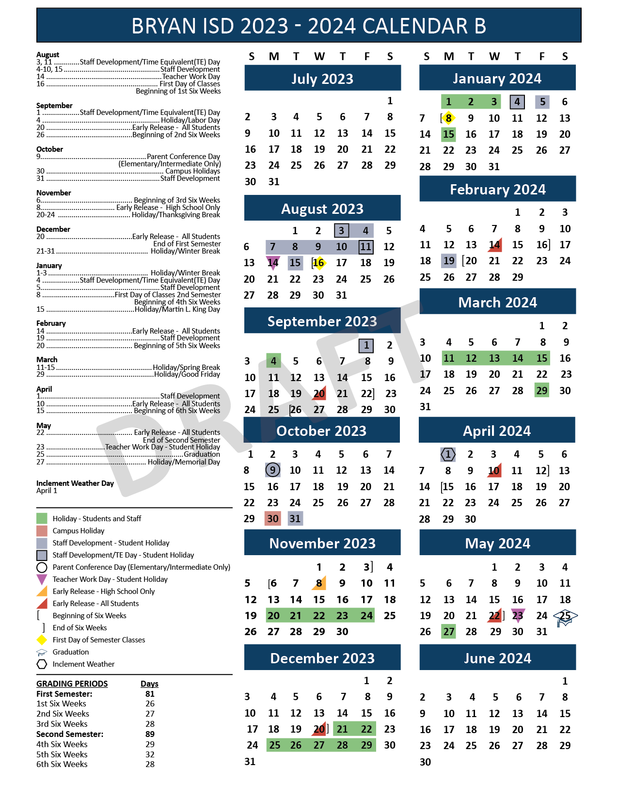
- Late May Projections: Many districts aim to finish the school year before the Memorial Day holiday, which often falls on the last Monday of May. In 2024, Memorial Day is on May 27th. Therefore, it is highly probable that many schools will have their last day of instruction on or around Friday, May 24th, or Thursday, May 23rd.
- Early June Possibilities: Should a district have utilized inclement weather days, or if their calendar is structured to end slightly later, the first week of June, specifically Monday, June 3rd, or Tuesday, June 4th, becomes a likely target for the final day.
The Impact of Graduation Ceremonies
Graduation ceremonies are a significant event and often coincide with the very end of the academic year. The scheduling of these ceremonies can sometimes influence the final day of classes for seniors, and in some cases, for the entire student body.
- Senior Dismissal: In some districts, seniors may have their last day of instruction a few days earlier than underclassmen, with their graduation taking place shortly thereafter.
- All-School Alignment: More commonly, the last day of school for all students is set just before or after the graduation ceremonies for the graduating class. The dates for these ceremonies are typically published with the school calendar.
Navigating District-Specific Information
For the most accurate and up-to-date information regarding the end of the school year in 2024, consulting individual school district websites is essential. These websites are the official source for all academic calendar details.
Steps to Find Your District’s Calendar
- Identify Your School District: The first step is to know which school district your child attends. This information is usually found on school correspondence, report cards, or by checking your home address against district boundaries.
- Visit the District Website: Once you have the district’s name, navigate to its official website. Most Texas school districts have websites with URLs that are easily searchable using terms like “[District Name] ISD official website.”
- Locate the “Academics” or “Calendar” Section: On the district’s homepage, look for sections labeled “Academics,” “Calendar,” “Parents,” or “Students.” The academic calendar is typically prominently displayed.
- Review the Academic Calendar: Download or view the official academic calendar for the 2023-2024 school year. This document will clearly outline the last day of classes, as well as any other important dates like holidays and breaks.
Major Metropolitan Areas and Their Districts
For residents in Texas’s largest metropolitan areas, the principle remains the same – check individual district calendars.
- Greater Houston Area: This sprawling region includes districts like Houston ISD, Spring ISD, Katy ISD, and Fort Bend ISD. Each will have its own specific end date. For example, while Houston ISD might end on a particular date, Katy ISD could conclude its academic year a day or two earlier or later.
- Dallas-Fort Worth Metroplex: Major districts here include Dallas ISD, Fort Worth ISD, Plano ISD, and Arlington ISD. Each district’s calendar is independently managed.
- San Antonio Area: Districts such as Northside ISD, North East ISD, and San Antonio ISD will have their own unique end-of-year schedules.
- Austin Area: For families in and around Austin, districts like Austin ISD, Round Rock ISD, and Eanes ISD will publish their specific closing dates.
Private and Charter Schools
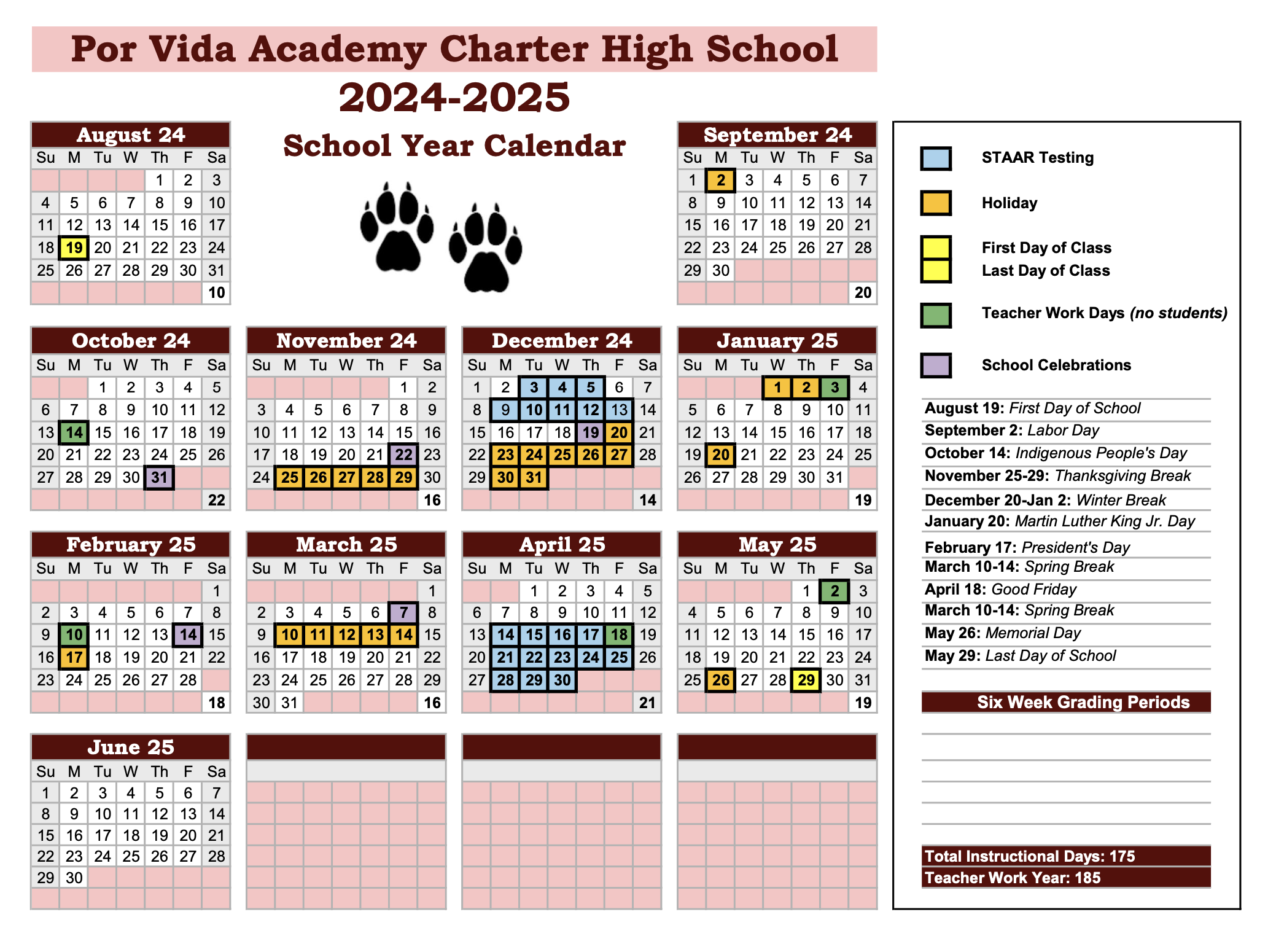
It is important to note that the projected dates primarily apply to public school districts. Private schools and charter schools in Texas operate under their own governance and may have different academic calendars. Families with children attending these institutions should consult their respective school’s official calendar for precise end-of-year dates.
Planning Your Summer Activities and Travel
Knowing the exact end date of the school year is the first step in a season of new opportunities for adventure and relaxation. Whether planning a staycation or a grand adventure, early planning is key.
Leveraging the Summer Break
- Family Vacations: The extended summer break is the prime time for family travel. Many families aim to travel in late May or early June to take advantage of favorable rates before the peak summer travel season begins in earnest. Destinations like the Texas Hill Country, the beaches of the Gulf Coast, or even international trips become feasible.
- Summer Camps and Programs: Numerous summer camps, enrichment programs, and sports clinics are available for children of all ages. Registration often opens well in advance, making it important to know the school end date to coordinate participation.
- Rest and Rejuvenation: For students and educators alike, summer break is a vital period for rest, reflection, and pursuing personal interests. It’s a chance to recharge before the next academic year.
Considerations for Travel
- Booking in Advance: Popular destinations and family-friendly resorts, such as those found in San Antonio or along the Texas coast near Galveston, can book up quickly for the summer. Early booking is highly recommended to secure preferred accommodations and flights.
- Flexibility: If possible, having some flexibility with travel dates can sometimes lead to better pricing. However, for many families, the school end date is a firm anchor for their travel plans.
- Local Exploration: Even if extensive travel isn’t on the agenda, the summer break offers ample opportunity to explore local attractions, parks, and cultural sites within Texas. From the Alamo in San Antonio to the Perot Museum of Nature and Science in Dallas, there are endless possibilities for day trips and local adventures.
By understanding when school officially concludes across Texas in 2024, families can effectively plan their summer, ensuring a memorable and enjoyable experience for everyone involved. The end of the school year is not just a cessation of studies but the commencement of a season filled with potential.
LifeOutOfTheBox is a participant in the Amazon Services LLC Associates Program, an affiliate advertising program designed to provide a means for sites to earn advertising fees by advertising and linking to Amazon.com. Amazon, the Amazon logo, AmazonSupply, and the AmazonSupply logo are trademarks of Amazon.com, Inc. or its affiliates. As an Amazon Associate we earn affiliate commissions from qualifying purchases.