
Colorado, a state synonymous with pristine mountain landscapes and world-class winter recreation, draws millions of visitors each year eager to experience its legendary ski resorts. The question of when the ski season truly begins is a perennial one, a prologue to countless powder-filled days and exhilarating descents. While a definitive, single date remains elusive, influenced by the capricious nature of Mother Nature, understanding the typical opening timelines, influencing factors, and how to best prepare offers a comprehensive guide for any aspiring skier or snowboarder planning their Colorado winter adventure.
The Unpredictable Embrace of Winter: Typical Opening Timelines
The start of ski season in Colorado is not a universally fixed point but rather a gradual unfurling across its numerous mountain destinations. Generally, the earliest resorts to spin their lifts are those situated at the highest elevations, often in the central and western parts of the state, where colder temperatures and consistent snowfall arrive sooner.
Early November Aspirations
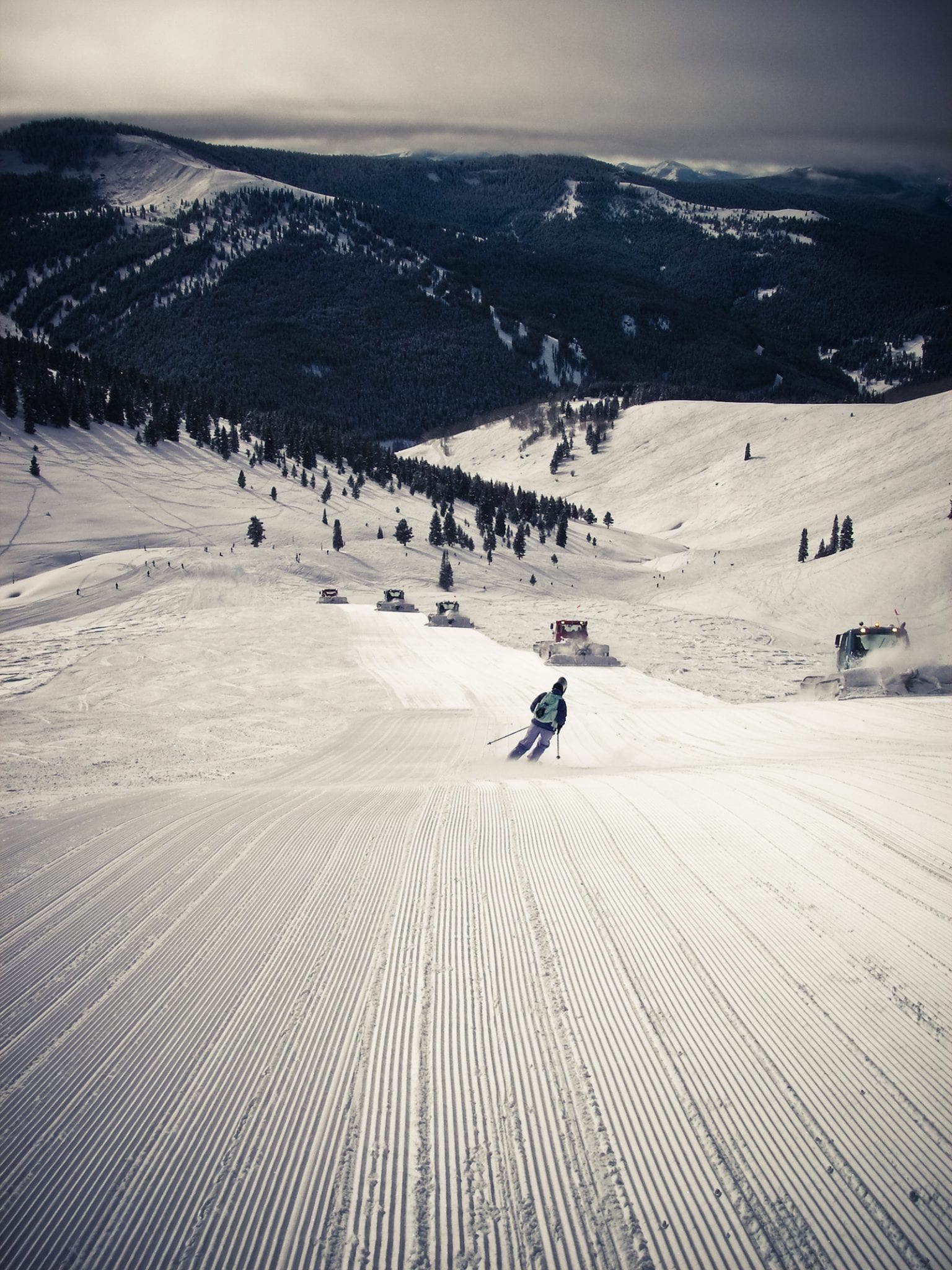
By the first week of November, many of Colorado’s most ambitious resorts begin their operational countdown. These are the pioneers, the ones that push the boundaries to offer the first taste of winter. Resorts like Arapahoe Basin Ski Area and Wolf Creek Ski Area have a reputation for being among the earliest to open, sometimes even in late October, if conditions permit. Their high-altitude locations, often exceeding 11,000 feet, provide a natural advantage, creating a colder microclimate conducive to early snow accumulation and sustained snowpack.
Mid-to-Late November Rush
As November progresses, the majority of Colorado’s renowned ski areas join the fray. This period typically sees the opening of more iconic destinations. Winter Park Resort, Breckenridge Ski Resort, Keystone Resort, and Copper Mountain are usually gearing up for their grand openings around Thanksgiving weekend, or the weeks leading up to it. These resorts, while still benefiting from high elevations, often have more extensive terrain and infrastructure, requiring a slightly more substantial base of natural snowfall or a more robust snowmaking operation to commence.
December’s Grand Opening
For some of the resorts, particularly those in the southern or lower-elevation ranges, December marks the official start of their ski season. While they might not be the first to open, their late openings often coincide with more reliable snow conditions across the state, ensuring a more consistent experience for visitors. Even within this timeframe, early December openings are common, with the latter half of the month solidifying operations for nearly all ski resorts in Colorado.
Factors Influencing the Opening Bell
The decision to open a ski resort is a complex one, hinging on a confluence of environmental and operational factors. While anticipation builds among enthusiasts, resort operators must meticulously assess several key elements before welcoming the first guests onto the slopes.
The Crucial Role of Snowfall
The most obvious and critical determinant is natural snowfall. Resorts rely on consistent, accumulating snow to build a sufficient base for skiing and snowboarding. While snowmaking technology has advanced significantly, it serves primarily to supplement natural snow, groom trails, and ensure operational viability, rather than replacing it entirely for opening day. Heavy early-season snowfalls can accelerate opening dates, while a drier October and early November might necessitate a slight delay. Meteorologists and snow forecasters are constantly monitoring atmospheric conditions, looking for systems that will bring significant powder to the high country.
Temperature Thresholds and Snowmaking Capabilities
Beyond mere snow depth, consistent cold temperatures are paramount. Ski resorts invest heavily in sophisticated snowmaking systems. These systems can only operate effectively when ambient temperatures drop below a certain threshold, typically in the low 20s Fahrenheit (around -5 Celsius). Even with ample natural snow, if temperatures remain too warm, resort operations may be delayed until they can achieve the necessary frozen precipitation or groom existing snowpack effectively. The efficiency and capacity of a resort’s snowmaking operation can therefore influence their ability to open on schedule, especially in years with a milder start to winter.
Terrain and Lift Readiness
Opening a ski resort involves more than just snow on the ground. It requires that a significant portion of the skiable terrain is safe and adequately covered for public access. This includes grooming trails to a consistent and enjoyable surface. Furthermore, all lifts must be fully operational, having undergone rigorous safety checks and maintenance throughout the off-season. The decision to open is often based on the availability of a certain number of designated trails and operational lifts that can provide a satisfactory guest experience.
Operational and Economic Considerations
Resort operators also weigh operational and economic factors. Opening too early with limited terrain and lifts might not provide the value proposition that skiers and snowboarders expect, potentially leading to disappointment and negative reviews. Conversely, a premature opening could also lead to damage to early snowpack or equipment if conditions are not stable. Therefore, a balance is struck between eager demand and the assurance of a quality mountain experience, often leading to a coordinated approach among resorts within a region.
Preparing for Your Colorado Ski Adventure
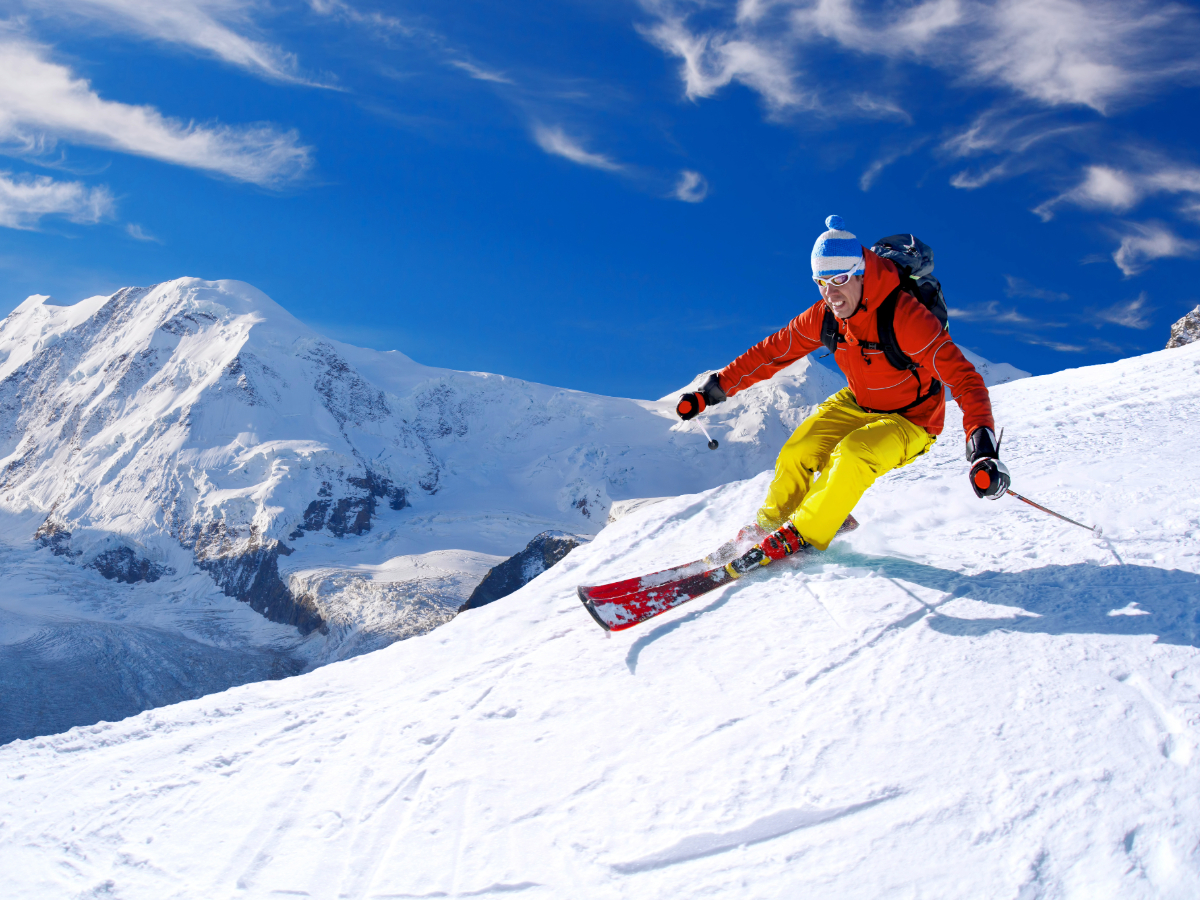
Once the opening dates are on the horizon, proactive preparation is key to maximizing your Colorado ski season experience. From securing accommodations to ensuring you have the right gear, a little planning goes a long way.
Accommodation: Booking Your Mountain Retreat
The appeal of Colorado’s ski resorts extends beyond the slopes to the charming mountain towns and luxurious lodges that dot the landscape. Early booking is highly recommended, especially for peak holiday periods such as Christmas and New Year’s, as well as Martin Luther King Jr. Day and Presidents’ Day weekends.
- Resorts and Hotels: Many resorts, such as The Broadmoor in Colorado Springs (though not directly a ski resort, it’s a gateway to many), Vail Resorts properties like The Lodge at Vail, and independent hotels in towns like Aspen and Telluride, offer ski-in/ski-out access, on-site dining, and amenities like hot tubs and spas. Booking directly through resort websites or established booking platforms can often yield the best rates and package deals.
- Vacation Rentals: For families or groups, vacation rentals (apartments, condos, or houses) can provide more space, a full kitchen for preparing meals, and a more local feel. Websites like VRBO and Airbnb offer a vast selection in popular ski towns.
- Consider Location: Decide whether you prefer to be slopeside for ultimate convenience, in the heart of a vibrant town for après-ski activities, or in a quieter, more secluded setting. The proximity to lifts, dining, and shopping should align with your priorities.
Gear Up for the Slopes
Having the right equipment is essential for comfort, safety, and enjoyment on the mountain.
- Purchasing vs. Renting: For first-time skiers or those who only visit once a season, renting gear from a local shop in towns like Breckenridge or Vail is often the most practical option. Resorts themselves also offer rental services. However, if you plan to ski or snowboard frequently, investing in your own gear can be more cost-effective and provide a more personalized fit.
- Essential Clothing: Layering is key to staying warm and dry. This includes thermal base layers, insulating mid-layers (like fleece or down), and a waterproof and windproof outer shell (jacket and pants). Don’t forget waterproof gloves or mittens, a warm hat that fits under your helmet, and goggles to protect your eyes from sun, wind, and snow.
- Safety First: A properly fitted ski helmet is non-negotiable for safety. Consider a back protector for added security, especially if you plan to tackle challenging terrain.
Lift Tickets and Season Passes
Lift ticket prices can be a significant part of your ski vacation budget.
- Advance Purchase Discounts: Most resorts offer substantial discounts for lift tickets purchased online and in advance. The earlier you buy, the more you can save.
- Season Passes: For dedicated skiers and snowboarders who plan multiple trips to Colorado or visit a single resort several times, a season pass can be a very economical choice. Major players like Vail Resorts offer the Epic Pass, which provides access to numerous resorts across the country, including many in Colorado. Other resorts have their own regional or specific passes.
Staying Informed: The Best Sources for Opening Updates
Keeping an eye on official resort websites and social media channels is the most reliable way to get real-time updates on opening dates, conditions, and any operational changes. Many resorts also provide daily snow reports and webcam feeds, allowing you to virtually experience the mountain even before you arrive. Following Colorado snow-focused blogs and news outlets can also offer broader insights into the overall winter outlook.
Navigating the Colorado Ski Landscape: Beyond the Opening Bell
The start of ski season is just the beginning of the winter narrative in Colorado. The state boasts an incredible diversity of ski experiences, catering to every skill level and preference. Understanding this variety can help you choose the perfect resort for your needs.
Iconic Destinations and Their Opening Quirks
Each major Colorado ski resort has its own unique character and operational rhythm.
- Vail Ski Resort: Known for its vast, well-groomed terrain and legendary back bowls, Vail typically opens in mid-to-late November, drawing crowds with its promise of abundant powder and a luxurious mountain experience.
- Aspen Snowmass: This includes four distinct mountains: Snowmass, Aspen Mountain, Aspen Highlands, and Buttermilk. Aspen Snowmass generally opens its primary mountains in late November, with its high-altitude peaks ensuring reliable snow.
- Steamboat Ski Resort: Famous for its champagne powder and Western charm, Steamboat also typically aims for a late November opening, with its northern location often receiving copious amounts of light, dry snow.
- Telluride Ski Resort: Nestled in a box canyon, Telluride offers breathtaking scenery and challenging terrain. Its opening usually aligns with Thanksgiving week, making it a popular choice for holiday ski trips.
Early Season Conditions: What to Expect
While the excitement of opening day is palpable, it’s important to manage expectations regarding early season conditions.
- Limited Terrain: Initially, only a select number of runs and lifts are usually open. These are typically higher-elevation trails or those with the most robust snowmaking capabilities.
- Grooming is Key: Expect mostly groomed runs. Off-piste areas may still have thin coverage or be closed until more snow accumulates.
- Crowds: Opening weekend and the period around Thanksgiving can be busy as eager skiers and riders flock to the mountains. Arriving early and being patient are good strategies.
The Anticipation and the Arrival
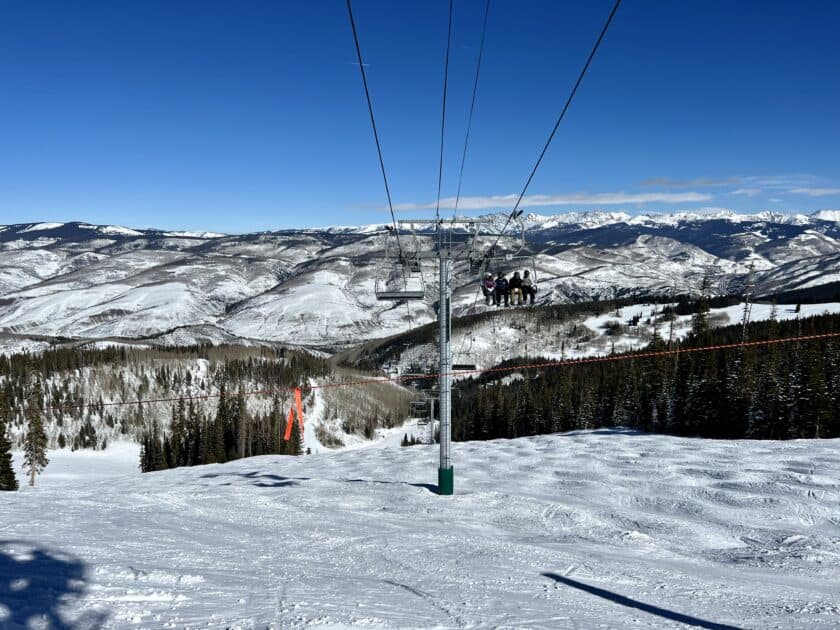
The question of when ski season starts in Colorado is not just about calendars and snow reports; it’s about an annual pilgrimage, a collective anticipation of the crisp air, the glistening snow, and the unparalleled freedom of gliding down a mountain. As the leaves turn and the temperatures dip, the resorts begin their preparations, a meticulous dance with nature to herald the arrival of winter. Whether it’s the pioneering spirit of Arapahoe Basin or the grand openings of the larger resorts, the start of the ski season in Colorado is a celebrated event, marking the commencement of an unforgettable winter playground. Planning ahead, understanding the factors at play, and embracing the unique charm of each resort will ensure your Colorado ski adventure is as spectacular as the snow-capped peaks themselves.
LifeOutOfTheBox is a participant in the Amazon Services LLC Associates Program, an affiliate advertising program designed to provide a means for sites to earn advertising fees by advertising and linking to Amazon.com. Amazon, the Amazon logo, AmazonSupply, and the AmazonSupply logo are trademarks of Amazon.com, Inc. or its affiliates. As an Amazon Associate we earn affiliate commissions from qualifying purchases.