
For travelers and residents alike, the prospect of tax-free shopping in the Sunshine State is an enticing incentive, offering a welcome respite from the usual sales tax that applies to most purchases. Florida, a premier destination for tourism, understands the appeal of these savings, strategically implementing various “sales tax holidays” throughout the year. Far from being a single, continuous period, these tax-free events are specific, limited-time windows designed to encourage spending on particular categories of goods. Understanding when these holidays occur and, critically, when they end, is paramount for anyone looking to maximize their budget, especially for tourists planning their visits to coincide with these advantageous periods.
These tax-free events are not static; their dates and the categories of items included are determined annually by the Florida Legislature and signed into law by the Governor. This dynamic nature means that while the general types of sales tax holidays remain somewhat consistent year to year, the precise start and end dates always vary. For tourists, this necessitates a bit of pre-trip research to align their itineraries with these savings opportunities. Whether you’re visiting Miami‘s vibrant shopping districts, exploring the theme parks of Orlando, or enjoying the coastal beauty of Tampa, knowing the ins and outs of Florida’s tax-free landscape can significantly enhance your tourism experience and stretch your vacation dollars further. This guide aims to demystify Florida’s sales tax holidays, providing a comprehensive overview for savvy travelers.
Understanding Florida’s Tax-Free Holidays for Tourists
Florida’s approach to sales tax holidays is a deliberate strategy to stimulate economic activity and provide financial relief to consumers. For tourists, these periods represent more than just a minor discount; they can influence travel timing, shopping lists, and overall trip planning. By understanding the underlying purpose and beneficiaries, visitors can better leverage these opportunities.
The Purpose of Sales Tax Holidays
The primary goal of sales tax holidays, from a legislative perspective, is twofold: to provide economic stimulus and to offer financial relief. By temporarily suspending the collection of sales tax on certain items, the state encourages consumers to make purchases they might otherwise delay or forgo. This boost in retail activity benefits local businesses, which often see increased foot traffic and sales volume during these periods. For tourists, it adds an extra layer of appeal to visiting Florida, transforming a regular shopping trip into an opportunity for significant savings. These holidays are carefully designed to target specific consumer needs or seasonal demands, making them relevant to a broad spectrum of visitors, from families preparing for school to those simply looking for a new outfit for their evening out.
Who Benefits from These Periods?
While often framed as a benefit for Florida residents, sales tax holidays are equally advantageous for tourists. Anyone making eligible purchases during the specified tax-free window, regardless of residency, can take advantage of the savings. This makes Florida an even more attractive destination for international visitors and domestic travelers looking to combine a memorable vacation with smart shopping. Families visiting Orlando’s theme parks might find themselves purchasing back-to-school supplies for their children, or tourists exploring Jacksonville could pick up weather-related items during a disaster preparedness holiday. The benefit extends beyond just essential items; clothing and accessories are frequently included, allowing tourists to update their wardrobe or purchase souvenirs without the added tax burden.
Navigating Florida’s Key Tax-Free Events
Florida typically hosts several distinct sales tax holidays each year, each with its own focus and duration. Knowing the general timing and scope of these events is crucial for effective trip planning. While specific dates vary annually, the categories and typical periods remain relatively consistent, allowing tourists to anticipate when these opportunities might arise.
Back-to-School Sales Tax Holiday
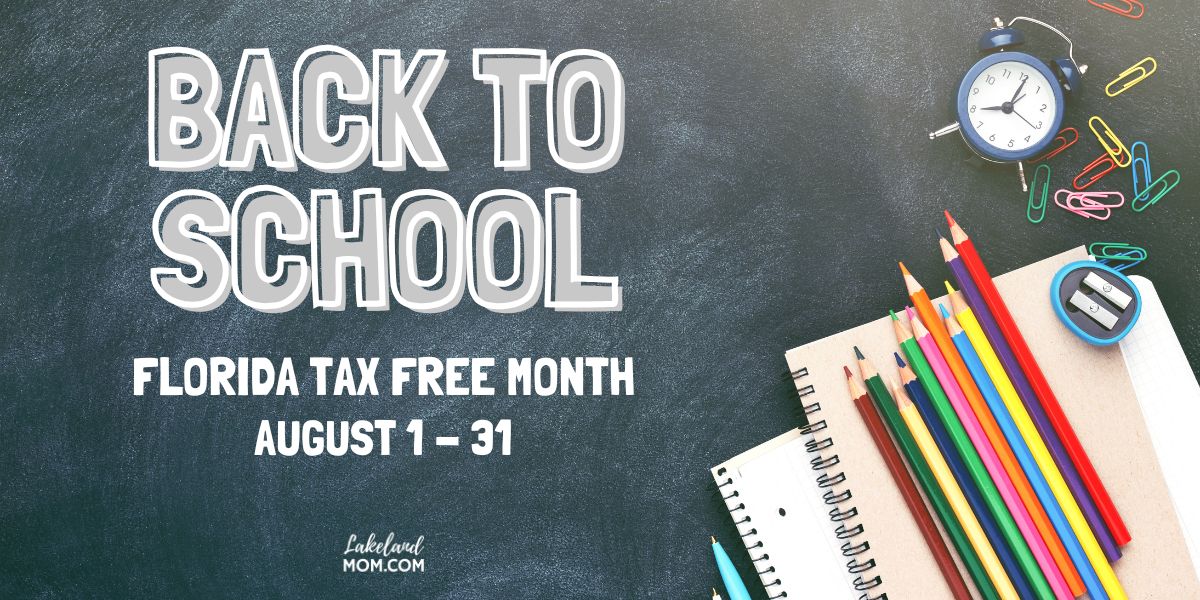
Perhaps the most widely recognized and anticipated sales tax holiday, the Back-to-School event typically occurs in late July or early August, leading up to the start of the academic year. This holiday is immensely popular with families, and tourists often capitalize on it to purchase clothing, footwear, school supplies, and sometimes even certain electronic devices like computers. The savings can be substantial, especially for families with multiple children or those needing to stock up on numerous items. For visitors, it’s an excellent chance to buy new clothes for their vacation or pick up gifts and souvenirs that fall into the eligible categories, all while saving the standard Florida sales tax rate. The exact dates are usually announced well in advance by the Florida Department of Revenue.
Disaster Preparedness Sales Tax Holiday
Given Florida’s susceptibility to tropical storms and hurricanes, the Disaster Preparedness Sales Tax Holiday is a critically important event. It typically takes place earlier in the hurricane season, often in May or June, and sometimes even has a second occurrence later in the season. This holiday allows consumers to purchase essential supplies without sales tax, including flashlights, batteries, radios, tarps, coolers, and certain generators. While primarily aimed at residents, tourists visiting during this period can also benefit by stocking up on travel-friendly emergency items, or simply purchasing items for their everyday needs that happen to be on the eligible list. It’s a practical holiday that underscores the importance of readiness in the Sunshine State.
Freedom Summer Sales Tax Holiday
A more recent addition to Florida’s tax-free calendar, the Freedom Summer Sales Tax Holiday, also known as the “Summer Savings” or “Freedom Week” holiday, is designed to encourage outdoor activities and cultural experiences. This holiday typically runs for a week or two in the early summer, often in July. It covers a broad range of items, including tickets to events and attractions (like concerts, sporting events, and state park admissions), camping supplies, fishing gear, sporting equipment, and even some clothing and accessories related to outdoor recreation. For tourists, this is a phenomenal opportunity to save money on vacation activities and necessary gear, making it easier to enjoy Florida’s diverse offerings from its beaches to its natural parks. Planning a trip around this holiday can significantly reduce the cost of entertainment and recreational pursuits.
Energy Star Appliances and WaterSense Products
Another recurring tax-free event focuses on energy-efficient appliances and water-saving products. While the timing can vary, this holiday typically encourages the purchase of specific Energy Star certified appliances (such as refrigerators, washing machines, and water heaters) and WaterSense labeled products (like showerheads and faucets). While perhaps less directly applicable to a short-term tourist than clothing or attraction tickets, visitors purchasing a vacation home or considering longer stays might find this holiday beneficial for furnishing or upgrading their temporary residence. It reflects Florida’s commitment to environmental sustainability, offering savings that align with eco-conscious tourism.

What’s Covered and What’s Not?
The success of leveraging Florida’s tax-free holidays hinges on understanding the specific eligibility criteria, including item categories and price caps. Not everything is tax-free, and misinterpretations can lead to missed savings.
Eligible Items and Price Caps
Each sales tax holiday comes with a detailed list of eligible items and, crucially, specific price caps. For instance, during the Back-to-School holiday, items like clothing might be tax-free only if priced under $60 or $100, and personal computers might have a cap around $1,500. School supplies typically have lower caps, such as $15 per item. For the Disaster Preparedness holiday, items like a portable generator might be tax-free up to $1,000, while smaller items like batteries have no specific cap but must be clearly identifiable as necessary for preparedness. During the Freedom Summer holiday, tickets for events are often tax-free up to a certain price per ticket, encouraging families to enjoy local attractions. It is imperative for tourists to consult the official Florida Department of Revenue website or legislative documents for the precise list of items and their respective price limitations for the current year.
Exclusions and Common Misconceptions
Despite the excitement, many items remain subject to sales tax during these holidays. For example, during the Back-to-School holiday, items like jewelry, watches, briefcases, luggage, or any clothing item exceeding the price cap are typically not tax-free. Textbooks (other than general school supplies), video games, and software also commonly remain taxable. During disaster preparedness, car batteries or ordinary household cleaning supplies are usually excluded. A common misconception is that all purchases made during a tax holiday are tax-free; this is incorrect. Only specific items meeting the eligibility criteria and price limits are exempt. Tourists should always verify an item’s eligibility before making a purchase, especially if they are relying on the tax exemption for their budget. Store signage and staff can often provide clarification, but the official state guidelines are the definitive source.
Maximizing Your Savings: Tips for Florida Visitors
For tourists, planning ahead can transform a regular vacation into a budget-savvy adventure. Strategically integrating Florida’s tax-free holidays into your travel plans can yield significant financial benefits.
Planning Your Florida Trip Around Tax-Free Weeks
The most effective way to capitalize on Florida’s tax-free periods is to plan your visit to coincide with them. If purchasing school supplies or new apparel is a priority, aim for late July or early August. If outdoor activities and entertainment tickets are high on your list, target the early summer Freedom Summer holiday. For international visitors, the sales tax savings, combined with potential currency exchange benefits, can make a considerable difference in overall travel costs. Keep in mind that these periods often see increased crowds at popular shopping destinations, so planning your visits to stores during off-peak hours (e.g., early mornings) can enhance the experience.
Shopping Strategies for Tourists
Once you’re in Florida during a tax-free holiday, a few strategies can help you maximize your savings. Firstly, create a detailed shopping list based on the eligible items and their price caps. Prioritize purchases that are most expensive or that you truly need. Secondly, compare prices across different retailers. Even without sales tax, stores may offer varying base prices or additional discounts that could lead to even greater savings. Thirdly, understand the fine print. Some stores may have their own promotions that can be stacked with the tax holiday, while others might have limitations. Finally, keep your receipts. In the unlikely event of a discrepancy or return, having proof of purchase and the tax exemption applied will be helpful.
Staying Informed About Upcoming Dates
The Florida Legislature typically finalizes the dates for sales tax holidays during its spring session. The official dates and eligible item lists are then published on the Florida Department of Revenue website. Tourists planning a trip to Florida should make it a point to check this resource in late spring or early summer to get the most current information. Travel blogs, local tourism websites (such as those for Miami, Orlando, Tampa, or Jacksonville), and news outlets often cover these announcements as well, providing readily accessible updates. Staying informed ensures that you don’t miss out on these valuable opportunities to save money during your Florida vacation.
Beyond the Tax Break: The Florida Tourism Experience
While saving money on purchases is a clear benefit, Florida’s tax-free holidays contribute to a larger, positive tourism experience, fostering a sense of value and encouraging deeper engagement with the local economy.
Economic Impact on Local Businesses
For cities like Tallahassee, Miami, Orlando, and Tampa, tax-free holidays represent a significant boost to local retailers. Increased consumer traffic translates into higher sales, which in turn supports local jobs and injects capital into the community. Tourists participating in these holidays are not just saving money; they are actively contributing to the economic vitality of their chosen destination. This symbiotic relationship enhances the overall tourism ecosystem, making Florida an even more welcoming place for visitors.
Enhancing the Visitor Experience
Ultimately, tax-free periods enhance the visitor experience by making Florida a more affordable and appealing destination. Knowing that you can purchase essential items, vacation gear, or even gifts without incurring sales tax can alleviate budget pressures, allowing tourists to allocate more funds towards experiences like dining out, visiting attractions, or engaging in unique local activities. This creates a more relaxed and enjoyable trip, solidifying Florida’s reputation not just as a place for sun and fun, but also as a smart choice for value-conscious travelers. The cumulative effect of these savings, combined with Florida’s renowned attractions, ensures that the answer to “When does tax free end in Florida?” is understood as a series of temporary, yet highly beneficial, opportunities that enrich the tourism landscape.
LifeOutOfTheBox is a participant in the Amazon Services LLC Associates Program, an affiliate advertising program designed to provide a means for sites to earn advertising fees by advertising and linking to Amazon.com. Amazon, the Amazon logo, AmazonSupply, and the AmazonSupply logo are trademarks of Amazon.com, Inc. or its affiliates. As an Amazon Associate we earn affiliate commissions from qualifying purchases.