
The question of “When Does Texas Change Time?” is a common one, especially for travelers and residents alike as the seasons shift. Understanding Daylight Saving Time (DST) in the Lone Star State is crucial for planning everything from travel itineraries to business meetings. This article delves into the intricacies of DST in Texas, exploring its history, its current application, and what it means for your adventures across the state.
The vastness of Texas itself often leads to questions about its uniformity, and time changes are no exception. While the majority of Texas observes Daylight Saving Time, there are a few exceptions, adding another layer of complexity for those trying to keep track. This phenomenon, often referred to as “springing forward” and “falling back,” impacts daily routines, flight schedules, and the overall rhythm of life in the state.
Understanding Daylight Saving Time in Texas
Daylight Saving Time (DST), a practice of advancing clocks during warmer months so that darkness falls at a later hour, has a long and sometimes contentious history. In the United States, the decision to implement DST, and when to change clocks, is largely determined by federal law, though states can opt out. Texas, for the most part, adheres to the national schedule.
The Federal Framework and Texas’s Adoption
The Uniform Time Act of 1966 established the system of DST in the United States. This act mandates that DST begins on the second Sunday in March and ends on the first Sunday in November. Most states that observe DST follow this schedule. Texas is one of these states, meaning that across the vast majority of its territory, clocks are moved forward one hour at 2:00 AM on the second Sunday in March and are moved back one hour at 2:00 AM on the first Sunday in November.
This synchronized change helps to minimize disruptions for businesses, transportation, and communication across state lines. For tourists planning a trip to Texas, knowing these dates is essential. For example, if you’re booking flights to Dallas/Fort Worth International Airport or exploring the Alamo in San Antonio, you’ll want to ensure your travel plans align with the time change to avoid any confusion.
The Exceptions: Where Texas Doesn’t Change Time
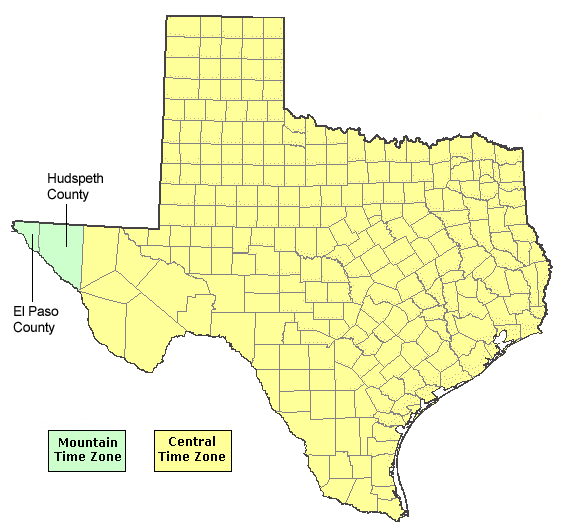
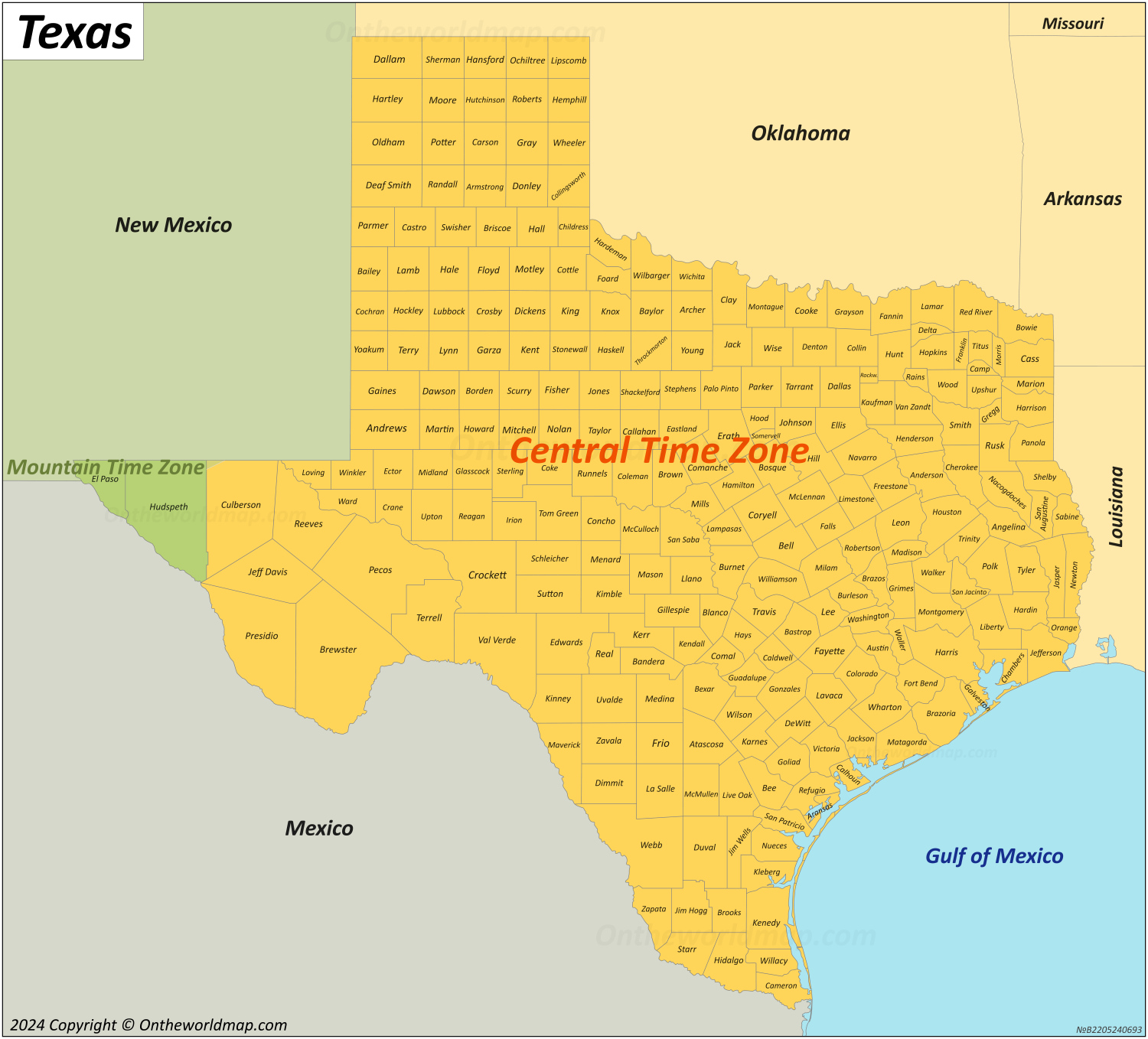
While the majority of Texas participates in DST, there’s a notable exception: El Paso County. Due to its proximity to New Mexico, which observes MST year-round in its northwestern corner, and its geographical location, El Paso County has been exempted from observing DST. This means that while the rest of Texas springs forward in March and falls back in November, El Paso remains on standard time throughout the year.
This unique situation can lead to temporal discrepancies within the state. For instance, a business meeting scheduled between Houston and El Paso might require careful coordination to account for the one-hour difference that exists for half the year. When planning a visit to West Texas, it’s important to be aware of this distinction. Visiting the Guadalupe Mountains National Park from El Paso will mean you’re on a different time than if you were driving from San Antonio.
This exemption highlights the diverse regional considerations that can influence the implementation of national policies. For residents and frequent travelers within Texas, understanding these exceptions is key to navigating daily life and business operations effectively.
The Impact of Time Changes on Travel and Tourism in Texas
The biannual clock changes in Texas have a tangible impact on various aspects of travel and tourism. From coordinating hotel bookings to planning day trips to iconic landmarks, adjusting to the time shift is a familiar ritual for many.
Planning Your Texas Adventures
When planning your Texas vacation, whether it’s a luxury travel experience in Austin or a budget travel family trip to the Texas Hill Country, understanding DST is paramount.
- Booking Accommodation: When you search for hotels, resorts, or apartments in Texas (excluding the DST-exempt parts of El Paso County), ensure your booking confirmation reflects the correct local time. For example, a reservation at the Omni Dallas Hotel or a cozy villa in the Texas Hill Country will be affected by the DST schedule. Always double-check check-in and check-out times against the current local time of your destination.
- Itinerary Management: Travel guides and attractions in Texas often operate on a strict schedule. If you’re planning to visit the Space Center Houston or catch a show in Fort Worth, knowing whether it’s DST or standard time can prevent missed appointments or tours. For instance, a sunrise hot air balloon ride over San Antonio will naturally shift with the DST changes.
- Transportation: Flights, trains, and bus services all adjust their schedules to accommodate DST. If you’re traveling between cities like Houston and Austin, or even internationally via Dallas/Fort Worth International Airport, confirming flight times in advance is crucial. The one-hour shift can easily lead to confusion if not accounted for.
- Local Experiences and Activities: Many tourism activities, from guided tours of historical landmarks to culinary experiences, are time-sensitive. When exploring the vibrant local culture of New Orleans (if considering a trip just across the border into Louisiana) or enjoying a food tour in Austin, your schedule will align with Texas‘s DST.
Maximizing Your Stay
The extended daylight hours during DST can be a significant boon for travelers. You’ll have more time to explore the natural beauty of Big Bend National Park, wander through the historic streets of Galveston, or enjoy an evening stroll along the River Walk in San Antonio. This extra daylight encourages more outdoor activities and allows for a more relaxed pace.
Conversely, when Texas falls back to standard time in November, the days become shorter. This might influence your planning for outdoor excursions, potentially shifting your focus to indoor attractions and experiences as the evenings draw in earlier. This is particularly relevant for those planning business stays or extended long-term stays where daily routines are more structured.
The Rationale and Future of Time Changes in Texas
The debate surrounding Daylight Saving Time is not unique to Texas; it’s a national and even international conversation. The practice was initially adopted with the intention of saving energy, utilizing natural daylight, and potentially improving public safety. However, its effectiveness and the disruptions it causes are subjects of ongoing discussion.
Benefits and Criticisms of DST
Proponents of DST often point to potential energy savings, increased opportunities for outdoor recreation in the evenings, and a potential reduction in traffic accidents and crime. The extra hour of daylight in the evening during warmer months can encourage more outdoor activities, from visiting state parks to enjoying a round of golf at a resort in Kerrville.
However, critics argue that the energy savings are negligible or even reversed in some modern contexts. Furthermore, the disruption to the body’s natural circadian rhythm is a significant concern, leading to increased instances of sleep deprivation, heart attacks, and workplace accidents in the days following the time change. This impact on lifestyle is a key point of contention.

Looking Ahead: Potential Changes to DST in Texas
The conversation about whether to continue observing DST is active across the United States. Several states have passed legislation to make DST permanent, but these changes require federal approval under the Uniform Time Act. There have been legislative efforts in Texas to either opt out of DST entirely or to make it permanent within the state.
For residents and businesses in Texas, the possibility of a permanent time zone could simplify scheduling and daily life. If Texas were to adopt permanent DST, it would mean that the clocks would not “fall back” in November, and the state would remain on the advanced time year-round. Conversely, opting out would mean that the clocks would always remain on standard time.
Until any such federal or state-level changes are enacted, Texas will continue to follow the established DST schedule for most of its territory. Understanding “When Does Texas Change Time?” remains a practical necessity for anyone living in or visiting the Lone Star State, ensuring smooth travel, efficient business operations, and enjoyable experiences across its diverse landscapes and vibrant cities. Whether you’re planning a family trip to Six Flags Fiesta Texas or a quiet long-term stay in a beach house along the Gulf Coast, keeping an eye on the clock, and when it changes, is part of the Texas rhythm.
LifeOutOfTheBox is a participant in the Amazon Services LLC Associates Program, an affiliate advertising program designed to provide a means for sites to earn advertising fees by advertising and linking to Amazon.com. Amazon, the Amazon logo, AmazonSupply, and the AmazonSupply logo are trademarks of Amazon.com, Inc. or its affiliates. As an Amazon Associate we earn affiliate commissions from qualifying purchases.