
The integrity and efficiency of elections are cornerstones of democratic societies. In the United States, and particularly in a vast and diverse state like Texas, understanding the logistical intricacies of voting processes is paramount for engaged citizenship. Among the most discussed aspects of modern elections are mail-in ballots, their security, and crucially, the timeline for their tabulation. For residents of the Lone Star State, knowing precisely when these ballots are counted can offer clarity and alleviate concerns surrounding the electoral process. This examination delves into the regulations and practices governing the counting of mail-in ballots in Texas, providing an insightful overview for voters and observers alike.
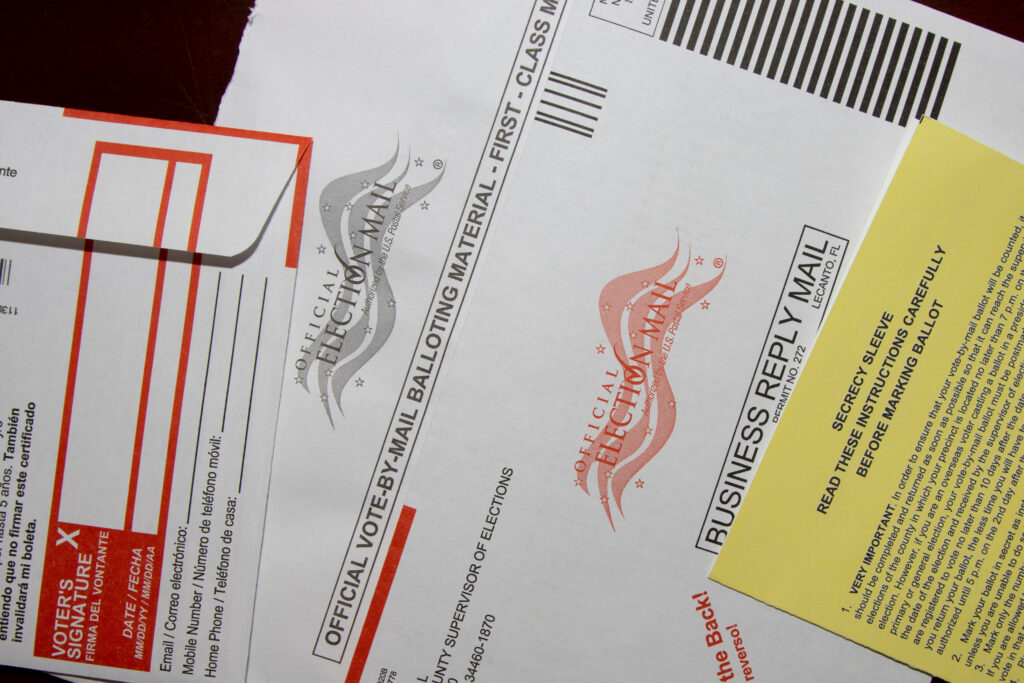
The ability to vote by mail, often referred to as absentee voting, has a long history in America, initially designed to accommodate soldiers serving away from home. Today, its purpose has expanded to include individuals with disabilities, those over 65, those confined in jail (but otherwise eligible to vote), and those who will be outside their county of residence on Election Day. In Texas, the process is governed by strict rules ensuring both accessibility and security. Understanding these rules, especially regarding the timing of ballot counting, is vital for a transparent and trustworthy election.
The Legal Framework for Mail-In Ballot Counting in Texas
Texas operates under a statutory framework that dictates the timeline and procedures for handling mail-in ballots. Unlike some states that allow for the tabulation of mail-in ballots before Election Day, Texas law has historically imposed certain restrictions. These regulations are designed to uphold the principle that no vote should be counted until all votes have been cast, thus preventing any potential premature influence on voters or the perception of a foregone conclusion.
Eligibility and Application Process
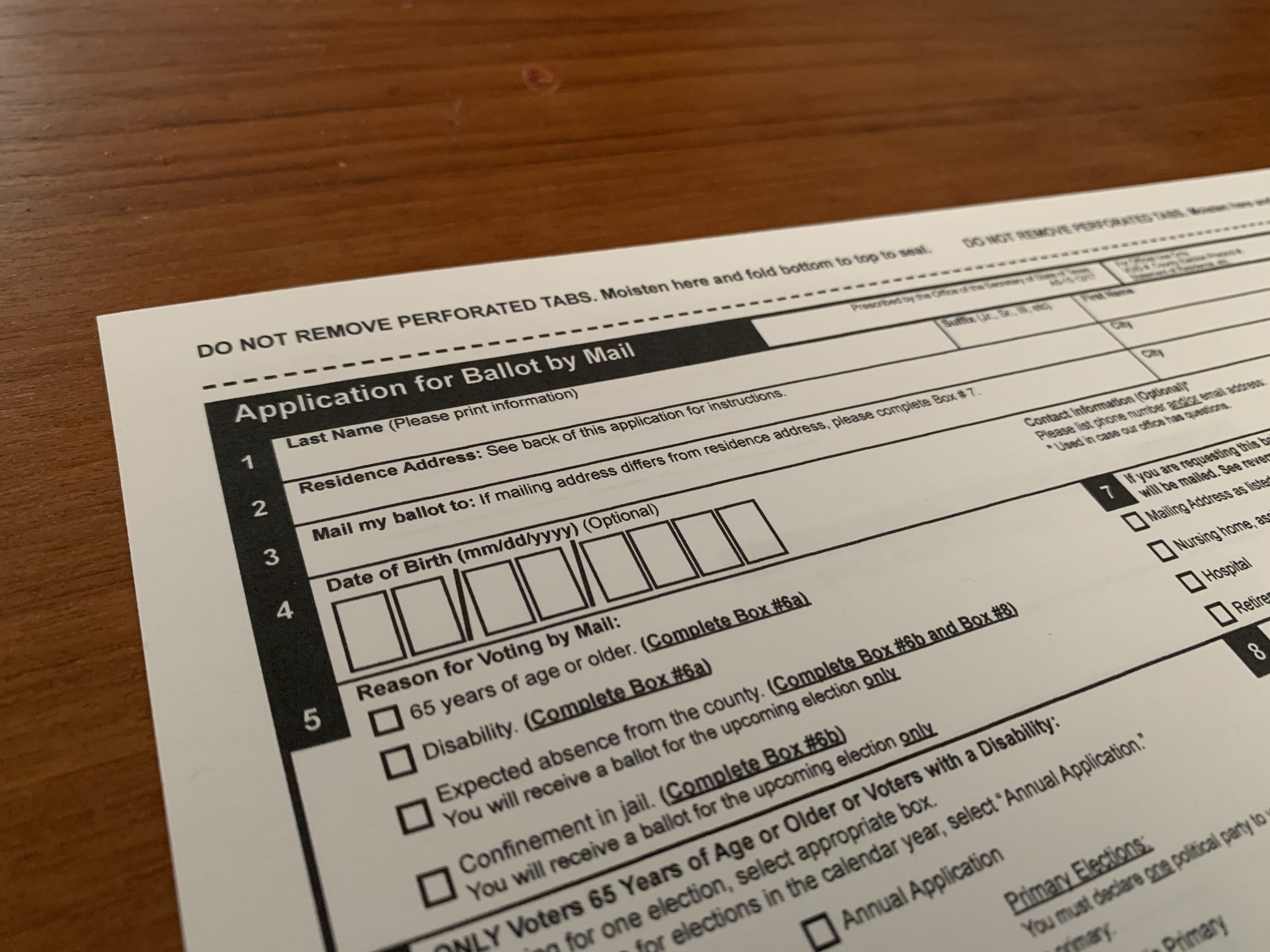
Before a mail-in ballot can even be considered for counting, it must be properly requested and cast. Eligibility for mail-in voting in Texas is primarily determined by specific criteria, as outlined by the Texas Election Code. Eligible voters must complete an application for a mail-in ballot, which is then reviewed by the local election official. Once approved, the ballot is mailed to the voter. The voter then completes the ballot, signs the carrier envelope, and returns it to the local election office. The deadline for submitting an application for a mail-in ballot is generally 11 days before Election Day.
Receiving and Processing Mail-In Ballots
Local election officials in Texas begin receiving mail-in ballots shortly after they are issued to voters. These ballots are typically returned either by mail or by hand-delivery to the county election office or an authorized drop-off location. Upon receipt, the ballots are stored securely until they are ready to be processed and counted. The process of verifying the ballot involves checking the voter’s signature on the carrier envelope against the signature on file with their voter registration record. This signature verification step is a critical security measure designed to prevent fraud.
The Crucial Timeline: When Counting Begins
The most pertinent question for many Texans is when the actual counting of these mail-in ballots commences. Under current Texas law, election officials are generally prohibited from opening and counting mail-in ballots until Election Day itself. Specifically, Texas Election Code § 87.024 states that election judges can begin the process of opening and counting mail-in ballots on the morning of Election Day, or at any time after the polls close on Election Day. This means that while the verification process might begin earlier, the tabulation of votes from these ballots typically does not commence until the polls have officially closed.
This approach ensures that the counting of all votes, whether cast in person or by mail, occurs within a defined and uniform timeframe. It is a deliberate choice that contrasts with the practices in some other states, where early processing and tabulation of mail-in ballots can lead to results being reported throughout Election Day or even before polls close in certain jurisdictions. In Texas, the aim is to preserve the sanctity of the voting period and to allow all eligible voters the opportunity to cast their ballot without the results of others’ mail-in votes being known.
Early Processing and Verification vs. Tabulation
It is essential to distinguish between the processing and verification of mail-in ballots and the actual tabulation of votes. While Texas law restricts the tabulation until Election Day, election officials are permitted to engage in certain preparatory steps in the days leading up to the election.
Early Processing and Verification
Local election officials can begin the process of verifying the signatures on the carrier envelopes of returned mail-in ballots days before Election Day. This involves comparing the voter’s signature on the envelope to the signature on their voter registration application. This allows election workers to efficiently process a large volume of ballots once the official counting period begins. Ballots that have their signatures verified are then separated from their carrier envelopes to maintain voter anonymity. This pre-election verification is a logistical step that helps expedite the counting process on Election Day, ensuring that more ballots can be tallied in a timely manner.
Opening and Tabulation on Election Day
The statutory prohibition in Texas means that the actual opening of the inner ballot envelope and the scanning or tabulation of the votes contained within do not occur until Election Day. This can happen on the morning of Election Day, as permitted by statute, or more commonly, after the polls close at 7 p.m. This timing is critical for maintaining electoral integrity and public confidence. It prevents any situation where a significant number of mail-in ballots could be counted and reported before the polls close, potentially influencing voters who have yet to cast their ballot in person.
The process of tabulation involves using optical scanners to read the marked ballots or, in some cases, manual counting for ballots that cannot be read by machines. The results from these tabulated ballots are then added to the overall vote count for the election.
Impact of Mail-In Ballot Counting on Election Results
The timing of mail-in ballot counting can have a significant impact on the perception and reporting of election results, particularly in close races. Understanding this dynamic is crucial for interpreting election outcomes.
“Late-Arriving” Mail-In Ballots
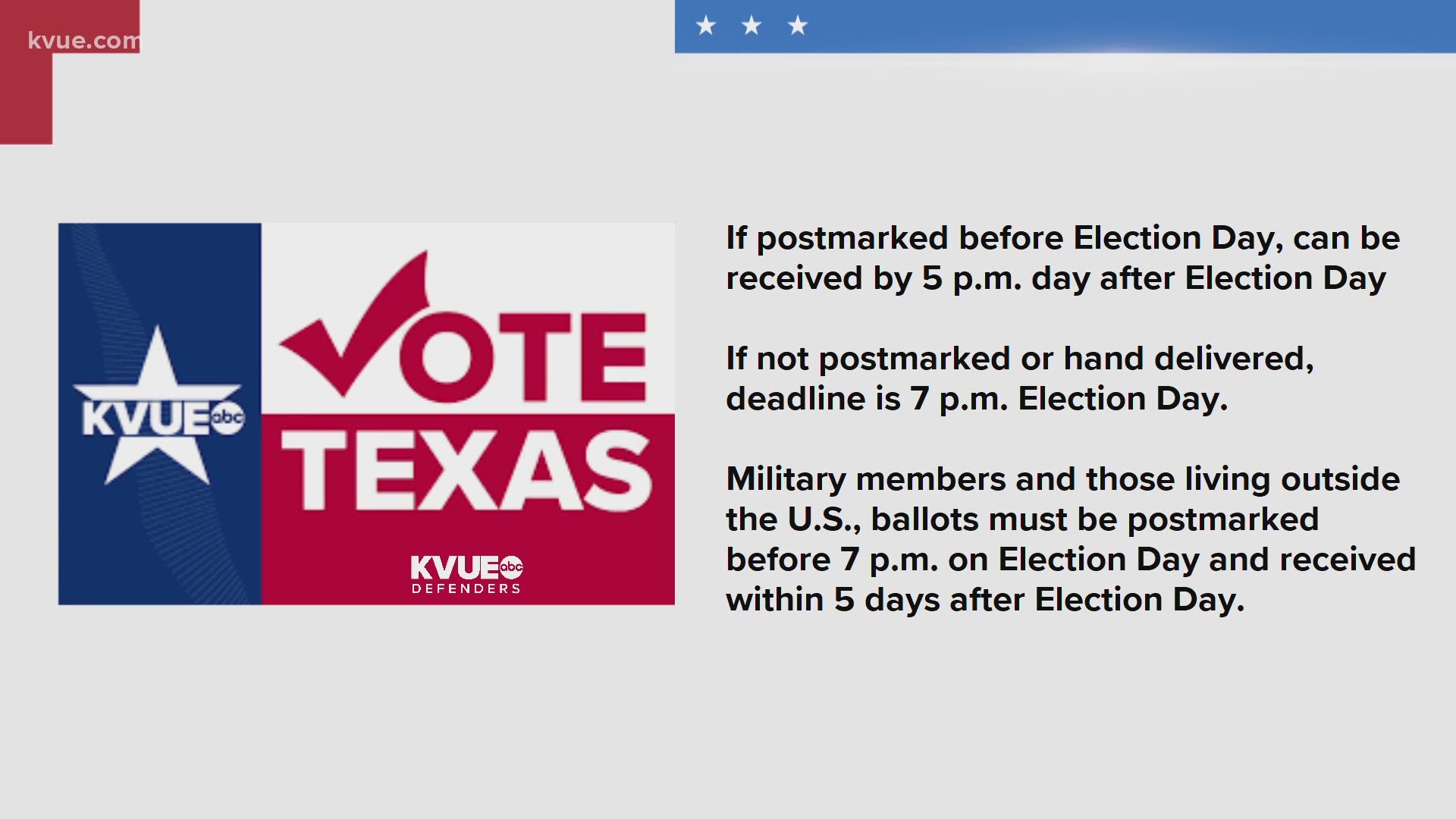
In Texas, mail-in ballots must generally be received by the local election official by the time the polls close on Election Day. Unlike some states that allow ballots postmarked by Election Day to be counted if they arrive a few days later, Texas has a stricter receipt deadline. This means that voters are encouraged to mail their ballots back well in advance of Election Day to ensure they arrive in time. Absentee ballots that arrive after the deadline are not counted.
Reporting Preliminary vs. Final Results
Because mail-in ballots are tabulated on Election Day, the early results reported might not include the entirety of the vote. If a substantial percentage of the electorate chooses to vote by mail, the initial results reported after polls close might reflect only the in-person votes cast on Election Day. As the mail-in ballots are processed and tabulated, the results can shift. This can sometimes lead to a scenario where a candidate appears to be leading early in the night, only for that lead to change as mail-in ballots are added to the count.
This phenomenon has led to discussions in various states about the timing of mail-in ballot tabulation. However, in Texas, the law remains focused on the Election Day counting framework. Election officials work diligently to count as many mail-in ballots as possible on Election Day and into the following days, with final results being certified once all eligible ballots have been counted and verified. The transparency of this process, with its defined timelines and verification steps, is key to maintaining public trust in the electoral system.
The Importance of Voter Education
Given the specific rules surrounding mail-in ballots in Texas, voter education is paramount. Ensuring that voters understand the eligibility requirements, application deadlines, return methods, and crucially, the fact that their ballots will be counted on Election Day, empowers them to participate effectively and confidently in the democratic process. Clear communication from election officials and reliable information from reputable sources help demystify the process and reinforce the security and fairness of Texas elections.
LifeOutOfTheBox is a participant in the Amazon Services LLC Associates Program, an affiliate advertising program designed to provide a means for sites to earn advertising fees by advertising and linking to Amazon.com. Amazon, the Amazon logo, AmazonSupply, and the AmazonSupply logo are trademarks of Amazon.com, Inc. or its affiliates. As an Amazon Associate we earn affiliate commissions from qualifying purchases.