
Texas, a state renowned for its vast landscapes and rich outdoor heritage, offers a celebrated dove hunting tradition. For enthusiasts eager to experience the thrill of the chase and the camaraderie of the field, knowing the precise opening dates of the dove season is paramount. This guide aims to demystify the Texas dove season, providing essential information for planning your hunting excursions across the Lone Star State.
Understanding the Texas Dove Season Framework
The Texas Parks and Wildlife Department (TPWD) establishes the regulations for hunting seasons, including that of doves. These regulations are designed to ensure sustainable populations and provide fair chase opportunities for hunters. The dove season is typically divided into different segments, each with specific opening and closing dates, and often categorized by the type of dove being targeted, primarily the mourning dove and white-winged dove.
Mourning Dove Season
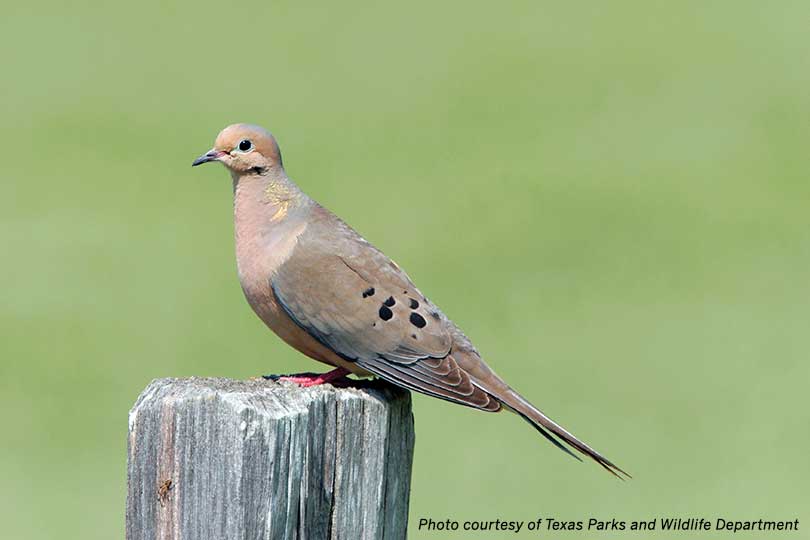
Mourning doves, the most prevalent species, are a cornerstone of Texas dove hunting. Their season is generally structured into two or three parts, offering extended opportunities throughout the fall and early winter. The specific start dates for the mourning dove season are announced annually by the TPWD, but historically, the first segment often begins in early September. This timing coincides with cooler weather, making outdoor activities more comfortable, and often aligns with the migratory patterns of these birds.
The opening day of mourning dove season is a significant event for many Texans, often referred to as “Opening Day.” Hunters gather from across the state and beyond to participate in this tradition. The TPWD carefully considers various ecological factors when setting these dates, including breeding cycles, nesting success, and anticipated migratory movements.
White-Winged Dove Season
White-winged doves are another popular quarry, particularly in South Texas. Their season often opens slightly earlier than the main mourning dove season. This earlier start is a strategic decision to capitalize on the presence of resident white-winged doves and early migrants before the bulk of the mourning dove population arrives or begins its southward journey.
The white-winged dove season is also divided into segments. The initial segment typically commences in late August or early September. This distinction allows hunters to target specific species and adapt their strategies accordingly. Understanding these differences is key to maximizing your hunting success and experiencing the full spectrum of Texas dove hunting.
Key Dates and Season Segments
The TPWD annually publishes the official hunting regulations, which include the definitive dates for all game seasons. It is crucial for all hunters to consult the most current regulations prior to the season to ensure compliance. While general patterns exist, these dates can shift slightly year to year.
Early September Kick-off
Historically, the earliest segment of the Texas dove season, often encompassing both mourning and white-winged doves in certain regions, has commenced on the first Friday in September. This provides a consistent and eagerly anticipated start to the hunting calendar. For many, this opening weekend is a rite of passage, a time to reconnect with nature and fellow hunters.
Mid-Season Adjustments
Following the initial opening, the season often continues through September and October, with potential breaks and reopenings depending on the specific zone and species. The TPWD may implement these divisions to manage hunting pressure and align with bird behavior. It’s not uncommon for the season to be split into two or three distinct periods, offering renewed hunting opportunities after a brief hiatus.
Late Season Pursuits
The latter part of the Texas dove season typically extends into the cooler months of November and even December. This allows hunters to take advantage of late-season migratory birds and resident populations as the weather becomes more conducive to extended outdoor activities. These later segments often focus on mourning doves, as white-winged dove populations may have largely migrated further south.
Regional Variations and Zoning
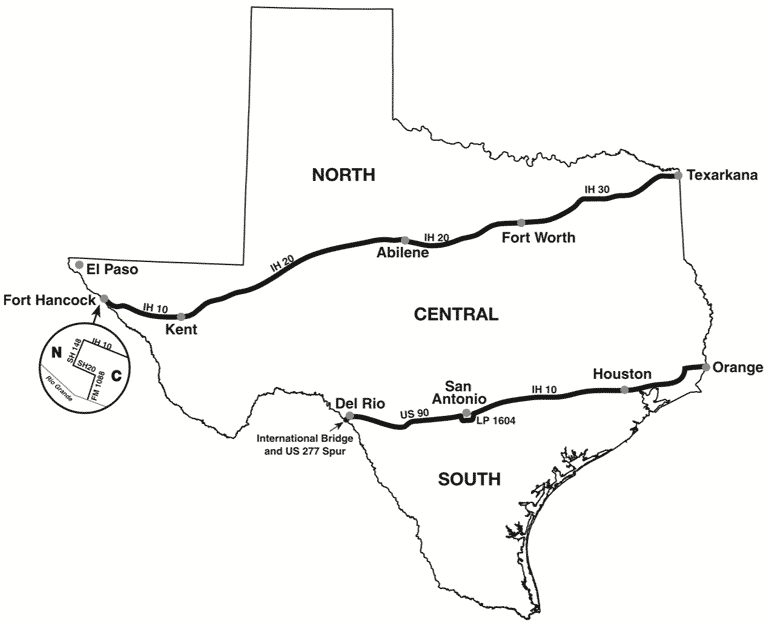
Texas is a large and ecologically diverse state, and hunting regulations often reflect these differences. The TPWD divides the state into different zones for dove hunting to better manage populations and hunting pressure. These zones can have slightly different season dates.
North, Central, and South Zones
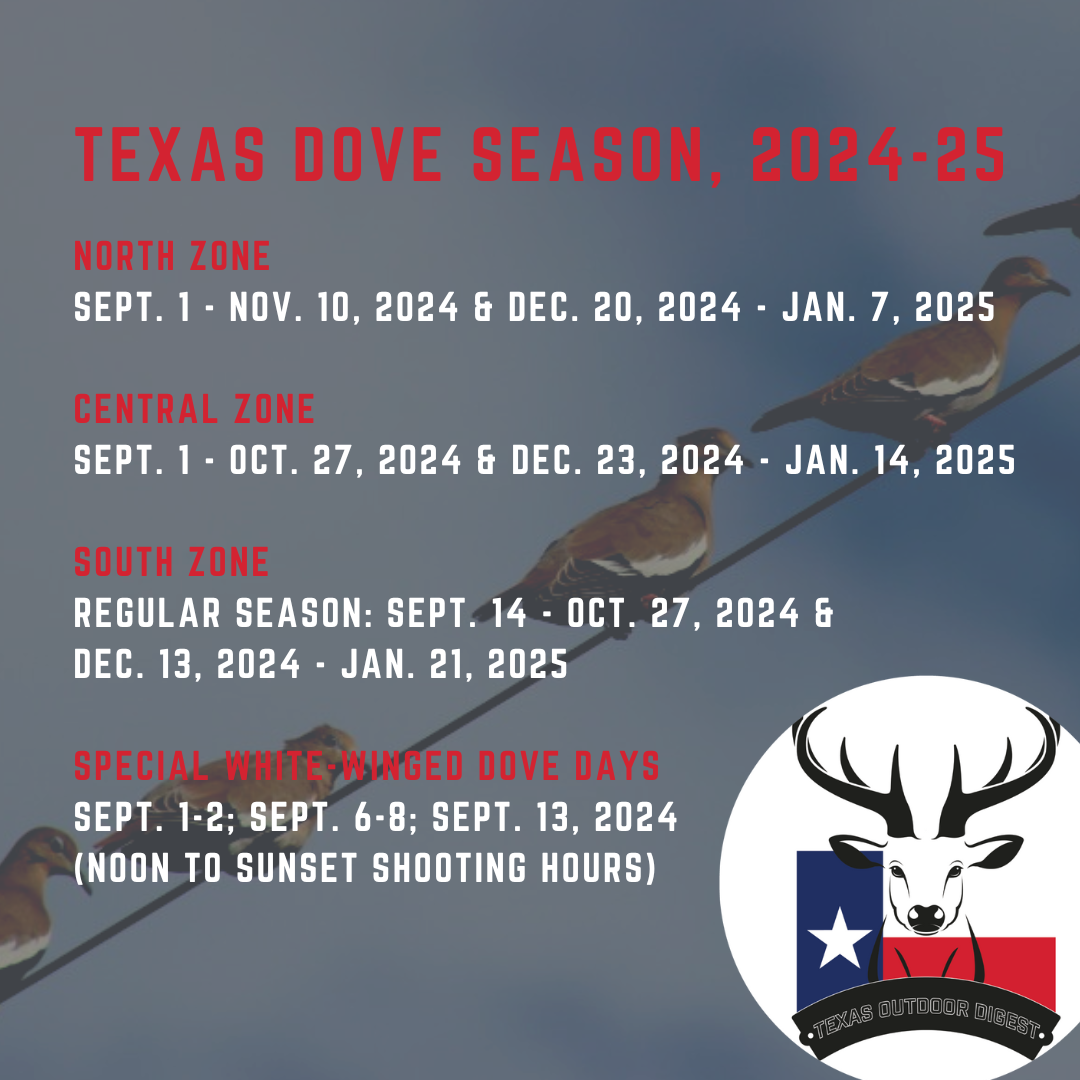
The primary divisions for dove hunting are the North, Central, and South Zones. Each zone has its own specific opening and closing dates for the various segments of the dove season.
- North Zone: This zone generally experiences an earlier start to its season, often mirroring the earliest statewide openings for mourning and white-winged doves.
- Central Zone: The Central Zone typically follows a similar pattern, with its season commencing in early September.
- South Zone: Known for its abundant white-winged dove populations, the South Zone often has a distinct early season opening for white-winged doves, followed by segments for mourning doves.
It is imperative for hunters to identify which zone they will be hunting in and to adhere to the specific regulations and dates for that zone. Consulting the official TPWD regulations map is the best way to confirm zone boundaries and season dates.
Special Provisions and Youth Hunts
In addition to the general seasons, Texas often offers special provisions, such as early youth-only hunting days. These days are designed to introduce young hunters to the sport in a controlled and encouraging environment. These youth hunts typically occur just before the general season opens, providing a valuable opportunity for mentorship and skill development for the next generation of outdoors enthusiasts.
Planning Your Texas Dove Hunting Trip
Successful dove hunting in Texas involves more than just knowing the season dates. It requires strategic planning, understanding the landscape, and respecting the regulations.
Scouting and Location Selection
The success of your dove hunt is heavily influenced by your choice of location. Look for areas with good habitat, including agricultural fields (especially those with grain crops like sorghum or wheat), stock tanks, and roosting sites near water sources. Scouting prior to the season can help identify active dove fields and potential hunting spots. Many outfitters and landowners offer guided hunts or lease opportunities across prime dove hunting regions, particularly in the Rio Grande Valley and West Texas.
Licensing and Regulations
Before heading afield, ensure you possess the necessary hunting licenses and stamps. In Texas, a valid hunting license is required, and for dove hunting, a migratory game bird stamp is also mandatory. Familiarize yourself with the bag limits, legal shooting hours, and any specific restrictions on equipment or methods. The TPWD website is the definitive source for all licensing and regulation information.
Equipment and Preparation
Appropriate gear is essential for a safe and enjoyable dove hunt. This includes a shotgun (typically 12, 20, or 28 gauge), ammunition (dove loads), protective eyewear, hearing protection, and camouflage clothing to blend with the environment. Comfortable footwear is also crucial, as you may be walking considerable distances. Bringing water and snacks is advisable, especially during warmer early season days. For those venturing into more remote areas, consider planning your accommodation well in advance. Options range from rustic cabins to more established hotels in nearby towns like San Antonio or Austin.
Ethical Hunting Practices
Responsible hunting involves adhering to ethical standards. This includes making clean shots, retrieving all downed game, respecting property rights, and practicing firearm safety at all times. Understanding and respecting the game you pursue is fundamental to the tradition of Texas hunting.
Maximizing Your Dove Hunting Experience
Beyond the opening day thrill, Texas offers a rich tapestry of experiences for dove hunters. The opportunity to connect with the land, enjoy the camaraderie of fellow hunters, and perhaps explore the local culture adds depth to the pursuit.
The Social Aspect of Dove Season
Dove hunting in Texas is often a highly social activity. Opening weekend, in particular, sees gatherings of friends and family, with traditions of shared meals and stories passed down through generations. Many hunters form hunting leases with groups of friends or join established hunting clubs, fostering a sense of community.
Exploring Texas’s Rich Outdoor Culture
The opening of dove season heralds the start of fall hunting in Texas. This period is interwoven with the state’s broader outdoor heritage. Many hunters take the opportunity to explore different regions of Texas, discovering new landscapes and local attractions. From the rolling plains of the Panhandle to the brush country of South Texas, each area offers a unique hunting experience.
Beyond the Hunt: Local Flavors and Attractions
While the primary focus is on the hunt, many towns and communities that are popular dove hunting destinations offer local attractions and culinary experiences. After a day in the field, consider visiting a local diner for some classic Texas barbecue or exploring a nearby historical site. This adds another layer to your hunting trip, turning it into a comprehensive Texas outdoor adventure. For instance, a hunt near Abilene might lead you to explore the Frontier Texas! museum, or a trip to the Corpus Christi area could involve a visit to the Texas State Aquarium.
By staying informed about the official Texas dove season dates and regulations, and by planning your excursions thoughtfully, you can ensure a rewarding and memorable experience in the heart of Texas’s celebrated outdoor traditions.
LifeOutOfTheBox is a participant in the Amazon Services LLC Associates Program, an affiliate advertising program designed to provide a means for sites to earn advertising fees by advertising and linking to Amazon.com. Amazon, the Amazon logo, AmazonSupply, and the AmazonSupply logo are trademarks of Amazon.com, Inc. or its affiliates. As an Amazon Associate we earn affiliate commissions from qualifying purchases.