
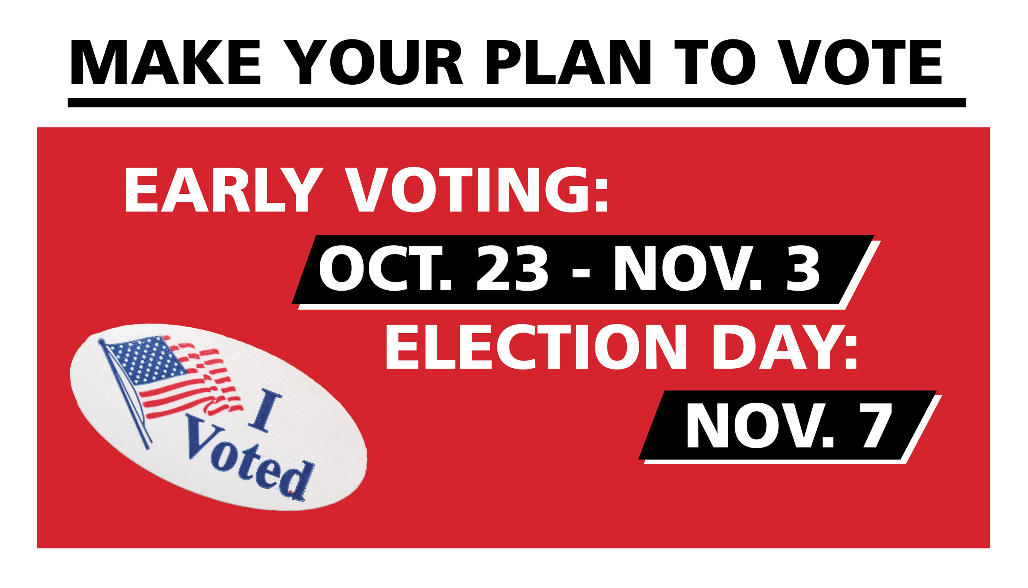
Understanding the nuances of early voting in Texas is crucial for any resident looking to participate in the democratic process. This period, preceding the official election day, offers flexibility and accessibility, allowing citizens to cast their ballots at their convenience. While the exact dates for early voting are set by state law and vary slightly with each election cycle, the general framework provides a predictable window for participation. This guide will delve into the typical timeline, the significance of early voting in Texas, and what voters need to know to ensure their vote is counted.

The Mechanics of Early Voting in Texas
Early voting in Texas is a statutory right designed to enhance voter turnout by offering a broader opportunity to cast a ballot. The Texas Election Code outlines the procedures and timelines, ensuring consistency across the state.
Statutory Deadlines and Election Types
The period for early voting is defined by law and is tied to the type of election being held. For general elections, including federal, state, and county races, early voting typically begins on the 17th day before election day and concludes on the fourth day before election day. This provides a substantial window of 13 days for voters to cast their ballot in person.
- Primary Elections: For primary elections held by political parties, the early voting period is similar, also commencing on the 17th day before election day and ending on the fourth day prior.
- Special Elections: Special elections, called to fill vacancies or decide on specific ballot propositions, also adhere to a similar early voting schedule. The exact start and end dates are announced by the Texas Secretary of State and county election officials.
- Runoff Elections: Runoff elections, which occur when no candidate receives a majority of the vote in the first round, will have their own designated early voting period, again following the established 17-day to 4-day prior timeline.
It is important to note that the specific calendar dates for these periods are determined by the date of the election itself. For example, if an election is held on a Tuesday, the early voting period will run from a Tuesday 17 days prior to the election, up to and including the Friday before that Tuesday.
Weekend Voting and Extended Hours
To further accommodate voters, many early voting locations offer extended hours and often include weekend voting. While not universally mandated for every single day of the early voting period, it is common practice for counties to provide Saturday and sometimes Sunday voting options. This flexibility is particularly beneficial for individuals who work long hours or have demanding schedules during the traditional work week. The specific hours of operation for each early voting site are determined by the county election officials and are publicly announced in advance of the early voting period. These announcements typically detail the days, times, and locations where voters can cast their ballots.
Navigating Early Voting Locations and Procedures
Once the early voting period begins, voters have the freedom to cast their ballot at any designated early voting location within their county of residence. This differs from election day, where voters are typically assigned to a specific polling place.
Choosing Your Early Voting Site
The primary advantage of early voting is the convenience of choosing from a selection of locations. Unlike election day polling places which are often tied to precincts, early voting sites are generally consolidated and spread throughout the county. This allows voters to select a location that is most convenient for their work, home, or travel routes.
- County Websites: The most reliable source for finding early voting locations and their hours of operation is the official website of your county’s election office. These sites will usually provide interactive maps or lists of all available early voting sites.
- Texas Secretary of State Website: The Texas Secretary of State office also provides resources and information related to elections, including links to county election websites.
- Public Announcements: Expect to see public notices and advertisements in local newspapers, on radio, and via social media from county officials announcing early voting dates, times, and locations.
What to Bring to the Polls
When you go to cast your early ballot, you will need to bring acceptable proof of identification. Texas law requires voters to present a valid form of photo identification at the polling place.
-
Acceptable Forms of ID: Accepted forms of identification include:
- A Texas Driver License (unexpired or expired for no more than two years)
- A Texas Election Identification Certificate
- A Texas Personal Identification Card
- A United States Citizenship and Immigration Services Employment Authorization Document
- A United States Passport
- A United States Military ID card with photograph
- A United States Citizen Identification Card
- A Certificate of Citizenship
- A Social Security card (while not a primary form of photo ID, it can be used in conjunction with other documents for certain exceptions, though the primary requirement is photo ID).
-
Voter Registration Certificate: While not a substitute for photo ID, it is always a good practice to bring your voter registration certificate with you, as it confirms your eligibility and provides your precinct information.
- Reasonable Impediment Declaration: For voters who face a “reasonable impediment” to obtaining an acceptable form of photo ID, a Reasonable Impediment Declaration can be completed at the polling place, along with a valid alternative form of identification such as a utility bill, bank statement, or government check. This process is subject to specific legal guidelines.
The Significance of Early Voting
Early voting serves a multifaceted purpose in the electoral landscape of Texas, contributing to increased voter engagement and a smoother election day process.
Enhancing Voter Accessibility and Convenience
The most apparent benefit of early voting is its enhancement of voter accessibility. By extending the voting period beyond a single day, it accommodates a wider range of schedules and life circumstances. This is particularly impactful for:
- Working Professionals: Individuals with inflexible work hours can vote before or after their shifts, or during lunch breaks, without needing to take time off on election day.
- Students: College and university students, who may have classes or study commitments on election day, can find a convenient time to vote.
- Caregivers: Those responsible for family members can schedule their voting around their caregiving duties.
- Travelers: Residents who may be traveling on election day can ensure their vote is cast before their departure.
Reducing Election Day Congestion
By distributing the voting population over a 13-day period, early voting helps to alleviate the potential for long lines and congestion at polling places on election day. This can lead to a more pleasant and efficient voting experience for all citizens, regardless of when they choose to cast their ballot. A more evenly distributed voter turnout also eases the logistical burden on election workers, allowing them to manage the process more effectively.
Promoting Civic Engagement
The extended period for casting a ballot can also serve as a subtle but effective reminder for citizens to participate. The ongoing presence of early voting locations and associated public awareness campaigns can prompt individuals to consider the candidates and issues, potentially leading to a more informed electorate. It encourages a proactive approach to voting, rather than a last-minute rush.
Staying Informed: Key Dates and Resources
For any Texan voter, staying informed about election timelines is paramount. The dates for early voting are not static and depend on the specific election.
Official Election Calendars
The Texas Secretary of State is the primary authority for state election information. They publish official election calendars that detail all critical dates, including the start and end of early voting for every election. These calendars are typically updated well in advance of each election cycle.
County Election Officials
Your local county election office is your most direct and localized source of information. Their websites and public communications will provide specific details relevant to your county, including:
- Early Voting Dates and Times: Exact start and end dates for early voting.
- Early Voting Locations: A comprehensive list of all available early voting sites within your county.
- Hours of Operation: Daily operating hours for each early voting location, including any weekend hours.
- Sample Ballots: Often, county election offices will post sample ballots so voters can familiarize themselves with the choices before going to the polls.

Voter Registration Deadlines
It is also crucial to be aware of voter registration deadlines. To be eligible to vote in any election, Texans must be registered to vote by the 30th day before election day. Missing this deadline means you cannot participate in that particular election, including the early voting period. Checking your registration status and ensuring it is up-to-date is a vital first step in the voting process. Resources for checking your registration status are readily available through the Texas Secretary of State website and your local county election website.
By understanding when early voting starts and actively seeking out reliable information, Texans can ensure they exercise their right to vote conveniently and effectively. This period offers a valuable opportunity to participate in shaping the future of Texas and the nation.
LifeOutOfTheBox is a participant in the Amazon Services LLC Associates Program, an affiliate advertising program designed to provide a means for sites to earn advertising fees by advertising and linking to Amazon.com. Amazon, the Amazon logo, AmazonSupply, and the AmazonSupply logo are trademarks of Amazon.com, Inc. or its affiliates. As an Amazon Associate we earn affiliate commissions from qualifying purchases.