
The Texas State Fair is an iconic annual event, a vibrant tapestry of culture, entertainment, and culinary delights that draws millions to Dallas each autumn. For those planning a visit, especially first-timers eager to experience its legendary charm, the most pressing question is often, “When does it open?” More than just a date on the calendar, the opening of the Texas State Fair signals the start of nearly a month-long celebration that encapsulates the very spirit of Texas. This comprehensive guide delves into the fair’s operational schedule, highlights its myriad attractions, offers essential travel and accommodation advice, and even suggests ways to extend your Dallas adventure beyond the fairgrounds. Whether you’re a seasoned fairgoer or plotting your inaugural trip, understanding the rhythms of this grand event is the first step towards an unforgettable experience.
Unveiling the Grand Opening of the Texas State Fair
The anticipation surrounding the Texas State Fair’s opening is palpable, a signal for many that autumn has truly arrived in Texas. This cherished event consistently adheres to a familiar timeframe, making it relatively easy for prospective visitors to plan their adventures well in advance.
Key Dates and Duration
The Texas State Fair typically kicks off on the last Friday in September and runs for 24 consecutive days, concluding on the third Sunday in October. This consistent schedule allows ample opportunity for everyone, from local families to international tourists, to immerse themselves in the fair’s extensive offerings. For example, if September ends on a Tuesday, the fair would begin on Friday, September 27th. This reliable pattern has been a hallmark of the fair for decades, providing a dependable window for planning.
The duration, spanning nearly four weeks, ensures that visitors can choose from various days, including weekdays, weekends, and even a holiday weekend (Columbus Day/Indigenous Peoples’ Day), to enjoy the festivities. It’s a testament to the fair’s sheer scale that it requires such an extended period to showcase all its attractions, from world-class livestock exhibitions to thrilling Midway rides and nightly musical performances. While the general timeframe remains constant, it is always wise to consult the official Texas State Fair website as the specific opening and closing dates for the current year are announced, usually several months in advance. This ensures you have the precise calendar information, including hours of operation for specific gates and attractions, helping you to fine-tune your itinerary.
Planning Your Visit Around the Calendar
Once you know the general dates, strategizing when to visit can significantly enhance your experience. The fair attracts millions, and crowd levels can vary dramatically depending on the day of the week and specific events.
Weekdays are generally less crowded than weekends, particularly during the morning and early afternoon. If your primary goal is to enjoy the rides on the Midway, explore the livestock barns, or leisurely browse the various exhibits without long lines, a weekday visit is highly recommended. Tuesdays and Wednesdays often see the lowest attendance, offering a more relaxed atmosphere. Additionally, some special promotions, such as discounted admission days or specific food deals, might be available on particular weekdays, making them even more appealing for budget travel enthusiasts.
Weekends and the holiday Monday are, predictably, the busiest times. These days buzz with an electric energy, packed with families, friends, and groups eager to soak in the full fair experience. While crowds are larger, the weekends also feature the full lineup of entertainment, including major concerts, parades, and special shows that might not run daily. If seeing a specific musical act, witnessing the daily parade, or simply enjoying the lively atmosphere is a priority, a weekend visit, despite the crowds, might be your best bet. Planning for weekend visits means arriving early, utilizing public transportation, and preparing for longer waits.
For those interested in specific events, such as auto shows, specific agricultural contests, or particular concert acts, checking the daily schedule in advance is crucial. The official fair website publishes a detailed calendar of events, performances, and special attractions, allowing you to tailor your visit to your interests. Some guests even plan multiple visits, perhaps a quieter weekday for the exhibits and a bustling weekend for the atmosphere and headline entertainment. Understanding these dynamics allows you to strategically plan your trip, ensuring you make the most of your time at one of Texas’s most beloved annual events.
More Than Just Rides: A Deep Dive into Fair Park’s Offerings
The Texas State Fair, held annually at the historic Fair Park in Dallas, is far more than a collection of thrilling rides, though its Midway is certainly legendary. It’s a sprawling celebration of Texas culture, agriculture, innovation, and community spirit, offering an unparalleled array of attractions and experiences for every age and interest.
Iconic Attractions and Entertainment
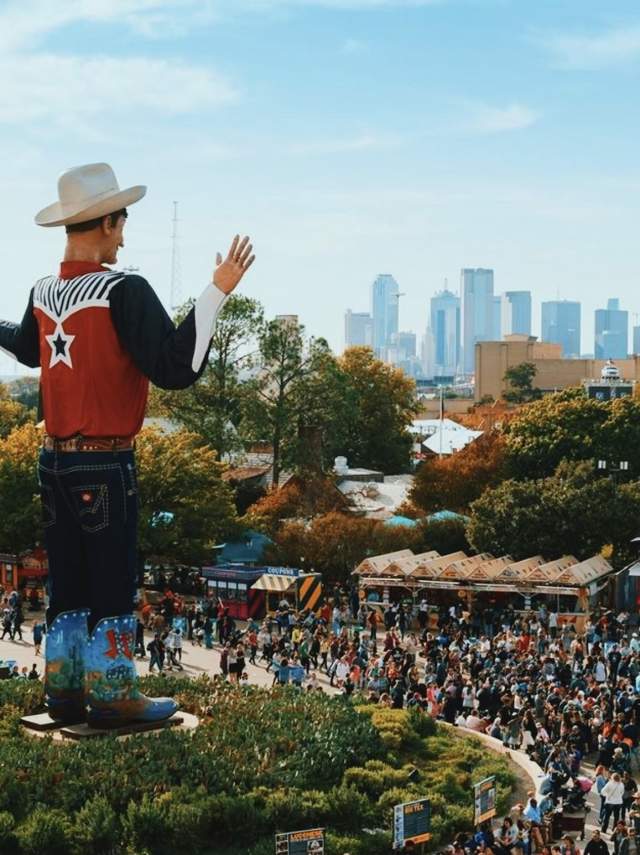
At the heart of the fair’s appeal lies its diverse range of attractions. Standing tall and proud, the beloved Big Tex — a 55-foot-tall talking cowboy statue — welcomes visitors with his booming “Howdy, Folks!” He is undeniably the fair’s most recognizable icon and a mandatory photo opportunity.
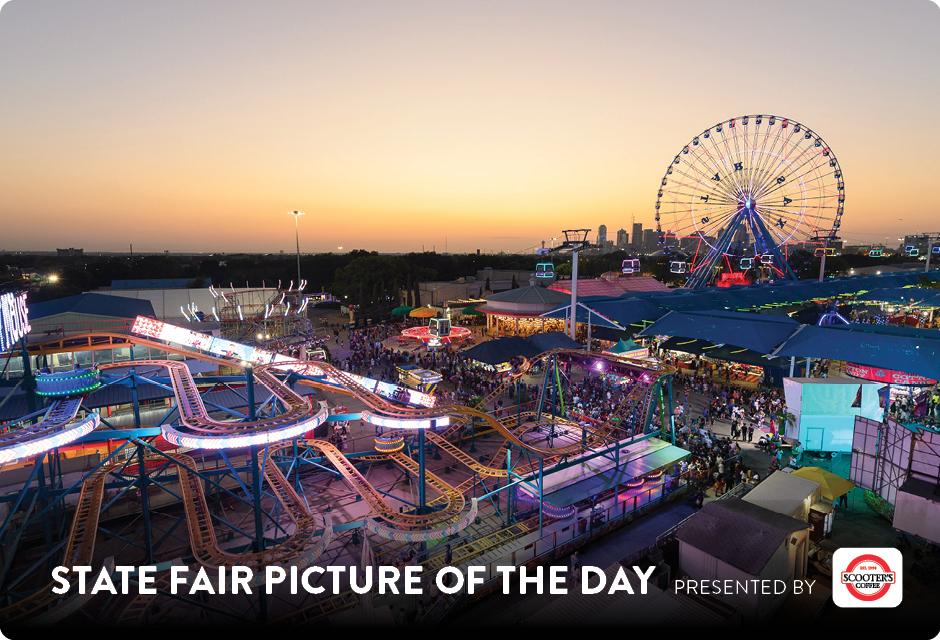
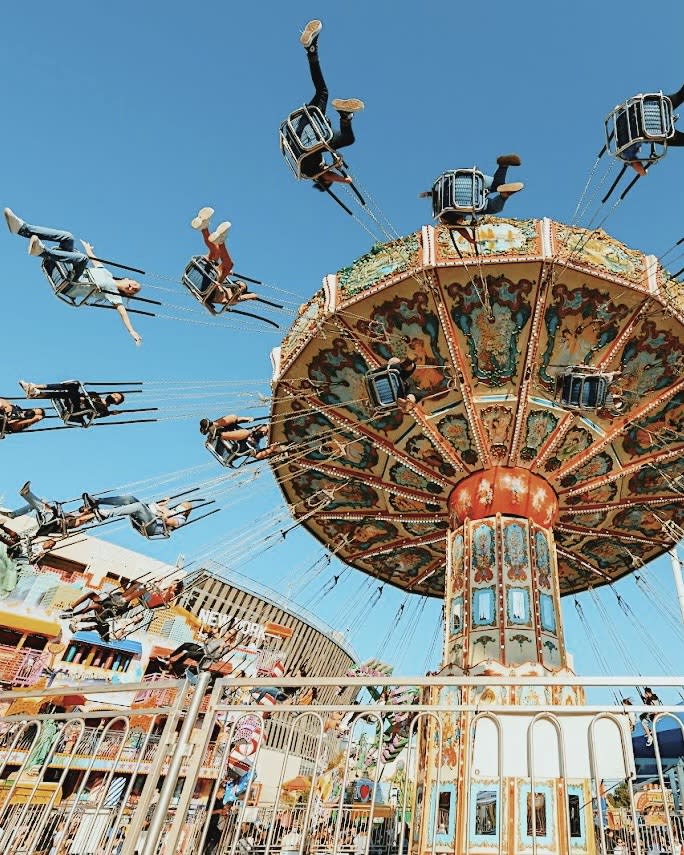
The Midway is an exhilarating spectacle, boasting over 70 rides, including the majestic 212-foot Texas Star Ferris wheel, which offers panoramic views of Dallas and the fairgrounds. From classic carousels and kiddie rides to gravity-defying thrill rides, there’s something to get every adrenaline junkie’s heart racing. Beyond the mechanical marvels, the fair hosts a variety of unique shows and performances. These include everything from pig races and dog shows to captivating acrobatic acts and cooking demonstrations. The Chevrolet Main Stage features a daily lineup of national and regional musical artists, offering free concerts that span genres from country and pop to rock and R&B.
For those interested in the state’s rich agricultural heritage, the livestock barns offer an immersive look into Texan ranching and farming. Visitors can interact with various farm animals, witness competitive livestock shows, and learn about the importance of agriculture in the state. The Auto Show showcases the latest models from major manufacturers, often featuring concept cars and cutting-edge automotive technology, appealing to car enthusiasts of all ages. Furthermore, the Creative Arts Building highlights the incredible talent of Texans, with exhibits ranging from intricate needlework and photography to woodworking and culinary arts, providing a quieter, more reflective experience. The daily Starlight Parade, featuring dazzling floats, lively bands, and whimsical characters, adds a touch of magic to the evenings, captivating audiences as it winds through the fairgrounds.
Culinary Delights: A Food Lover’s Paradise
No discussion of the Texas State Fair is complete without a homage to its legendary food. Often touted as the “Fried Food Capital of Texas,” the fair is a Mecca for gastronomic adventurers. Each year, vendors compete fiercely for the coveted “Big Tex Choice Awards,” introducing innovative and often outlandish fried creations. These award-winning dishes become instant sensations, drawing long lines of eager tasters. From fried butter and fried Coca-Cola to inventive variations of tacos, desserts, and even elaborate gourmet dishes, the fair pushes the boundaries of fried cuisine.
Beyond the deep-fried novelties, visitors can indulge in traditional fair favorites: juicy corn dogs, giant turkey legs, funnel cakes dusted with powdered sugar, and sweet roasted corn. Texan flavors are well-represented too, with BBQ, chili, and various spicy concoctions readily available. For those seeking something less adventurous, there are plenty of classic carnival foods, as well as healthier options increasingly introduced to cater to diverse dietary preferences. Exploring the fair’s culinary landscape is an adventure in itself, a vibrant journey through flavors and textures that are as much a part of the Texas State Fair experience as the rides and shows. Budgeting for food is essential, as the temptation to sample every unique offering is strong.
The Rich History and Cultural Significance
The Texas State Fair is not just an event; it’s a living piece of Texas history, deeply embedded in the state’s cultural fabric. Its roots stretch back to 1886, making it one of the oldest and largest state fairs in the United States. It has continuously operated, save for periods of war or pandemic, for over 130 years, evolving from a regional agricultural showcase to a massive celebration attracting over 2.5 million visitors annually.
The fair’s permanent home, Fair Park, is a remarkable 277-acre complex located just east of Downtown Dallas. It is an architectural gem, designated a National Historic Landmark for its outstanding collection of Art Deco buildings, many of which were constructed for the 1936 Texas Centennial Exposition. These stunning structures, including the Hall of State, the Esplanade, and the Cotton Bowl Stadium, provide a unique and majestic backdrop to the fair’s modern festivities.
Throughout its history, the Texas State Fair has played a pivotal role in showcasing Texas’s agricultural advancements, industrial growth, and cultural diversity. It has served as a melting pot where urban and rural Texas converge, celebrating shared heritage and traditions. From its livestock competitions, which foster the next generation of farmers and ranchers, to its creative arts displays, which honor local craftsmanship, the fair acts as a powerful educational and cultural institution. It champions the “Can Do” spirit of Texas, highlighting innovation, community engagement, and the boundless creativity of its people. Attending the fair is not just about entertainment; it’s about connecting with the heart and soul of the Lone Star State.
Making the Most of Your Fair Experience: Travel and Accommodation Insights
A trip to the Texas State Fair is an adventure that requires a bit of planning, especially when considering travel to Dallas and finding the perfect place to stay. Given the fair’s popularity and month-long duration, securing comfortable accommodation and understanding transportation options are crucial steps for a seamless and enjoyable visit.
Navigating Dallas: Getting to Fair Park
Fair Park, the sprawling home of the Texas State Fair, is conveniently located just minutes east of Downtown Dallas. While driving is an option, it comes with the challenge of traffic congestion and often expensive parking during peak fair hours. Many attendees find that utilizing Dallas’ excellent public transportation system, DART (Dallas Area Rapid Transit), is the most efficient and stress-free way to reach the fairgrounds.
The DART Green Line provides direct service to Fair Park with two stations: Fair Park Station and MLK, Jr. Station, both offering easy access to different gates. Many hotels in Downtown Dallas, Uptown Dallas, and other areas are within walking distance or a short ride to a DART station, making it a highly recommended mode of transport for fairgoers. Daily passes are affordable and offer unlimited rides, allowing you to explore Dallas before or after your fair visit.
For those who prefer to drive, numerous official parking lots are available around Fair Park, typically opening several hours before the gates. However, these fill up quickly, especially on weekends. It’s advisable to arrive early or consider parking further away and walking or using a ride-sharing service. Ride-sharing apps like Uber and Lyft also operate extensively in Dallas and have designated drop-off/pickup zones near the fair entrances, providing a convenient door-to-door service, albeit potentially subject to surge pricing during peak times. Regardless of your chosen method, checking traffic updates and DART schedules on the day of your visit will help ensure a smooth journey to the fairgrounds.
Choosing Your Stay: Hotels and Other Accommodations Near the Fair
Dallas offers a vast array of accommodation options to suit every preference and budget, from luxurious resorts to cozy boutique hotels and practical apartments. When visiting the Texas State Fair, proximity to Fair Park or convenient DART access are key considerations.
Downtown Dallas offers numerous high-rise hotels like the Omni Dallas Hotel or the Hyatt Regency Dallas, providing easy access to the DART Green Line and putting you close to other Dallas attractions. These options are ideal for those seeking a vibrant urban experience and sophisticated amenities. Many dallas-hotels in Downtown Dallas cater to both luxury travel and more moderate budgets, often including features like pools, fitness centers, and on-site dining.
For a more upscale, trendy experience, consider Uptown Dallas, known for its chic boutique hotels like Hotel ZaZa Dallas or The Joule Dallas, lively nightlife, and upscale dining. While a bit further from Fair Park, Uptown Dallas is well-connected by DART and the free McKinney Avenue Trolley, offering a different flavor of Dallas charm.
Deep Ellum, adjacent to Fair Park, is a historic entertainment district with a unique artistic vibe. It offers a mix of smaller hotels and apartments for rent, perfect for those who want to be immersed in a vibrant, music-filled neighborhood and enjoy a shorter commute to the fair. This area might appeal to those looking for a younger, more eclectic atmosphere.
For family trips or longer stays, considering suites or apartments with kitchenettes can provide added comfort and cost savings. Many brand-name hotels outside the immediate city center, but still on a DART line, offer excellent value and family-friendly amenities such as complimentary breakfast and pools. Due to the fair’s popularity, booking your accommodation well in advance is highly recommended, especially if you plan to visit on a weekend or during the latter part of the fair’s run. Early booking often secures better rates and a wider selection of rooms. Utilizing comparison websites and checking reviews can help you find the ideal stay that balances convenience, comfort, and cost for your Texas State Fair adventure.
Essential Tips for First-Timers and Seasoned Fairgoers
To truly maximize your Texas State Fair experience, a few key tips can go a long way in ensuring comfort and enjoyment:
- Tickets and Discounts: Purchase your admission tickets online in advance to save time at the gate and often some money. Look for various discount opportunities, such as those offered by grocery stores or on specific weekdays.
- Comfortable Footwear: You’ll be doing a lot of walking across Fair Park’s expansive grounds. Wear your most comfortable shoes.
- Hydration is Key: Texas weather in September and October can still be warm. Stay hydrated by bringing a refillable water bottle (check fair policies on outside beverages) or purchasing drinks frequently.
- Budget for Fun: Set a budget for food, drinks, games, and souvenirs. It’s easy to get carried away with all the tempting offerings. Many vendors accept credit cards, but having some cash on hand is always a good idea.
- Plan Your Day: With so much to see and do, it’s impossible to experience everything in one visit. Prioritize your must-see attractions, shows, and food items. The official fair app can be a great tool for navigation and real-time schedules.
- Manage Crowds: If you dislike crowds, aim for weekday mornings. If visiting on a busy day, identify a meeting point in case your group gets separated.
- Sun Protection: Sunscreen, hats, and sunglasses are recommended, especially for daytime visits, as much of the fair is outdoors.
- Locker Rentals: Consider renting a locker near the entrance if you plan on purchasing many souvenirs or want a place to stash extra layers as the day cools down.
Following these practical tips will help you navigate the fair like a pro, allowing you to focus on the fun, food, and festivities that make the Texas State Fair such a beloved annual tradition.
Beyond the Fairgrounds: Exploring Dallas and Surrounding Areas
While the Texas State Fair is undoubtedly a major draw, a trip to Dallas offers much more. Extending your stay allows you to delve into the vibrant culture, rich history, and diverse attractions of this dynamic North Texas metropolis and its charming surroundings.
Top Dallas Attractions to Complement Your Fair Trip
Dallas boasts an impressive array of landmarks and experiences that can easily fill a few extra days on your itinerary.
The Dallas Arts District, one of the largest contiguous urban arts districts in the United States, is home to world-class museums such as the Dallas Museum of Art, the Nasher Sculpture Center, and the Crow Museum of Asian Art, all offering free general admission. It also features iconic performance venues like the Morton H. Meyerson Symphony Center and the Winspear Opera House.
For a moment of quiet reflection and historical insight, the Sixth Floor Museum at Dealey Plaza offers a poignant look at the life and legacy of President John F. Kennedy. It’s a powerful and educational experience.
Klyde Warren Park is an innovative urban deck park built over a freeway, connecting Downtown Dallas with Uptown Dallas. It’s a hub of activity with food trucks, free fitness classes, children’s activities, and performances, perfect for a relaxing afternoon.
Families, in particular, will enjoy the Dallas World Aquarium, an immersive experience that transports visitors through various ecosystems, and the Dallas Arboretum and Botanical Garden, especially beautiful in the fall with its seasonal floral displays. For breathtaking panoramic views of the city, a visit to the Reunion Tower GeO-Deck is a must. Each of these attractions is easily accessible from various Dallas hotels and public transport routes, making them excellent complements to your fair visit.
Day Trips from Dallas
If you have an extra day or two, consider venturing beyond the city limits to explore more of North Texas’s unique charm.
A popular choice is a visit to Fort Worth Stockyards National Historic District, located about an hour west of Dallas. Step back in time to the Old West, witness a twice-daily cattle drive, explore the historic buildings, and enjoy a rodeo. It’s a distinctly Texan experience that contrasts nicely with the urban sophistication of Dallas.
Another charming destination is Grapevine, a historic city known for its vibrant Main Street, wineries, and numerous festivals. Depending on the time of year, you might catch a festival, explore boutique shops, or enjoy a wine tasting at one of its many vineyards. Grapevine is also home to SEA LIFE Grapevine Aquarium and LEGOLAND Discovery Center, making it a great option for family trips. Both Fort Worth and Grapevine are easily reachable by car from Dallas, offering a change of pace and a deeper dive into the regional identity of Texas.
In conclusion, knowing “When Does Texas State Fair Open?” is merely the starting point for an incredible adventure. From its consistent late September launch to its three weeks of unparalleled entertainment, food, and culture, the Texas State Fair offers a vibrant celebration for all. By planning your visit around its schedule, leveraging travel and accommodation insights, and perhaps extending your stay to explore the broader Dallas area, you’re set for a truly memorable experience that embodies the expansive and welcoming spirit of Texas.
LifeOutOfTheBox is a participant in the Amazon Services LLC Associates Program, an affiliate advertising program designed to provide a means for sites to earn advertising fees by advertising and linking to Amazon.com. Amazon, the Amazon logo, AmazonSupply, and the AmazonSupply logo are trademarks of Amazon.com, Inc. or its affiliates. As an Amazon Associate we earn affiliate commissions from qualifying purchases.