
Planning a getaway to the paradise of the Pacific requires more than just picking a swimsuit and sunscreen. For many travelers, the journey begins with a singular, pressing question: When does the aircraft actually depart for Hawaii? While flight schedules are dynamic, understanding the logistics, timing, and strategic advantages of flight departures is essential for crafting the perfect island itinerary. Whether you are flying from the United States mainland or connecting through international hubs, the timing of your departure sets the tone for your entire vacation.
Understanding the Logistics of Pacific Departures
The scheduling of flights to Oahu, Maui, Kauai, and the Big Island is dictated by a complex interplay of time zones, air traffic control corridors, and carrier fleet management. Unlike short-haul domestic flights, trans-Pacific routes require significant fuel planning and specific daylight availability at the destination airport.

Morning Departures: The Early Bird Advantage
Most major airlines, including Hawaiian Airlines, United Airlines, and Delta Air Lines, prioritize morning departures from West Coast hubs like Los Angeles, San Francisco, and Seattle.
The primary advantage of a morning departure is the “arrival-before-sunset” window. By departing around 8:00 AM or 9:00 AM, you are positioning yourself to land in Honolulu or Kahului by early afternoon. This allows travelers to skip the stress of late-night check-ins at resorts and provides a crucial window to pick up a rental car, grab a local meal, and reach the beach before the day concludes.
Red-Eye Flights and Connectivity
For those traveling from the East Coast or mid-continent, direct flights are often scheduled as “red-eyes” or early mid-morning departures that take advantage of the time difference. Because Hawaii is several hours behind, a flight leaving New York City or Chicago in the morning often arrives in the afternoon of the same day. This unique temporal quirk is a favorite among savvy travelers who want to maximize their first day on the islands.
Factors Influencing Departure Times
Several variables can shift when your aircraft leaves the tarmac. While the printed itinerary is your primary guide, environmental and operational factors play a significant role.
Seasonal Demand and Scheduling
Airlines adjust their departure boards seasonally. During peak winter months, when snowbirds escape the cold for the warm shores of Waikiki, you will notice a higher density of flight options throughout the day. Conversely, the shoulder seasons may see fewer, consolidated flights. If you are aiming for a specific arrival time, it is vital to consult your booking portal regularly, as departure windows can shift by 30 to 60 minutes based on seasonal flight paths and tailwind projections.
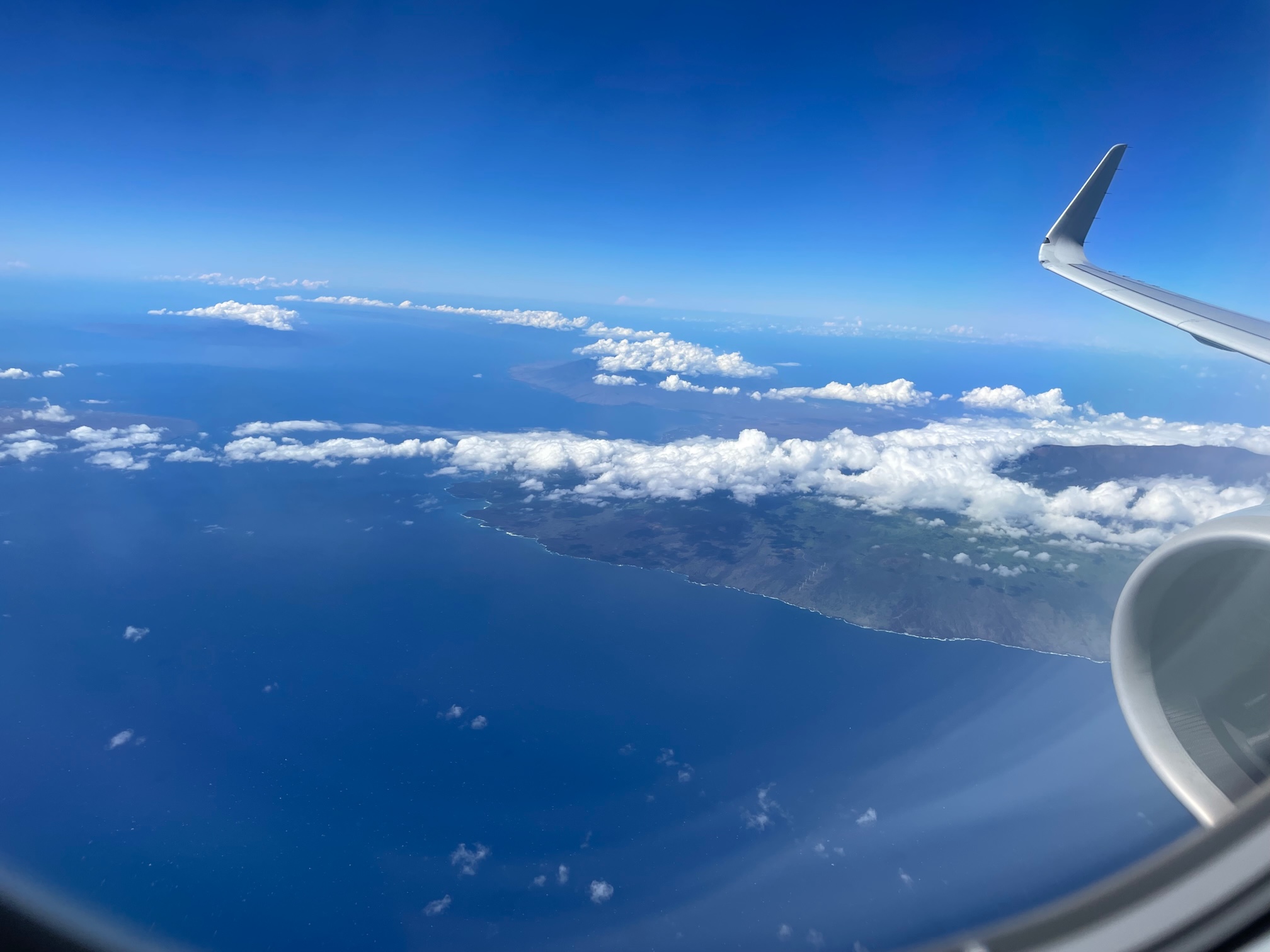
Wind Patterns and Jet Streams
Trans-Pacific flight times are notoriously dependent on the jet stream. Because the aircraft is traveling against the prevailing winds when flying westbound to the islands, departures are often padded with extra time. Pilots and dispatchers frequently look for windows where wind resistance is minimized. Consequently, if there is significant weather volatility over the Pacific Ocean, you might find that departure times are delayed slightly to ensure optimal fuel efficiency and passenger comfort.
How to Choose the Right Departure Time for Your Itinerary
Choosing when to depart is about more than just the clock; it is about how you want to handle the transition into “island time.”
The “Maximize the First Day” Strategy
If you are planning to head straight to Kona or Hilo, look for the earliest possible departure from your origin city. Travelers who catch the first flight out of Los Angeles International Airport often find themselves walking along the black sand beaches of the Big Island by 2:00 PM. This schedule allows for a seamless transition, giving you enough time to settle into your hotel before heading out for a traditional luau or a sunset dinner.
The “Ease into the Vacation” Approach
For travelers coming from long distances, the “ease-in” approach is often preferred. This involves selecting a flight that arrives in the early evening. While you may miss the afternoon beach time, you avoid the rush hour traffic often found near Daniel K Inouye International Airport. Arriving in the evening allows you to check in, enjoy a quiet dinner at your resort, and get a full night’s rest so you can wake up refreshed for your first full day of exploration.
Strategic Tips for Monitoring Your Flight
To ensure you never miss your departure, utilize modern travel tools to stay ahead of the curve.
- Direct Carrier Alerts: Always sign up for text and email notifications from your airline. Changes in departure times—often caused by maintenance or air traffic control—are communicated here first.
- Airport Monitoring: Keep an eye on the FlightAware data for your specific route. Tracking the inbound aircraft, which will eventually be the one to take you to Hawaii, can give you a better sense of whether your departure will be on time.
- Buffer Time: When arriving at the airport, always account for the unique security environment at major hubs. Even if your flight is scheduled for a late-morning departure, the TSA lines at busy airports like Dallas-Fort Worth International Airport can be unpredictable.

Final Considerations Before Boarding
As your departure time approaches, remember that Hawaii has strict agricultural regulations. If you are bringing certain goods or returning with local flora, be aware that these can influence your interaction with airport staff upon arrival.
Ultimately, the best time to depart for your vacation is one that aligns with your energy levels and your desire to jump straight into the culture. Whether you are craving the bustling energy of Honolulu or the serene, volcanic landscapes of the Big Island, your journey begins the moment the wheels leave the ground. By choosing your flight time with intention, you ensure that your arrival is as beautiful and stress-free as the islands themselves. Keep your boarding pass handy, check your airline app for the latest updates, and prepare for the breathtaking view of the emerald peaks rising out of the deep blue Pacific Ocean as you make your final descent. Your island escape is waiting—make sure you are ready for the departure.
LifeOutOfTheBox is a participant in the Amazon Services LLC Associates Program, an affiliate advertising program designed to provide a means for sites to earn advertising fees by advertising and linking to Amazon.com. Amazon, the Amazon logo, AmazonSupply, and the AmazonSupply logo are trademarks of Amazon.com, Inc. or its affiliates. As an Amazon Associate we earn affiliate commissions from qualifying purchases.