
Florida, often called the Sunshine State, beckons millions of travelers each year with its pristine beaches, world-famous theme parks, vibrant cities, and unique natural landscapes. From the historic charm of St. Augustine to the pulsating nightlife of Miami, and the magical allure of Orlando, there’s an endless array of experiences awaiting every visitor. However, planning a trip to this popular destination requires an understanding of its climate, particularly the annual hurricane season. Knowing when hurricane season starts and what it entails is crucial for ensuring a safe, enjoyable, and stress-free vacation. This comprehensive guide will delve into everything you need to know about Florida’s hurricane season, offering insights for travel planning, accommodation choices, and navigating your stay like a seasoned local.
Understanding Florida’s Hurricane Season
Florida’s geographical location makes it particularly susceptible to tropical storms and hurricanes. Bordered by the Atlantic Ocean to the east and the Gulf of Mexico to the west, the peninsula extends directly into the paths of storms forming in these basins and the Caribbean Sea. While the thought of a hurricane might seem daunting, with proper planning and awareness, travelers can still enjoy the beauty of Florida even during these months.
Official Dates and Peak Activity
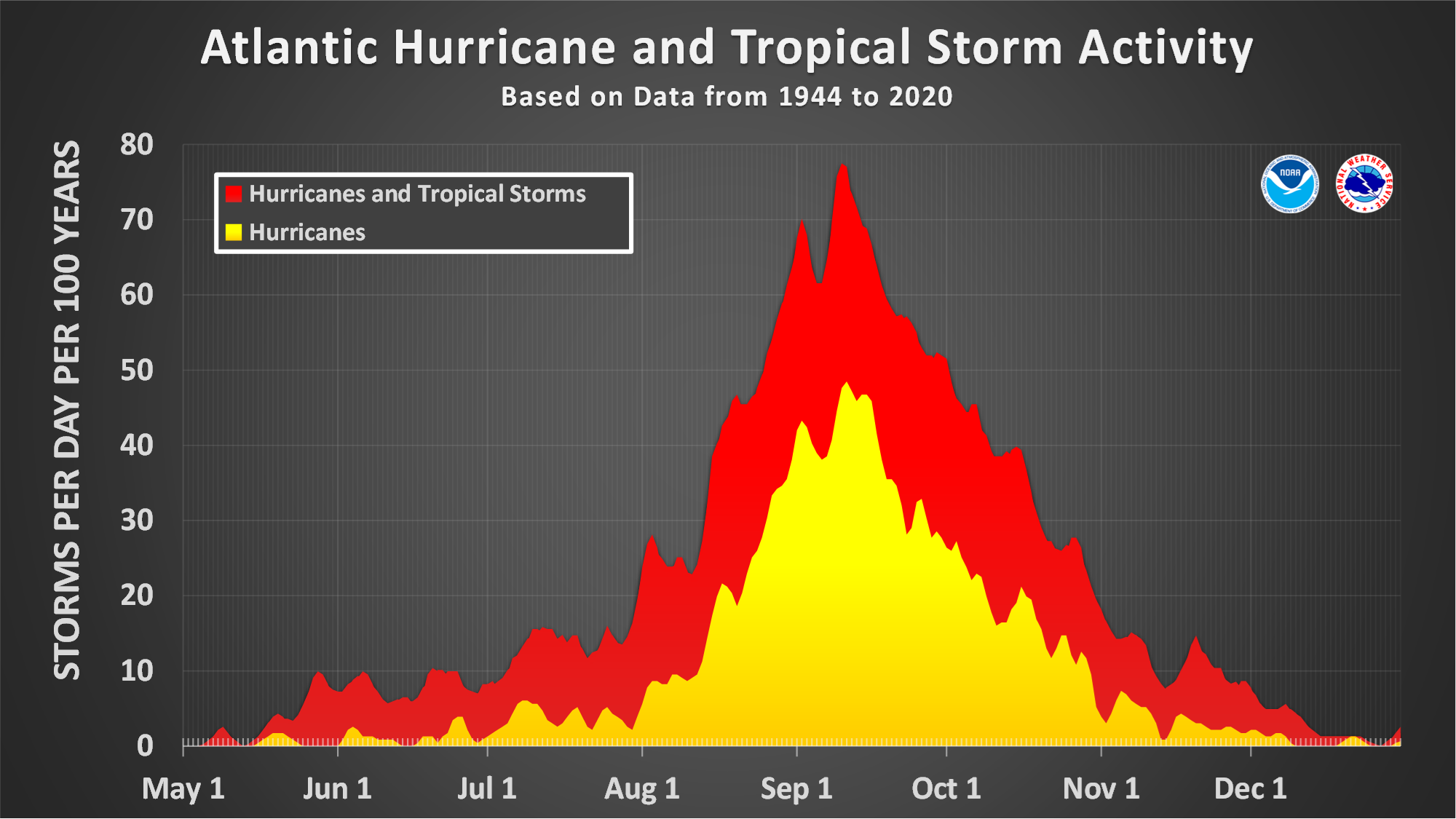
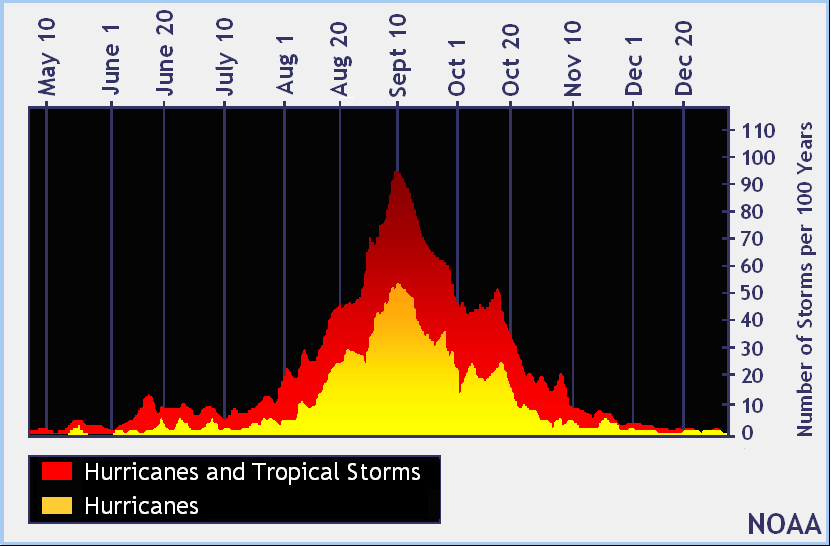
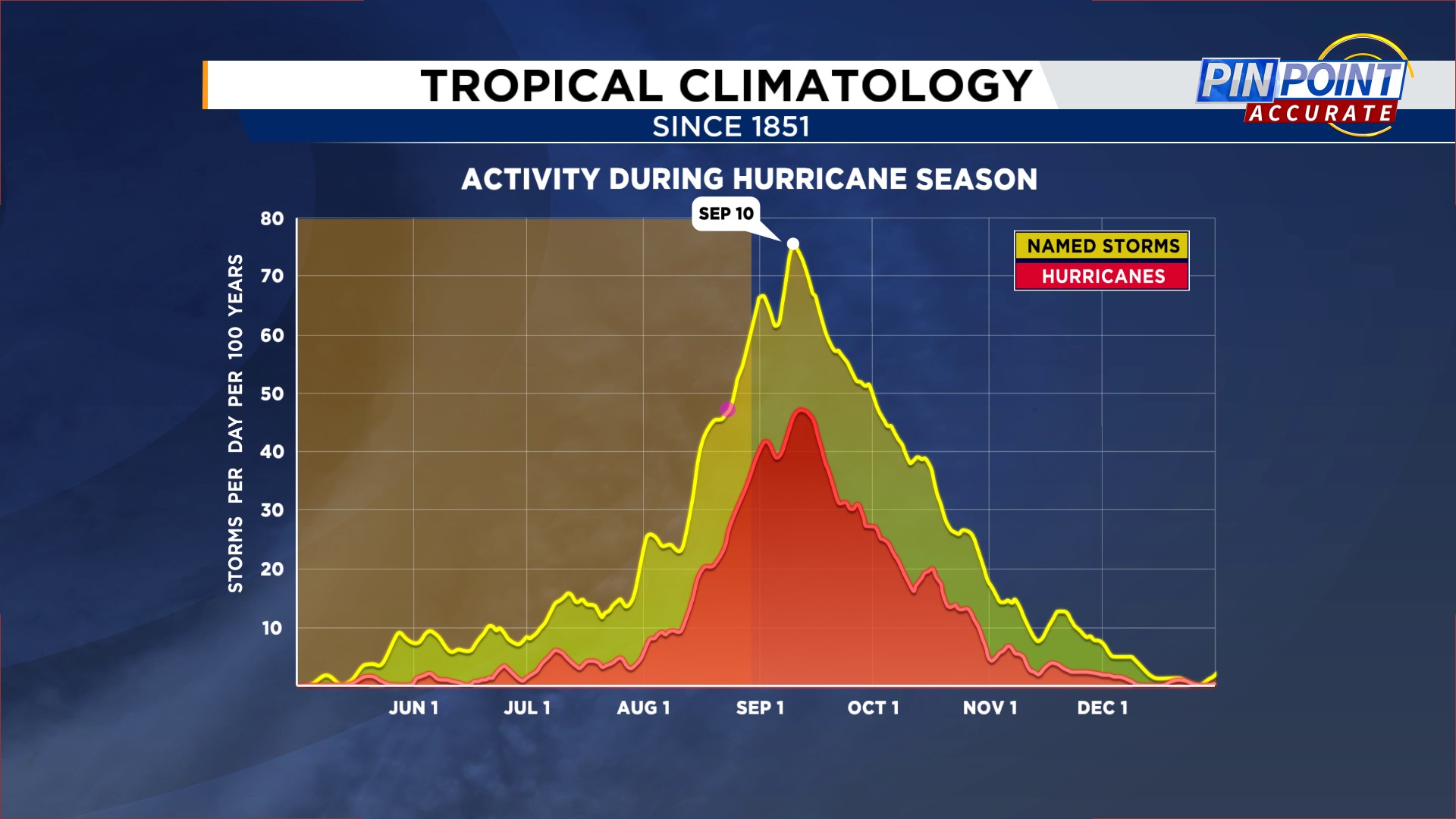
The official hurricane season for the Atlantic Ocean, Caribbean Sea, and Gulf of Mexico — which directly impacts Florida — runs from June 1st to November 30th each year. This six-month period is when conditions are most favorable for tropical cyclone development. However, it’s important to understand that not all months within this window carry the same risk.
The season typically starts slowly in June, with an increasing frequency of storms through July and August. The peak of hurricane season usually occurs between mid-August and late October, with September being the most active month. During this peak period, sea surface temperatures are at their warmest, and wind shear — which can inhibit storm formation — is often at its lowest. This creates a fertile environment for tropical depressions to strengthen into tropical storms and, potentially, hurricanes. By November, activity generally wanes as cooler temperatures and stronger wind shear return.
While these dates define the official season, it’s worth noting that storms can occasionally form outside this window, though it is rare. These “out-of-season” storms are usually weaker and less impactful, but serve as a reminder that vigilance is always prudent. The National Oceanic and Atmospheric Administration (NOAA) provides seasonal forecasts and real-time updates, which are invaluable resources for anyone planning to travel to Florida during these months. Understanding these patterns allows travelers to make informed decisions about when to visit and how to prepare.
Why Florida is Prone to Hurricanes
Florida’s unique geography and climate are the primary reasons for its susceptibility to hurricanes. The warm waters of the Atlantic Ocean and the Gulf of Mexico act as the fuel for these powerful weather systems. Tropical cyclones thrive on warm ocean temperatures (typically above 80°F or 26.5°C) that extend to a significant depth, and these conditions are consistently met in the waters surrounding Florida throughout the summer and early fall.
Furthermore, the state’s flat terrain and extensive coastline mean that once a storm makes landfall, its impacts can be widespread, from storm surge along the coast to heavy rainfall and inland flooding across vast areas. Different regions of Florida can experience varying levels of risk. South Florida, including Miami and the Florida Keys, often experiences earlier season storms tracking from the Caribbean Sea, while the Panhandle and western coast (like Tampa Bay) are more vulnerable to systems developing in the Gulf of Mexico. Central Florida, home to Orlando’s theme parks, can still feel significant effects from strong storms, primarily from heavy rains, winds, and potential flooding, even if it’s not directly on the coast.
Understanding these factors isn’t meant to deter travel, but to empower visitors with the knowledge needed to make smart decisions. Many travel to Florida during hurricane season for various reasons, including lower crowds and potentially reduced accommodation costs. By being prepared and informed, these benefits can still be enjoyed without undue risk.
Planning Your Florida Trip During Hurricane Season
Traveling to Florida during hurricane season doesn’t have to be a gamble. With careful planning and a proactive approach, you can significantly mitigate potential risks and still have a fantastic experience. This involves considering various aspects of your trip, from financial protections to flexible bookings and staying connected with reliable information sources.
Travel Insurance: A Non-Negotiable
If you plan to visit Florida between June and November, comprehensive travel insurance is arguably the most important purchase you can make after booking your flights and accommodation. Standard travel insurance policies often include provisions for trip interruption, cancellation, and medical emergencies, but you’ll want to ensure your policy specifically covers weather-related events, particularly hurricanes.
Look for a “Cancel For Any Reason” (CFAR) policy if possible, as this offers the most flexibility. Otherwise, confirm that the policy explicitly covers cancellations or interruptions due to named hurricanes, government-issued evacuation orders, or major travel delays resulting from a storm. This could cover non-refundable deposits for hotels, flights, tours, and even rental cars. Without adequate insurance, a canceled trip due to a hurricane could result in significant financial losses. When comparing policies, read the fine print carefully to understand the terms and conditions related to natural disasters, including any waiting periods before coverage takes effect once a storm is named. Some policies may not cover events that were “foreseeable” at the time of purchase, so buying insurance well in advance of the season or before a storm becomes a threat is advisable.
Accommodation Considerations and Flexibility
Choosing the right accommodation and booking with flexibility in mind are key strategies for travel during hurricane season. Many resorts and hotels in Florida, especially those in coastal areas, have hurricane policies in place. Before booking, inquire about their specific policies regarding cancellations, refunds, or rebooking options if a hurricane threatens or impacts the area. Resorts like those found in Orlando, such as Walt Disney World Resort and Universal Orlando Resort, often have well-defined “hurricane guarantees” that allow guests to reschedule or cancel without penalty.
Opt for accommodations with flexible cancellation policies, ideally allowing free cancellation up to 24-48 hours before check-in. This gives you peace of mind and the ability to adjust your plans if a storm develops. Consider booking directly with hotels rather than third-party sites, as direct bookings sometimes offer more flexibility or better communication regarding storm protocols. For longer stays or if you’re exploring different regions, booking apartments or villas that offer similar flexibility is also a smart move. When reviewing potential places to stay, check recent guest reviews for any mentions of storm preparedness or how staff handled previous weather events. This gives insight into their reliability and commitment to guest safety.
Monitoring Weather and Local Resources
Staying informed is your best defense against unexpected hurricane disruptions. Before and during your trip, make it a habit to monitor reliable weather sources. The U.S. National Hurricane Center (NHC) is the official source for hurricane forecasts and advisories in the Atlantic basin. Their website provides real-time updates, storm tracks, and intensity predictions. Additionally, local Florida news channels and emergency management websites are excellent sources for region-specific information, including evacuation orders, shelter locations, and local road closures.
Download a reliable weather app that provides push notifications for severe weather alerts. Familiarize yourself with emergency contact numbers and the official tourism board websites for the specific cities or regions you plan to visit (e.g., Visit Florida, Visit Orlando, Miami & Beaches). These resources often provide specific guidance for tourists during emergency situations. Keep your phone charged, and consider carrying a portable power bank. Being well-informed allows you to make timely decisions, whether that means adjusting your itinerary, hunkering down, or evacuating if necessary.
What to Expect and How to Prepare
Even if a major hurricane doesn’t directly hit your planned destination, a tropical storm or distant hurricane can still bring heavy rainfall, strong winds, and rough seas, which can impact your travel experience. Being prepared for these eventualities is part of a responsible travel lifestyle.
Safety First: Evacuation Routes and Shelters
In the rare event that a hurricane does directly threaten your location in Florida, state and local authorities have well-established emergency plans. It is crucial to heed all warnings and evacuation orders issued by these officials.
- Know Your Zone: Florida’s coastal counties have designated evacuation zones based on flood risk. Familiarize yourself with the zone your accommodation is in. You can usually find this information on county emergency management websites.
- Evacuation Routes: If an evacuation order is issued, know your designated route. These routes are designed to safely move large populations away from coastal areas. Avoid secondary roads as they may become congested or flooded.
- Shelters: Public shelters are opened in safe, designated areas when an evacuation is ordered. These are typically schools or community centers built to withstand hurricane-force winds. If you plan to use a public shelter, remember to bring essential items like medications, identification, comfortable bedding, and non-perishable food. However, for most tourists, evacuating to an inland hotel outside the storm’s path is often a more comfortable option if time and resources allow.
- Emergency Kit: Even if not evacuating, it’s wise to have a small emergency kit, especially if staying in a self-catering apartment. This could include bottled water, non-perishable snacks, a flashlight, a first-aid kit, battery-powered radio, and any necessary medications.
Remember, the goal is always safety. If told to evacuate, do so promptly. Local authorities prioritize the safety of residents and visitors alike, and their guidance is based on expert meteorological assessments.
Protecting Your Florida Experience
While safety is paramount, you can also take steps to protect the enjoyment of your Florida trip.
- Alternative Activities: If outdoor activities are disrupted by heavy rain or strong winds (even without a direct hurricane), have a backup plan. Florida offers numerous indoor attractions. In Orlando, consider indoor sections of theme parks, museums, or extensive shopping malls. In Miami, explore art galleries, performance venues, or world-class restaurants. Even in places like Key West, there are historical museums and vibrant bars to duck into.
- Stay Connected: Ensure your phone is always charged and you have a way to communicate with family and friends. Cell service might be intermittent during severe weather, so have a plan for checking in.
- Be Flexible: The essence of a good travel experience during hurricane season is flexibility. Weather forecasts can change rapidly. Be prepared to adjust your plans, whether that means delaying a beach day, switching to an indoor activity, or even modifying your travel dates if a significant storm is brewing.
- Enjoy Off-Peak Perks: Despite the risks, traveling during hurricane season can have its advantages. You’ll often find fewer crowds at popular landmarks like NASA Kennedy Space Center Visitor Complex or Everglades National Park, and potentially lower prices for flights and accommodations. Many budget travel enthusiasts specifically target these months for cost savings. The key is to enjoy these perks while remaining diligent about safety.
By integrating these preparations into your travel lifestyle, you can approach your Florida vacation with confidence, ready to enjoy its many wonders while being smart about potential weather challenges.
Best Times to Visit Florida (Outside Hurricane Season)
While traveling during hurricane season is manageable with careful planning, many prefer to visit Florida during months when the risk of tropical storms is significantly lower. These periods offer more predictable sunny weather, ideal for enjoying all the state has to offer, from its stunning beaches to its world-renowned attractions.
Generally, the best times to visit Florida are from December to May.
- Winter (December to February): This is arguably the most popular time to visit Florida, especially for those escaping colder climates in North America or Europe. Temperatures are mild and pleasant, humidity is low, and sunshine is abundant. It’s perfect for beach relaxation, exploring cities like Miami and Key West, and enjoying outdoor activities in Everglades National Park. However, this peak season also means higher prices for hotels and flights, and larger crowds at major attractions like Walt Disney World Resort and Universal Orlando Resort. It’s an ideal time for luxury travel, as resorts are fully operational with all amenities available.
- Spring (March to May): Spring offers a wonderful balance of great weather and slightly fewer crowds than the peak winter months (though spring break periods can be very busy). Temperatures start to warm up, making it perfect for swimming and water sports without the intense heat and humidity of summer. This period is excellent for exploring Florida’s diverse natural beauty, from the springs of Central Florida to the Gulf Coast beaches around Tampa. Accommodation prices may still be higher than during the summer/fall but can offer better value than winter. This timeframe is often preferred for family trips and those seeking comfortable outdoor experiences.
- Early June and Late November: These shoulder months at the very beginning and end of the official hurricane season can also be good options. Early June typically sees pleasant weather with lower hurricane risk, offering a brief window before the season fully ramps up. Late November, after Thanksgiving, often brings cooler temperatures and decreasing storm activity, making it a good time for a post-holiday getaway. You might find better deals on accommodation and travel during these periods compared to the prime winter and spring seasons, appealing to budget travel enthusiasts.
No matter when you decide to visit, Florida offers an incredible array of travel destinations, attractions, and cultural experiences. With thoughtful planning, an understanding of the local climate, and flexibility, you can ensure your trip to the Sunshine State is memorable for all the right reasons.
LifeOutOfTheBox is a participant in the Amazon Services LLC Associates Program, an affiliate advertising program designed to provide a means for sites to earn advertising fees by advertising and linking to Amazon.com. Amazon, the Amazon logo, AmazonSupply, and the AmazonSupply logo are trademarks of Amazon.com, Inc. or its affiliates. As an Amazon Associate we earn affiliate commissions from qualifying purchases.