
The New York Stock Exchange, located in the heart of Manhattan at the iconic 11 Wall Street, stands as much more than a global financial hub; it is a monumental landmark that draws thousands of visitors to New York City every year. For those wandering through the Financial District, understanding the rhythms of this historic building is essential to appreciating its role in the cultural and architectural fabric of the United States.
The Daily Operations and Visiting Hours
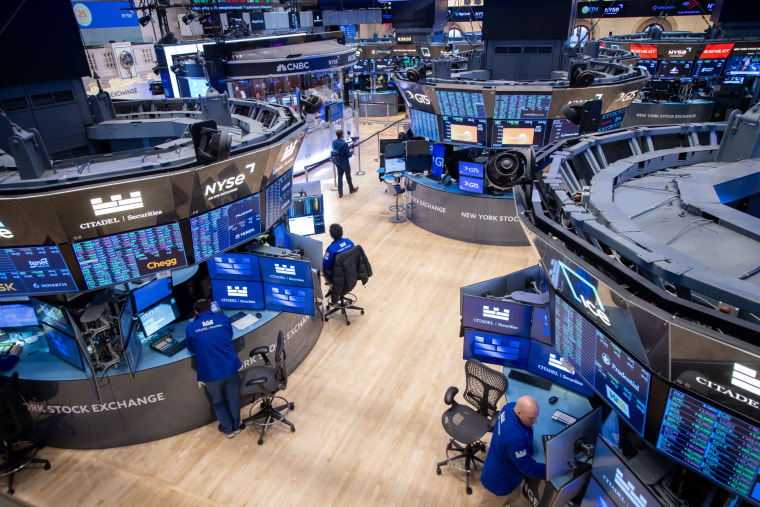
For the casual observer and the architecture enthusiast, the New York Stock Exchange follows a rigid schedule that dictates the pulse of the surrounding streets. While the exchange floor operates strictly between 9:30 a.m. and 4:00 p.m. Eastern Time, the area itself is a vibrant destination for tourists who wish to witness the neo-classical splendor of the structure.
Navigating the District
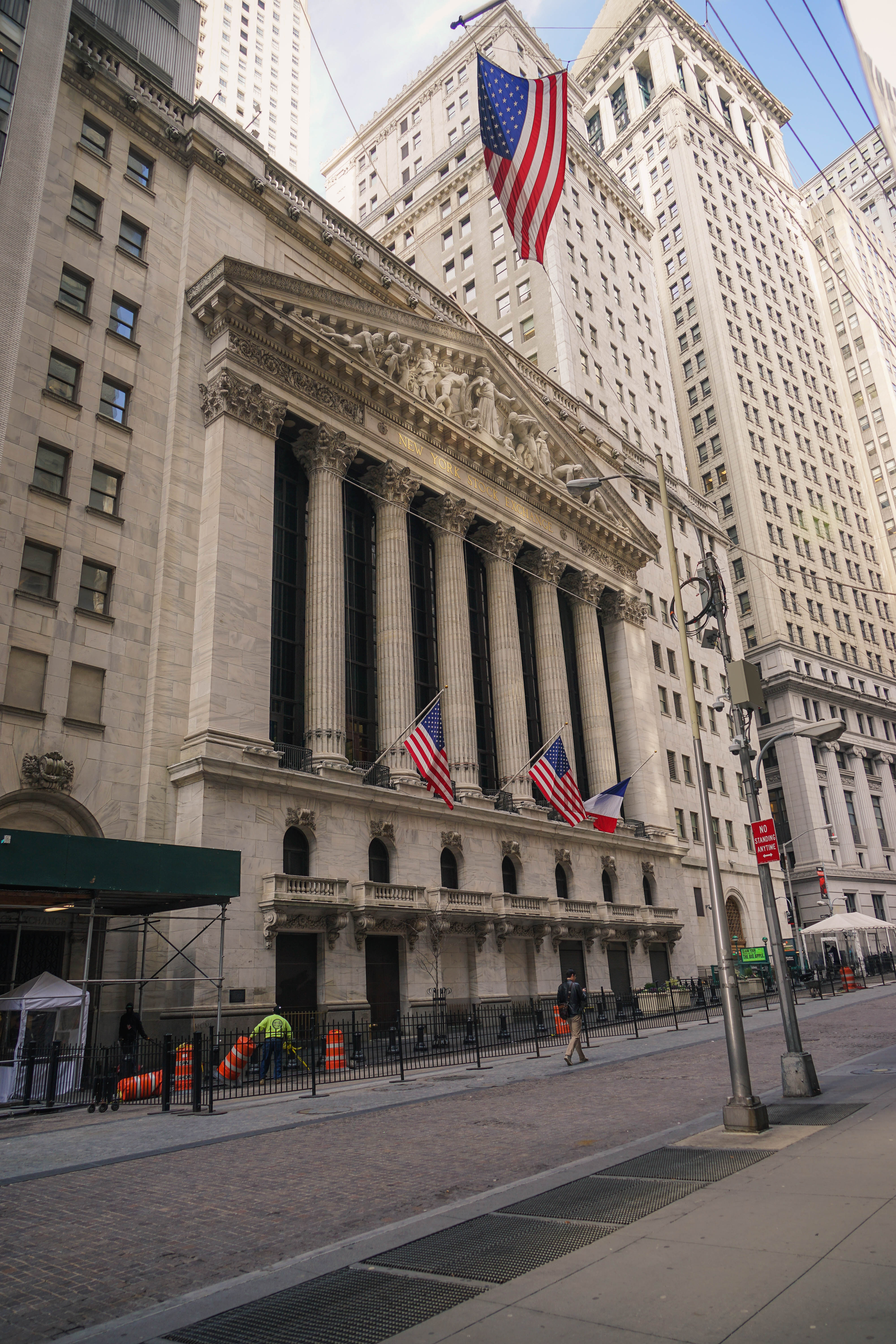
When planning a trip to witness the grandeur of the exchange, one must consider that the building serves as the centerpiece of a neighborhood dense with history. After the closing bell rings at 4:00 p.m., the energy shifts from frantic high-frequency trading to a more reflective, twilight atmosphere. Visitors often find that the best time to photograph the Cassin Gilbert-designed facade—a marvel of Beaux-Arts architecture—is shortly after the market closes, when the crowds of brokers dissipate, allowing the columns and sculptures to stand out in the fading New York light.
Understanding Market Holidays
It is crucial to note that the exchange maintains a schedule influenced by federal holidays, which can significantly alter the tourist experience in the area. On days such as Independence Day, Labor Day, or Thanksgiving, the district takes on a surreal silence. For travelers, these holidays provide a rare opportunity to view the Federal Hall and the nearby Statue of Liberty without the usual rush of commuters, as the financial sector comes to a complete standstill.
Architectural Significance in the Heart of the City
The New York Stock Exchange building is not merely a place of commerce; it is an architectural landmark that rivals the Empire State Building in its symbolic importance to the skyline. Completed in 1903, the structure features a pediment sculpture titled “Integrity Protecting the Works of Man,” which remains one of the most photographed pieces of public art in North America.
The Beaux-Arts Influence
The architectural language of the building reflects the optimism and industrial power of the early 20th century. By visiting the Financial District, tourists can observe how this structure integrates with neighboring monuments like the Trinity Church, creating a dense cluster of historic sites. The imposing Corinthian columns provide a stark, elegant contrast to the modern skyscrapers that have since risen around it, such as the One World Trade Center.
Exploring the Immediate Surroundings
A tour of the area often starts at the New York Stock Exchange and extends toward the Charging Bull statue at Bowling Green. Because the exchange is situated in a district steeped in history, visitors often spend hours walking from the South Street Seaport to the site of the original Dutch colony, New Amsterdam. Understanding the closing times of the financial market allows for better coordination of these visits, ensuring that one can enjoy the sunset from the Brooklyn Bridge just as the trading day concludes.
Cultural Impact and Global Recognition
The status of the New York Stock Exchange as a global icon has cemented New York City as the premier destination for business tourism. It represents the intersection of capital, history, and urban life.
A Magnet for International Visitors
Travelers from across the globe—from London to Tokyo—frequent this landmark to capture a glimpse of the location that dictates global economic trends. Whether visiting for the history of the United States or the intrigue of high finance, the site remains a compulsory stop. Many luxury travelers choose to stay in nearby accommodations, such as the Cipriani Club Residences or the Beekman Hotel, which offer proximity to the exchange and a deep dive into the historical elegance of Lower Manhattan.
Photography and Sightseeing Tips
For those keen on capturing the essence of the building, consider the following:
- The Golden Hour: The light reflecting off the stone facade during the final hour of trading provides perfect conditions for photography.
- Weekend Exploration: While the exchange is closed on weekends, the area is significantly less crowded, allowing for unobstructed views of the architectural details.
- Walking Tours: Many guided tours of New York City incorporate the New York Stock Exchange as part of a broader historical narrative that touches upon George Washington and the founding of the national banking system.
Essential Visitor Information
Planning a trip around the operational hours of such a landmark requires a bit of logistical finesse. While you cannot enter the trading floor without specific credentials, the surrounding area is fully accessible and offers an immersive experience.
Coordinating With Local Attractions
If your goal is to experience the Financial District to its fullest, consider pairing your visit to the New York Stock Exchange with a trip to the National Museum of the American Indian, located just a short walk away. The contrast between the bustling exchange and the serene museum captures the dichotomy of New York.
Staying Informed
Always check the official calendar for market holidays, as these days fundamentally change the atmosphere of the district. On days when the market is open, the energy is palpable, with news crews, brokers, and tourists mingling on the sidewalks. On days when the market is closed, you have the rare opportunity to imagine the district as it was in earlier centuries, before the advent of digital trading, when the physical act of exchanging shares took place on the floor of the New York Stock Exchange.
By understanding the schedule and the historical weight of this iconic location, travelers can transform a simple walk through Wall Street into a profound encounter with the heart of global commerce. Whether you arrive when the bell rings for opening or when it signals the close, the New York Stock Exchange remains a testament to the enduring power and architectural beauty of New York City.
LifeOutOfTheBox is a participant in the Amazon Services LLC Associates Program, an affiliate advertising program designed to provide a means for sites to earn advertising fees by advertising and linking to Amazon.com. Amazon, the Amazon logo, AmazonSupply, and the AmazonSupply logo are trademarks of Amazon.com, Inc. or its affiliates. As an Amazon Associate we earn affiliate commissions from qualifying purchases.