
For the modern business traveler, New York City is more than just a hub of world-class dining and high-end accommodation; it is the beating heart of the global financial system. Whether you are in town for an executive board meeting, networking with industry titans, or simply soaking in the high-octane energy of the Financial District, understanding the rhythm of the New York Stock Exchange is essential for aligning your schedule with the city’s professional pulse.
The Standard Operating Hours of Wall Street
The New York Stock Exchange, famously situated on Wall Street, operates on a strictly defined schedule that dictates the flow of activity throughout Manhattan. For those planning their business travel itinerary, knowing these hours is crucial for scheduling client dinners or optimizing your transit through the city.
The Opening Bell
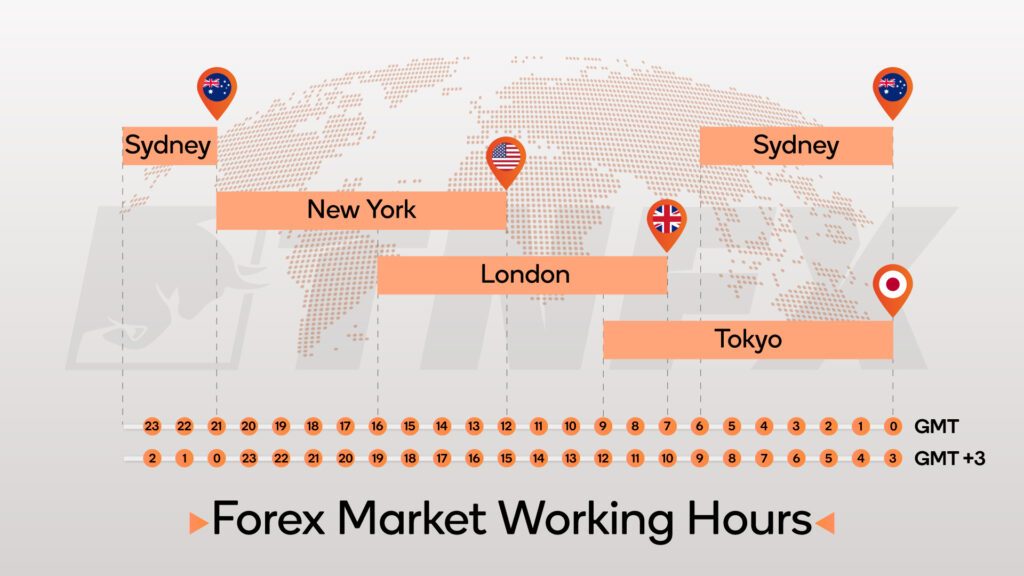
The market officially opens its doors for regular trading at 9:30 AM Eastern Time. This marks the moment when the iconic opening bell rings, signaling the commencement of daily high-stakes transactions. If you find yourself staying at a hotel near the Lower Manhattan area, you will notice a palpable shift in the atmosphere at this hour. The sidewalks become crowded with professionals moving with purpose, and the nearby cafes experience a surge in demand as traders and analysts settle into their workstations.
The Closing Bell
The trading floor remains active throughout the day until the closing bell rings at 4:00 PM Eastern Time. This signifies the end of the regular trading session. For the business traveler, this transition is a significant marker. Many high-level professional social functions, industry mixers, and evening corporate events in New York are timed to begin shortly after the closing bell, as the city transitions from its aggressive daily hustle to a more collaborative networking environment.
Pre-Market and After-Hours Trading Sessions
While the physical activity on the floor follows the 9:30 AM to 4:00 PM schedule, modern financial markets are increasingly fluid. For the global business traveler, it is important to recognize that financial decisions in America are influenced by markets across the globe.
Pre-Market Activity
The pre-market session typically begins as early as 4:00 AM Eastern Time and runs until the market open at 9:30 AM. While this activity is primarily electronic, it sets the tone for the day. If you are traveling for business, you may find that meetings scheduled in the early morning hours are often influenced by the data and sentiment generated during these pre-market sessions.
Extended Hours
The after-hours session extends from 4:00 PM until 8:00 PM Eastern Time. During this time, trading volumes usually diminish, but the implications for ongoing business discussions can be significant. If you are conducting business in North America, keep in mind that news released during these extended hours can drastically change the landscape of your industry before you wake up the next morning.
Navigating the Financial District as a Traveler
Visiting the New York Stock Exchange area offers a unique intersection of history, tourism, and modern commerce. The Financial District is not merely a place of work; it is an architectural marvel that defines the United States economic legacy.
Optimal Time to Visit
If your primary goal is to witness the energy of the market, arriving in the Financial District during the mid-morning, just after the market opens, allows you to observe the intense focus of the city. Alternatively, visiting during the lunch hour provides a glimpse into the local corporate culture, where professionals from global firms gather at nearby eateries to discuss market trends.
Planning Your Commute
Because the market hours are so strictly observed, traffic in Lower Manhattan often spikes leading up to the 9:30 AM open and again following the 4:00 PM close. If you are staying at a luxury hotel in Midtown Manhattan, consider using the subway or professional car services to avoid the heavy congestion that accompanies the bell-ringing rituals.
Cultural Impacts of Market Hours on Local Business
The rhythm of the New York Stock Exchange influences far more than just stock prices; it dictates the pace of life in New York City. The city’s lifestyle is built around this professional cadence.
Dining and Networking
The restaurant scene in Manhattan is heavily reliant on the market schedule. Power lunches, a staple of New York business culture, typically take place between 12:00 PM and 2:00 PM, when traders and executives take a brief respite from the volatility of the floor. If you are hoping to secure a reservation at a high-profile restaurant near Wall Street, it is best to align your dining plans with these peak windows or opt for the post-closing bell dinner rush.
The Weekend Shift
It is important to note that the New York Stock Exchange remains closed on Saturdays, Sundays, and major holidays observed in the United States. During these times, the Financial District undergoes a transformation. The frantic energy of the week fades, making it an excellent time for tourists to explore the area’s historical landmarks, such as Federal Hall or the Charging Bull statue, without the interference of a high-speed corporate commute.
For the savvy traveler, understanding these temporal nuances allows you to move through New York with the same efficiency as a high-frequency trader. By aligning your business meetings and leisure activities with the opening and closing bell, you ensure that your visit is both productive and perfectly synchronized with the pulse of the world’s most dynamic financial center. Whether you are navigating the high-stakes environment of a board meeting or taking in the sights of the city, keeping your watch set to the rhythm of Wall Street is the key to mastering the New York experience.
LifeOutOfTheBox is a participant in the Amazon Services LLC Associates Program, an affiliate advertising program designed to provide a means for sites to earn advertising fees by advertising and linking to Amazon.com. Amazon, the Amazon logo, AmazonSupply, and the AmazonSupply logo are trademarks of Amazon.com, Inc. or its affiliates. As an Amazon Associate we earn affiliate commissions from qualifying purchases.