
Understanding Florida’s Climate: A Traveler’s Guide
Planning a trip to the Sunshine State often involves envisioning endless days of clear skies and warm breezes. However, like any destination, Florida has its distinct seasons, and understanding its climate patterns is key to an optimal travel experience. For many visitors, the central question revolves around the summer “rainy season” – specifically, when it concludes, ushering in the state’s most coveted weather.
The Subtropical Reality
Florida’s climate is predominantly subtropical, characterized by warm, humid summers and mild, drier winters. This geographical positioning, particularly for the southern half of the state, means a significant portion of the year experiences consistent rainfall. These aren’t typically all-day downpours that disrupt entire plans; rather, they are often afternoon thunderstorms that build up with the heat and humidity, offering a dramatic but usually brief interlude to sunny skies. Nonetheless, their frequency and intensity during the summer months can influence outdoor activities and travel logistics.
Defining the Rainy Season
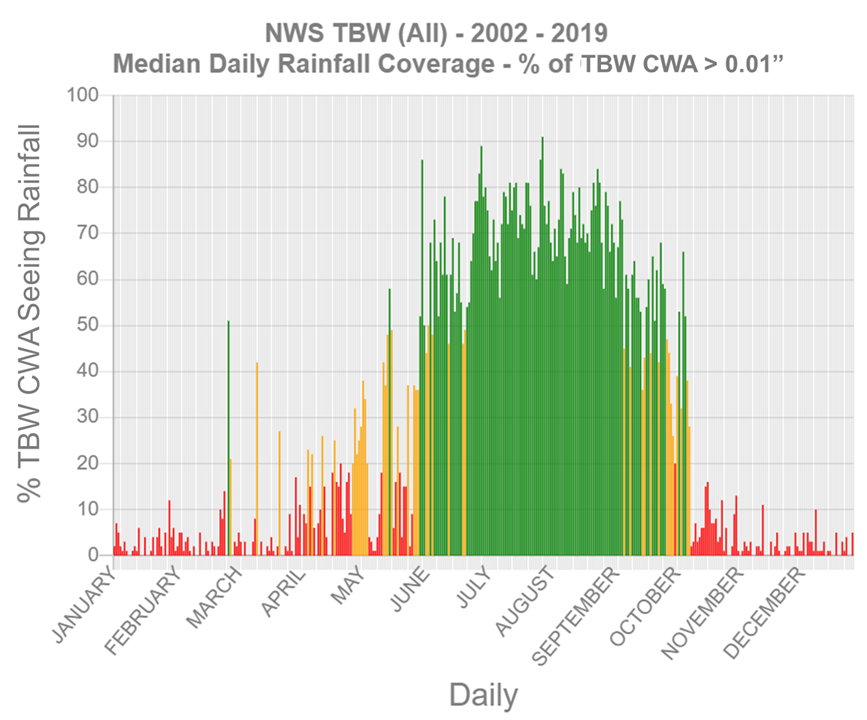
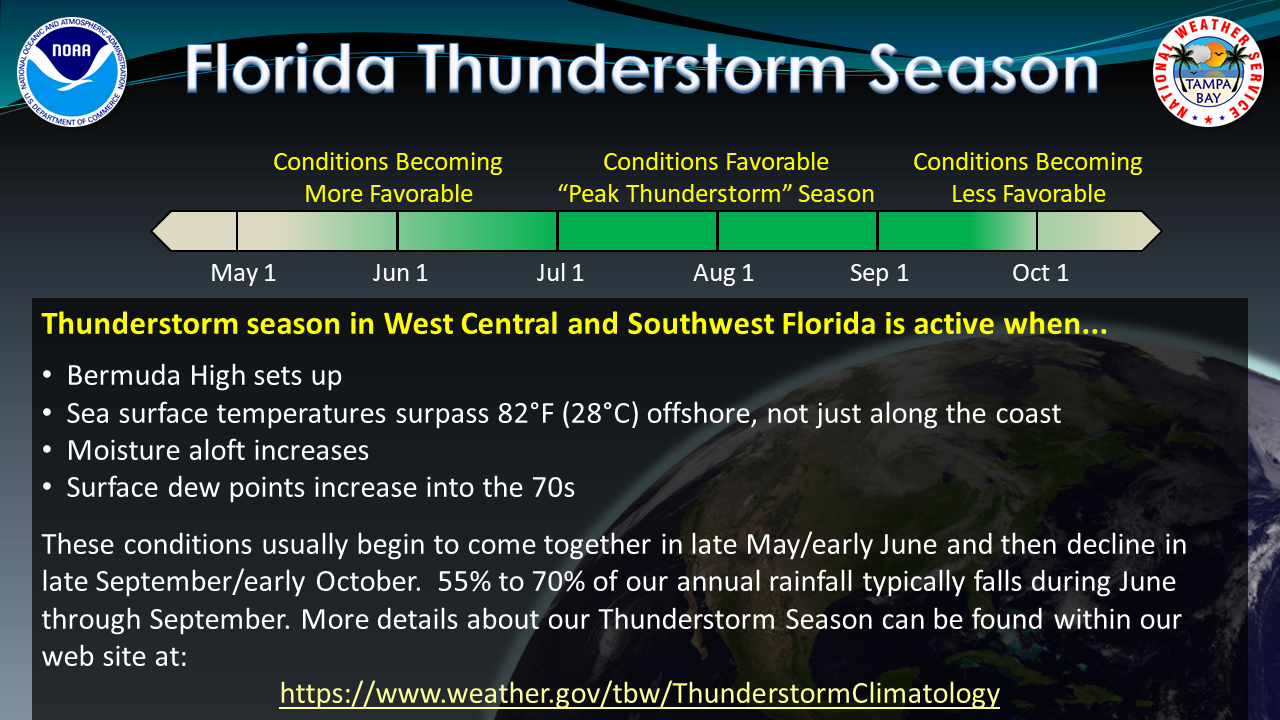
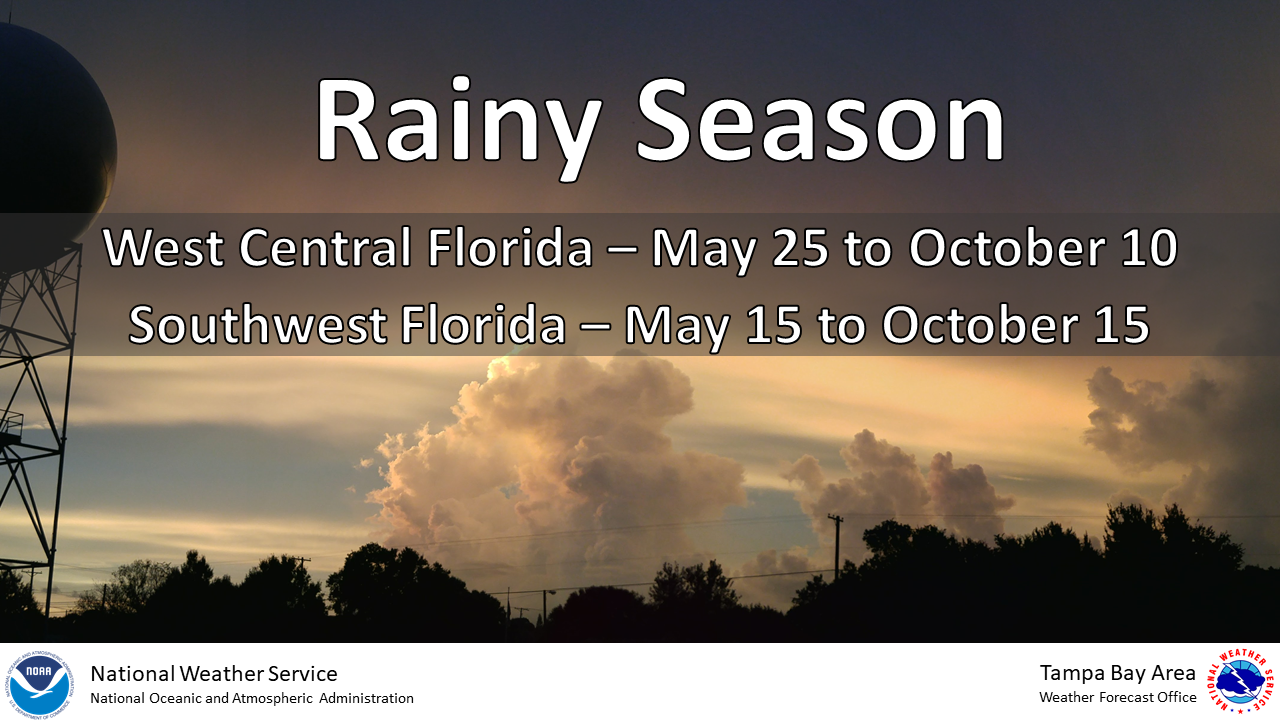
Generally, Florida’s rainy season kicks off in late May or early June and continues through late September or early October. This period is marked by high humidity, soaring temperatures, and daily chances of scattered thunderstorms. These storms are a vital part of the state’s ecosystem, replenishing its abundant freshwater sources and providing a natural cooling effect. For travelers, however, they can mean rethinking outdoor excursions or finding indoor alternatives during the mid-afternoon. Understanding when this pattern begins to recede is crucial for those seeking cooler, drier conditions for their vacation.
Pinpointing the End: Typical Timelines and Regional Variations
While there isn’t a single, precise date etched into the calendar for the end of Florida’s rainy season, meteorologists and long-time residents observe a general transition period. This shift is influenced by a decrease in humidity, the arrival of cooler air masses from the north, and a reduction in the frequency and intensity of tropical moisture.
Statewide Trends: October to November
Across much of Florida, the rainy season typically wanes significantly by the end of October. By early November, the state generally settles into its dry season pattern. This transition is often subtle, with fewer afternoon storms and more consistent clear skies. Daytime temperatures remain pleasantly warm, while evenings become noticeably cooler and less humid. This period, from late October through November, is highly regarded by many as one of the best times to visit Florida, offering a delightful balance of agreeable weather before the peak winter crowds arrive.
South Florida’s Extended Wet Period
The southernmost regions of the state, including Miami, Fort Lauderdale, and the Florida Keys, often experience a slightly extended rainy season compared to their northern counterparts. Due to their more tropical latitude, these areas can see consistent afternoon showers persist well into October, sometimes even lingering into early November. Travelers heading to Key West or planning to explore Dry Tortugas National Park during this time should still pack rain gear and be prepared for localized, albeit brief, downpours. However, even here, the intense humidity begins to diminish, signaling the approaching dry season.
North and Central Florida’s Earlier Shift
Conversely, areas further north, such as Jacksonville and the Panhandle, tend to see the rainy season conclude earlier, often by late September or early October. Central Florida, encompassing popular destinations like Orlando and Tampa, usually experiences its shift in mid-October. The cooler fronts originating from continental North America have a more pronounced and quicker impact on these regions, drying out the atmosphere and bringing about the famed clear, sunny days that Florida is known for during its winter months.
Travel Benefits of the Dry Season: Why Timing Matters
The end of the rainy season marks the beginning of Florida’s peak travel period, and for good reason. The improved weather conditions significantly enhance the visitor experience across all types of activities and destinations.
Ideal Weather for Outdoor Activities
With reduced rainfall and lower humidity, the dry season creates perfect conditions for exploring Florida’s natural beauty. Hiking, biking, and wildlife viewing become far more comfortable. Everglades National Park transforms, with more concentrated wildlife sightings around shrinking water sources. The state’s renowned beaches, such as Clearwater Beach on the Gulf Coast and those lining the Atlantic Coast, become even more inviting, offering uninterrupted sunshine for sunbathing, swimming, and water sports. Golfers flock to the state’s numerous courses, enjoying pleasant temperatures and less risk of rain delays.
Reduced Humidity and Mosquito Activity
One of the most noticeable and welcomed changes for travelers is the significant drop in humidity. The oppressive stickiness of summer gives way to a drier, more refreshing atmosphere. This not only makes outdoor activities more enjoyable but also drastically reduces mosquito populations, which thrive in humid conditions. Travelers can comfortably dine outdoors, stroll through charming historic districts, or enjoy evening entertainment without constant concern for pesky insects.
Planning Theme Park Visits
For families and thrill-seekers heading to Orlando’s world-famous theme parks, the dry season is prime time. Experiencing attractions at Walt Disney World Resort or Universal Orlando Resort is considerably more comfortable when temperatures are moderate and the threat of an afternoon downpour delaying outdoor rides is minimal. Waiting in lines, navigating expansive parks, and enjoying outdoor shows are all enhanced by the pleasant weather from late fall through spring. Similar benefits apply to visiting attractions like Busch Gardens Tampa Bay or the Kennedy Space Center Visitor Complex.
Enjoying Florida’s Coastal Charms
From the historic streets of St. Augustine to the luxurious vibe of Naples and the artistic allure of Sarasota, Florida’s coastal cities truly shine during the dry season. The clear skies and comfortable temperatures are ideal for exploring quaint downtowns, indulging in waterside dining, or simply relaxing by the ocean. The reduced chance of rain means more reliable boat tours, fishing excursions, and sunset cruises, allowing travelers to fully immerse themselves in the coastal lifestyle.
Preparing for Your Post-Rainy Season Florida Trip
While the weather after the rainy season is generally idyllic, a little preparation can ensure a seamless and enjoyable travel experience.
Packing Essentials for Cooler, Drier Weather
Even though Florida is known for warmth, the dry season can bring surprisingly cool evenings, especially in North and Central Florida. Layers are key: light sweaters, cardigans, or a jacket will be appreciated for evenings or air-conditioned indoor spaces. Sun protection, including hats, sunglasses, and reef-safe sunscreen, remains essential, as the sun’s rays are still strong. Comfortable walking shoes are a must for exploring parks, attractions, and cities.
Booking Accommodations and Activities in Advance
The dry season coincides with Florida’s peak tourist season, particularly from mid-December through Easter. This means popular hotels, resorts, and vacation rentals can book up quickly, and prices may be higher. Restaurants, especially those with outdoor seating or desirable views, may also require reservations. Planning and booking accommodations, rental cars, and major attractions well in advance is highly recommended to secure preferred options and potentially better rates. This foresight allows travelers to focus on enjoyment rather than scrambling for last-minute arrangements.
Exploring Diverse Florida Destinations
The cessation of the rainy season opens up the entire state for exploration without the constant consideration of daily rain forecasts. It’s an excellent time to visit less-frequented areas or indulge in extended outdoor itineraries. Consider multi-city trips combining the beaches of the Gulf Coast with the theme parks of Orlando, or the historic charm of St. Augustine with the natural wonders of the Everglades National Park. The consistent pleasant weather makes inter-state travel and diverse experiences much more appealing and manageable.
Embracing Shoulder Season Travel: A Smart Strategy
For those seeking the benefits of dry season weather without the peak season crowds and prices, targeting the shoulder seasons—late October through November and late April through May—is an astute travel strategy.
The Advantages of Late Fall/Early Winter
The period immediately following the end of the rainy season, specifically November, offers some of the best travel value. Temperatures are comfortably warm, humidity is low, and the crowds are generally lighter than during the winter holidays or spring break. This sweet spot allows visitors to enjoy pristine conditions, easier access to attractions, and often more competitive pricing on flights and accommodations before the influx of snowbirds and holiday vacationers. It’s an ideal time for a relaxed yet invigorating Florida getaway, whether you’re aiming for a beach escape or an adventure in the natural parks.
Festivals and Events During the Transition
Florida’s cultural calendar truly comes alive as the dry season begins. Many outdoor festivals, art shows, food and wine events, and holiday celebrations are scheduled during late fall and early winter to take advantage of the superb weather. Checking local event listings for your chosen destination can add an extra layer of enjoyment and unique local experiences to your trip, making the end of the rainy season an even more compelling time to visit the Sunshine State.
LifeOutOfTheBox is a participant in the Amazon Services LLC Associates Program, an affiliate advertising program designed to provide a means for sites to earn advertising fees by advertising and linking to Amazon.com. Amazon, the Amazon logo, AmazonSupply, and the AmazonSupply logo are trademarks of Amazon.com, Inc. or its affiliates. As an Amazon Associate we earn affiliate commissions from qualifying purchases.