

Understanding Colorado’s Ski Season Dynamics
Colorado is renowned globally as a premier destination for winter sports, drawing millions of enthusiasts to its majestic Rocky Mountains each year. While the start of the ski season is often met with eager anticipation in late October or early November, the question of when the season gracefully bows out is equally pertinent for travelers planning their late-winter or spring getaways. Unlike a fixed calendar date, the end of the ski season in Colorado is a dynamic affair, influenced by a confluence of factors ranging from natural snowfall and base depths to resort-specific operational strategies and even economic considerations. Understanding these dynamics is crucial for anyone hoping to carve turns well into the spring.
Early Season vs. Peak Season
The early season, typically from mid-November to mid-December, sees resorts opening with limited terrain as they await significant natural snowfall to complement their snowmaking efforts. Peak season, spanning from Christmas through March, is characterized by optimal snow conditions, full operational capacity, and bustling crowds. As March transitions into April, the ski landscape begins to shift. Days grow longer, the sun becomes more intense, and the freeze-thaw cycle begins to dominate, transforming powdery slopes into a spring skier’s delight known as “corn snow” by midday. This period, often overlooked by those who only envision fresh powder, offers unique advantages, including fewer crowds, warmer temperatures, and often more affordable travel options.
Factors Influencing Season End Dates
Several key elements dictate when a Colorado ski resort will lower its lifts for the final time. The most significant is, of course, the snowpack. Resorts with higher elevations and those known for receiving abundant natural snowfall typically enjoy longer seasons. Resorts like Arapahoe Basin (often referred to as A-Basin) and Loveland Ski Area are legendary for their ability to stay open deep into spring, sometimes even into early summer, thanks to their high base elevations and favorable microclimates.
Another factor is resort infrastructure. Resorts with extensive snowmaking capabilities can maintain a viable base even if natural snowfall dwindles. However, as temperatures rise, the efficiency of snowmaking decreases. Economic considerations also play a role; operating lifts, grooming machines, and staff for dwindling crowds can become financially unsustainable for some resorts, prompting earlier closures. Finally, many resorts align their closing dates with major holidays or school breaks, such as Easter or spring break, to maximize attendance during these popular periods.
Key Ski Resorts and Their Typical Closing Dates
Colorado boasts an impressive array of ski resorts, each with its unique character and, importantly, its typical operational window. While exact closing dates are announced annually and can shift based on conditions, there are general patterns that emerge, allowing travelers to plan accordingly.
Major Resorts with Longer Seasons
For those determined to extend their ski season as long as possible, certain resorts stand out. Arapahoe Basin is consistently the last to close in Colorado, often remaining open until early June or even mid-June in exceptional snow years. Its high-alpine terrain and north-facing slopes preserve snow remarkably well. Loveland Ski Area, also known for its deep snowpack and proximity to the Continental Divide, typically runs through early May. These resorts offer a vibrant spring skiing culture, complete with tailgate parties in the parking lots and sun-drenched runs. Their extended seasons make them ideal for end-of-season pilgrimages.
Resorts with Mid-April Closures
Many of Colorado’s most famous resorts generally target a closing date around the third or fourth week of April. This includes iconic destinations like Vail, Breckenridge, Keystone, and Winter Park Resort. Copper Mountain also often extends into late April. Aspen Snowmass, comprising four distinct mountains (Snowmass, Aspen Mountain, Aspen Highlands, and Buttermilk), typically sees Buttermilk and Aspen Mountain closing earlier in April, while Snowmass and Aspen Highlands push closer to the end of the month. These resorts offer extensive terrain and amenities, making late-season visits a blend of skiing and spring leisure.
Resorts with Early April Closures
A significant number of Colorado resorts conclude their operations by the first or second week of April. This group often includes resorts like Steamboat, Telluride, Eldora Mountain Resort, Sunlight Mountain Resort, and Powderhorn Mountain Resort. While these resorts might not offer the same longevity as A-Basin, their early April closures still provide ample opportunity for fantastic spring skiing, especially during years with robust snowpacks. Travelers aiming for these destinations should plan their trips earlier in the spring to ensure they catch the tail end of the season. Always check the official resort websites for the most up-to-date closing announcements before making travel plans.

Beyond the Slopes: Spring Skiing & Other Activities
The end of the official ski season doesn’t mean the end of outdoor enjoyment in Colorado. In fact, spring in the mountains presents a unique set of experiences, blending the thrill of skiing with the awakening of nature.
The Joys of Spring Skiing
Spring skiing is a distinct experience, often preferred by seasoned locals and those who appreciate the softer, forgiving snow conditions. The famous “corn snow” forms as the surface melts during the day and refreezes overnight, creating perfect, carveable conditions by late morning. Mornings can be firm, so many spring skiers enjoy a leisurely start, hitting the slopes around 10 AM. The attire is lighter, often just a t-shirt or light jacket, making for a more comfortable day on the mountain. Longer daylight hours mean more time to ski, and the vibrant atmosphere at base areas, often featuring live music and outdoor grilling, adds to the festive mood. It’s a time for camaraderie, sunbathing on patios, and celebrating another great winter.
Non-Skiing Attractions in Late Season
Even as some lifts stop spinning, Colorado’s mountain towns remain vibrant. As the snow melts at lower elevations, hiking and mountain biking trails begin to open up, offering a different way to experience the stunning landscapes. Many resorts transition to summer operations with scenic gondola rides, zip lines, and mountain coasters typically starting in late May or early June.
For those looking for cultural experiences, towns like Aspen and Telluride offer art galleries, unique shops, and fine dining that operate year-round. Hot springs, such as those found near Steamboat Springs or Glenwood Springs, provide a perfect way to relax and rejuvenate after a day on the slopes or trails. Late spring is also an excellent time for scenic drives through the Rocky Mountains as roads like Trail Ridge Road in Rocky Mountain National Park begin to open, offering breathtaking views and wildlife viewing opportunities.
Planning Your Late-Season Colorado Ski Trip
Planning a ski trip towards the end of the season requires a slightly different approach than a mid-winter journey, but it comes with distinct rewards.
Advantages of Visiting Towards the End of the Season
Opting for a late-season ski trip in Colorado often translates to significant cost savings. Accommodation prices, lift tickets, and even flights tend to be lower outside the peak holiday periods. Crowds also thin out considerably, leading to shorter lift lines and more open space on the slopes. The milder weather can be a huge bonus, making for more comfortable skiing and a more pleasant overall travel experience. Plus, the transition from winter to spring provides a unique opportunity to witness the mountains transform, with wildflowers beginning to bloom at lower elevations while snow still caps the peaks.
Essential Packing Tips for Spring Skiing
Packing for spring skiing is all about layering and versatility. While you might still need a waterproof shell, heavy insulated jackets are usually overkill. Focus on breathable base layers, a lightweight fleece or softshell, and a good waterproof/breathable outer layer. Sun protection is paramount: high-SPF sunscreen, lip balm with SPF, and sunglasses or goggles with good UV protection are absolute necessities, as the sun’s intensity is amplified at altitude and by reflection off the snow. Don’t forget a hat for sunny patios, and consider lighter gloves. For footwear, waterproof boots are still essential for the snow-melt slush around base areas.
Booking Accommodations and Flights
While prices are generally lower, it’s still wise to book accommodations and flights in advance, especially if your trip coincides with a major event or holiday weekend, even in the late season. Many resorts offer attractive “spring break” or “end of season” packages that can include lodging and lift ticket bundles. For flights, Denver International Airport (DIA) is the main gateway to Colorado’s ski country, offering numerous domestic and international connections. From Denver, you can rent a car, take a shuttle, or utilize various public transport options to reach your chosen resort. Consider destinations that are a bit further from Denver for potentially even lower late-season prices.
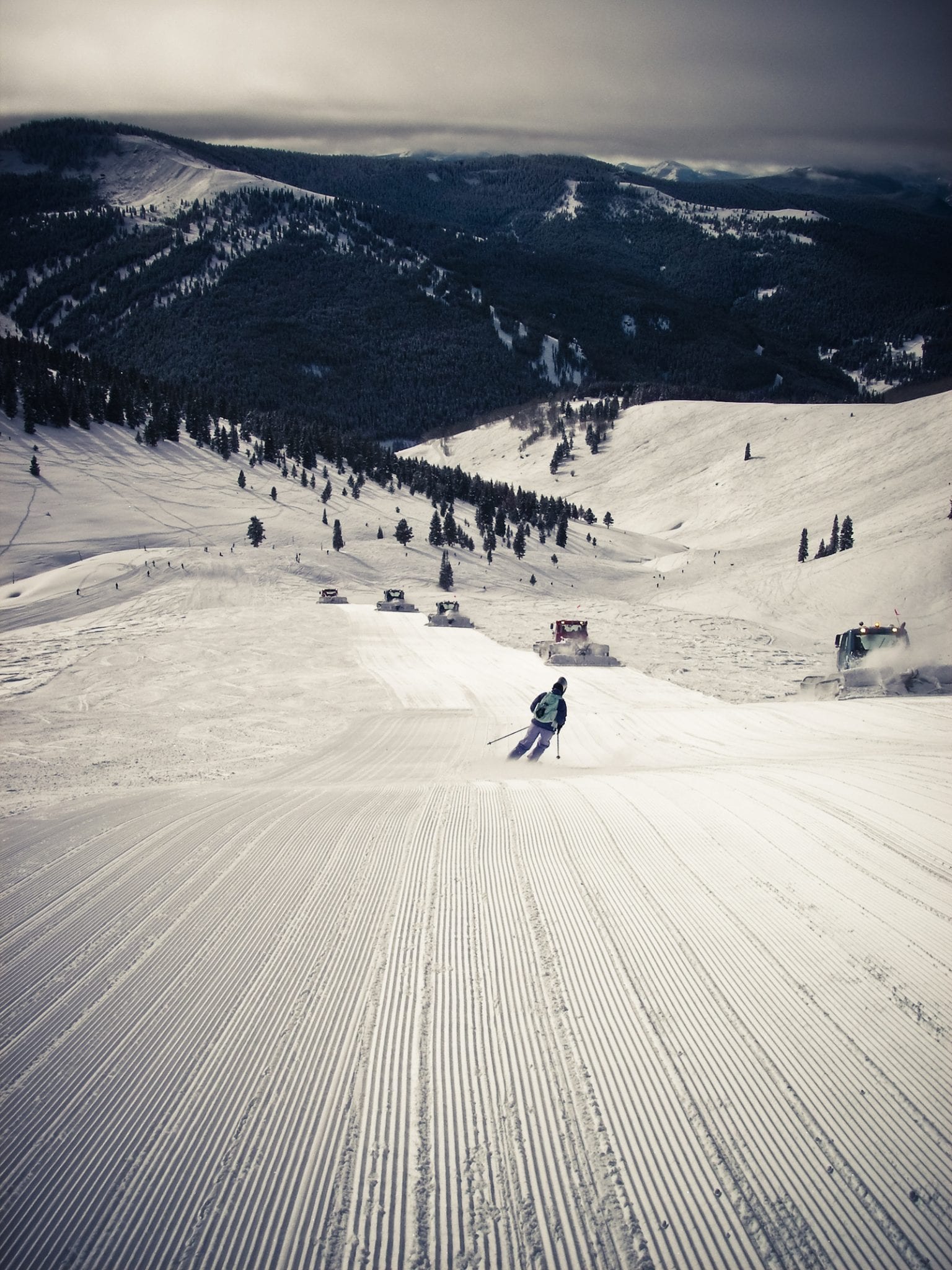
Why Colorado Remains a Premier Ski Destination Year-Round
Even after the last chairlift stops spinning for the season, Colorado’s allure as a travel destination persists. The infrastructure built for winter sports seamlessly transitions to support a vibrant summer tourism industry, offering a continuum of outdoor adventures. From world-class mountain biking in Crested Butte to whitewater rafting on the Arkansas River, the spirit of adventure thrives.
The knowledge of when the ski season ends in Colorado isn’t just about timing a trip to hit the slopes; it’s about understanding the seasonal rhythm of this incredible state. It informs travelers about the optimal periods for spring skiing, the transition into summer activities, and the perpetual beauty of its landscapes. Whether you’re chasing the last turns of corn snow or planning to witness the mountains burst into verdant life, Colorado offers an unforgettable experience, solidifying its status as a year-round destination for travelers seeking both thrill and tranquility.