
Colorado, a state synonymous with majestic peaks, vibrant ski culture, and breathtaking winter landscapes, consistently ranks as a premier destination for those seeking the magic of snow. The question of “When does the snow start in Colorado?” is not merely a meteorological inquiry; it’s the gateway to planning unforgettable travel experiences, securing ideal accommodation, and diving into the rich tapestry of winter tourism. Understanding the seasonal nuances of snowfall across this diverse state is key to unlocking its full winter potential, from thrilling ski adventures to serene snowshoeing trails and cozy fireside retreats.
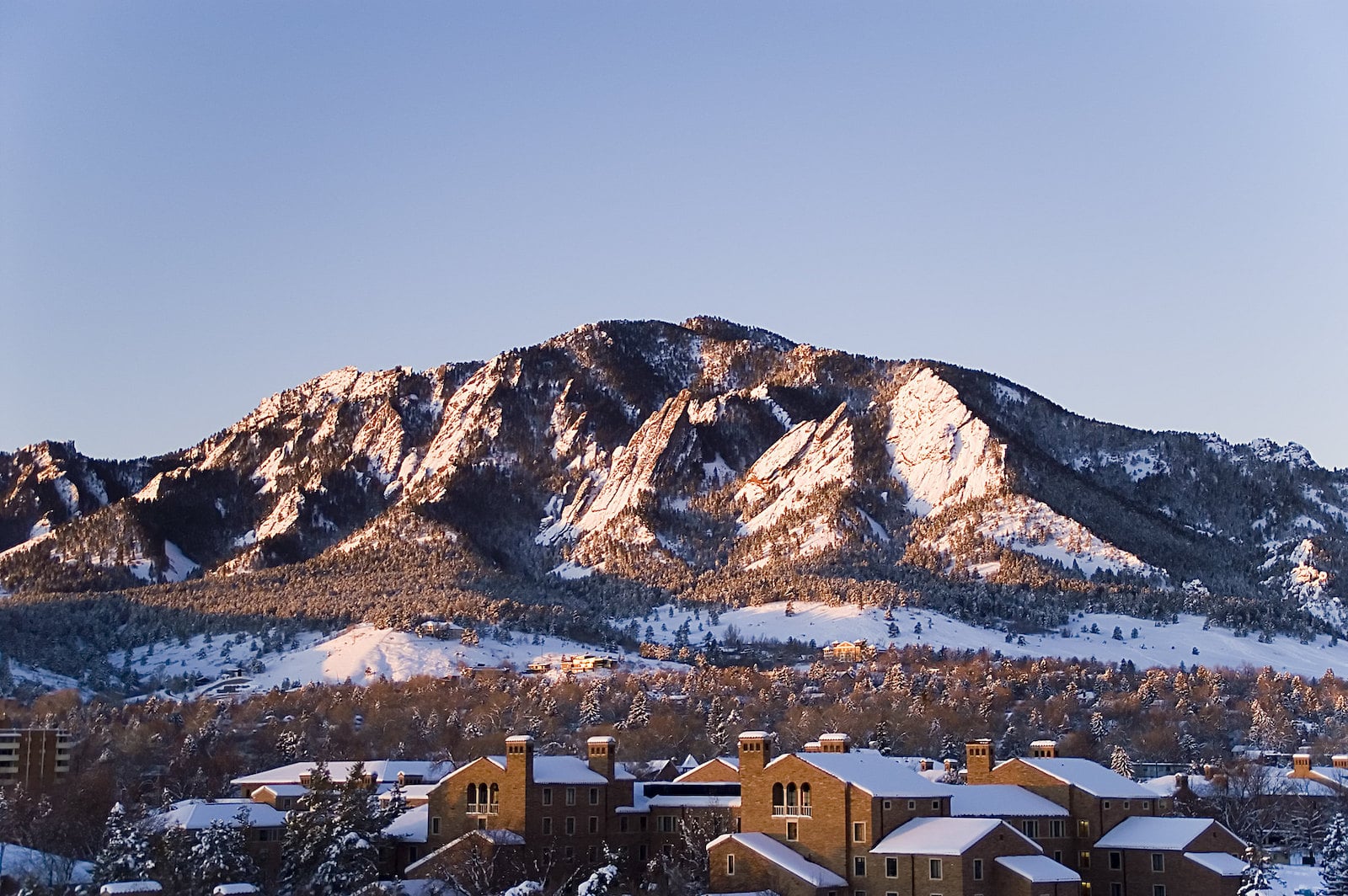
Colorado’s expansive geography, ranging from the vast eastern plains to the towering Rocky Mountains of the west, means that snow doesn’t arrive uniformly. Elevation is the single most significant factor influencing the timing and intensity of snowfall. While the state’s highest peaks might see their first flakes as early as late summer, the bustling cities along the Front Range typically await winter’s embrace until much later. This regional variation creates a dynamic winter calendar, offering diverse opportunities for visitors throughout the cooler months.
Understanding Colorado’s Diverse Climate and Elevation
Colorado’s unique position in the heart of the North American continent, coupled with its dramatic topography, creates a climate renowned for its variability. From arid plains to alpine tundra, the state experiences distinct microclimates, each with its own rhythm of snowfall. This diversity means that “winter” is not a monolithic season but a gradient of experiences, dictated largely by altitude and geographic location.
Early Season Dustings: High Altitudes Lead the Way
For those eager to witness the first signs of winter, the highest elevations of the Rocky Mountains are where the magic begins. As early as September, and with increasing frequency in October, light snowfalls grace the peaks of fourteeners and the upper reaches of mountain ranges. These initial dustings are often fleeting, melting quickly as daytime temperatures linger above freezing, but they serve as a tantalizing prelude to the winter wonderland to come. Ski resorts in areas like Breckenridge, Aspen, and Vail eagerly monitor these early snows, as they signify the imminent start of the ski season.
These early-season events, while not typically enough for skiing, are perfect for scenic drives through areas like Rocky Mountain National Park before road closures, offering stunning photographic opportunities of snow-capped peaks contrasting with vibrant autumn foliage. Hikers venturing to higher elevations during this period should be prepared for rapidly changing conditions, including potential for sudden snowstorms and icy trails. This is also a fantastic time for wildlife viewing, as animals adapt to the approaching cold. The crisp mountain air and the promise of winter create a unique atmosphere, drawing visitors who appreciate the quiet beauty of the shoulder season before the full swing of tourist activity.
Mid-Season Blankets: November’s Embrace
By November, winter truly begins its widespread descent across Colorado. This month marks the unofficial start of the ski season, as most major resorts begin to open their slopes, often relying on a combination of natural snowfall and advanced snowmaking capabilities. The higher mountain towns, such as Telluride, Steamboat Springs, and Durango, experience consistent and accumulating snow, transforming into postcard-perfect winter villages. The Continental Divide becomes a formidable snowy barrier, separating the drier eastern slopes from the snowier western ones.
Along the Front Range, including cities like Denver, Boulder, and Colorado Springs, the first significant snowfalls typically occur in November. While these urban areas receive less snow than the mountains, a November storm can often bring several inches, creating a picturesque setting for holiday preparations and a festive atmosphere. This period is ideal for travelers looking to experience classic Colorado winter scenes, whether it’s hitting the slopes, enjoying a cozy cabin retreat, or exploring charming mountain towns adorned with festive lights. Accommodation options from luxury resorts to quaint bed and breakfasts fill up quickly, making early booking essential for prime dates around Thanksgiving and the beginning of ski season. The lifestyle transitions to one centered around winter sports, warm beverages, and hearty meals.
Late-Season Delights: Persistent Winter into Spring
Colorado’s winter often extends well into spring, offering some of the best snow conditions of the season. March and April are renowned for “spring skiing,” characterized by sunny days, softer snow, and often significant fresh powder dumps. Many resorts, including Arapahoe Basin Ski Area and Loveland Ski Area, remain open well into May, and sometimes even June, providing an extended season for enthusiasts. Areas like Winter Park Resort and Copper Mountain continue to offer excellent conditions, drawing crowds seeking the unique blend of warm weather and fantastic snow.
Even as some lower elevations begin to see signs of spring, the high country maintains its snowy blanket. This period is particularly attractive for those who prefer milder temperatures while still enjoying extensive snow activities. The snowmelt begins in earnest, feeding Colorado’s rivers and setting the stage for vibrant wildflowers and lush green landscapes in the summer. For tourism, this transition period offers a unique blend of winter and spring activities, allowing visitors to ski in the morning and potentially hike or bike in the afternoon at lower altitudes. It’s a time when accommodation might offer better value, and the crowds begin to thin, providing a more relaxed experience. Landmarks like the Maroon Bells remain snow-covered and majestic, offering unparalleled photographic opportunities.
Planning Your Winter Getaway: Travel, Accommodation, and Activities
Experiencing Colorado’s winter magic requires thoughtful planning, especially when it comes to navigating the snowy conditions, selecting the perfect destination, and securing ideal accommodation. With the state’s emphasis on tourism and its myriad attractions, a well-organized trip can unlock a truly unforgettable experience.
Choosing Your Colorado Winter Destination
Colorado offers a diverse array of winter destinations, each catering to different preferences and lifestyles. For avid skiers and snowboarders, renowned resorts like Vail Ski Resort, Aspen Snowmass, and Keystone Resort provide world-class slopes, vibrant village atmospheres, and a plethora of amenities. These destinations often embody luxury travel, with high-end boutiques, gourmet dining, and exclusive experiences. They are well-equipped with comprehensive travel guides and resources for visitors.
If you’re seeking a more laid-back or family-friendly experience, towns like Breckenridge or Steamboat Springs offer a charming blend of historic character, diverse terrain, and a strong community feel. For those interested in winter beauty without the focus on downhill skiing, areas around Rocky Mountain National Park provide spectacular opportunities for snowshoeing, cross-country skiing, and photography. Cities like Denver and Colorado Springs serve as excellent bases for urban explorations, cultural attractions, and day trips to nearby natural landmarks like the Garden of the Gods, which looks stunning under a fresh blanket of snow. Each destination provides unique insights into local culture and offers distinct winter experiences.
Finding the Perfect Winter Accommodation
Accommodation is a cornerstone of any successful winter trip to Colorado, with options ranging from opulent resorts to charming cabins and budget-friendly hotels. For luxury travel, destinations like Aspen and Vail boast an impressive selection of five-star hotels and suites. Consider a stay at the Hotel Jerome in Aspen for historic elegance, or the Grand Hyatt Vail for ski-in/ski-out convenience and lavish amenities. These resorts often come with extensive facilities, including spas, fine dining, and personalized concierge services, catering to a sophisticated lifestyle.
For family trips or those seeking more space, condos and villas are popular choices, offering kitchens and multiple bedrooms, ideal for long-term stays. Many resorts, such as Limelight Hotel Aspen, provide apartment-style options that combine hotel services with residential comforts. Budget travel is also feasible, particularly if booking well in advance or choosing accommodations slightly off the main slopes or in larger cities. Fort Collins or Grand Junction can offer more affordable hotel rates, serving as a gateway to other attractions.
When booking, reviews and comparison sites are invaluable. Look for amenities like ski lockers, hot tubs, and shuttle services to the slopes. Some hotels, like The Broadmoor in Colorado Springs, offer comprehensive resort experiences, including ice skating and holiday events, making them a destination in themselves. Whether you’re planning a business stay that requires connectivity and meeting facilities, or a leisurely family vacation, Colorado’s accommodation landscape is designed to cater to every need.
Embracing Colorado’s Winter Tourism and Lifestyle
Colorado’s winter tourism extends far beyond the ski slopes. The state offers an incredible array of activities that embrace the snowy season and showcase its unique lifestyle. Skiing and snowboarding are undoubtedly king, with a vast network of resorts offering terrain for all skill levels. From the beginner-friendly slopes of Keystone Resort to the challenging bowls of Snowmass, there’s an adventure for everyone.
However, the winter experience encompasses much more. Snowshoeing and cross-country skiing trails abound, particularly in national forests and parks, offering serene ways to explore the snow-covered wilderness. Ice skating rinks pop up in mountain towns and city centers, providing classic winter fun. For a truly unique experience, consider a sleigh ride through a snowy landscape or a dog sledding adventure. Many towns host vibrant winter festivals, complete with ice sculptures, live music, and local food vendors, adding to the local culture and festive atmosphere.
A hallmark of the Colorado lifestyle in winter is the après-ski scene, where visitors gather to recount their day’s adventures over craft beers, warm drinks, and delicious meals. Many mountain towns offer exquisite dining experiences, from rustic mountain fare to upscale cuisine. Don’t forget to explore Colorado’s natural hot springs, like those in Steamboat Springs, which offer a perfect way to relax and rejuvenate after a day in the cold, embodying a unique aspect of wellness tourism. Whether you’re seeking adrenaline-pumping activities or peaceful contemplation amidst nature, Colorado’s winter tourism provides an unparalleled backdrop for creating cherished memories.
Navigating the Snow: Tips for a Seamless Colorado Winter Trip
Traveling in Colorado during the snowy season comes with its own set of considerations. Being well-prepared for winter conditions is crucial for a smooth and enjoyable trip, ensuring both safety and maximum enjoyment of your chosen activities. From packing the right gear to understanding road conditions, a little foresight goes a long way.
Essential Packing and Preparation
Packing correctly is paramount for a comfortable Colorado winter experience. Layers are key, as temperatures can fluctuate dramatically throughout the day and between different elevations. Essential items include:
- Waterproof and insulated outer layers: A good quality jacket and pants are non-negotiable for staying dry and warm, especially if you plan on participating in snow activities.
- Warm base layers: Thermal underwear made of wool or synthetic materials helps wick away moisture and retain heat.
- Mid-layers: Fleece or down jackets provide additional insulation.
- Waterproof boots: Essential for walking in snow and slush; ensure they have good traction.
- Warm hat, gloves/mittens, and scarf: To protect extremities from the cold.
- Goggles or sunglasses: To protect eyes from sun glare off the snow, especially at high altitudes.
- Sunscreen and lip balm: The sun at high elevation can be intense, even in winter.
If you plan to drive, ensure your vehicle is winter-ready. This includes checking tire pressure, fluid levels, and having good tread on your tires (snow tires or all-season with sufficient tread are recommended). Carry an emergency kit with blankets, a shovel, jumper cables, and extra food and water. For specific tips on driving in snow, consult local guides and resources.
Travel Logistics During Snowfall
Navigating Colorado during a snowstorm requires patience and preparedness. Road conditions can change rapidly, and mountain passes are often subject to closures or chain laws. Before heading out, always check road conditions through the Colorado Department of Transportation (CDOT) website or app. Major interstates like I-70 through the mountains can experience significant delays during heavy snow.
- Driving: If you’re renting a car, consider opting for a four-wheel-drive or all-wheel-drive vehicle, especially if you plan to venture into the mountains. Familiarize yourself with how to drive safely on icy or snowy roads.
- Flights: Snowstorms can impact flights into Denver International Airport (DIA). It’s wise to build in some flexibility to your travel plans and monitor flight statuses.
- Public Transportation and Shuttles: Many ski resorts and mountain towns offer excellent public transportation systems and shuttle services from airports like DIA directly to your accommodation. Utilizing these services can alleviate the stress of driving in winter conditions and navigating unfamiliar routes. For example, many services connect Denver with popular destinations like Aspen and Breckenridge. These options are often integrated into comprehensive travel guides.
Enjoying the Local Culture and Cuisine
Colorado’s winter isn’t just about the snow; it’s also about the cozy atmosphere, warm hospitality, and distinctive local culture that flourish during the colder months. After a day of exploring, indulging in the local cuisine is a must. Hearty dishes like bison burgers, green chili, and craft beers from one of Colorado’s many breweries are perfect for warming up. Many restaurants offer seasonal menus featuring locally sourced ingredients.
Beyond food, embrace the unique local events and traditions. Many mountain towns host torchlight parades, fireworks displays, and holiday markets. The friendly and laid-back Colorado lifestyle encourages relaxation and appreciation for nature’s beauty. Consider visiting a local art gallery, catching live music, or simply unwinding by a roaring fireplace with a good book. Learning about the history of mining towns like Telluride or the early ski pioneers adds depth to your travel experience. Engaging with the local community, whether through a guided tour or simply chatting with locals at a coffee shop, enriches your understanding of Colorado’s vibrant winter spirit. From high-end dining in Aspen to casual eateries in Boulder, the culinary scene is as diverse as the landscape, offering something for every palate and budget.
Colorado’s winter is a season of unparalleled beauty and adventure. By understanding when the snow starts and planning accordingly, you can craft an extraordinary journey filled with thrilling activities, luxurious comforts, and genuine cultural experiences, making your trip truly unforgettable.
LifeOutOfTheBox is a participant in the Amazon Services LLC Associates Program, an affiliate advertising program designed to provide a means for sites to earn advertising fees by advertising and linking to Amazon.com. Amazon, the Amazon logo, AmazonSupply, and the AmazonSupply logo are trademarks of Amazon.com, Inc. or its affiliates. As an Amazon Associate we earn affiliate commissions from qualifying purchases.