
Alaska, often dubbed “The Last Frontier,” is a land of extremes, and nowhere is this more apparent than in its dramatic shifts in daylight. For travelers venturing to this magnificent state, understanding when the sun sets – or doesn’t – is fundamental to planning an unforgettable journey. The answer is far from simple, varying wildly by season and geographical location, transforming everything from activity planning to photographic opportunities.
The Land of the Midnight Sun: Understanding Alaska’s Unique Day-Night Cycles
Alaska’s position at high latitudes grants it a unique relationship with the sun, resulting in phenomenon like the “Midnight Sun” during summer and extended periods of darkness in winter. This celestial dance profoundly influences the rhythm of life and travel experiences across the state.
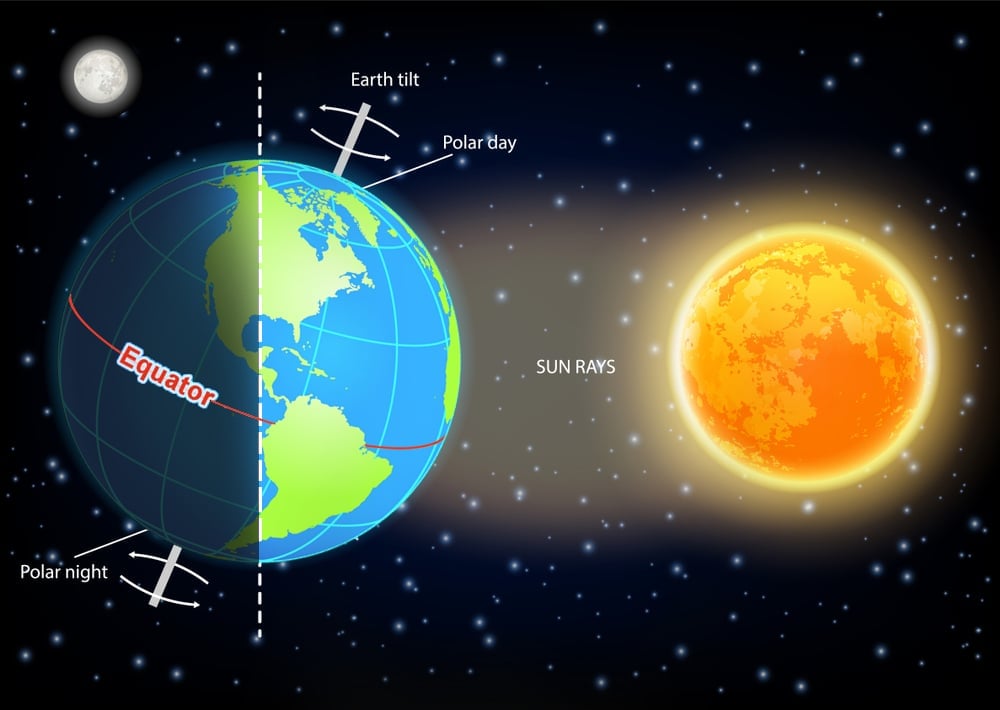
The Science Behind the Extremes
The Earth’s axial tilt of approximately 23.5 degrees relative to its orbit around the sun is the primary driver of Alaska’s extreme daylight variations. As the Earth orbits, the Northern Hemisphere tilts towards the sun during summer, leading to longer days, and away from it during winter, resulting in shorter days. Because Alaska is so far north, this tilt effect is greatly amplified. During the summer months, regions above the Arctic Circle experience 24 hours of daylight, where the sun never truly sets. Conversely, in winter, these same areas endure prolonged periods when the sun never rises above the horizon.
Latitudinal Impact on Daylight Hours
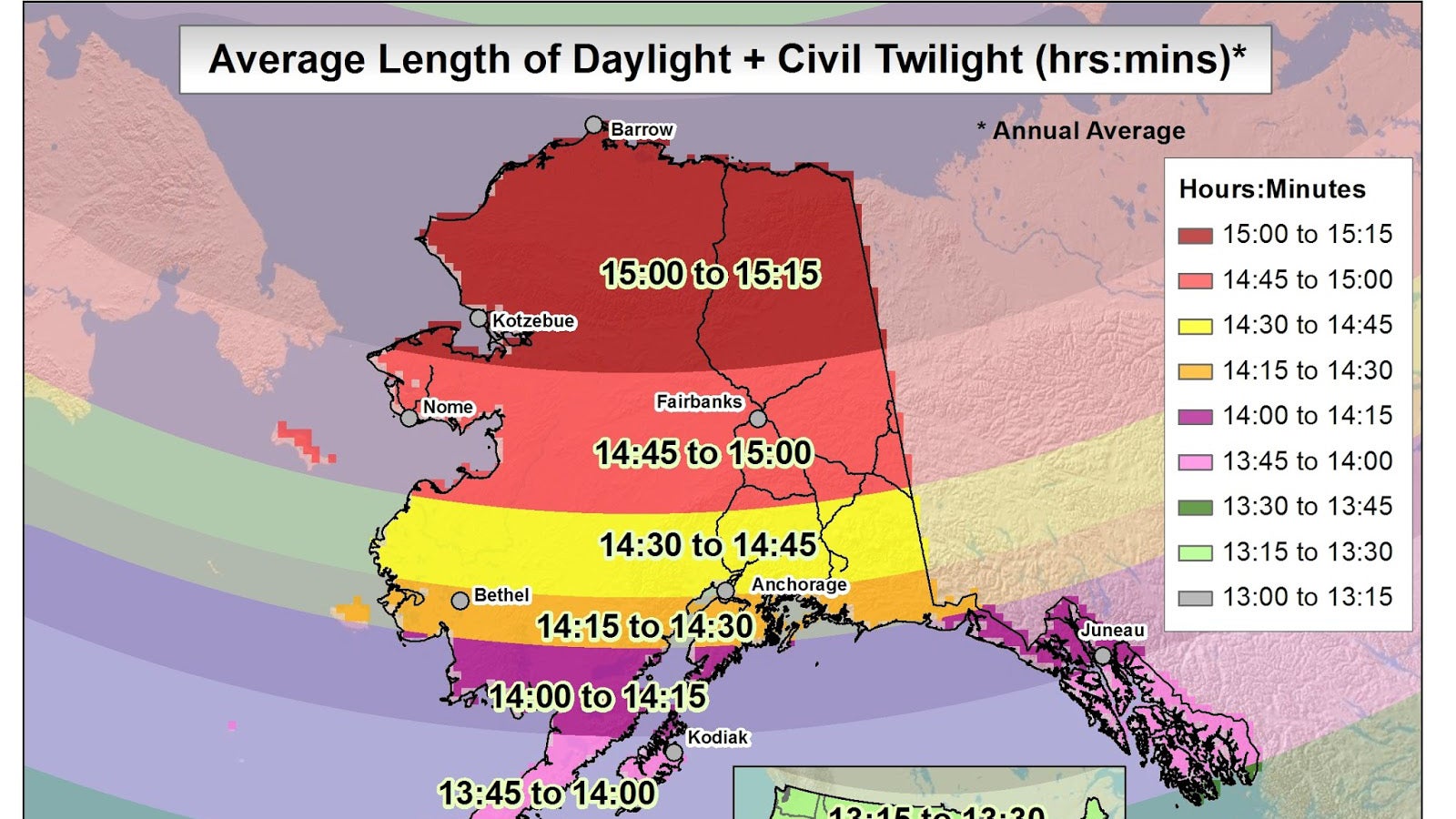
The sheer geographical breadth of Alaska means that daylight hours are not uniform across the state. A city like Juneau in the relatively southern panhandle experiences less extreme variations than Fairbanks in the interior, or especially Utqiaġvik (formerly Barrow), which is the northernmost city in the United States and sits well above the Arctic Circle. The further north one travels in Alaska, the more pronounced these daylight extremes become. This gradient is a critical consideration for travelers, as it dictates the types of activities available and the overall ambiance of their trip.
Seasonal Variations: A Traveler’s Guide to Alaskan Sunlight
The timing of your visit to Alaska will fundamentally shape your experience, largely due to the drastic seasonal shifts in daylight. Each season offers a distinct palette of light and darkness, influencing everything from wildlife viewing to the display of the Aurora Borealis.
Summer Solstice: Endless Days and Midnight Suns
From late May through July, much of Alaska basks in exceptionally long daylight hours. Around the summer solstice (typically June 20 or 21), areas north of the Arctic Circle, such as Utqiaġvik, experience 24 hours of continuous daylight, where the sun literally does not set for weeks or even months. Further south, in cities like Anchorage or Fairbanks, while the sun does dip below the horizon, true darkness is fleeting, often just a few hours of deep twilight. In Anchorage, for instance, sunset can be as late as 11:45 PM in June, with sunrise just a few hours later, creating a perpetual golden hour feel. This extended daylight is perfect for outdoor adventures, allowing for late-night hiking, fishing, or simply enjoying the ethereal glow of the midnight sun.
Winter Solstice: Prolonged Darkness and Aurora Borealis
The winter months, particularly from November to January, present the opposite extreme. Around the winter solstice (typically December 21 or 22), regions above the Arctic Circle experience polar night, where the sun remains below the horizon for weeks or months. Utqiaġvik will not see the sun from mid-November until late January. Even in Fairbanks, a typical winter day might offer only 3-4 hours of very low-angle sunlight, often appearing as a prolonged twilight rather than a bright day. In Anchorage, December sunsets occur as early as 3:45 PM. While this might seem daunting, it creates the ideal conditions for viewing the spectacular Aurora Borealis. The crisp, clear, dark skies are a photographer’s dream and offer a magical, introspective travel experience.
Spring and Autumn: Transitional Twilight
Spring (April-May) and Autumn (September-October) serve as beautiful transitional periods. In spring, daylight rapidly increases, bringing warmth and thawing landscapes. Sunsets begin to push later, offering longer evenings for exploration as snow melts and wildlife emerges. Autumn sees a rapid decrease in daylight, painting the landscape in vibrant fall colors and signaling the return of significant darkness. This is a fantastic time for hiking and photography, with cooler temperatures and a dramatic interplay of light and shadow, often providing opportunities for early-season aurora viewing as the nights lengthen.
Planning Your Alaskan Adventure Around the Sun
Optimizing your Alaska itinerary requires a strategic approach to its unique daylight patterns. Whether you crave endless daylight or the deep darkness of winter, knowing what to expect is key.
Summer Activities: Maximizing Daylight
The extended daylight of summer unlocks a world of outdoor activities. Hiking in Denali National Park or Chugach National Forest can extend well into what would be nighttime elsewhere, allowing for longer treks and incredible wildlife viewing opportunities. Kayaking or fishing trips in places like Kenai Fjords National Park can start early and run late, with the gentle glow of the midnight sun illuminating the waters. White-water rafting, glacier trekking, and wildlife cruises all benefit from the expansive daylight, maximizing your time for exploration and adventure. Travelers can truly pack their days, often feeling energized by the continuous light.
Winter Activities: Embracing the Dark
Winter’s abbreviated daylight hours, far from being a deterrent, open doors to different, equally captivating experiences. This is prime season for chasing the Aurora Borealis, particularly from Fairbanks, renowned as one of the best places on Earth to witness the Northern Lights. Dog mushing tours, ice fishing, skiing, snowboarding, and snowshoeing are popular activities that thrive in the winter wonderland. Many tours are specifically designed to operate during the limited daylight hours, or even at night under the stars, often incorporating cozy cabins or heated yurts for comfort.
Essential Gear for Varying Light Conditions
Regardless of the season, preparedness is crucial. In summer, sleep masks are non-negotiable for blocking out the relentless daylight and ensuring restful sleep. Darkening curtains in accommodations are also highly beneficial. For outdoor activities, sunglasses are essential even on overcast days due to the high reflectivity of glaciers and water. In winter, headlamps or flashlights are vital for navigating in low light or darkness, especially when walking around towns or hiking on trails. Layered clothing is a year-round necessity, as temperatures can fluctuate dramatically even within a single day.
Regional Differences Across The Last Frontier
The sun’s schedule varies significantly across Alaska’s vast expanse. Understanding these regional nuances is crucial for tailoring your travel expectations and plans.
Anchorage and Southcentral Alaska
Anchorage, as Alaska’s largest city, serves as a popular hub for travelers. In summer (June-July), sunset is typically between 10:45 PM and 11:45 PM, with sunrise just a few hours later, around 4:00 AM to 5:00 AM. This provides nearly 19 hours of effective daylight. In winter (December-January), sunset occurs much earlier, between 3:40 PM and 4:30 PM, with sunrise around 9:45 AM to 10:00 AM, resulting in only about 5-6 hours of daylight. This region offers a good balance of extreme but manageable daylight shifts.
Fairbanks and Interior Alaska
Fairbanks, located further north in the interior, experiences more pronounced extremes. During the summer solstice, Fairbanks sees the sun set as late as 12:45 AM, only to rise again by 3:00 AM. While the sun technically dips below the horizon, the sky never truly darkens, maintaining a bright twilight glow. In the heart of winter, around the winter solstice, the sun rises around 10:00 AM and sets by 2:40 PM, offering a mere 3-4 hours of very low-angle daylight. This dramatic shift makes Fairbanks an exceptional location for aurora viewing due to the extended darkness.
Barrow (Utqiaġvik) and the Arctic North
Utqiaġvik is the quintessential example of Alaska’s extreme daylight. From approximately May 10th to August 2nd, the sun never sets, providing over 80 days of continuous daylight – the famous Midnight Sun. Conversely, from around November 18th to January 22nd, the sun never rises above the horizon, plunging the city into over 60 days of polar night. This region offers a truly unique, immersive experience into the extremes of Arctic light. Travel to Utqiaġvik is an adventure in itself, often for those seeking to understand life at the very top of the world.
Juneau and Southeast Alaska
Juneau, being the southernmost capital city and part of the panhandle, has the most moderate daylight variations in Alaska. In summer (June-July), sunset is around 10:00 PM to 10:30 PM, with sunrise by 4:00 AM to 4:30 AM, providing ample daylight without the full midnight sun experience. In winter (December-January), sunset is around 3:30 PM to 4:00 PM, and sunrise around 8:30 AM to 9:00 AM, offering more daylight hours than cities further north. This region still feels distinctly Alaskan but with a less extreme swing in daylight.
Practical Tips for Thriving Under Alaska’s Sun and Stars
Navigating Alaska’s unique solar rhythms requires a few practical considerations to ensure a comfortable and rewarding travel experience.
Adjusting Your Internal Clock
The extreme daylight or darkness can disorient your internal body clock. In summer, melatonin can be helpful for inducing sleep, and establishing a strict bedtime routine, despite the bright conditions, is essential. In winter, maximizing exposure to the limited daylight, even if it’s just twilight, can help regulate your mood and energy levels. Consider portable light therapy lamps for extended stays during the dark months. Embracing the novelty of the light conditions rather than fighting them can greatly enhance your enjoyment.
Photographing Alaska’s Light
Alaska is a photographer’s paradise, but its unique light requires special techniques. In summer, the “golden hour” can last for hours around sunrise and sunset, offering incredibly soft, warm light perfect for landscapes. However, mid-day can be very harsh. In winter, the low-angle sun creates dramatic shadows and warm tones even at midday. For the Aurora Borealis, a sturdy tripod, a wide-angle lens, and a camera capable of high ISO settings are indispensable. Learning basic long-exposure techniques will yield stunning results of the Northern Lights dancing across the dark sky.

Embracing the Natural Rhythms
Ultimately, the best approach to Alaska’s varied sunrises and sunsets is to embrace them as an integral part of the experience. Whether you’re staying up late to witness a sunset that never truly fades, or waking early to catch the first glimpse of a winter aurora, the shifting light is a constant, mesmerizing companion. It allows for unique travel narratives, shaping activities, mood, and memories that are truly distinct to this extraordinary corner of the world. Plan wisely, but also allow yourself to be swept away by the sun’s unforgettable performance in Alaska.
LifeOutOfTheBox is a participant in the Amazon Services LLC Associates Program, an affiliate advertising program designed to provide a means for sites to earn advertising fees by advertising and linking to Amazon.com. Amazon, the Amazon logo, AmazonSupply, and the AmazonSupply logo are trademarks of Amazon.com, Inc. or its affiliates. As an Amazon Associate we earn affiliate commissions from qualifying purchases.