
Planning a trip to the Sunshine State involves myriad considerations, from securing the perfect beachfront accommodation to mapping out thrilling adventures at world-renowned theme parks. However, one often-overlooked detail that can subtly yet significantly impact your travel experience is the biannual ritual of Daylight Saving Time (DST). While many states across the United States observe this time shift without much fanfare, Florida has a particularly intriguing relationship with DST, marked by legislative efforts to make it a permanent fixture. For visitors and residents alike, understanding when and how the time changes in Florida is crucial for seamless planning, punctual arrivals, and making the most of every sun-drenched moment.
From the vibrant nightlife of Miami and the magical realms of Orlando to the serene shores of Key West and the historic charm of St. Augustine, Florida’s diverse attractions promise unforgettable experiences. But imagine arriving for your dolphin-watching tour in Destin an hour late, or missing your prime dinner reservation in Fort Lauderdale because your internal clock is out of sync. These minor disruptions, while easily avoidable, underscore the importance of being informed about the time change. This comprehensive guide will delve into the specifics of Daylight Saving Time in Florida, explore its historical context and modern challenges, and provide invaluable tips for travelers to ensure their journey through the Sunshine State is as relaxing and punctual as possible. Whether you’re a first-time visitor or a seasoned Floridian, mastering the nuances of the clock can enhance your enjoyment of everything this captivating state has to offer.
Understanding Daylight Saving Time in Florida
The question of “When does the time change in Florida?” is more nuanced than it might seem, primarily due to the state’s unique legislative endeavors to abolish the biannual clock adjustment. For now, however, Florida largely adheres to the national schedule for Daylight Saving Time.
The Basics of DST in the United States
Historically, Daylight Saving Time was introduced in the United States during World War I to conserve energy. While its energy-saving benefits are still debated, it has become a staple of American life. The standard practice dictates that most of the United States “spring forward” by one hour on the second Sunday in March and “fall back” by one hour on the first Sunday in November. This means that during the spring, clocks are advanced, giving an extra hour of daylight in the evening, while in the fall, they are set back, returning to standard time and resulting in earlier sunrises and sunsets.
It’s important to note that not all U.S. states observe Daylight Saving Time. Arizona (with the exception of the Navajo Nation) and Hawaii famously opt out, maintaining a consistent time year-round. For the majority of American travelers, these dates are etched into their calendars, but for those venturing to Florida, there’s an added layer of complexity.
Florida’s Unique Stance: Sunshine Protection Act
Florida’s relationship with Daylight Saving Time is distinct. In 2018, the state legislature passed the Sunshine Protection Act. This landmark bill proposed that Florida would observe Daylight Saving Time permanently, meaning it would no longer “fall back” to standard time in November. The rationale behind this move was to provide more daylight hours for outdoor activities, boost tourism, and potentially improve public safety by reducing the number of accidents during darker evening commutes. Imagine the economic boost for beach towns like Clearwater or St. Pete Beach, where visitors could enjoy an extra hour of evening sun for swimming, dining, and strolls along the pier.
While the Sunshine Protection Act was signed into law by then-Governor Rick Scott, it requires federal approval from the United States Congress to take effect. As of today, that federal approval has not been granted. This means that despite the state’s wishes, Florida continues to observe the biannual time change. Therefore, for planning purposes, travelers should anticipate that clocks in Florida will still spring forward in March and fall back in November, just like most other states.
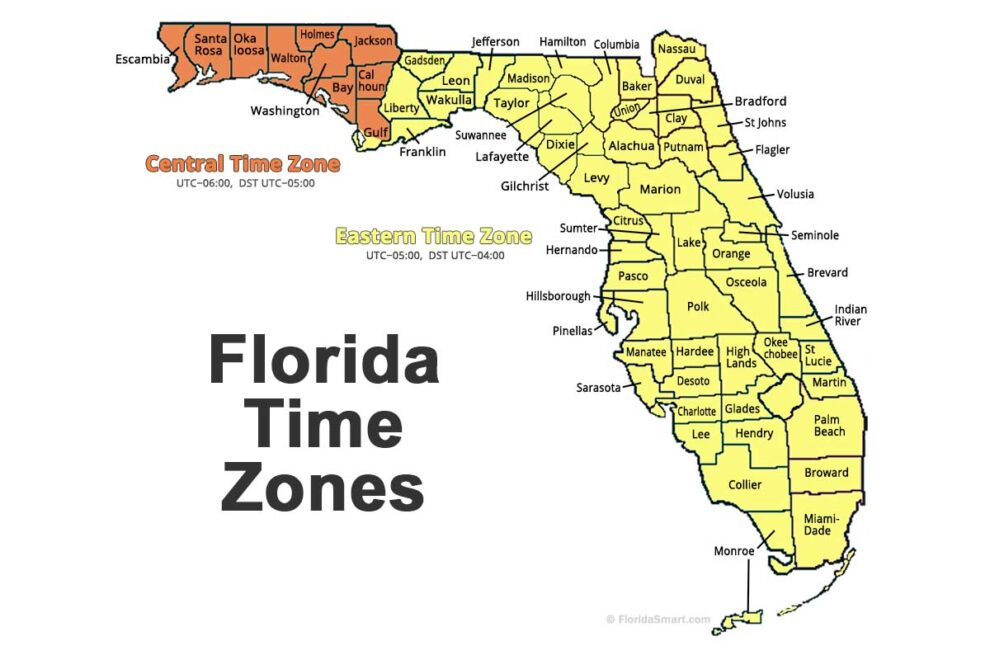
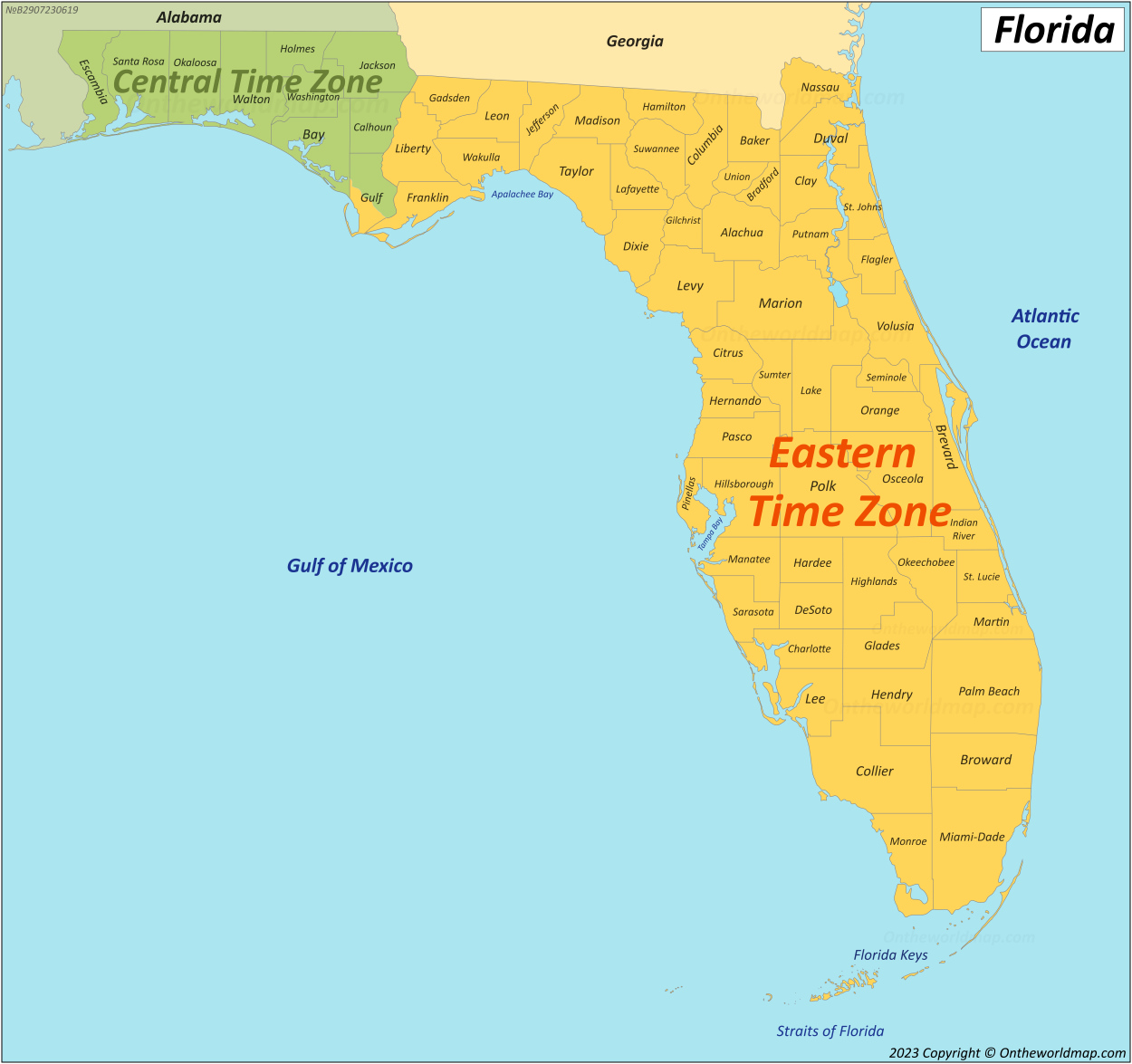
Adding another layer of complexity, Florida spans two time zones: the Eastern Time Zone and the Central Time Zone. The vast majority of the state, including major tourist hubs like Orlando, Miami, Tampa, and Jacksonville, operates on Eastern Time. However, a segment of the western Florida Panhandle, specifically west of the Apalachicola River, including cities like Pensacola, Panama City, and Destin, observes Central Time. This means there’s an hour difference between these two parts of the state at all times, which becomes even more critical to remember when planning travel across the region, especially during the DST transitions. A quick drive from Tallahassee (Eastern Time) to Pensacola (Central Time) requires adjusting your clock, regardless of Daylight Saving Time.
Practical Implications for Your Florida Travel
The biannual time change, along with Florida’s dual time zones, presents practical considerations for anyone planning a trip to the Sunshine State. From managing flight schedules to maximizing your leisure time, understanding these shifts is key to a stress-free and enjoyable visit.
Navigating Schedules: Flights, Tours, and Attractions
One of the most immediate impacts of Daylight Saving Time is on transportation and scheduled activities. When clocks “spring forward” in March, you lose an hour. If you have an early morning flight departing Orlando International Airport or Miami International Airport on that specific Sunday, missing the time change could mean missing your flight. Similarly, if you’re planning to embark on a guided tour of the Everglades National Park or visit the Kennedy Space Center Visitor Complex, being an hour off can throw your entire itinerary into disarray.

Conversely, when clocks “fall back” in November, you gain an hour. While this might seem less problematic, it can lead to confusion. Your 9 AM reservation for a character breakfast at Walt Disney World Resort or your diving expedition off the coast of Key Largo might feel an hour later than anticipated, potentially cutting into other plans or causing you to arrive too early. Theme parks like Universal Orlando Resort and Busch Gardens Tampa Bay typically adjust their opening and closing times accordingly, but it’s always wise to double-check their official schedules close to the time change dates.
For those traveling within Florida, especially crossing between the Eastern Time Zone and the Central Time Zone in the Panhandle, precision is even more critical. A planned afternoon excursion from Panama City (Central Time) to a museum in Tallahassee (Eastern Time) means losing an hour, while the return trip gains it back. This could affect everything from booking a scenic hotel suite in Sarasota to coordinating a rental car return in Fort Myers. Always confirm local times for all your bookings and activities.
Enjoying Florida’s Lifestyle: Dining, Activities, and Sleep
Beyond strict schedules, the time change influences the overall lifestyle and rhythm of your Florida vacation. In spring and summer, when Daylight Saving Time is in effect, the extended daylight hours are a significant boon for tourism. Visitors can enjoy longer evenings at South Beach, linger over sunset dinners in Naples, or squeeze in an extra round of golf in Ocala. This extra hour of sunlight perfectly complements Florida’s outdoor-centric appeal, allowing for more time to explore landmarks like the Art Deco Historic District or relax at a luxurious resort in Palm Beach. Many hotels and resorts in destinations like Key West and St. Petersburg even schedule their evening activities and entertainment to capitalize on these longer days.
Conversely, when clocks “fall back” in November, evenings arrive earlier. While this might mean less daylight for post-dinner strolls, it ushers in a cozier ambiance, perfect for enjoying Florida’s vibrant culinary scene or catching an earlier show. For families, the time change can impact sleep schedules, especially for young children. Adjusting to a new time zone is already a challenge, and adding a DST shift can exacerbate it. Parents often find it helpful to gradually adjust bedtime routines in the days leading up to the change. Accommodation options ranging from family-friendly villas in Kissimmee to expansive resorts in Hollywood are well-equipped to handle guests’ needs, but personal preparedness is key.
Business travelers, too, must be particularly mindful. Meetings scheduled across state lines or with colleagues in other time zones require careful confirmation. A 9 AM meeting in Gainesville (Eastern Time) could easily be confused if a colleague is traveling from Pensacola (Central Time) and isn’t aware of both the time zone difference and the DST shift. The fast-paced environment of business stays in cities like Tampa or Doral leaves little room for time-related errors.
Tips for Travelers: Adjusting to the Time Change
Successfully navigating the time change in Florida doesn’t have to be a source of stress. With a few proactive steps and smart planning, you can ensure your travel experience remains smooth and enjoyable, whether you’re embarking on a luxurious getaway or a budget-friendly family trip.
Before You Go: Planning Your Itinerary
- Confirm DST Dates: Always verify the exact “spring forward” (second Sunday in March) and “fall back” (first Sunday in November) dates for Daylight Saving Time in the United States. Remember, Florida currently observes these changes.
- Check Time Zones: If your itinerary involves traveling to the Florida Panhandle (west of the Apalachicola River), be acutely aware that these areas operate on Central Time Zone, which is one hour behind the rest of the state (Eastern Time Zone). This is a permanent difference, independent of DST shifts.
- Verify All Bookings: Double-check all flight times, hotel check-in/check-out times, rental car pick-up/drop-off times, tour departures, and restaurant reservations. Confirming directly with your accommodations and activity providers is the safest approach. For example, a reservation at a resort in Amelia Island or a private villa in Pompano Beach should be reconfirmed around the time change.
- Adjust Gradually: If you’re particularly sensitive to time changes, consider gradually adjusting your sleep schedule by 15-30 minutes each day leading up to your trip, or the DST change itself. This can minimize jet lag or the feeling of losing/gaining an hour. This is especially helpful for family trips where children’s routines are vital.
- Download Time Zone Apps: Many smartphone apps can help you track multiple time zones, providing a quick reference when you’re on the go, especially useful when visiting diverse destinations like St. Petersburg and Pensacola on the same trip.
During Your Stay: Maximizing Your Florida Experience
- Trust Your Devices: Modern smartphones, smartwatches, and laptops automatically update to the correct local time and adjust for Daylight Saving Time. Ensure your devices are set to automatic time updates and are connected to cellular or Wi-Fi networks to receive these adjustments.
- Reconfirm On-site: Upon arrival at your hotel or resort, such as the Grand Hyatt Tampa Bay or a boutique hotel in South Beach, ask the concierge about any local nuances regarding the time or specific operating hours for amenities that might be affected. Many hotels are well-versed in assisting guests with time-related queries.
- Leverage Extended Daylight (or Earlier Evenings): If traveling during DST (March to November), embrace the longer evenings. Plan sunset cruises from Sarasota, late-afternoon beach visits to Sanibel Island, or explore attractions like the Ringling Museum or Salvador Dalí Museum without rushing back before dark. If visiting during standard time (November to March), you might enjoy earlier sunrises for morning jogs on Daytona Beach or tranquil moments before the crowds at Castillo de San Marcos.
- Stay Hydrated and Rested: The disorientation from a time change, even just an hour, can sometimes be compounded by travel fatigue and Florida’s heat. Prioritize rest and hydration, especially when you first arrive or when the time changes, to fully enjoy your Florida experiences.
- Be Mindful of Local Culture and Events: Local festivals, parades, or farmer’s markets in cities like Melbourne or Lakeland might have schedules that feel different around the time change. Always check local listings.
The Future of Time in the Sunshine State
The ongoing debate about Daylight Saving Time in Florida reflects a broader national conversation. The Sunshine Protection Act, though awaiting federal approval, underscores a popular sentiment within the state to adopt year-round DST. Proponents argue that permanent Daylight Saving Time would not only eliminate the disruptive biannual clock changes but also align perfectly with Florida’s identity as a premier tourism destination. An extra hour of evening daylight year-round could mean more time for visitors to enjoy beaches like Clearwater Beach, Fort Myers Beach, or Siesta Key Beach, dine outdoors, and participate in recreational activities well into the evening, potentially boosting the economy of cities from West Palm Beach to Gainesville.
However, until federal action is taken, Florida will continue to operate under the current DST schedule. This means travelers should continue to anticipate the “spring forward” in March and “fall back” in November. While the desire for year-round sunshine-rich evenings is strong, the practical reality for now is that the clocks will still change. Keeping an eye on federal legislative developments could provide insight into potential future shifts, but for the immediate future, preparedness for the time changes remains paramount for any visitor to the Sunshine State.
In conclusion, while the allure of Florida’s destinations like Miami, Orlando, and Tampa is undeniable, a keen awareness of when the time changes, and the existence of its dual time zones, is a valuable piece of knowledge for any traveler. By understanding the rhythms of the clock, planning meticulously, and leveraging the tips provided, you can ensure that your Florida adventure is not only unforgettable but also perfectly on schedule. So pack your bags, set your watches, and prepare to immerse yourself in the vibrant culture, stunning landscapes, and endless attractions that make Florida a dream destination year-round, regardless of what the clock says.
LifeOutOfTheBox is a participant in the Amazon Services LLC Associates Program, an affiliate advertising program designed to provide a means for sites to earn advertising fees by advertising and linking to Amazon.com. Amazon, the Amazon logo, AmazonSupply, and the AmazonSupply logo are trademarks of Amazon.com, Inc. or its affiliates. As an Amazon Associate we earn affiliate commissions from qualifying purchases.