
For anyone planning a visit or considering a move to the Lone Star State, understanding the rhythm of time is just as crucial as knowing the best Texas BBQ joints or historical landmarks. Texas, like most of the United States, observes Daylight Saving Time (DST), a biennial ritual that sees the clocks shift forward in the spring and back in the fall. This seemingly simple adjustment has far-reaching implications, not just for daily routines but especially for those immersed in travel, tourism, and the intricate world of accommodation and lifestyle choices. Whether you’re a seasoned traveler or a first-time visitor, grasping the nuances of time changes in Texas can significantly enhance your experience, ensuring seamless transitions, optimized itineraries, and a deeper appreciation for the state’s vibrant offerings. From coordinating flights and hotel bookings to timing your visits to iconic attractions and enjoying local culture, the clock’s twice-yearly dance is an essential piece of the Texas puzzle.
Understanding Daylight Saving Time in Texas
The concept of Daylight Saving Time can sometimes feel like a relic, yet its observance continues across much of the globe, including the vast expanse of Texas. For residents and visitors alike, this means adjusting to a schedule that aims to make better use of natural daylight during certain months of the year.
The Annual Shift: Spring Forward, Fall Back
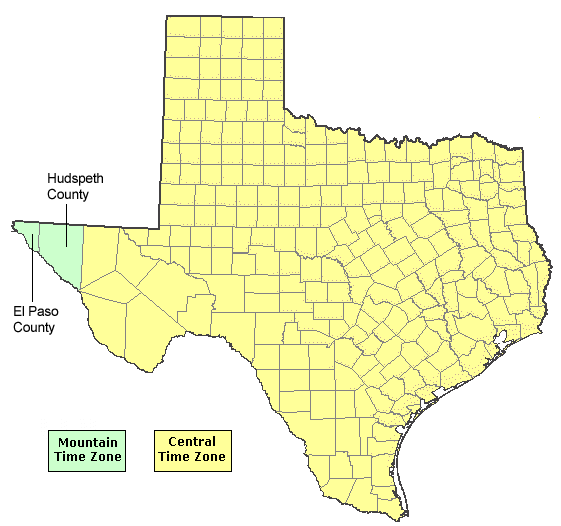
The mechanism of Daylight Saving Time is straightforward: clocks “spring forward” by one hour in mid-March, and “fall back” by one hour in early November. Specifically, in Texas, as in the rest of the contiguous United States (with a few exceptions like Arizona and Hawaii), the change occurs on the second Sunday in March at 2:00 AM local time, when clocks advance to 3:00 AM. This marks the beginning of DST, granting an extra hour of daylight in the evenings but costing an hour of sleep. The “fall back” occurs on the first Sunday in November at 2:00 AM local time, when clocks revert to 1:00 AM. This signals the end of DST, restoring the hour of sleep and bringing earlier sunsets.
For travelers, these specific dates are paramount. A flight scheduled for 3:00 AM on the second Sunday in March might suddenly mean you need to be at the airport earlier than anticipated if your devices haven’t updated automatically. Conversely, on the first Sunday in November, a 2:00 AM check-out could give you an unexpected extra hour, or potentially lead to confusion if not properly accounted for. Understanding these precise moments of transition is the first step in mastering travel and lifestyle planning in Texas.
Historical Context and Rationale
The idea behind Daylight Saving Time dates back centuries, with proponents suggesting various benefits. Modern DST was largely popularized during World War I to conserve energy, particularly coal, by extending daylight into the evening. The thought was that less artificial lighting would be needed, thus saving resources. Over the years, other arguments have emerged, including promoting retail sales (people are more likely to shop after work if it’s still light), reducing traffic accidents (better visibility), and even decreasing crime rates.
While the efficacy of these rationales is a subject of ongoing debate, the tradition persists. In Texas, the implementation of DST is consistent statewide, adhering to the federal Uniform Time Act of 1966. This federal law established the system of uniform daylight saving time throughout the United States, allowing states to opt out but requiring them to do so statewide. Texas has not opted out, meaning its vast landscapes, bustling cities, and serene natural parks all operate on the same time-shifting schedule.
Who Observes DST in Texas?
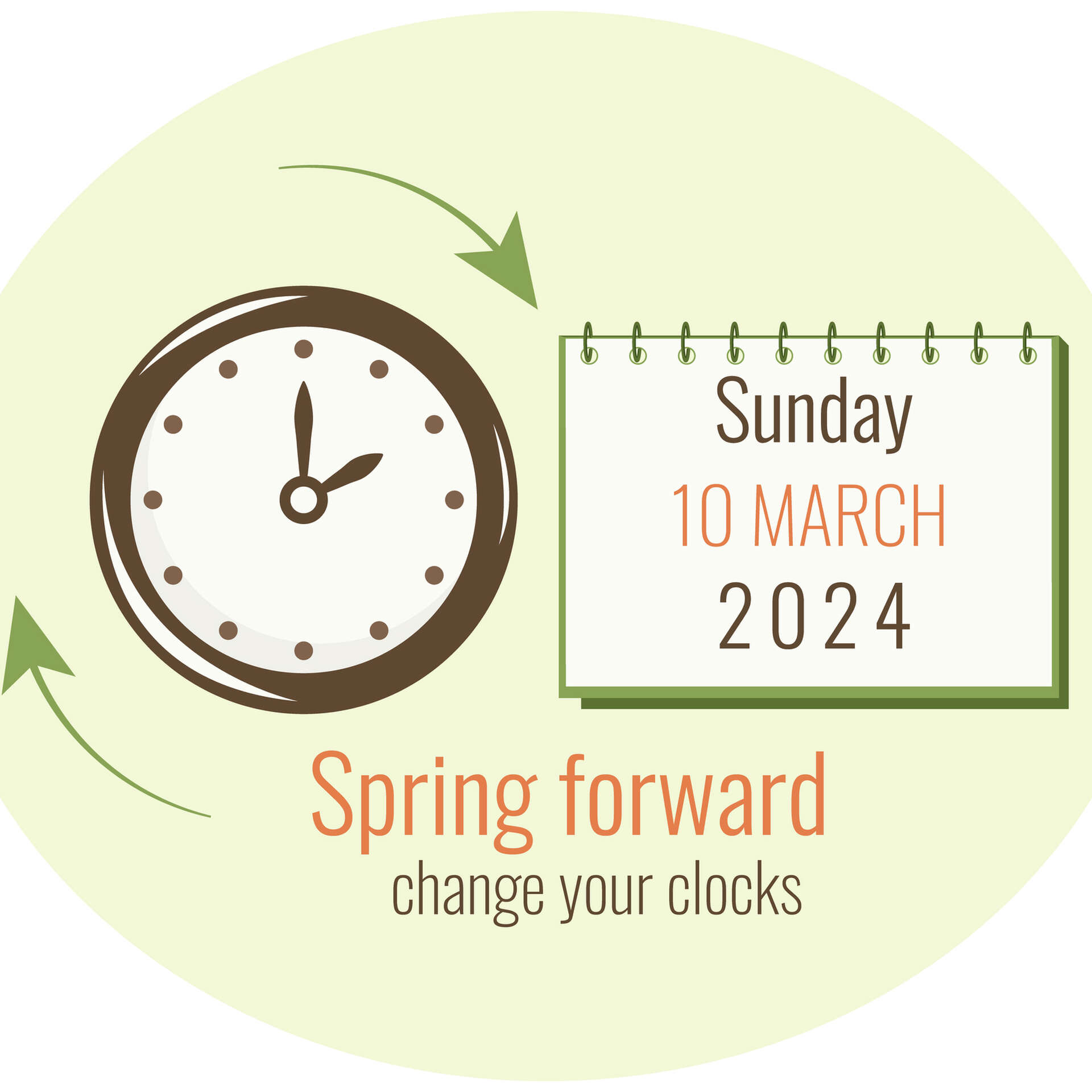
The entire state of Texas observes Daylight Saving Time. This means whether you are exploring the vibrant city life of Dallas or Houston, hiking in Big Bend National Park, relaxing on the beaches of Galveston, or delving into the rich history of San Antonio, your clock will adjust in unison with the rest of the state. There are no special zones or exceptions within Texas that do not follow DST, which simplifies planning compared to states with areas that opt out. This uniform observance ensures that travel itineraries, business meetings, and local events operate on a consistent schedule across all Texas destinations, reducing potential confusion for both residents and visitors.
The Impact of Time Changes on Travel and Tourism in Texas
For those with a passion for travel and tourism, the bi-annual time change in Texas is more than just a minor inconvenience; it’s a significant factor that can influence everything from flight schedules to the enjoyment of a sunset over the Texas hill country. Understanding how DST impacts your journey ensures a smoother, more enjoyable experience.
Planning Your Texas Itinerary Around DST
Travel planning is a meticulous art, and integrating DST into your calculations is essential for a seamless trip to Texas.
When clocks spring forward in March, an unexpected hour is lost, which can have ripple effects on early morning flights, bus departures, or even critical business meetings. Travelers arriving on the Sunday morning of the “spring forward” might find themselves a bit disoriented or potentially miss a connecting flight if their internal clock or devices haven’t correctly adjusted. Always double-check flight times, airport transfers, and any scheduled activities for the day of the time change. For instance, a 6:00 AM flight might feel like 5:00 AM on your body clock, but the airport will be operating on the new 6:00 AM.
Conversely, the “fall back” in November grants an extra hour, which can be a welcome relief for those needing more rest or wanting to squeeze in an extra activity. However, it can also lead to confusion. If you’re coordinating with friends or family across different time zones or even within [Texas](https://lifeoutofthebox.com/texas] itself, ensure everyone is on the same page regarding the adjusted time. Booking accommodations, tours, and restaurant reservations around these dates requires careful attention to the local time. Many hotels and resorts will automatically update their systems, but it’s always wise to confirm check-in and check-out times, especially if your arrival or departure coincides with the time shift.
Optimizing Visits to Texas Landmarks and Attractions
Texas is replete with a stunning array of landmarks and attractions, from historical sites to natural wonders. Daylight Saving Time plays a crucial role in how you experience these places.
During the DST period (March to November), the extended daylight in the evenings is a significant advantage for tourists. This allows for longer sightseeing hours, more opportunities for outdoor activities, and the chance to enjoy sunset views at iconic locations without rushing. Imagine exploring the San Antonio River Walk with its vibrant restaurants and shops, enjoying the illuminated barges well into the evening. Or perhaps, taking an evening stroll around the Alamo or the historic missions, benefiting from the lingering light. In cities like Houston, you can extend your visit to Space Center Houston or explore the Museum District without feeling constrained by an early sunset. Similarly, in Dallas, a later sunset means more time to absorb the history at the Sixth Floor Museum or wander through Klyde Warren Park before dinner.
However, once DST ends in November, the earlier sunsets mean less daylight for outdoor activities and sightseeing. This requires a shift in strategy. Attractions might close earlier, and outdoor excursions, especially in vast natural areas like Big Bend National Park or Palo Duro Canyon, will need to be planned with the understanding that dusk arrives earlier. Those planning a family trip or outdoor adventure during the late fall or winter months will need to prioritize daylight activities and perhaps schedule indoor attractions like the Dallas World Aquarium or the Houston Museum of Natural Science for later in the day. Always check the specific operating hours of your desired destinations, as these can fluctuate with the seasons and the time changes.
Navigating Accommodation and Dining Schedules
The hospitality sector in Texas is well-versed in handling Daylight Saving Time, but travelers should still be mindful. Hotel check-in and check-out times, for example, are typically rigid. On the day of the “spring forward,” a 11:00 AM check-out will indeed be 11:00 AM on the new clock, effectively giving you one less hour in the morning if you haven’t adjusted your internal clock. For those checking in on that day, if arriving early, your room might be ready an hour earlier by your old clock, which can be a pleasant surprise.
When the clocks “fall back,” an 11:00 AM check-out means you gain an extra hour to enjoy your hotel suite or resort amenities. This can be particularly beneficial for long-term stays or if you’re comparing accommodation options where every hour counts. Dining establishments, too, operate on local time. A 7:00 PM dinner reservation remains 7:00 PM. However, your appetite and internal rhythm might feel an hour off, especially during the spring forward. This can impact reservations, particularly at popular spots on the San Antonio River Walk or in Austin’s vibrant restaurant scene. It’s a small detail, but one that can affect your overall travel experience, especially if you’re trying to immerse yourself in local culture through food and activities.
Lifestyle and Practicalities During Texas Time Shifts
Beyond the logistical challenges for travelers, the time change in Texas weaves itself into the fabric of daily life, influencing everything from individual routines and wellness to the broader economic and social landscape. Understanding these practicalities can help both residents and visitors navigate the biannual shift with greater ease.
Adjusting Daily Routines for Leisure and Business
The “spring forward” can be particularly disruptive. Losing an hour of sleep on a Sunday morning might not seem significant, but for many, it can throw off circadian rhythms, leading to grogginess and reduced productivity for several days. This adjustment period impacts both leisure activities and business stays. For business travelers with tight schedules, even a slight dip in concentration can be problematic. Early morning meetings might feel even earlier, and the usual wind-down routine for the evening might be affected by the sudden shift in daylight. Luxury travel might offer more flexibility, but even those enjoying premium suites or villas might feel the effects on their internal clock.
For those on a family trip, children often struggle more with time changes, which can impact sleep schedules and overall mood. Planning outdoor play or evening entertainment requires foresight. During the DST period, the extended daylight hours in the evening are often celebrated. This allows for more after-work outdoor activities, leisurely dinners, and the enjoyment of Texas’s beautiful natural settings. Imagine an extra hour of daylight for a hike in the Texas Hill Country or an evening stroll along Galveston’s beaches. Conversely, the “fall back” brings earlier darkness, signaling a shift towards indoor activities, evening events starting earlier, and a generally cozier, less outdoor-focused lifestyle. Whether your preference is for budget travel or an opulent escape, adapting your routine to these shifts is key.

Health and Wellness Considerations
The health implications of Daylight Saving Time are increasingly recognized. The sudden shift, particularly the “spring forward,” is associated with a temporary increase in heart attacks, strokes, and even traffic accidents, attributed to sleep deprivation and the disruption of the body’s natural rhythms. While these are temporary spikes, they highlight the physiological impact of the change. For travelers, especially those already battling jet lag, the time change can compound feelings of fatigue and disorientation. It’s advisable to prioritize sleep in the days leading up to and immediately following the change. Gradually adjusting your sleep schedule by 15-minute increments in the days before the “spring forward” can help ease the transition. Maintaining hydration, eating balanced meals, and engaging in light exercise can also help the body adapt more smoothly. For those looking for wellness experiences, many Texas resorts and spas offer programs designed to re-align body and mind, which can be particularly beneficial during these transition periods.
The Debate: Should Texas Stay on Standard Time?
The debate over the necessity and benefits of Daylight Saving Time is fervent and ongoing, with Texas being no exception. Arguments against DST often cite the health impacts, the disruption to productivity, and studies that question its actual energy-saving benefits in the modern era. Many argue that the initial rationale no longer holds water with contemporary energy consumption patterns. Proponents, however, still emphasize the advantages of extended daylight for commerce, recreation, and public safety.
In recent years, there have been legislative efforts in Texas to either abolish DST or make it permanent, meaning the state would either remain on Standard Time year-round or permanently adopt Daylight Saving Time. These bills, while gaining traction, have yet to pass into law, reflecting the complexity and differing opinions on the matter. The decision involves balancing economic interests, public health, and lifestyle preferences. For now, Texas continues to observe DST, meaning visitors and residents must remain prepared for the biannual clock adjustments. The outcome of this ongoing debate could significantly reshape future travel guides and tourism tips for the state, making it an interesting development to watch for any frequent visitor or prospective resident.
Making the Most of Your Texas Experience, Regardless of the Clock
While the biannual time change in Texas can present minor hurdles, it by no means detracts from the extraordinary experiences awaiting visitors. With a little preparation and awareness, you can navigate these shifts smoothly and even leverage them to your advantage, ensuring your journey through the Lone Star State is as rewarding as possible.
Tips for Seamless Travel During DST Transitions
The key to mastering the time change is preparation and flexibility. Here are some travel tips to ensure a smooth journey:
- Double-Check All Schedules: This is paramount. Before and during the time change weekend, confirm all flight times, train schedules, bus departures, tour bookings, and restaurant reservations. Many online booking platforms and service providers will automatically adjust, but a quick re-verification can prevent unnecessary stress. This applies to your chosen accommodation as well – confirm check-in and check-out times, especially if they fall on the transition day.
- Update Your Devices: Most smartphones, tablets, and computers will automatically update their clocks. However, analog watches, car clocks, and some older devices may need manual adjustment. Take a moment on the day of the change to ensure all your time-telling instruments are synchronized.
- Adjust Gradually: If possible, try to shift your sleep schedule by 15-30 minutes each day leading up to the “spring forward.” This can help your body adapt more easily to the lost hour, reducing grogginess. For the “fall back,” enjoy the extra hour of sleep or use it to explore early morning attractions.
- Stay Hydrated and Well-Rested: Good general health practices become even more important during time transitions. Prioritize sleep, drink plenty of water, and avoid excessive caffeine or alcohol, particularly on the days surrounding the change. This will mitigate any potential fatigue or disorientation.
- Build in Buffer Time: When planning your itinerary, especially around the “spring forward” transition, consider adding a little extra buffer time for travel between destinations, particularly if you have critical appointments or events. This extra wiggle room can alleviate stress if you feel slightly off-schedule.
- Communicate Clearly: If you’re traveling with a group or meeting others, ensure everyone is aware of the time change and confirms meeting times using the new local clock. This is crucial for coordinating family trips or business stays.
Embrace the Unique Rhythms of Texas
Ultimately, the time change is just another fascinating aspect of the Texas experience. During Daylight Saving Time, embrace the longer evenings that allow you to savor a sunset over the Texas plains, enjoy an extended happy hour on a vibrant city patio, or linger longer at outdoor festivals. The additional daylight provides ample opportunity to explore famous places like Big Bend National Park or the San Antonio Missions National Historical Park at your leisure.
When the clocks “fall back,” welcome the earlier nights as an invitation to enjoy cozy indoor activities. This could mean delving into the rich history of a museum in Houston, experiencing the legendary live music scene in Austin’s clubs, or indulging in the culinary delights of Dallas’s award-winning restaurants. The rhythm of Texas shifts, but its allure remains constant.
By understanding when and how time changes in Texas, you can transform a potential source of confusion into an opportunity for enriched travel and a more attuned lifestyle. Whether you’re seeking luxury travel experiences in a boutique hotel, adventurous guides through nature, or simply enjoying the everyday charm of local culture, being prepared for the clock’s twice-yearly dance will ensure your Texas experiences are nothing short of spectacular. So, mark your calendars, adjust your watches, and get ready to enjoy everything the diverse and dynamic state of Texas has to offer, on its own unique time.
LifeOutOfTheBox is a participant in the Amazon Services LLC Associates Program, an affiliate advertising program designed to provide a means for sites to earn advertising fees by advertising and linking to Amazon.com. Amazon, the Amazon logo, AmazonSupply, and the AmazonSupply logo are trademarks of Amazon.com, Inc. or its affiliates. As an Amazon Associate we earn affiliate commissions from qualifying purchases.