
Nestled in the heart of the American South, Alabama is renowned among outdoor enthusiasts and travelers alike for its diverse landscapes, rich cultural heritage, and, perhaps most notably, its exceptional hunting opportunities. Among these, the pursuit of wild turkey stands out as a quintessential Alabama experience, drawing hunters from across the globe to its verdant forests and rolling hills. For many, planning a trip to the Yellowhammer State is not just about the thrill of the hunt but also about immersing oneself in the local tourism, discovering unique accommodations, and embracing a lifestyle deeply connected to nature. Understanding when turkey season begins in Alabama is the first step in crafting an unforgettable adventure, one that promises both the adrenaline of the chase and the serene beauty of the wilderness.
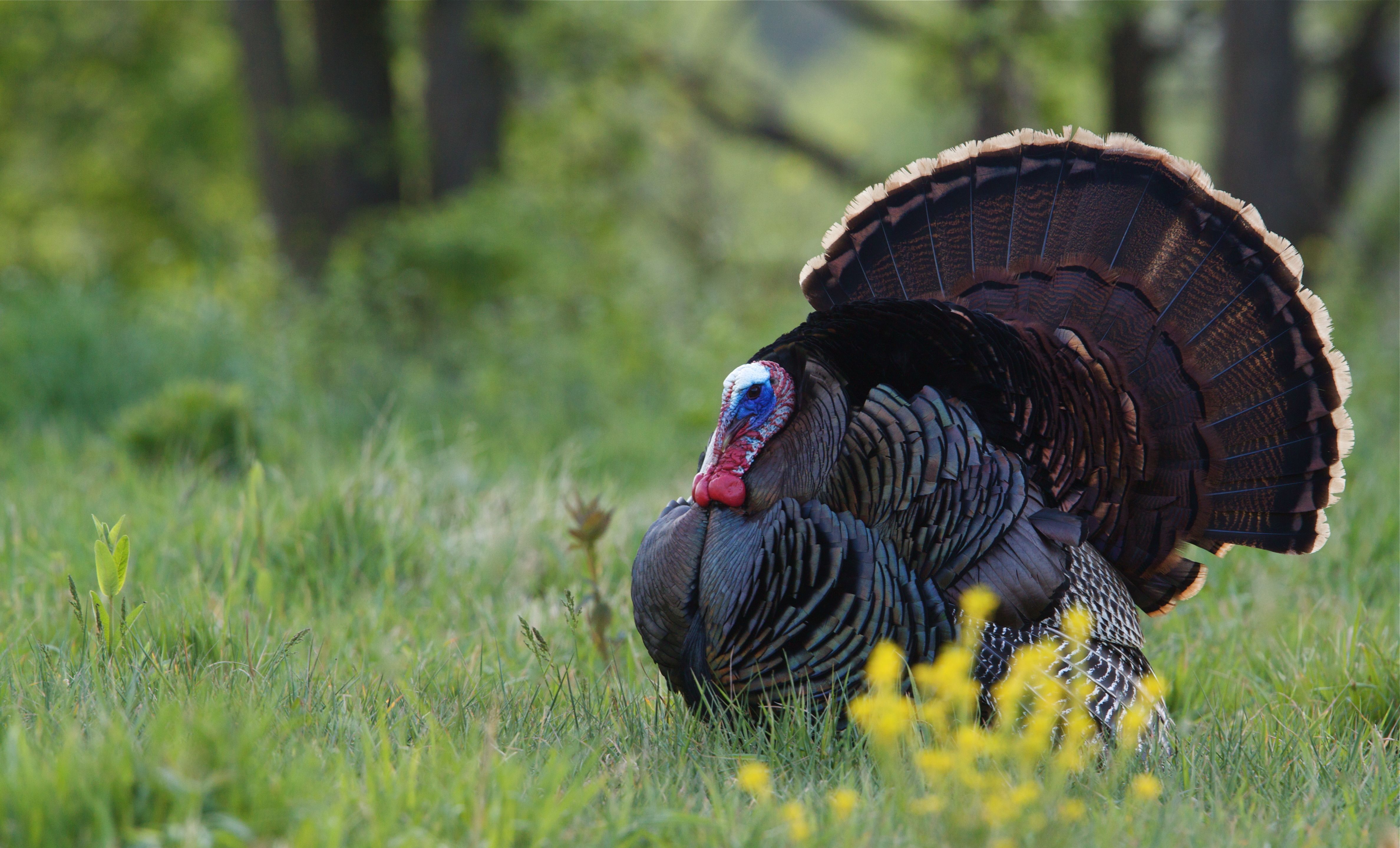
The allure of turkey hunting in Alabama goes beyond merely bagging a bird; it’s an intricate dance with nature, a test of patience, skill, and an appreciation for the outdoors. The state boasts a healthy population of Eastern wild turkeys, providing ample opportunities for a successful and memorable hunt. However, to truly capitalize on this experience, prospective hunters and accompanying travelers must be well-versed in the specifics of the season, from key dates and regulations to the best locales and essential preparations. This guide aims to unravel the complexities of Alabama’s turkey season, while also highlighting how to integrate this thrilling activity into a broader travel itinerary, ensuring a holistic and enriching journey through one of the South’s most captivating destinations.
Understanding Alabama’s Turkey Hunting Seasons
Alabama’s turkey hunting calendar is carefully structured to ensure sustainability and provide optimal hunting conditions, catering primarily to both spring and a more limited fall season. Navigating these seasons requires a clear understanding of zones, dates, and the governing regulations set forth by the Alabama Department of Conservation and Natural Resources (ADCNR) and its Wildlife and Freshwater Fisheries Division (WFF). For any traveler planning a trip focused on this activity, these details are paramount for a lawful and enjoyable experience.
Key Dates and Zones for Spring Turkey Hunting
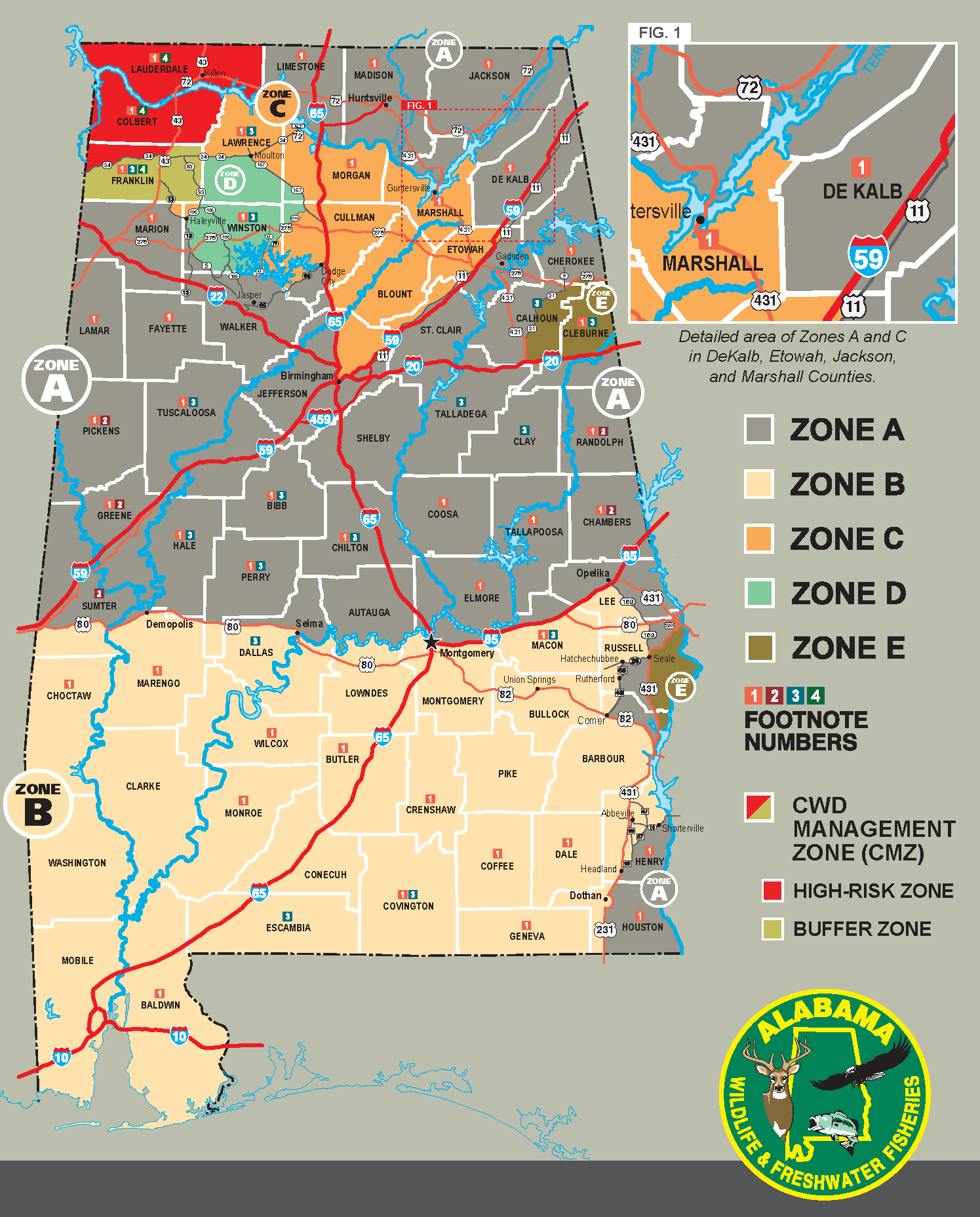
The spring turkey season is undoubtedly the most anticipated period for hunters in Alabama, coinciding with the breeding season when gobblers are most vocal and active. The state is divided into specific zones, and while the general framework remains consistent, exact opening and closing dates can vary slightly year-to-year and by zone. Typically, the spring season commences in mid-March and extends through late April or early May, providing several weeks of prime hunting.
For instance, specific northern counties might open a week or two later than their southern counterparts, accounting for the natural progression of spring across the state’s varied topography. This zonal approach is crucial for managing wildlife populations effectively. Before embarking on any travel, it is imperative to consult the current year’s official Alabama hunting regulations provided by the ADCNR. These regulations detail bag limits (often one gobbler per day, not to exceed five during the combined fall and spring seasons), legal hunting hours, and specific equipment restrictions. Understanding these nuances is not just about compliance; it’s about respecting the land and its wildlife, which is a cornerstone of responsible tourism.
Fall Season Opportunities and Regulations
While spring gets most of the attention, Alabama also offers a more limited fall turkey season. This season typically runs from mid-November to mid-December and often overlaps with other popular hunting seasons, such as deer. Fall turkey hunting presents a different challenge, as turkeys are less vocal and often travel in larger flocks, requiring different strategies and scouting techniques.
Regulations for the fall season might include different bag limits, usually limited to one gobbler or hen per day, not to exceed five for the combined fall and spring seasons. The specific dates and regulations, especially regarding the taking of hens, are particularly important to verify. Fall hunting can be an excellent option for those seeking a unique experience, perhaps combining it with a scenic autumn getaway or a family trip during the Thanksgiving holiday period. However, it’s generally considered more challenging than the spring season due to the birds’ behavior. For travelers planning a fall trip, this period offers a different perspective on Alabama’s natural beauty, with cooler temperatures and vibrant foliage adding to the experience.
Essential Licenses and Permits for Hunters
No turkey hunt in Alabama is complete without the proper documentation. All hunters, whether residents or non-residents, are required to possess a valid hunting license. Non-residents will typically need to purchase an annual non-resident hunting license, along with a Wildlife and Freshwater Fisheries (WFF) Turkey Stamp. Some public lands, such as Wildlife Management Areas (WMAs) or National Forests like Talladega National Forest, Bankhead National Forest, or Conecuh National Forest, may require additional permits specific to their management programs.
Purchasing licenses is convenient and can usually be done online through the ADCNR website, at probate offices, or from licensed retailers across the state. It is crucial to purchase these well in advance of your trip to avoid any last-minute delays. For non-residents, understanding the pricing structure for annual vs. shorter-term licenses (e.g., 3-day or 10-day options) can be beneficial depending on the duration of their stay. Proper licensing not only ensures legal compliance but also contributes directly to conservation efforts, helping to maintain Alabama’s robust wildlife populations for future generations of hunters and tourists. This commitment to conservation forms a vital part of the state’s overall tourism appeal and lifestyle for outdoor enthusiasts.
Preparing for Your Alabama Turkey Hunt
A successful turkey hunt in Alabama is as much about preparation as it is about execution. From selecting the right gear to choosing appropriate hunting grounds and considering the benefits of a professional guide, every aspect contributes to the overall experience. This planning phase is a crucial part of the travel and tourism journey, ensuring safety, comfort, and the highest chances of success in the field.
Gearing Up: What to Pack for the Wild
Packing for an Alabama turkey hunt requires careful consideration of the climate, terrain, and specific hunting techniques. Camouflage clothing is essential, preferably in patterns that blend with the early spring or late fall foliage, depending on the season. Layering is key, as mornings can be chilly while afternoons might become quite warm. Durable, waterproof boots are a must for traversing varied terrains, which can range from damp bottomlands to rocky uplands.
Beyond clothing, a reliable shotgun (typically 12 or 20 gauge) with appropriate turkey loads is fundamental. Decoys, calls (box calls, slate calls, diaphragm calls), and binoculars are also vital tools for attracting and locating turkeys. A comfortable turkey vest with ample pockets for gear, a cushion, and a backrest will make long sits more bearable. Don’t forget essentials like a first-aid kit, insect repellent, a compass or GPS device, headlamp, plenty of water, and snacks. For those opting for a more luxury travel experience, some high-end hunting lodges may offer gear rentals or even provide certain items, but it’s always best to come prepared with your preferred equipment.
Choosing Your Hunting Ground: Public vs. Private Lands
Alabama offers a blend of public and private hunting grounds, each with its own advantages and considerations. Public lands, including numerous Wildlife Management Areas (WMAs) and national forests like Talladega National Forest or William B. Bankhead National Forest, provide accessible options for hunters. While these areas are often well-managed, they can experience higher hunting pressure, especially during peak season. Thorough scouting and understanding specific WMA regulations (which might include quota hunts or special restrictions) are vital for success on public lands. Websites like the ADCNR provide detailed maps and information on these public domains, making it easier for travelers to plan their excursions.
Private land hunting often yields higher success rates due to reduced pressure and tailored habitat management. Options for private land access include leasing land, gaining permission from landowners, or booking a guided hunt with an outfitter who has access to prime private acreage. For many out-of-state visitors, especially those seeking a more exclusive or guaranteed experience, a private land hunt with an established outfitter represents a compelling choice, often aligning with a luxury travel ethos. This decision often hinges on budget, desired level of challenge, and the type of accommodation and amenities desired.
The Role of a Professional Hunting Guide
For many visitors, particularly those unfamiliar with Alabama’s terrain or turkey hunting nuances, enlisting the services of a professional hunting guide is invaluable. A skilled guide brings local knowledge, expertise in turkey behavior, and often access to prime private lands. They can significantly increase your chances of success, assist with calling, tracking, and field dressing, and provide a safer and more educational experience.

Many outfitters offer all-inclusive packages that cover guiding services, meals, and accommodation at their lodges. This streamlines the planning process, making it an attractive option for travelers looking for a hassle-free trip. When selecting a guide, look for established operations with positive reviews, proper licensing, and a strong commitment to ethical hunting practices. This approach transforms a complex hunting trip into a well-managed experience, allowing the hunter to focus on the thrill of the chase and the beauty of the Alabama wilderness, without the logistical burdens. Such services often fall under the umbrella of specialized tourism experiences, catering to specific outdoor hobbies.
Beyond the Hunt: Exploring Alabama’s Charm
While turkey hunting may be the primary draw, a trip to Alabama offers a wealth of opportunities for broader exploration and enjoyment. The state is rich in history, natural beauty, and vibrant local culture, making it an ideal destination for extending your stay beyond the hunting blinds. Integrating these elements can transform a focused hunting trip into a comprehensive travel adventure, appealing to the whole family or anyone looking for more than just an outdoor activity.
Accommodation Options for Every Hunter
Alabama’s diverse landscape offers a range of accommodation choices to suit every preference and budget, from rustic cabins near prime hunting grounds to luxurious resorts in bustling cities. For those prioritizing proximity to the hunt, many WMAs and national forests have primitive camping sites, while nearby towns may offer budget-friendly motels or charming bed and breakfasts. Some private hunting lodges provide all-inclusive suites with gourmet meals, embodying the spirit of luxury travel.
In larger cities like Montgomery, Birmingham, or Huntsville, you’ll find a wide selection of hotels, from renowned chains like the Renaissance Montgomery Hotel & Spa at the Convention Center to boutique hotels that offer upscale amenities and convenient access to urban attractions. For a more independent stay, vacation rentals, including apartments and villas, are available, offering home-like comforts and flexibility, particularly for family trips. Websites specializing in booking and reviews can help travelers compare options and find the perfect base for their Alabama exploration.
Discovering Local Attractions and Gastronomy
Alabama boasts a rich tapestry of cultural landmarks and natural wonders. In Birmingham, visitors can explore the profound history at the Civil Rights Institute or enjoy vibrant culinary scene. Montgomery, the state capital, is home to the National Memorial for Peace and Justice, offering a powerful and reflective experience. Meanwhile, Huntsville is renowned for the U.S. Space & Rocket Center, a must-see for space enthusiasts. For nature lovers, the scenic beauty of Cheaha State Park, the highest point in Alabama, provides stunning vistas and hiking trails.
The state’s culinary scene is a delight, with influences from traditional Southern cooking, fresh Gulf seafood, and burgeoning farm-to-table movements. From classic barbecue joints to upscale restaurants, there’s something to satisfy every palate. Exploring local eateries in towns like Auburn or Tuscaloosa can offer an authentic taste of Alabama culture. Engaging with local food and culture is an integral part of responsible tourism, providing insight into the fabric of the community.
Making it a Family-Friendly Adventure
A turkey hunting trip doesn’t have to be solely for the hunter; Alabama offers numerous attractions and activities that make it an excellent destination for family trips. While one member might be in the woods, others can enjoy the state’s diverse offerings. The coastal areas, particularly Gulf Shores and Orange Beach, offer beautiful beaches, water sports, and family-friendly resorts. Inland, many state parks provide opportunities for hiking, fishing, and wildlife viewing.
Historic sites, museums, and natural parks cater to a wide range of interests, ensuring there’s something for every age group. Considering accommodation with amenities like swimming pools, play areas, or proximity to urban centers can greatly enhance the family’s enjoyment. By blending the thrill of the hunt with Alabama’s broader appeal, travelers can craft a multi-faceted vacation that satisfies both the avid hunter and their companions, making it a truly memorable and inclusive lifestyle experience.
Crafting Your Ideal Alabama Hunting Experience
Creating the perfect Alabama turkey hunting trip involves more than just knowing the season dates; it’s about tailoring the entire experience to your preferences, from the type of stay to complementary activities. This personalized approach is what transforms a simple hunting excursion into a memorable travel narrative, reflecting your desired lifestyle.
Luxury Lodges vs. Budget-Friendly Stays
The choice of accommodation can dramatically shape your hunting trip. For those seeking a premier experience, Alabama offers numerous high-end hunting lodges and resorts that cater to luxury travel. These often feature opulent suites, gourmet dining, spa amenities, and comprehensive guided hunting packages on meticulously managed private lands. Imagine returning from a successful morning hunt to a chef-prepared meal and a relaxing massage, a stark contrast to a rustic campsite. Examples might include upscale venues found near the Tennessee Valley or in the scenic Black Belt region, known for its rich wildlife.
On the other hand, budget travel options are abundant. Campgrounds in state parks or national forests like Talladega National Forest provide an immersive outdoor experience at minimal cost. Economical hotels or modest vacation rentals in smaller towns offer comfortable bases without breaking the bank. Hunters opting for a budget travel approach might focus on public land hunting and pack their own meals, embracing a more self-reliant lifestyle. The key is to match your accommodation choice with your overall budget and desired level of comfort, ensuring that the chosen resorts, hotels, or campsites contribute positively to your tourism adventure.
Integrating Other Outdoor Activities
Alabama’s natural environment extends an invitation to explore far beyond turkey hunting. Depending on the season and location, you can seamlessly integrate a variety of other outdoor activities into your itinerary. Fishing is immensely popular, with abundant opportunities in lakes, rivers, and along the Gulf Coast. Kayaking, canoeing, and paddleboarding on the state’s picturesque waterways offer a different perspective on its natural beauty. Hiking trails abound in state parks and national forests, ranging from leisurely strolls to challenging treks through the Appalachian Mountains foothills.
Birdwatching, photography, and simply enjoying the serenity of the wilderness are also rewarding pursuits. For example, the Wheeler National Wildlife Refuge offers incredible birdwatching opportunities, especially during migration. By adding these activities, the trip becomes a holistic outdoor adventure, appealing to different interests within a group or allowing a solo traveler to fully immerse themselves in the natural landscape. This diversified approach to tourism enriches the overall experience and highlights the state’s multifaceted appeal as an outdoor destination.
Preserving Alabama’s Natural Heritage
At the heart of any outdoor pursuit in Alabama is a profound respect for its natural heritage. Sustainable hunting practices, adherence to regulations, and a commitment to Leave No Trace principles are paramount. Hunters play a vital role in wildlife conservation, with license fees directly funding habitat management and research. Beyond hunting, supporting local conservation efforts and being mindful of your environmental footprint contributes to the long-term health of Alabama’s ecosystems.
Responsible tourism and a conscientious lifestyle mean understanding the impact of your visit. This includes disposing of waste properly, respecting private property, and minimizing disturbance to wildlife. By engaging thoughtfully with the environment, visitors help ensure that Alabama remains a premier destination for turkey hunting and other outdoor activities for generations to come. Whether your journey takes you through the pine forests bordering Mississippi, the fertile plains near Georgia, or the coastal expanses reaching towards Florida, the spirit of conservation should guide every step.
In conclusion, embarking on a turkey hunting adventure in Alabama is an invitation to explore a state rich in natural beauty and outdoor tradition. From meticulously planning around season dates and acquiring the necessary licenses to choosing between a rustic cabin or a luxurious resort, every detail contributes to an unparalleled experience. Beyond the thrill of the hunt, Alabama beckons with its vibrant culture, delectable cuisine, and diverse attractions, making it an ideal destination for solo adventurers, family trips, or anyone seeking to blend an active lifestyle with the charm of the South. By respecting its wildlife and engaging with its communities, travelers can ensure their Alabama journey is not just successful, but also profoundly enriching.
LifeOutOfTheBox is a participant in the Amazon Services LLC Associates Program, an affiliate advertising program designed to provide a means for sites to earn advertising fees by advertising and linking to Amazon.com. Amazon, the Amazon logo, AmazonSupply, and the AmazonSupply logo are trademarks of Amazon.com, Inc. or its affiliates. As an Amazon Associate we earn affiliate commissions from qualifying purchases.