
For residents and visitors alike, understanding the civic pulse of California is a unique facet of experiencing the Golden State. While many associate California with sun-drenched beaches, iconic Hollywood glamour, and unparalleled natural beauty, its democratic process is an integral part of its dynamic lifestyle. Whether you’re a long-term resident planning a luxurious escape to Napa Valley or a new arrival settling into a stylish Los Angeles apartment for an extended stay, knowing “when does voting start in California?” is key to civic participation and understanding the rhythm of life here.
California has a reputation for innovation, not just in technology and culture, but also in its electoral system. The state has implemented a progressive approach to voting that prioritizes accessibility and convenience, reflecting the diverse and often mobile lifestyles of its inhabitants. This means that “voting day” is less a single, fixed calendar event and more a culmination of a period of active civic engagement. For those who embrace travel and diverse experiences, this flexible system allows for participation without sacrificing the pursuit of adventure or managing demanding schedules. From early voting options in bustling urban centers like San Francisco to the widespread availability of mail-in ballots, the state ensures that civic duty can seamlessly integrate with any California lifestyle.
This article delves into the specifics of California’s voting timeline, offering insights for both permanent residents and those considering extended stays. We’ll explore how the state’s electoral processes are designed to accommodate a life on the go, ensuring that whether you’re enjoying the surf in San Diego, exploring the historic streets of Sacramento, or unwinding in a desert resort in Palm Springs, you have the opportunity to make your voice heard. Understanding these mechanisms is not just about civic duty; it’s about appreciating how the infrastructure of the state supports its citizens, even those with vibrant, travel-centric lives.
Navigating California’s Electoral Landscape as a Traveler or Resident
California’s electoral system is designed to be as expansive and diverse as the state itself, offering multiple avenues for participation. This flexibility is particularly pertinent for individuals who maintain a dynamic lifestyle, often moving between different locales for work, leisure, or family. For residents with demanding travel schedules or those enjoying extended vacations across the state, such as a long-term rental in Santa Barbara or a business trip to Silicon Valley, understanding the full scope of the voting period is crucial. It’s not simply about marking a single date on the calendar; it’s about knowing the window of opportunity that begins long before Election Day itself.
The state’s emphasis on early and accessible voting methods means that for many, “voting starts” weeks before the official Election Day. This proactive approach ensures that civic engagement doesn’t conflict with travel plans, hotel bookings, or immersive cultural experiences. Imagine planning a scenic drive along Big Sur or a family adventure to Disneyland Park during the traditional polling day; California’s system allows you to participate without disruption. This integration of civic responsibility with a flexible lifestyle is a hallmark of the California experience, reflecting a commitment to broad participation in its democratic processes.
Understanding Key Election Dates and Deadlines
In California, voting typically “starts” long before what’s traditionally known as Election Day. The state conducts several types of elections: the Gubernatorial Primary and General Elections, Presidential Primary and General Elections, and various local and special elections. The official Election Day is always a Tuesday, but the voting period commences much earlier. For a statewide general election, for instance, ballots are typically mailed out to all registered voters starting 29 days before Election Day. This marks the earliest point at which most Californians can cast their vote. This month-long window provides ample opportunity for residents, whether they are based in Oakland or Long Beach, to research candidates, consider propositions, and return their ballot at their convenience.
Key deadlines include the voter registration deadline, which is typically 15 days before Election Day. However, California offers Conditional Voter Registration (CVR), allowing individuals to register and cast a provisional ballot up to and including Election Day itself at a county elections office or designated polling location. This “same-day” registration is a testament to the state’s dedication to inclusivity, catering to those who might have moved, traveled, or simply missed the standard deadline. For those enjoying a stay in a luxury Marriott resort or an extended rental apartment, keeping these dates in mind ensures seamless participation in the democratic process of the United States.
Voter Registration and Residency for the Discerning Traveler
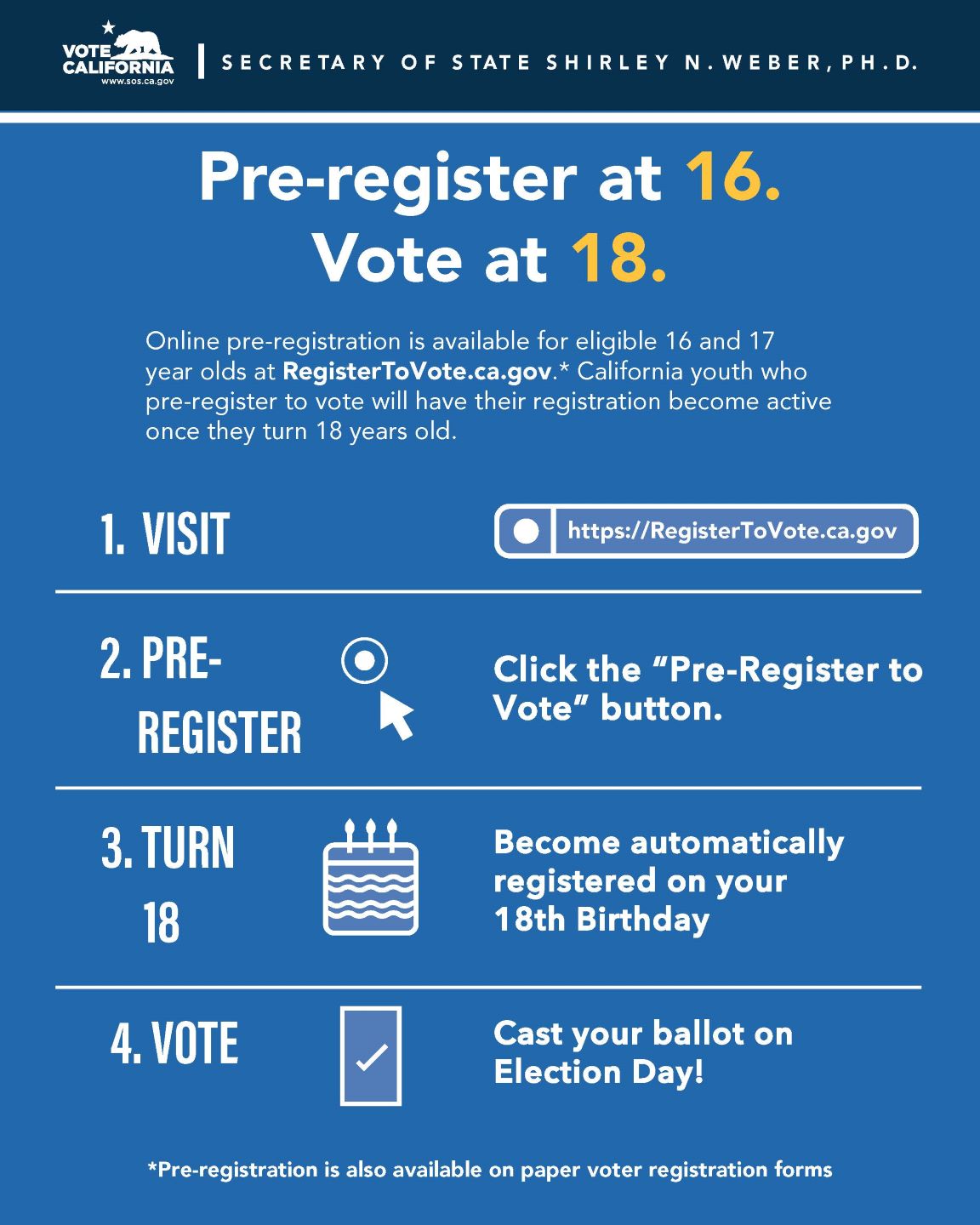
The concept of residency is paramount for voter registration in California, but the state’s laws are designed to be relatively accommodating, especially for individuals who might split their time or have an extended presence in the state. To register to vote, you must be a United States citizen, a resident of California, at least 18 years old by Election Day, not currently serving a state or federal prison term for a felony, and not currently found mentally incompetent to vote by a court.
For the discerning traveler or individual on an extended work assignment, understanding what constitutes “residency” is crucial. While a permanent address is typically required, living in a long-term Hilton suite or a furnished apartment for an extended period, with the intent to make California your temporary home, can often qualify. It’s not uncommon for individuals on sabbatical or enjoying a “workation” to establish temporary residency, enabling them to engage in local elections that directly impact their immediate surroundings, whether that’s Orange County or Monterey. The state encourages voters to register or update their registration online, a convenience that aligns perfectly with a modern, mobile lifestyle, allowing you to manage your civic duties from virtually anywhere in the world with internet access.
The Logistics of Voting: From Polling Places to Mail-in Ballots
California’s commitment to accessible voting extends to its logistical framework, offering a range of options that cater to diverse preferences and lifestyles. This is particularly beneficial for those who cherish freedom of movement, whether for leisure, business, or exploration. Gone are the days when voting meant a mandatory trip to a single, designated location on a specific day. Instead, the state has embraced a multi-faceted approach that empowers voters to choose the method that best fits their schedule and travel plans, making civic participation an integrated part of the California experience.
The evolution of voting logistics in California reflects a broader understanding of contemporary living. For residents balancing a vibrant social calendar, business travel that might take them from San Diego to Lake Tahoe, or even those enjoying the luxury of a prolonged stay at a Four Seasons resort, the traditional polling place is just one of several choices. The state’s pioneering adoption of mail-in ballots for all registered voters has revolutionized the process, making it incredibly convenient for virtually everyone. This progressive stance ensures that whether you’re exploring the rich history of Alcatraz Island or hiking in Yosemite National Park, your ability to shape the future of California remains unhindered.
Exploring Polling Place Locations: Beyond the Ballot Box
While mail-in voting has become the predominant method, in-person polling places still play a vital role in California’s electoral system. These locations are typically open for several days leading up to and including Election Day, providing opportunities for early voting. Far from being mere utilitarian spaces, many polling places are community centers, schools, or even historic buildings, offering a glimpse into local life and architecture. For the culturally curious traveler or a resident keen on exploring their neighborhood, visiting a polling place can be an interesting local experience.
In cities like San Francisco or Los Angeles, a polling location might be housed in a beautiful civic building, a local library, or a community hall that serves as a hub for local events. Casting your ballot in person allows for a direct connection to the community and provides assistance for voters who may need it, such as those with disabilities or language barriers. It’s also an option for those who simply prefer the traditional experience of placing their ballot in a box. Many counties also operate vote centers, which are larger, full-service locations where voters can register, update their information, get a replacement ballot, and cast their vote in person, often spanning several days. This flexibility is a key aspect of California’s accessible approach, reflecting the diverse needs of its population across expansive areas like San Bernardino County and Riverside County.
The Convenience of Mail-in Voting: Travel Without Missing Your Vote
One of the most significant innovations in California’s voting system is the universal mail-in ballot. Since 2020, every registered voter in the state automatically receives a ballot by mail for every election. This policy fundamentally shifts “when does voting start in California?”, effectively making the start date the day these ballots arrive in mailboxes, typically 29 days before Election Day. This system is a boon for travelers, digital nomads, and anyone embracing a flexible lifestyle.
Imagine you’ve planned a rejuvenating trip to a Ritz-Carlton resort in Laguna Beach or a cultural exploration in Sonoma Valley during the election period. With mail-in voting, your ballot can be forwarded to your temporary accommodation, or you can complete it before you leave and drop it off at an official drop box or mail it from any United States Post Office. If you’ve moved or are temporarily staying elsewhere, updating your mailing address with your county elections office is a simple online process, ensuring your ballot reaches you no matter where you are in the state, or even across the country if you’ve arranged for forwarding. This unparalleled convenience means that your civic duty no longer needs to compete with your travel aspirations or personal commitments, making voting an effortless part of your California lifestyle.
Casting Your Ballot While On-the-Go: Early Voting and Drop Boxes
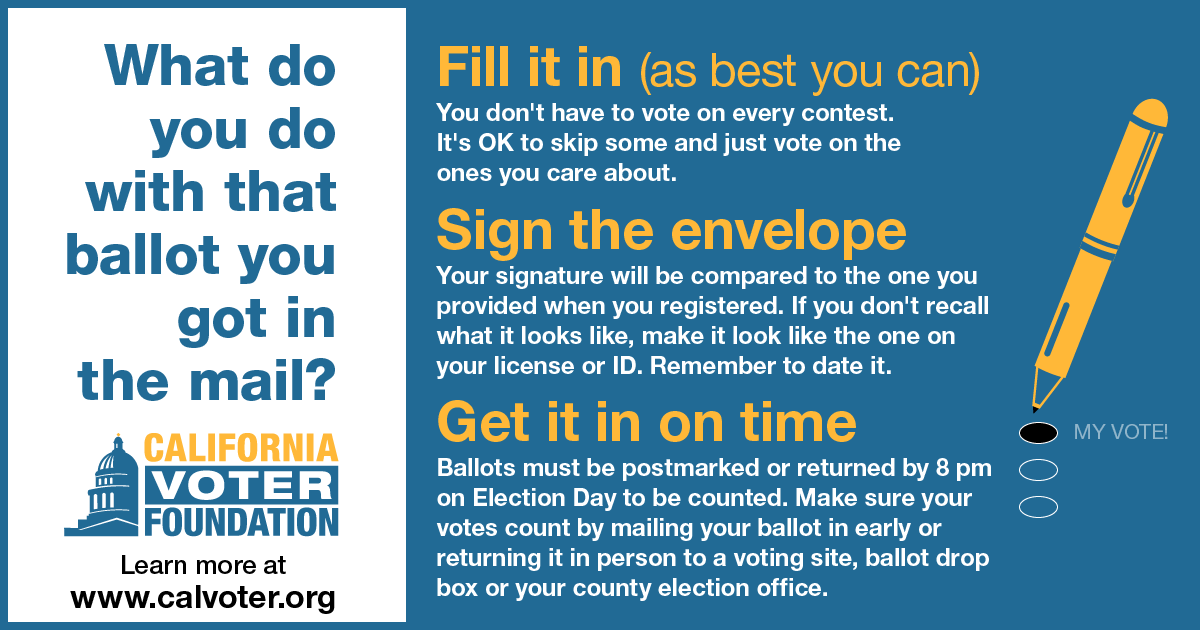
Beyond receiving a ballot in the mail, California provides several flexible options for returning it, catering to busy schedules and travel itineraries. Once you’ve completed your mail-in ballot, you have three primary ways to return it:
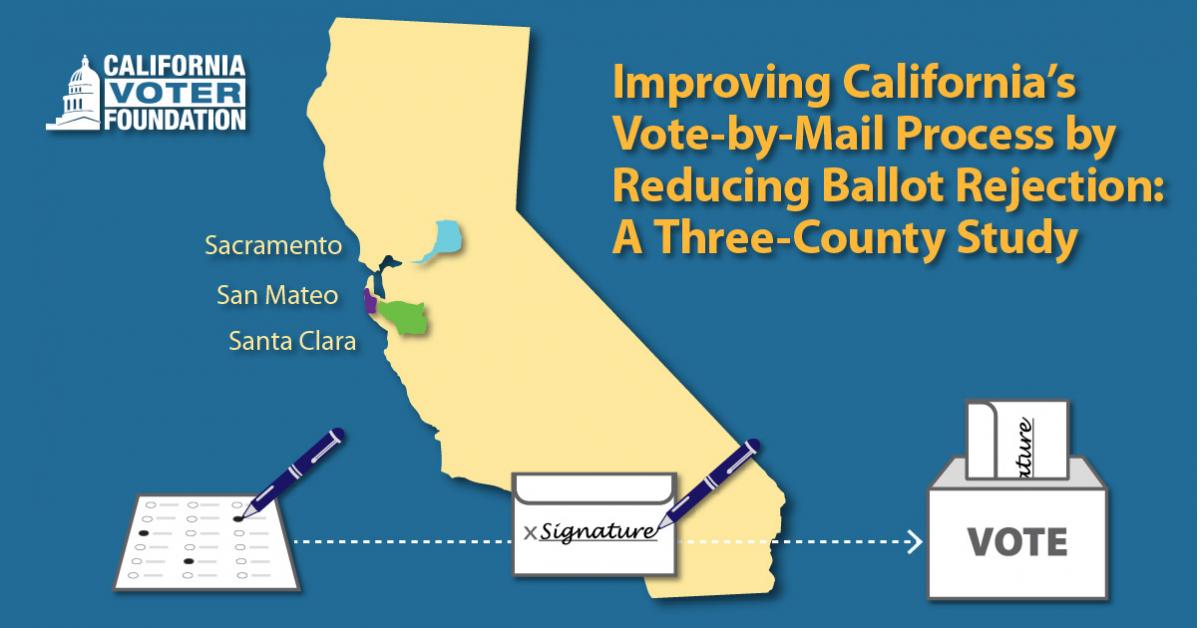
- Mail it back: Simply sign the return envelope, apply postage (though many ballots come with pre-paid postage), and drop it in any mailbox. Ballots must be postmarked by Election Day and received by election officials within 7 days after Election Day.
- Drop it off at a secure drop box: California counties provide numerous secure drop boxes, often available 24/7, starting from when ballots are mailed out up until 8:00 PM on Election Day. These can be found in convenient locations like libraries, city halls, and shopping centers across regions such as Alameda County and Contra Costa County. This option is perfect for those who want to ensure their ballot is received quickly without relying on postal delivery times, perhaps after a visit to Universal Studios Hollywood or a day exploring downtown Los Angeles.
- Return it at an in-person voting location: You can also drop off your completed mail-in ballot at any polling place or vote center in your county during their operational hours. This is an excellent option for those who prefer the certainty of handing their ballot directly to an election official.
These varied options ensure that whether you’re embarking on an impromptu weekend getaway, managing a demanding work schedule, or simply prefer the assurance of a direct hand-off, casting your vote in California is remarkably straightforward and adaptable to your lifestyle. The state has truly embraced the modern need for flexibility, making it easier than ever to engage in democracy without putting your life on hold.
California’s Elections and the Lifestyle of the Golden State
The electoral process in California is more than just a legal requirement; it’s an interwoven thread in the fabric of the state’s diverse lifestyle. For those who choose to live, work, and explore within its borders, understanding the electoral cycle means understanding a key aspect of community and governance that shapes daily life, from urban planning in Anaheim to environmental policies affecting the Central Valley. The state’s progressive approach to voting—emphasizing accessibility, early participation, and multiple return options—is particularly resonant with the California ethos of innovation and embracing a flexible, modern existence. It reflects a society that values civic engagement while recognizing the demands and desires of an active population.
This seamless integration of civic duty with personal freedom speaks volumes about the quality of life in California. It means that whether your lifestyle involves frequent travel, a commitment to outdoor adventures, or simply the pursuit of personal passions, your ability to influence the direction of your community and state remains robust. The state understands that its residents lead dynamic lives, often requiring adaptability, and its voting system mirrors this understanding. By making voting easy and convenient, California reinforces the idea that an engaged citizenry is a cornerstone of a thriving society, capable of balancing individual pursuits with collective responsibility.
Balancing Civic Duty with Golden State Adventures
California’s extended voting period and mail-in ballot system are perfectly tailored for those who embrace the Golden State’s adventurous spirit. Imagine planning a hiking trip through the breathtaking landscapes of Yosemite National Park, a wine-tasting tour in Napa Valley, or a relaxing beach getaway to Santa Monica. In many other places, such plans might conflict with the singular demand of Election Day. However, in California, your ballot arrives weeks in advance, allowing you to complete it at your leisure, perhaps over a morning coffee overlooking the ocean or during a quiet evening after a day of exploration.
This flexibility ensures that civic participation doesn’t become a logistical hurdle or a reason to cancel cherished travel plans. Whether you’re a student studying abroad, a professional on an extended business trip, or a retiree enjoying the state’s many attractions, you can mark your choices and return your ballot well before any major commitments. It’s about empowering individuals to live their lives fully, exploring the wonders of the Golden Gate Bridge or the vibrancy of the Hollywood Walk of Fame, all while upholding their democratic responsibilities. The system truly embodies the “life out of the box” philosophy, where freedom and engagement go hand-in-hand.
Economic and Social Impact: How Elections Shape California’s Travel & Tourism Scene
The outcomes of California elections have profound impacts on the state’s robust travel, tourism, and accommodation sectors. From local bond measures funding infrastructure improvements to statewide propositions affecting environmental protection, educational initiatives, or business regulations, these decisions directly shape the experiences of both residents and visitors. For instance, votes on funding for state parks like Yosemite National Park or cultural institutions directly influence the quality and accessibility of these attractions for tourists. Policies impacting local economies can affect the vibrancy of communities, the diversity of dining options, and the availability of unique local businesses that attract travelers.
Furthermore, issues related to housing, transportation, and public safety – all decided at the ballot box – directly influence the hospitality industry, from the cost of accommodation in a Los Angeles hotel to the ease of navigating public transport to sites like the Griffith Observatory. A vote for better public transit, for example, could make exploring San Francisco more enjoyable for visitors staying in downtown hotels. Environmental legislation can protect the pristine beaches of Santa Cruz or the ancient redwood forests, preserving natural landmarks that draw millions. Thus, participating in California’s electoral process is not just about choosing leaders; it’s about actively shaping the future landscape, economy, and social fabric that makes the Golden State such a compelling destination for every kind of traveler and a fulfilling home for its residents.
In conclusion, “when does voting start in California?” is not a simple question with a single answer but rather an invitation to understand a progressive and inclusive democratic system. It starts weeks before Election Day with the mailing of ballots and extends through various in-person and drop-off options, all designed to integrate seamlessly with the diverse and often adventurous lifestyles of those who call California home or visit for extended periods. This flexibility ensures that civic duty is a manageable and accessible part of life, allowing individuals to pursue their passions, travel, and enjoy the myriad experiences California offers, all while actively contributing to its vibrant future.
LifeOutOfTheBox is a participant in the Amazon Services LLC Associates Program, an affiliate advertising program designed to provide a means for sites to earn advertising fees by advertising and linking to Amazon.com. Amazon, the Amazon logo, AmazonSupply, and the AmazonSupply logo are trademarks of Amazon.com, Inc. or its affiliates. As an Amazon Associate we earn affiliate commissions from qualifying purchases.