
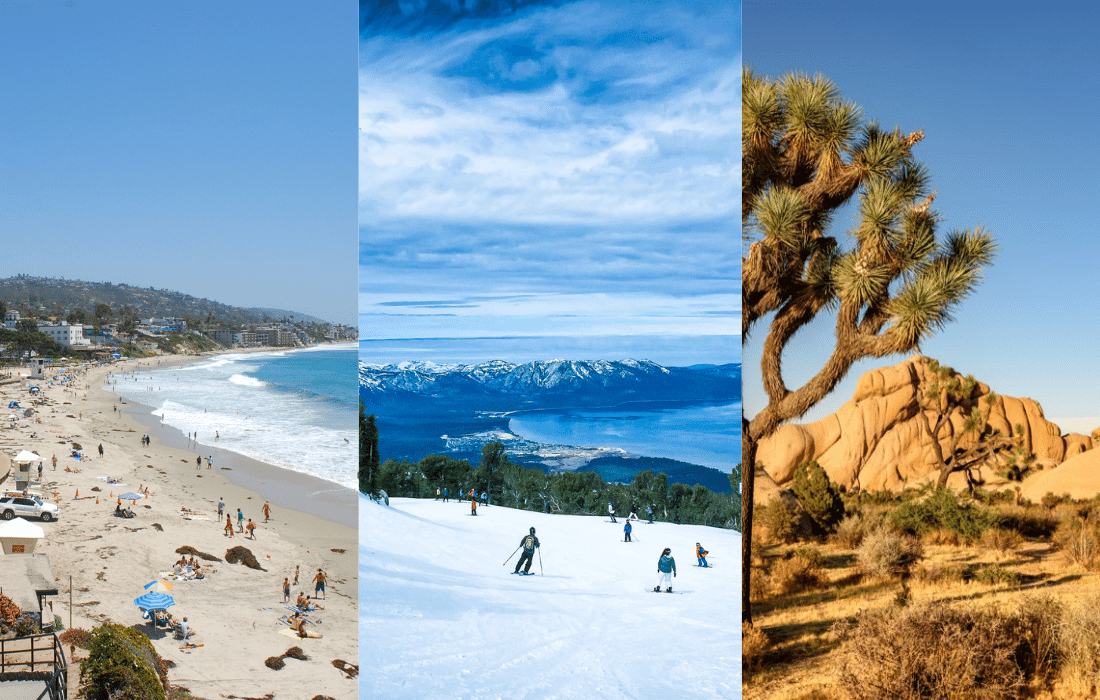
California, a state renowned for its diverse landscapes and year-round appeal, presents a unique question for travelers: when does winter truly end? Unlike regions with stark seasonal transitions, California’s “winter” is a nuanced concept, often dictated more by rainfall patterns and snow levels in its mountainous interiors than by consistently cold temperatures across its vast expanse. For those planning a visit, understanding these regional variations is key to experiencing the Golden State at its most enjoyable. This guide delves into the multifaceted end of winter in California, focusing on its implications for travel, from the ski slopes of the Sierra Nevada to the blooming deserts and the coastal havens.
The Sierra Nevada: A Prolonged Farewell to Snow
For many, winter in California is synonymous with the snow-capped peaks of the Sierra Nevada mountain range. Ski resorts like Mammoth Mountain, Palisades Tahoe (formerly Squaw Valley and Alpine Meadows), and Big Bear Mountain Resort typically operate well into spring, sometimes even extending their seasons into early summer. The end of winter here is marked not by a calendar date, but by the sustained melting of snowpack, which directly impacts skiing and snowboarding conditions.
Ski Season Longevity and Spring Skiing
The exact closing dates for ski resorts are highly variable, influenced by annual snowfall amounts and spring weather patterns. Historically, many Sierra resorts aimed for Memorial Day weekend as a target for their final operational day, especially in years with abundant snow. This period, often referred to as “spring skiing,” offers a different kind of mountain experience. The snow can become softer and more forgiving, the sun is warmer, and the crowds tend to thin out. While the thrill of fresh powder might diminish, the opportunity for long, sunny runs with stunning panoramic views becomes paramount.
The Shift to Outdoor Adventures
As the snow recedes from lower elevations, the Sierra Nevada transitions into a hiker’s and biker’s paradise. Trails that were once impassable under snow begin to emerge, revealing vibrant wildflowers and the full majesty of the alpine scenery. Lakes, which may have been frozen or inaccessible, start to thaw, offering opportunities for fishing and early-season boating. The end of winter in the mountains, therefore, signifies the opening of a new chapter of outdoor recreation, moving from snow sports to a broader range of activities. This shift is gradual, often seeing a patchwork of snow at higher elevations while lower trails become clear.
Southern California: A Swift Transition to Sunshine
In contrast to the mountain ranges, much of Southern California experiences a winter that is less about prolonged cold and snow, and more about a distinct rainy season. When this rainy season concludes, the region rapidly transitions into its famously warm and sunny climate, making the end of winter feel quite abrupt to visitors accustomed to more gradual seasonal changes.
The Desert Bloom
One of the most spectacular indicators of winter’s end in Southern California is the desert bloom. Areas like the Anza-Borrego Desert State Park come alive with a carpet of wildflowers after sufficient winter rains. While the timing can vary, the peak bloom typically occurs between late February and April. This natural spectacle transforms the arid landscape into a vibrant tapestry of color, drawing visitors from around the globe to witness this ephemeral beauty. This phenomenon is a clear signal that the harshness of winter has passed, ushering in a season of warmth and life.
Coastal Comfort and Spring Festivals
Along the extensive California coastline, winter typically means milder temperatures and a higher chance of rain. As the rainy season subsides, usually by late March or April, the coast becomes increasingly inviting. Temperatures rise, the skies clear, and the ocean air loses its winter chill. This period is ideal for exploring cities like San Diego, Los Angeles, and Santa Barbara. Many communities host spring festivals and events, celebrating everything from fresh produce and wine to local art and culture. The transition is marked by pleasant weather perfect for beach visits, outdoor dining, and exploring iconic attractions like the Griffith Observatory or the Getty Center.
Northern California: A Blend of Coastal Mists and Inland Warmth
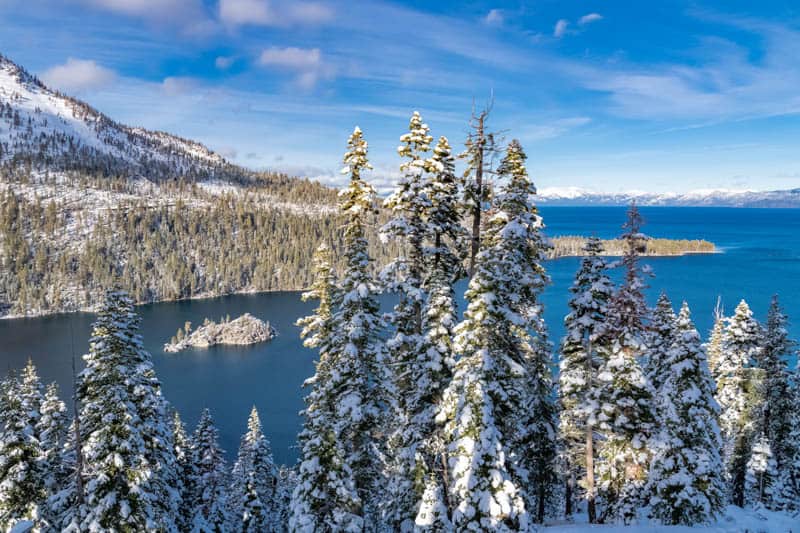
Northern California presents a more varied picture, with coastal areas often retaining a cooler, mistier climate for longer, while inland valleys experience a more pronounced shift towards warmth. Understanding these microclimates is essential for timing your visit to enjoy the end of winter.
The Coast and Bay Area Transition
In areas like San Francisco and along the northern coast, winter’s end is often heralded by a decrease in fog and drizzle. While the iconic fog might not entirely disappear, its frequency and intensity tend to diminish by April and May. Temperatures become more consistently mild, making it pleasant to explore landmarks like the Golden Gate Bridge or wander through neighborhoods like North Beach. The transition here is less about dramatic temperature swings and more about the return of consistent sunshine and comfortable, cool breezes.
Inland Valleys and Wine Country Awakening
The inland areas, including the Central Valley and wine-producing regions like Napa Valley and Sonoma County, often see a more distinct shift. As winter rains cease, typically by March or April, temperatures begin to rise noticeably. The landscape, having benefited from the winter moisture, starts to green up, and the vineyards begin their vibrant growth cycle. This is an excellent time to visit wine country, as the crowds are smaller than in peak summer, and the scenery is breathtaking. The end of winter here signifies the beginning of a period of perfect weather for wine tasting, vineyard tours, and enjoying the burgeoning agricultural bounty.
Planning Your Post-Winter California Escape
When deciding when to visit California to experience the end of its winter, consider your primary interests.
For the Snow Enthusiast
If your heart is set on skiing or snowboarding, aim for March and even into April, especially in a strong snow year in the Lake Tahoe area or at higher-elevation resorts like Mammoth Mountain. Spring skiing offers unique advantages, and many resorts offer discounted lift tickets as the season winds down. Always check the specific resort’s operational calendar for their planned closing dates.
For the Nature Lover and Sightseer
To witness the desert bloom in Southern California, plan your trip for late February through April, depending on rainfall. For hiking and wildflower viewing in the mountains, late April and May are generally ideal, as lower trails clear and snow persists at higher altitudes. Coastal explorations are pleasant from March onwards, with May often offering the most stable and sunny weather before the summer heat and crowds arrive.
For the Cultured Traveler
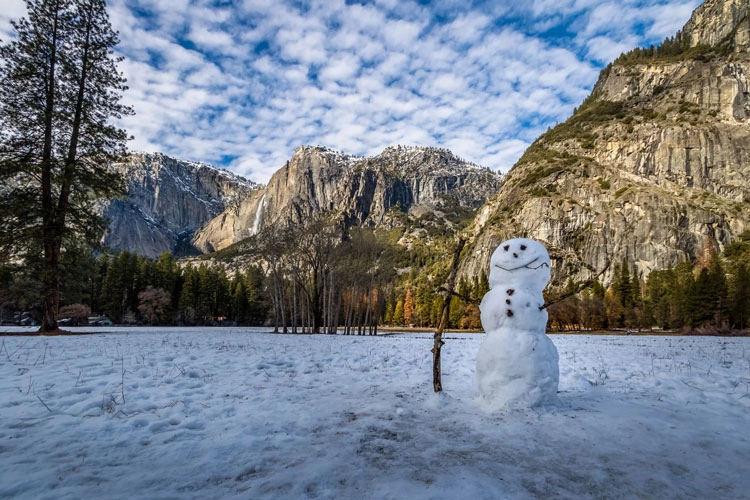
The shoulder seasons of spring (March-May) offer a fantastic opportunity to explore California’s cities and cultural attractions without the peak summer throngs. Events and festivals begin to ramp up, and the weather is conducive to enjoying outdoor dining, exploring neighborhoods, and visiting museums like the LACMA or the de Young Museum. The end of winter in California is not a single date, but a gradual awakening across its diverse landscapes, offering a plethora of experiences for every traveler.
LifeOutOfTheBox is a participant in the Amazon Services LLC Associates Program, an affiliate advertising program designed to provide a means for sites to earn advertising fees by advertising and linking to Amazon.com. Amazon, the Amazon logo, AmazonSupply, and the AmazonSupply logo are trademarks of Amazon.com, Inc. or its affiliates. As an Amazon Associate we earn affiliate commissions from qualifying purchases.