
Florida, the Sunshine State, beckons millions of travelers each year with its pristine beaches, vibrant cities, and world-renowned attractions. From the magical theme parks of Orlando to the art deco glamour of Miami and the tranquil beauty of the Florida Keys, the state offers an unparalleled diversity of experiences. However, planning a trip to this popular destination requires an understanding of one significant natural phenomenon: hurricane season. While the thought of hurricanes might initially deter some, with proper planning and awareness, a fantastic Florida vacation is entirely possible, even during these months. This guide will delve into what Florida’s hurricane season entails, how it impacts travel, and how you can prepare for a safe and enjoyable journey.
Understanding Florida’s Hurricane Season
Knowing the official dates and characteristics of hurricane season is the first step in informed travel planning. This period, recognized by meteorological agencies, is when conditions are most conducive for tropical cyclone formation in the Atlantic Basin.
Defining the Season: Dates and Peak Months
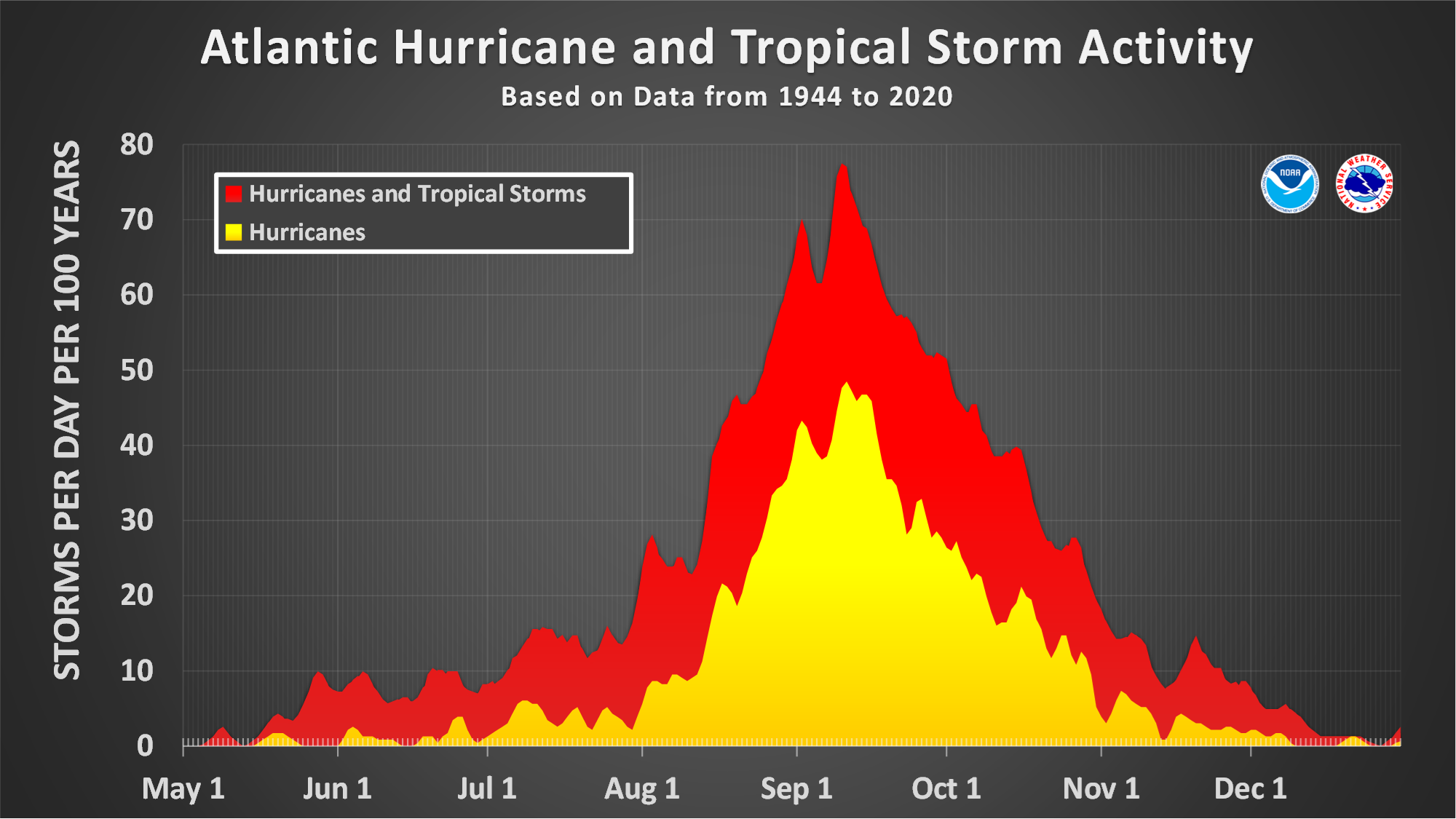
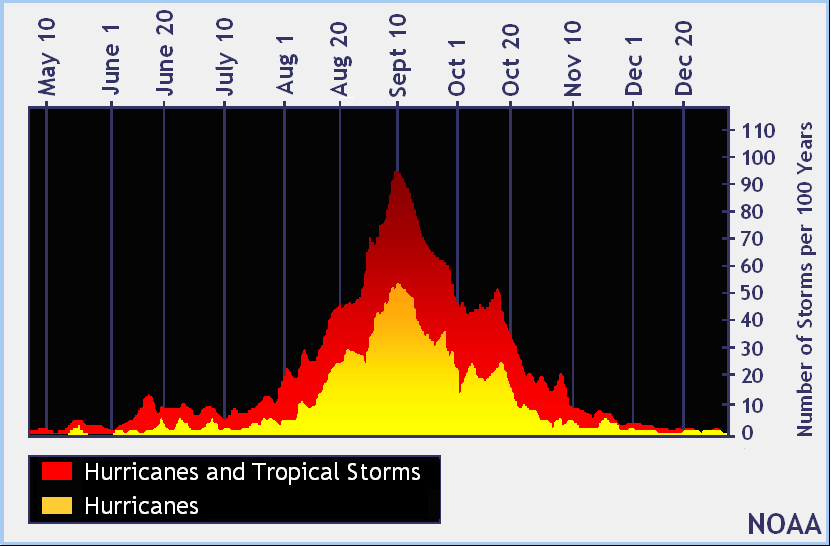
Florida’s hurricane season officially runs from June 1st to November 30th each year. This six-month window covers the majority of the period when sea surface temperatures are warm enough and atmospheric conditions are favorable for hurricanes, tropical storms, and tropical depressions to form and develop. While storms can occur outside this period, they are less common.
Within this six-month span, there are typically peak months for activity. The busiest period is usually from mid-August through late October, with September historically being the most active month. During this time, the ocean waters are at their warmest, providing ample fuel for developing systems. It’s important to remember that this is a season, not a constant state of alert. Many days within these months are perfectly sunny and clear, offering excellent opportunities for travel with fewer crowds and often lower prices. The key is to stay informed and be prepared for potential disruptions.
Historical Context and Intensity
Florida has a long history with hurricanes, being one of the most storm-prone states in the United States. Over the decades, the state has experienced everything from minor tropical storms that bring little more than a rainy day to major hurricanes causing significant widespread impact. Understanding this history isn’t meant to instill fear but to foster respect for natural forces and highlight the importance of preparedness.
Hurricanes are categorized by the Saffir-Simpson Hurricane Wind Scale, which ranges from Category 1 (winds 74-95 mph) to Category 5 (winds 157 mph or higher). The intensity of a storm dictates the potential for damage, with higher categories bringing more severe winds, storm surge, and rainfall. Notable storms like Hurricane Andrew in 1992 and Hurricane Irma in 2017 serve as stark reminders of the power of nature. However, advancements in meteorological forecasting and early warning systems have vastly improved safety protocols, allowing residents and visitors ample time to prepare or evacuate if necessary. This improved forecasting is a crucial tool for modern travelers, offering a significant advantage over past generations.
Why It Matters for Travelers
For visitors, the hurricane season presents both challenges and opportunities. The primary challenge is the potential for travel disruptions: flight cancellations, road closures, and the temporary closure of attractions or accommodations. Coastal areas, particularly those susceptible to storm surge like Key West or the barrier islands, are generally more vulnerable. Even inland destinations like Orlando can experience heavy rains, high winds, and localized flooding.
However, there’s also an upside. Traveling during the shoulder months of June and early July, or even late October and November, can offer pleasant weather with fewer crowds and more affordable prices for hotels, flights, and even some attractions. Even during the peak of the season, a well-planned trip with flexible options can lead to a wonderful experience. The key is to weigh the risks against the potential rewards and make informed decisions. Many travelers successfully navigate Florida during hurricane season without any issues, enjoying the benefits of off-peak travel.
Navigating Travel During Hurricane Season
Traveling during hurricane season doesn’t mean canceling your plans entirely; it means being smart, flexible, and prepared. There are several strategies you can employ to minimize risks and maximize your enjoyment.
The Pros and Cons of Off-Peak Travel
Choosing to visit Florida during hurricane season, particularly the peak months, often means you’re traveling during the “off-peak” or “shoulder” season for many destinations. This brings distinct advantages. One of the most appealing aspects is cost savings. Hotels, rental cars, and even some flights tend to be significantly cheaper than during the bustling winter and spring breaks. For budget-conscious travelers or those seeking luxury on a budget, this can be a golden opportunity.
Another major benefit is fewer crowds. Imagine strolling through Everglades National Park with more serenity, enjoying shorter lines at Universal Studios Florida, or finding a quiet spot on Siesta Key Beach. This can enhance your overall experience, allowing for a more relaxed pace and greater access to popular attractions.
However, the obvious con is the risk of a hurricane or tropical storm. While the likelihood of a direct hit on your specific travel dates and location is relatively low, the possibility exists. A storm could lead to travel delays, cancellations, and the temporary closure of certain areas or landmarks. This can disrupt plans, cause stress, and potentially lead to unexpected expenses. The weather can also be extremely hot and humid during the summer months, which some travelers might find uncomfortable, even without a storm looming.
Insurance: Your Essential Travel Companion
When traveling to Florida during hurricane season, travel insurance moves from being a “nice to have” to a “must-have.” It provides a critical safety net against unforeseen circumstances related to weather events.
- Trip Cancellation/Interruption Insurance: This is perhaps the most vital component. If a hurricane forces you to cancel your trip before you depart, or if a storm cuts your trip short, this insurance can reimburse you for non-refundable expenses like flights, hotel bookings, and pre-paid tours. It’s crucial to purchase this insurance before a storm is named or becomes a significant threat, as most policies won’t cover events that were “foreseeable” at the time of purchase.
- Medical Emergency Coverage: While not directly hurricane-related, accidents can happen. This coverage is important for any travel, but especially if you’re in an unfamiliar area.
- Emergency Evacuation: In a worst-case scenario, if you need to be evacuated due to a severe storm, this coverage can help with the costs of getting you to a safer location.
- Rental Car Coverage: If you plan on renting a car, ensure your policy or personal car insurance covers damage, as vehicles can be affected by flooding or debris.
Always read the fine print of any insurance policy carefully. Understand what constitutes a “covered event,” what the deductible is, and what specific weather-related issues are included or excluded. Comparison sites can help you find the best policy for your needs.
Flexible Bookings and Policies
Beyond insurance, actively seeking out flexible booking options for your entire trip is a smart strategy.
- Flights: Choose airlines that offer flexible change policies, even if it means paying a little extra upfront. Many airlines will waive change fees if a hurricane advisory is issued for your departure or arrival city. Check the airline’s specific hurricane waiver policies.
- Hotels and Resorts: Prioritize accommodations that offer free cancellation up to a few days before arrival. Many Florida hotels in hurricane-prone areas, like The Ritz-Carlton, Key Biscayne or the Waldorf Astoria Orlando, have specific hurricane clauses in their booking terms, allowing for cancellations or rebookings if a storm impacts their area. Confirm these policies before booking.
- Activities and Tours: For pre-booked excursions like airboat rides in the Everglades or specific theme park tickets, understand their refund or rescheduling policies. Many tour operators are accommodating during storm season.
- Accommodation Reviews: Before you commit, look at reviews for properties, especially those from guests who stayed during past hurricane seasons. Do they mention clear communication, good evacuation plans, or helpful staff during disruptions? This kind of insight can be invaluable.
By opting for flexibility, you empower yourself to adapt to changing weather conditions without incurring significant financial losses, transforming a potential nightmare into a minor inconvenience.
Essential Preparation and Safety Tips
Even with the best planning, being prepared for a hurricane during your trip requires active monitoring and a clear understanding of safety protocols.
Before You Go: Monitoring and Planning
Preparation begins long before you pack your bags.
- Stay Informed: Start monitoring weather forecasts at least a week or two before your departure, and continue doing so daily. Reliable sources include the National Hurricane Center (NHC), the National Weather Service (NWS), and local news channels for your destination city (e.g., Miami or Tampa news). Pay attention to any tropical depressions or named storms forming in the Atlantic or Caribbean.
- Emergency Contacts: Keep a list of important phone numbers: your family and friends, your hotel, your airline, your insurance provider, and local emergency services.
- Travel Documents: Have copies of your passport, ID, travel insurance policy, and booking confirmations, both physical and digital (stored on a cloud service or email).
- Emergency Plan: Discuss a “what if” scenario with your travel companions. What will you do if a storm approaches? Where would you go? How would you communicate? Having a loose plan can reduce anxiety if a situation arises.
- Cash: ATMs may not work during power outages. Have some cash on hand for essential purchases.
During Your Stay: Staying Informed and Safe
Once you’re in Florida, your hotel or resort will be your primary source of local information.
- Follow Local Authorities: If a storm threatens, local authorities will issue advisories, watches, and warnings. Pay close attention to these and follow all instructions, especially concerning evacuations. Do not second-guess official recommendations.
- Communicate with Your Accommodation: Your hotel staff will be well-versed in their emergency procedures. Ask about their hurricane plan: where to shelter, what services might be impacted, and how they will communicate updates. Establish a plan with them. Many properties, such as The Breakers Palm Beach, have extensive emergency preparedness protocols in place.
- Emergency Kit (Mini Version): While your hotel will have supplies, having a small personal kit is wise. This could include a flashlight, portable phone charger, basic first-aid supplies, any necessary prescription medications, and a small supply of non-perishable snacks and bottled water.
- Stay Indoors: During a storm, stay inside your designated shelter area. Do not venture out until authorities declare it safe. High winds, flying debris, and flash flooding are extremely dangerous.
- Know Your Evacuation Route: If an evacuation order is given, know the designated routes. These are usually clearly marked and avoid areas prone to flooding or coastal impact. Leave early to avoid traffic.
Accommodation Considerations
Your choice of accommodation can significantly impact your safety and comfort during hurricane season.
- Inland vs. Coastal: While coastal areas like Fort Lauderdale or Naples offer stunning ocean views, they are more vulnerable to storm surge and coastal flooding. Inland cities like Orlando or Lakeland are generally safer from the most destructive effects of hurricanes, though they can still experience heavy rains and high winds.
- Hotels with Robust Storm Plans: Larger, more established hotels and resorts often have comprehensive hurricane preparedness plans, including reinforced structures, backup generators, and staff trained for emergency situations. Look for properties with good concrete construction and higher floors. Consider if the property, like Loews Portofino Bay Hotel near Universal Studios Florida, has a specific hurricane guest policy.
- Self-Catering Apartments and Villas: If staying in a vacation rental, verify the owner’s or property manager’s hurricane policy and emergency contact information. Ensure the property is up to current building codes and has adequate hurricane shutters or impact-resistant windows. For long-term stays, this becomes even more critical.
- Amenities During a Storm: Understand which amenities might be available or unavailable during a power outage or storm. Will there be limited dining options? Will the pool or fitness center be closed? These are important questions for managing expectations.
Best Times to Visit Florida: Avoiding the Storms (or Minimizing Risk)
While you can visit Florida during hurricane season, many prefer to minimize their risk by traveling outside of these months. Understanding Florida’s distinct seasons can help you pick the perfect time for your trip.
The Shoulder Seasons: Spring and Fall as Ideal Alternatives
If avoiding hurricane season altogether is your priority, but you still want pleasant weather and fewer crowds than peak winter, the shoulder seasons are your best bet.
- Spring (March to May): This is often considered the best time to visit Florida. The weather is warm but not excessively hot, humidity is lower, and rainfall is minimal. The days are sunny and perfect for beach activities, theme park visits, and exploring natural areas like the Kennedy Space Center Visitor Complex or Busch Gardens Tampa Bay. Crowds are moderate, though spring break periods can see surges. Prices for hotels and flights are generally reasonable before the summer rush.
- Late Fall (Late October to November): As hurricane season winds down, late fall offers a similar appeal. The oppressive summer heat and humidity start to dissipate, and the risk of hurricanes significantly decreases, especially as November progresses. Temperatures are comfortable, ideal for outdoor activities and exploring vibrant city centers like Sarasota or St. Petersburg. This period also often sees lower crowds before the December holiday surge, making it a great time for budget travel.
Winter Escapes: Why It’s Peak Season for a Reason
Winter (December to February) is Florida’s peak tourism season, and for good reason.
- Mild Temperatures: The weather is typically glorious, with warm, sunny days and cool, comfortable evenings. It’s a perfect escape from colder climates further north, drawing in large numbers of “snowbirds” and holidaymakers.
- No Hurricane Risk: This period falls entirely outside hurricane season, eliminating any storm-related worries.
- Festive Atmosphere: December brings a festive holiday spirit, especially at places like Walt Disney World Resort and other major attractions.
The trade-offs for winter travel are higher prices for flights and accommodation (particularly around holidays) and larger crowds at popular destinations. If your lifestyle allows for luxury travel and you prefer guaranteed good weather, winter is an excellent choice.

Choosing Your Destination Wisely
The geography of Florida means some areas are inherently less vulnerable to the most severe hurricane impacts.
- Inland Destinations: Cities like Orlando, home to world-class theme parks, are considerably safer from storm surge, though they can still experience heavy rainfall and high winds. This makes them a more reliable choice during hurricane season if you prioritize avoiding coastal threats.
- Gulf Coast vs. Atlantic Coast: While both coasts are susceptible, the Gulf Coast (e.g., Tampa, Naples) sometimes experiences different storm tracks compared to the Atlantic Coast (e.g., Daytona Beach, Jacksonville). Researching typical storm patterns can offer a nuanced perspective.
- The Florida Keys: This beautiful archipelago is highly exposed to hurricanes and can be significantly impacted by even moderate storms due to its low elevation and vulnerable infrastructure. While stunning, it requires extra vigilance and flexibility if visited during the hurricane season. Dry Tortugas National Park, for example, will close quickly in the face of a looming storm.
Ultimately, Florida is a captivating destination year-round. While hurricane season requires a mindful approach, it shouldn’t deter you from experiencing its charm. With diligent planning, appropriate insurance, and a flexible mindset, you can navigate the “when” of Florida’s hurricane season and enjoy a memorable adventure in the Sunshine State. The rewards of off-peak travel – fewer crowds, lower costs, and a more intimate experience of local culture and attractions – can be well worth the careful preparation.
LifeOutOfTheBox is a participant in the Amazon Services LLC Associates Program, an affiliate advertising program designed to provide a means for sites to earn advertising fees by advertising and linking to Amazon.com. Amazon, the Amazon logo, AmazonSupply, and the AmazonSupply logo are trademarks of Amazon.com, Inc. or its affiliates. As an Amazon Associate we earn affiliate commissions from qualifying purchases.