
The Alaska King Crab Fishery: A Tourist’s Overview
Alaska King Crab is renowned globally as a culinary delicacy, its succulent, sweet meat fetching premium prices and drawing gourmands to the frigid waters of the North Pacific. For the discerning traveler eager to experience this marvel of the sea at its freshest, understanding the intricate seasonality of the Alaskan king crab fishery is paramount. This isn’t merely about finding crab on a menu; it’s about timing your visit to truly immerse yourself in the local culture, witness the bustling activity, and savor the freshest possible catch during its peak season.

The Alaska King Crab fishery is one of the most rigorously managed in the world, a necessity born from its demanding environment and the high value of the species. Several factors dictate when king crab can be harvested, including species-specific migration patterns, molting cycles, reproductive schedules, and, crucially, stringent conservation regulations set by the Alaska Department of Fish and Game and the North Pacific Fishery Management Council. These regulations ensure the long-term sustainability of the resource, often resulting in short, intense fishing seasons that can vary slightly year to year based on stock assessments.
Key Species and Their Prime Harvesting Seasons
While generically referred to as “king crab,” there are three main species harvested commercially in Alaska, each with distinct characteristics and, more importantly for tourists, different peak seasons:
Red King Crab (Paralithodes camtschaticus)
The most iconic and commercially valuable, Red King Crab is known for its large size, vibrant red shell, and exceptionally sweet, rich meat. The primary fishery for Red King Crab takes place in Bristol Bay, with smaller fisheries in the Pribilof Islands and Dutch Harbor/Adak regions. Historically, the season for Red King Crab opened in October and lasted only a few weeks, sometimes even days, due to the intense competition and high quotas. However, due to stock declines, the Bristol Bay Red King Crab fishery has been closed for several years, most recently in 2021, 2022, and 2023. This closure underscores the importance of sustainability and means tourists seeking this specific species must rely on previously caught and frozen stock, or seek out harvests from other, smaller, and currently open regions if available (which can change annually). When the Bristol Bay fishery is open, October is the month to visit.
Blue King Crab (Paralithodes platypus)
Found primarily in the Pribilof Islands and St. Matthew Island areas, Blue King Crab is similar in size to Red King Crab but possesses a darker, often bluish-brown shell. Its meat is equally prized, though often considered slightly sweeter and more tender. The seasons for Blue King Crab traditionally occur later in the year, typically starting in late fall or early winter, around November or December, and potentially extending into January, depending on quotas and ice conditions. These fisheries are also subject to closures based on stock assessments, so checking current regulations is vital.
Golden King Crab (Lithodes aequispinus)
Also known as Brown King Crab, this species is found in deeper, warmer waters, primarily along the Aleutian Islands and in the Gulf of Alaska. Golden King Crab is smaller than its red and blue counterparts and has a distinct golden-orange shell. Its meat is delicate and sweet, with a unique flavor profile. The season for Golden King Crab is usually more extended and less volatile than the others, often running from August through to May, making it a more consistent option for tourists seeking fresh king crab outside of the historically brief Red King Crab window.
Conservation and Sustainable Practices
Alaska’s commitment to sustainable fishing is world-renowned. The management of its crab fisheries involves real-time stock assessments, strict quotas, limits on fishing gear, and rules regarding the size and sex of crabs that can be kept (only male crabs of a certain size are typically harvested). For visitors, this means that while certain species might be unavailable in a given year due to conservation closures, the long-term health of the ecosystem is prioritized. This ensures that future generations of travelers can also experience the magic of Alaskan King Crab.
Timing Your Culinary Journey: When to Experience Peak King Crab
For tourists planning an immersive culinary experience centered around Alaska King Crab, strategic timing is key. While frozen Alaska King Crab is available year-round, the true connoisseur seeks the unparalleled taste and texture of freshly caught crab, ideally enjoyed shortly after it’s been landed.
Red King Crab: The Autumn Highlight
Historically, if you wanted to experience the true fervor of the Red King Crab season, a visit in October would have been ideal. This was when the Bristol Bay fishery was in full swing, and coastal towns like Dutch Harbor would buzz with activity as fishing vessels returned with their prized hauls. During these times, restaurants across Alaska, particularly in major cities like Anchorage and Fairbanks, would proudly feature “freshly caught” Red King Crab on their menus. However, with the recent closures, this specific window for fresh Red King Crab is currently paused. Tourists should monitor news from the Alaska Department of Fish and Game for any potential reopening announcements.
Blue and Golden King Crab: Winter’s Hidden Gems
If Red King Crab isn’t an option, or if you’re looking for different flavor profiles, the late fall and winter months (November to May) offer opportunities for fresh Blue and Golden King Crab.
The Blue King Crab season, usually concentrated around the remote Pribilof Islands and St. Matthew Island, typically opens in November or December. Visiting these remote areas can be challenging logistically, but the freshest catches will appear in markets and restaurants in larger Alaskan cities soon after the season opens.
For a more consistent fresh king crab experience, targeting a trip during the August to May window when Golden King Crab is harvested is advisable. This longer season means a higher likelihood of finding fresh Golden King Crab on menus, particularly in coastal towns along the Aleutian Islands and in cities that serve as processing hubs.
Year-Round Availability vs. Seasonal Freshness
It’s crucial for tourists to understand that while king crab products are available year-round in Alaska and beyond, the vast majority outside of peak season will have been previously frozen. Modern flash-freezing techniques preserve the quality remarkably well, but nothing truly compares to the taste and texture of crab that has been caught, cooked, and served within days. If “fresh” is your priority, aligning your visit with the open seasons for Blue or Golden King Crab is your best bet, especially in the absence of a Red King Crab fishery.
Savoring Alaska King Crab: Where and How
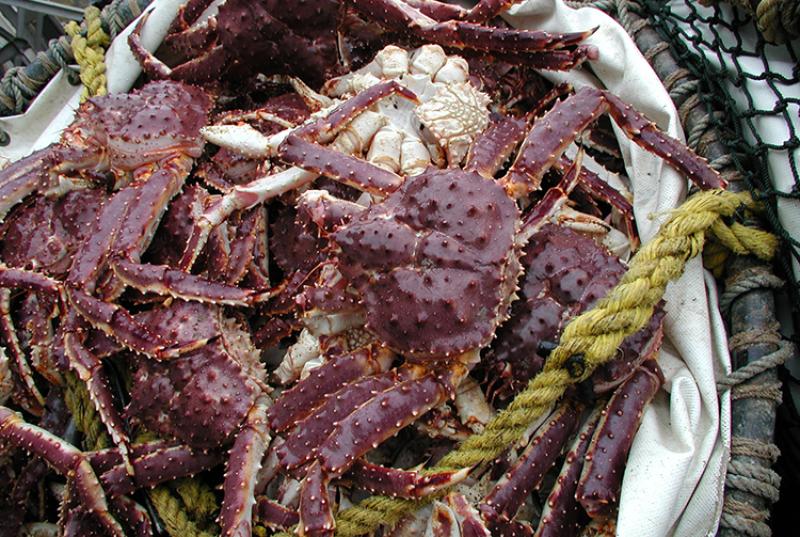
Experiencing Alaska King Crab is a highlight of any Alaskan culinary tour. While the fishing itself is a commercial endeavor, tourists can still immerse themselves in the world of king crab through dining, market visits, and understanding local processing.
Iconic Dining Experiences in Anchorage and Beyond
Anchorage, as Alaska’s largest city and a major travel hub, offers numerous establishments renowned for their king crab. Restaurants here often receive the freshest shipments from various fisheries. Look for menus that specify “fresh” or “recently caught” and inquire about the species and origin. Establishments like Simon & Seafort’s Saloon & Grill or the Glacier Brewhouse in Anchorage are often praised for their preparation of Alaskan seafood. Beyond Anchorage, cities like Fairbanks also offer excellent dining options. The key is to seek out places known for their commitment to local seafood.
Visiting Coastal Towns for the Freshest Catches
To truly get closer to the source, consider visiting coastal towns during or immediately after a king crab season. While participating in a commercial crab fishing expedition is generally not feasible for tourists due to safety and regulatory reasons, places like Kodiak or Dutch Harbor (in the Aleutian Islands) offer a glimpse into the bustling fishing industry. Although the Bristol Bay Red King Crab season closure impacts Dutch Harbor’s specific crab activity, it remains a significant port for other fisheries, including Golden King Crab. Visiting these towns can provide an authentic atmosphere, where you might find local eateries serving incredibly fresh crab directly from the docks. Always check local tourism boards for specific event dates or opportunities to experience local seafood markets.
Exploring Local Markets and Seafood Processors
For a more hands-on culinary adventure, visiting local fish markets can be highly rewarding. In cities like Seward or Homer, you might find smaller seafood vendors offering cooked, fresh crab sections. Some seafood processors might offer retail sales directly to the public. While tours of large processing plants are rare, a visit to a bustling port and engaging with local vendors can offer insightful interactions about the journey of the crab from the ocean to your plate.
Beyond the Plate: The Cultural Significance of King Crab in Alaska
The Alaska King Crab fishery is more than just a source of food; it’s a profound pillar of Alaskan culture, economy, and identity. For tourists, understanding this deeper connection enriches the entire experience.
Economic Backbone and Community Life
The crab industry, particularly the king crab fishery, has historically been a significant economic driver for many coastal communities in Alaska, supporting thousands of jobs both directly on fishing vessels and indirectly in processing plants, logistics, and related services. Towns like Dutch Harbor/Unalaska owe much of their existence and vibrant community life to the seafood industry. The boom and bust cycles of fisheries directly impact these communities, making the conversation around sustainable management not just an ecological one, but a social and economic imperative. As a tourist, your consumption of Alaskan King Crab contributes to this vital economic cycle.
Alaskan Seafood Festivals and Events
To fully immerse in the local culture, look for Alaskan seafood festivals or community events. While a specific “King Crab Festival” might not exist due to the unpredictable and brief nature of the fishing seasons, many broader seafood festivals across Alaska celebrate the bounty of its waters. For instance, the Kodiak Crab Festival (though it primarily focuses on Tanner crab and general seafood now, rather than exclusively king crab) in late May often features delicious local seafood, music, and cultural events. The Alaska Seafood Marketing Institute and local tourism boards are excellent resources for finding such events that align with your travel dates.
Engaging Responsibly with the Alaskan Crab Industry
Responsible tourism means understanding and respecting the industry you’re engaging with. When enjoying Alaska King Crab, consider asking about its origin. Support restaurants and vendors who prioritize sustainably sourced Alaskan seafood. Learning about the challenges faced by crab fishermen, from harsh weather to fluctuating stock levels, offers a deeper appreciation for the meal on your plate and the resilience of Alaskan communities.
Essential Travel Tips for Your Alaskan Crab Adventure
Planning a trip focused on experiencing Alaska King Crab requires attention to detail, especially given the seasonal nature of fresh catches and the unique Alaskan environment.
Planning Your Visit: Accommodation and Logistics
If aiming for a specific season (like the historically Red King Crab October or Blue/Golden King Crab winter months), book your flights and accommodations well in advance. Alaska has limited infrastructure, and popular times can see accommodation fill up quickly, especially in smaller towns. Cities like Anchorage and Fairbanks offer a wide range of hotels and services. If you plan to visit more remote coastal communities, research local transportation options, which often involve regional airlines or ferries. Flexibility in your itinerary can be beneficial, as Alaskan weather can impact travel plans.
Recommended Gear for Alaskan Winters or Autumns
Visiting during crab season often means contending with Alaskan autumns or winters, which can be cold, wet, and windy. Pack warm, waterproof layers, including a sturdy winter coat, thermal underwear, waterproof pants, gloves, a warm hat, and waterproof boots. Even if your primary goal is indoor dining, you’ll want to be prepared for outdoor excursions to markets, scenic drives, or simply walking around town.

Making the Most of Your Seafood Tour
While direct participation in commercial crab fishing is not a tourist activity, you can still experience the “seafood tour” aspect through other means. Consider booking a wildlife cruise from ports like Seward or Homer which, while not king crab specific, showcase Alaska’s marine bounty and fishing heritage. Some tours might offer opportunities to see fishing boats, processing facilities from a distance, or learn about sustainable fisheries. Always check current local offerings for unique seafood-related experiences that go beyond just dining. Engage with locals, ask questions at restaurants and markets, and savor every moment of your extraordinary Alaskan culinary adventure.
LifeOutOfTheBox is a participant in the Amazon Services LLC Associates Program, an affiliate advertising program designed to provide a means for sites to earn advertising fees by advertising and linking to Amazon.com. Amazon, the Amazon logo, AmazonSupply, and the AmazonSupply logo are trademarks of Amazon.com, Inc. or its affiliates. As an Amazon Associate we earn affiliate commissions from qualifying purchases.