
Alaska, often hailed as “The Last Frontier,” captivates the imagination not only with its vast wilderness and stunning landscapes but also with its unique relationship with daylight. For many prospective travelers, the idea of the “Midnight Sun” is a powerful draw – a surreal phenomenon where the sun either never truly sets or dips just below the horizon for a brief, twilight-filled interlude. This extraordinary display of extended daylight profoundly shapes the Alaskan experience, influencing everything from local culture and wildlife behavior to the very rhythm of daily life and travel planning. Understanding when and where to witness Alaska’s perpetual daylight is key to unlocking an unforgettable adventure in this remarkable state.
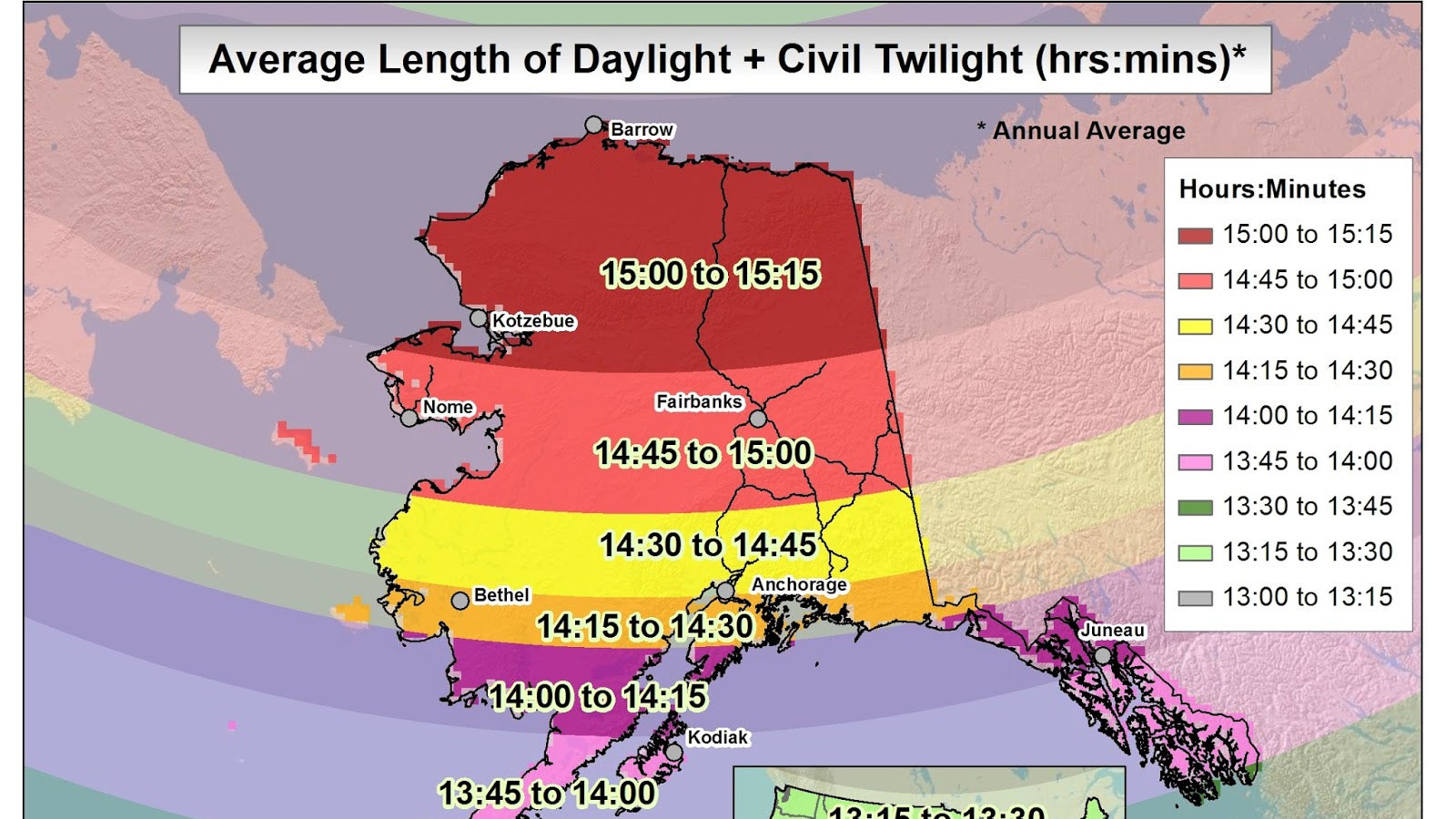
The Science Behind Alaska’s Endless Summer Days
The phenomenon of continuous daylight in Alaska is not a myth but a fascinating astronomical reality, stemming from the Earth’s axial tilt and its orbit around the sun. This celestial dance creates the dramatic seasonal shifts in daylight hours that are nowhere more pronounced than in the planet’s polar regions.
Earth’s Tilt and the Arctic Circle
Our planet spins on an axis that is tilted approximately 23.5 degrees relative to its orbital plane around the sun. This tilt is the fundamental reason for the Earth’s seasons and the variation in day length. During the Northern Hemisphere’s summer months, specifically from the vernal equinox (around March 20) to the autumnal equinox (around September 22), the Northern Hemisphere is tilted towards the sun. As the Earth progresses towards the summer solstice (around June 20-21), the tilt becomes most pronounced. At this peak, all areas north of the Arctic Circle (approximately 66.5 degrees North latitude) experience 24 hours of continuous sunlight, or at least a period where the sun does not drop significantly below the horizon. The sun simply travels a full circle above the horizon, or traces a very shallow arc that never fully dips out of sight.
Defining “All Day” Light
When people speak of Alaska being “light all day,” it’s important to understand the nuances of what that means geographically and astronomically. For locations directly on or north of the Arctic Circle, “all day” light truly means 24 hours of direct sunlight, where the sun remains continuously visible above the horizon. This period can last for days, weeks, or even months, depending on how far north one travels.
However, for regions just south of the Arctic Circle – including popular destinations like Anchorage, Fairbanks, and Juneau – “all day” light refers to extremely long periods of daylight, often stretching to 18-20 hours, supplemented by several hours of persistent twilight. During this twilight, the sun is just below the horizon, but its rays are still diffused, making it bright enough to see and conduct outdoor activities without artificial light. Astronomers categorize twilight into civil, nautical, and astronomical, each progressively darker. In Alaskan summers, even after sunset, the sky often remains in civil or nautical twilight, preventing true darkness.
Latitude’s Role: North vs. South Alaska
The further north you venture in Alaska, the more extreme the daylight hours become. This latitudinal gradient is crucial for travelers to understand when planning their visit.
For example, Utqiagvik (formerly Barrow), the northernmost city in the United States, situated at a remarkable 71 degrees North latitude, experiences continuous daylight for approximately 80-82 days, from mid-May to early August. During this period, the sun literally never sets.
Compare this to Fairbanks, which lies just south of the Arctic Circle at roughly 64 degrees North latitude. Fairbanks doesn’t experience 24 hours of direct sunlight, but it does enjoy an average of 21 hours of effective daylight around the summer solstice, with the remaining hours being a bright, prolonged twilight. The sun dips briefly below the horizon, but it never gets truly dark.
Further south, in cities like Anchorage (61 degrees North) and Juneau (58 degrees North), the summer solstice brings an impressive 19 and 18 hours of daylight respectively, followed by several hours of bright twilight. While the sun does set, the extended evenings are still remarkably bright, allowing for late-night outdoor activities without needing a flashlight. This variation means travelers can tailor their destination within Alaska to match their desired level of “all-day” light exposure.
Peak Seasons for Perpetual Daylight
To experience the magic of Alaska’s extended daylight, timing your visit is everything. The period around the summer solstice offers the most dramatic and prolonged light, transforming the landscape and the traveler’s experience.
The Summer Solstice Phenomenon
The summer solstice, occurring annually around June 20th or 21st, marks the moment when the Sun reaches its highest point in the sky for the Northern Hemisphere. This is the longest day of the year and the zenith of the Midnight Sun phenomenon in Alaska. It’s the period when the sun is at its most directly overhead for the longest duration, resulting in the maximum possible daylight hours. For destinations north of the Arctic Circle, this is the heart of their continuous daylight period. Even in southern Alaska, the days leading up to and following the solstice offer incredible stretches of light that feel endless. The skies at “midnight” are often painted in hues of pink, orange, and purple, providing breathtaking photo opportunities and a constant sense of daytime energy.
Duration of Continuous Light by Region
The duration of continuous or near-continuous daylight varies significantly across Alaska’s vast expanse:
- Utqiagvik (formerly Barrow): As the northernmost settlement, Utqiagvik experiences approximately 80-82 days of 24-hour sunlight, beginning around May 11th and lasting until August 1st.
- Fairbanks: Though just south of the Arctic Circle, Fairbanks enjoys remarkably long days. Around the summer solstice, it sees about 21 hours of direct daylight, with the remaining three hours being a bright, lingering twilight. True darkness is absent for several weeks. The period of “no real night” lasts from late May through late July.
- Anchorage: Alaska’s largest city, Anchorage, experiences over 19 hours of daylight around the solstice. While the sun does dip below the horizon for a few hours, the sky remains light with twilight, making it easy to forget it’s “nighttime.”
- Juneau: The state capital in Southeast Alaska sees approximately 18 hours of daylight at its peak, still offering wonderfully extended evenings for exploration.
- Seward & Coastal Areas: Towns like Seward on the Kenai Peninsula also enjoy similar daylight patterns to Anchorage, with long days perfect for coastal activities.
The Gradual Onset and Departure
The transition into and out of these periods of extreme daylight is not abrupt. From the spring equinox in March, daylight hours gradually increase, gaining several minutes each day. By May, most of Alaska is already experiencing significantly longer days than the lower 48 states. The peak is reached at the summer solstice, after which the process slowly reverses. Days gradually shorten, but still remain very long throughout July. By August, while still offering generous daylight, a noticeable shift towards shorter days and darker nights begins, eventually paving the way for the return of the Northern Lights viewing season. Therefore, late May, June, and July represent the prime months for experiencing the Midnight Sun.
Experiencing the Midnight Sun: Activities and Advantages
The endless daylight of Alaskan summer is not merely a novelty; it fundamentally changes the travel experience, opening up a world of possibilities for exploration and adventure.
Maximizing Outdoor Adventures
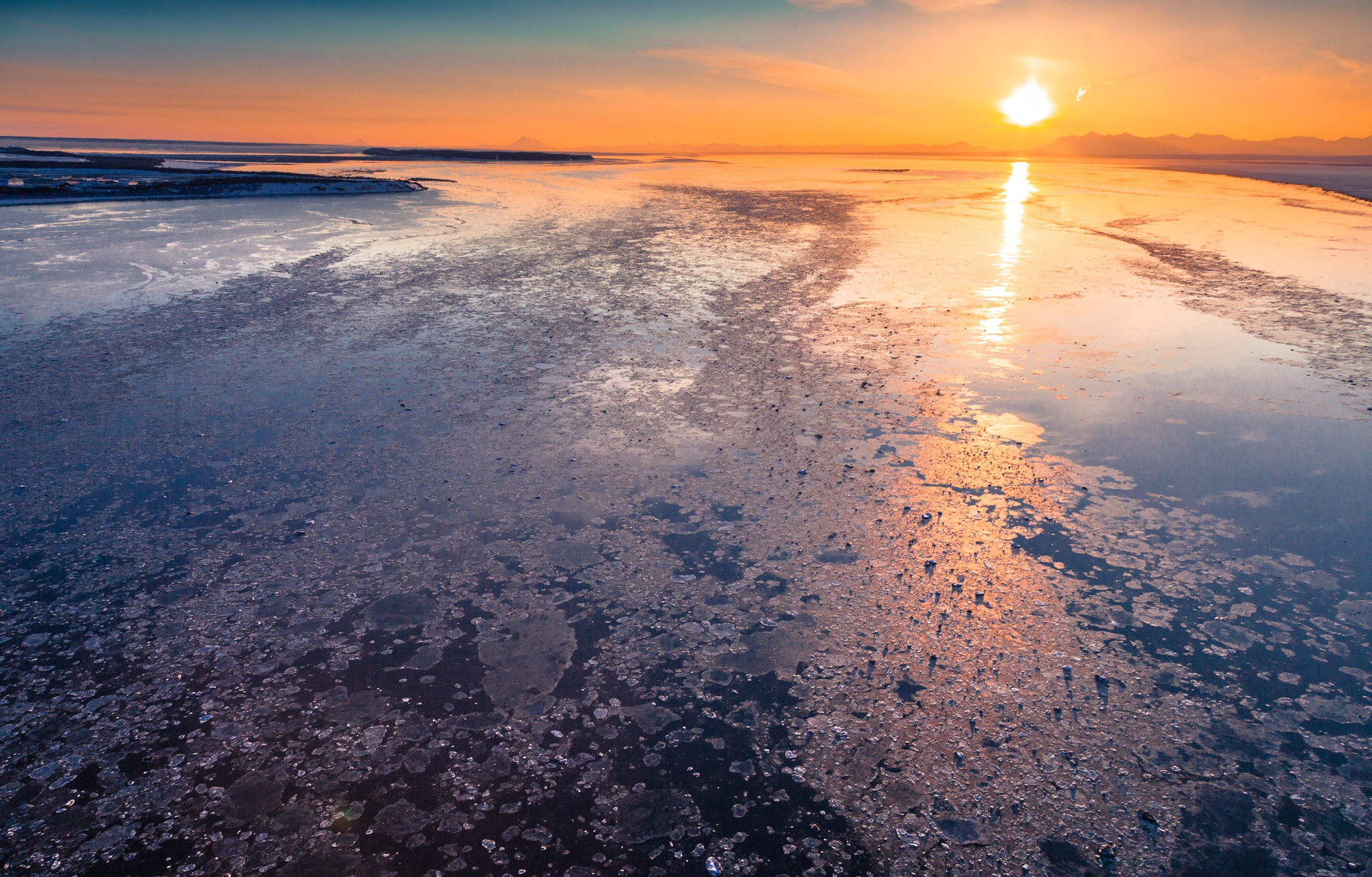
With daylight stretching late into the “night,” visitors have an unprecedented amount of time to immerse themselves in Alaska’s spectacular outdoors. Popular activities can be extended or even started in what would typically be evening hours:
- Hiking and Backpacking: Trails remain visible and safe for much longer, allowing for epic, multi-hour hikes into the evening without needing headlamps. Imagine summiting a peak at 10 PM with the sun still high in the sky.
- Fishing: World-class salmon and halibut fishing can continue around the clock, with many charter boats capitalizing on the continuous light.
- Wildlife Viewing: Animals like moose, bears, and eagles are often active during these extended hours, offering more opportunities for sightings. A wildlife cruise in Prince William Sound or Kenai Fjords National Park feels incredibly expansive with the extra light.
- Kayaking and Canoeing: Explore serene lakes and coastal waters under the surreal glow of the Midnight Sun.
- Golfing: Imagine teeing off at midnight, a truly unique experience offered at courses like the Anchorage Golf Course or the Fairbanks Golf & Country Club.
The extended daylight means less rushing and more time to savor each moment, allowing for a more relaxed yet profoundly active itinerary.
Festivals and Events
Alaskans embrace their unique summer daylight with a series of festivals and events that often run late into the “night.” These celebrations are a testament to the spirited resilience and joy of life in a land of extremes.
- Fairbanks Midnight Sun Festival: Held annually around the summer solstice, this street fair in downtown Fairbanks features live music, food vendors, and arts and crafts, often continuing past midnight.
- Midnight Sun Baseball Game: A cherished tradition, the Alaska Goldpanners play a baseball game in Fairbanks without artificial lights, starting at 10:30 PM on the summer solstice.
- Anchorage Midnight Sun Run: Thousands participate in this festive 10K race, which starts at 10 PM in Anchorage in late June, bathed in the soft, lingering twilight.
These events offer a vibrant glimpse into Alaskan culture and provide unique opportunities for travelers to partake in local festivities.
Travel Logistics and Preparation
While the Midnight Sun is enchanting, it can also disrupt natural sleep cycles. Travelers should come prepared:
- Sleep Masks and Dark Curtains: Most hotels and accommodations in Alaska are equipped with blackout curtains, but a personal sleep mask is a valuable addition to your packing list, especially for early sleepers or those sensitive to light.
- Adjusting Your Schedule: Embrace the extended daylight by planning longer days of activity. However, be mindful of over-scheduling and listen to your body.
- Mental Preparation: Understand that your internal clock might be confused. Maintaining a routine and being patient with your sleep patterns can help.
The Counterpoint: Alaska’s Winter Darkness
To fully appreciate the intensity of Alaska’s summer light, it’s essential to acknowledge its polar opposite: the profound darkness of winter. These two extremes define the state’s unique character and offer vastly different, yet equally compelling, travel experiences.
The Winter Solstice and Polar Night
Just as the summer solstice brings endless day, the winter solstice (around December 21st) marks the shortest day of the year in the Northern Hemisphere. For locations north of the Arctic Circle, this period ushers in the “Polar Night,” where the sun never rises above the horizon for days, weeks, or even months. Utqiagvik, for instance, plunges into about 65 days of continuous darkness, from mid-November to late January. Even in Fairbanks, days around the winter solstice may offer only 3-4 hours of twilight, with the sun just peeking over the horizon. This deep winter darkness is a dramatic contrast to the summer’s perpetual light.
Aurora Borealis Viewing
The intense darkness of Alaskan winters creates the perfect canvas for another breathtaking natural phenomenon: the Northern Lights (Aurora Borealis). While the Midnight Sun is the star of summer, the aurora is the undisputed queen of the winter sky. The absence of solar light pollution allows the vibrant greens, purples, and reds of the aurora to dance across the heavens with unparalleled clarity and brilliance. Destinations like Fairbanks, due to its position under the “auroral oval” and typically clear, cold nights, are world-renowned for aurora viewing. Travelers seeking the Northern Lights must plan their trip between late August and April, embracing the very darkness that summer travelers avoid. This stark contrast underscores the incredible diversity of experiences Alaska offers across its seasons.
Planning Your Alaska Trip Around Daylight
Deciding when to visit Alaska hinges significantly on your priorities regarding daylight, dictating not only your activities but also the overall ambiance of your trip.
Best Time for Specific Experiences
- Maximum Daylight & Outdoor Activities: For travelers whose primary goal is to maximize their time outdoors—hiking, fishing, wildlife viewing, kayaking, or simply enjoying the novelty of a “day” that never ends—late May through July is the quintessential period. June is the absolute peak for the longest days, especially around the solstice.
- Northern Lights Viewing: If witnessing the Aurora Borealis is your dream, you must visit during the darker months. Late August through early April offers the best chances, with Fairbanks being a prime destination.
- Shoulder Seasons (Spring/Fall): Early May and September offer a balance. Days are still long enough for extensive outdoor activities, crowds are thinner, and prices might be more favorable. September also presents the vibrant autumn foliage and the first consistent opportunities for aurora viewing as nights lengthen.
Seasonal Considerations and Trade-offs
Each season in Alaska comes with its own set of advantages and compromises:
- Summer (June-August): Pros: Endless daylight, warmest temperatures, all attractions and services open, prime wildlife viewing, lush landscapes. Cons: Highest crowds, peak prices, mosquitoes, no Northern Lights.
- Fall (September-October): Pros: Fewer crowds, beautiful fall colors, aurora viewing begins, lower prices. Cons: Cooler weather, some services begin to close, shorter daylight.
- Winter (November-March): Pros: Northern Lights, winter sports (skiing, dog mushing), unique snow-covered landscapes, lowest prices, fewest crowds. Cons: Very short daylight or polar night, extreme cold, limited accessibility to some areas, many services closed.
- Spring (April-May): Pros: Wildlife emerges, snow begins to melt, increasing daylight, fewer crowds than peak summer. Cons: Still cold, muddy conditions, some services still closed, not yet peak daylight.

Essential Packing and Mental Preparation
Regardless of when you visit, pack layers. Alaskan weather can be unpredictable, even in summer. For the Midnight Sun period, embrace the extended hours, but be prepared for potential sleep disruption with eye masks and a flexible mindset. For winter, prioritize extreme cold-weather gear. Mentally prepare for either the constant light that energizes yet can disorient, or the profound darkness that fosters introspection and offers celestial wonders.
Ultimately, Alaska’s unique relationship with daylight is a fundamental part of its allure. Whether you seek the perpetual glow of the Midnight Sun to fuel endless adventures or the deep darkness that unveils the aurora, understanding these cycles is your first step towards crafting an unforgettable Alaskan journey.
LifeOutOfTheBox is a participant in the Amazon Services LLC Associates Program, an affiliate advertising program designed to provide a means for sites to earn advertising fees by advertising and linking to Amazon.com. Amazon, the Amazon logo, AmazonSupply, and the AmazonSupply logo are trademarks of Amazon.com, Inc. or its affiliates. As an Amazon Associate we earn affiliate commissions from qualifying purchases.