
The ethereal dance of the Northern Lights, also known as the Aurora Borealis, is a celestial spectacle that draws millions of travelers to the northern latitudes each year. Among the most sought-after destinations for witnessing this natural wonder is Alaska, a vast and wild frontier offering unparalleled opportunities to gaze upon the shimmering curtains of light. But when is the prime time to plan your Alaska adventure to maximize your chances of experiencing this breathtaking phenomenon? The answer lies in understanding Alaska’s unique climate and the astronomical conditions that create the Aurora Borealis.
This comprehensive guide will delve into the optimal viewing periods, the best locations within Alaska, the essential tips for a successful Aurora hunt, and what you can expect from an Alaska Northern Lights trip, drawing upon the rich tapestry of travel, accommodation, and tourism that the state offers. From the rugged beauty of Denali National Park to the coastal charm of Juneau, we’ll explore how to make your Alaska Northern Lights experience truly unforgettable.

The Science and Seasonality of Alaska’s Aurora Borealis
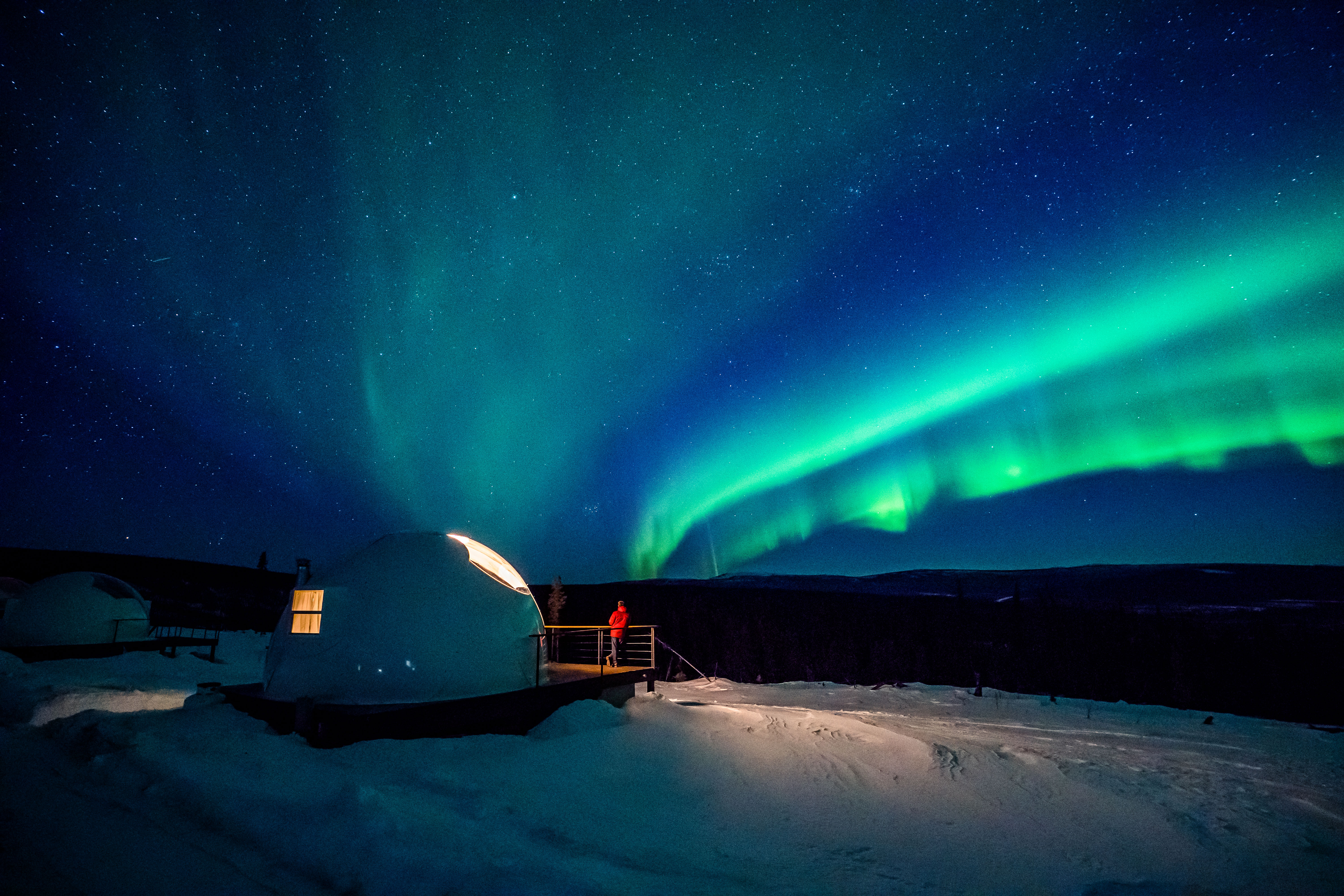
The Aurora Borealis is a natural light display in the sky, predominantly seen in high-latitude regions. It is caused by collisions between electrically charged particles from the sun that enter the Earth’s atmosphere and then collide with gases such as oxygen and nitrogen. These collisions excite the atmospheric gases, causing them to emit light, which we perceive as the dancing colors of the Aurora.
For viewing the Aurora Borealis, two primary factors are crucial: darkness and solar activity. The intensity of the Aurora is driven by solar winds and coronal mass ejections from the sun. While these events can occur at any time, their impact on Earth’s magnetic field is what produces the visible light show. However, even with intense solar activity, you won’t see the Aurora if the sky is too bright. This is why the concept of “dark skies” is paramount for Aurora viewing.
Understanding Alaska’s Dark Sky Advantage
Alaska’s high latitude is its greatest asset when it comes to Aurora hunting. Located within the Auroral Oval, a band of intense auroral activity that encircles the geomagnetic poles, Alaska offers more frequent and often more vivid displays compared to lower latitudes. The extended periods of darkness during the winter months further enhance the viewing potential.
The Aurora Borealis season in Alaska generally begins in late August and can last through April. However, the optimal viewing period, when the nights are longest and darkest, typically falls between September and March.
-
September and October: These months offer a beautiful transitional period. The days are growing shorter, and the nights are becoming significantly darker, providing ample opportunity to witness the Aurora. The landscapes are often stunning with the onset of autumn colors, and daytime activities like hiking in places like Denali National Park are still feasible. Temperatures are also generally more moderate, making for a more comfortable travel experience. Many tours and lodges begin their Aurora seasons during this time, offering packages that combine daytime exploration with nighttime Aurora viewing.
-
November to February: This is the heart of the Aurora season in Alaska. These are the months with the longest periods of darkness, offering the maximum number of viewing hours. The colder temperatures are a trade-off for the increased darkness, but they also contribute to the crisp, clear skies that are ideal for Aurora photography. Cities like Fairbanks and towns in the interior, far from the coastal cloud cover, are renowned for their consistent Aurora sightings during this period. It’s during these months that the landscape is often covered in snow, adding a magical, pristine backdrop to the celestial display.
-
March: As winter begins to wane, March still offers excellent Aurora viewing opportunities. The nights remain dark enough, and the chance of clear skies increases as the weather systems can become more stable. The increasing daylight hours in late March mean shorter viewing windows, but the displays can still be spectacular. The snow-covered landscapes remain, and daytime activities like skiing and dog sledding are still popular.
It’s important to note that while the Aurora can technically be seen as soon as there’s enough darkness, the chances of significant activity and clear skies are highest during the core winter months. Avoiding the summer months (May to July) is crucial due to the phenomenon of the “midnight sun” in Alaska, where the sun barely sets, leaving the sky too bright to see the Aurora.
Prime Locations for Alaska Northern Lights Experiences
While the Aurora Borealis can theoretically be seen anywhere in Alaska on a clear night with sufficient solar activity, certain locations offer a higher probability of success due to their latitude, distance from light pollution, and prevalence of clear skies. These prime spots often combine spectacular natural Landmarks with excellent Tourism infrastructure.
Interior Alaska: The Aurora Hotspots
The interior of Alaska, particularly areas far from the coast, is considered the Aurora capital of the state. This region benefits from a continental climate that often brings drier air and fewer cloudy days compared to the coastal areas.
-
Fairbanks: Often cited as the best place in Alaska to see the Northern Lights, Fairbanks is situated directly under the Auroral Oval. Its interior location means it experiences fewer cloudy nights than coastal cities. The city offers a range of Accommodation options, from budget-friendly hotels to luxurious Resorts, and a plethora of Activities designed for Aurora hunters. You can find dedicated Aurora viewing tours, learn about the science behind the lights at the University of Alaska Fairbanks, and enjoy dog sledding or visiting the Santa Claus House during the day.
-
Chena Hot Springs Resort: Located about 60 miles from Fairbanks, Chena Hot Springs Resort is a popular destination for those seeking a unique Aurora experience. Guests can soak in the naturally heated outdoor hot springs while watching the Aurora dance above. The resort offers various Accommodation types, including the Aurora Ice Museum and cabins, and specializes in Aurora viewing packages. Its remote location minimizes light pollution, providing exceptionally dark skies.
-
Denali National Park and Preserve: While famous for its stunning Landmarks like Denali (formerly Mount McKinley), this vast national park also offers incredible Aurora viewing opportunities. During the shoulder seasons of September and October, or the heart of winter, the park’s pristine wilderness provides a dramatic backdrop for the celestial show. Many lodges and Accommodation providers near the park entrance offer Aurora wake-up calls and viewing excursions. It’s important to note that access to the park is limited during the winter months, so checking road conditions and tour availability is essential.
Beyond the Interior: Coastal and Northern Wonders
While the interior is the primary hub for Aurora viewing, other regions of Alaska can also offer memorable experiences, especially for those seeking a different kind of Travel adventure.

-
Anchorage: As Alaska’s largest city, Anchorage experiences more light pollution than the interior towns. However, it is still possible to see the Aurora if the display is particularly strong and you venture a short distance away from the city center, or if you stay in hotels with higher floors. Many Aurora tours depart from Anchorage, taking visitors to darker viewing spots outside the city. Anchorage also serves as a major transportation hub, making it an accessible starting point for many Alaska itineraries.
-
Coldfoot Camp: Situated about 250 miles north of the Arctic Circle along the Dalton Highway, Coldfoot Camp offers an authentic Arctic experience and exceptional Aurora viewing. This remote outpost provides a unique glimpse into life in the far north and is known for its very dark skies. It’s a destination for the adventurous traveler seeking an immersive Lifestyle experience.
-
Barrow (Utqiagvik): As the northernmost city in the United States, Barrow (now officially Utqiagvik) offers the chance to see the Aurora under the vast, uninterrupted skies of the Arctic. It’s a more challenging destination to reach, typically requiring a flight from Fairbanks or Anchorage, but the reward is an unparalleled sense of isolation and a prime viewing location. This is a deep dive into Arctic Tourism and Culture.
Planning Your Alaska Northern Lights Trip: Essential Tips and Experiences
Witnessing the Aurora Borealis in Alaska is more than just looking up at the sky; it’s an immersive Experience that requires careful planning and an understanding of the factors that contribute to a successful viewing. From choosing the right Accommodation to dressing appropriately and managing expectations, here’s what you need to know to make the most of your Alaska Northern Lights adventure.
Maximizing Your Chances: Practical Advice for Aurora Hunters
-
Timing is Key: As discussed, the period from September to March offers the best opportunities. Aim for the darkest months between November and February for the longest viewing hours. Avoid the summer months due to the midnight sun.
-
Darkness is Your Friend: Light pollution is the enemy of Aurora viewing. Choose Accommodation away from city lights. Consider staying in remote lodges, cabins, or even booking Aurora tours that take you to designated dark-sky viewing areas. If you’re in a city like Fairbanks or Anchorage, drive at least 20-30 miles out of town.
-
Check the Forecast: While the Aurora Borealis is a natural phenomenon, its intensity can be predicted to some extent. Websites and apps that provide Aurora forecasts can help you gauge the likelihood of a strong display. Look for geomagnetic activity forecasts (Kp-index) and cloud cover predictions.
-
Be Patient and Persistent: The Aurora can be elusive. It might appear for a few minutes or dance for hours. You may need to wait for long periods in the cold. Be prepared to stay out late and wake up during the night if you’re on an Aurora wake-up call from your Hotel or lodge. Flexibility is crucial, as weather can change rapidly in Alaska.
-
Dress for the Cold: Alaska in winter is extremely cold. Layers are essential. Invest in thermal base layers, insulating mid-layers (fleece or down), and a waterproof and windproof outer shell. Don’t forget warm socks, insulated boots, gloves, a hat that covers your ears, and a scarf or balaclava to protect your face. Hand and foot warmers can be a lifesaver.
-
Photography Tips: If you plan to photograph the Aurora, bring a sturdy tripod, a camera with manual settings, and a wide-angle lens. Set your camera to a high ISO (800-3200), a wide aperture (f/2.8 or wider), and a shutter speed between 5-20 seconds, depending on the Aurora’s movement. Experiment with your settings to find what works best.
Beyond the Lights: Embracing Alaska’s Winter Lifestyle
While the Aurora Borealis is the main draw, Alaska offers a wealth of other Activities and Experiences that make a winter trip truly memorable. These complement your Aurora hunts and provide a deeper understanding of the state’s unique Lifestyle and Culture.
-
Dog Sledding: Experience the thrill of mushing your own team of sled dogs through the snow-covered landscapes. Many outfitters offer introductory tours or even multi-day expeditions.
-
Ice Fishing: Try your luck at catching some of Alaska’s prized fish through a hole in the ice.
-
Snowmobiling: Explore vast expanses of wilderness on a snowmobile, offering a faster way to cover ground and see more of Alaska’s natural beauty.
-
Winter Festivals and Cultural Events: Depending on when you visit, you might encounter local festivals celebrating winter, offering opportunities to experience Local Culture, sample traditional Food, and interact with Alaskan residents.
-
Hot Springs Relaxation: After a cold night of Aurora watching, a soak in a natural hot spring, like those at Chena Hot Springs Resort, is incredibly rejuvenating.
-
Wildlife Viewing: Even in winter, opportunities exist to spot Alaska’s iconic wildlife, such as moose, caribou, and ptarmigan. Look for tracks in the snow and keep an eye out during your daytime excursions.
Choosing the right Accommodation can also enhance your Experience. From cozy cabins nestled in the wilderness to well-appointed hotels in Fairbanks with dedicated Aurora viewing packages, there are options to suit every budget and preference. Many Hotels offer wake-up calls if the Aurora becomes visible during the night, ensuring you don’t miss a moment.
In conclusion, the question “When is Alaska Northern Lights?” is best answered by understanding that the season runs from late August to April, with the peak viewing period occurring between September and March. By strategically planning your visit to interior Alaska, checking forecasts, dressing warmly, and embracing the adventurous spirit of the Last Frontier, you can significantly increase your chances of witnessing the magical dance of the Aurora Borealis in all its splendor. Your Alaska Travel adventure promises to be an unforgettable journey into a world of natural wonder.
LifeOutOfTheBox is a participant in the Amazon Services LLC Associates Program, an affiliate advertising program designed to provide a means for sites to earn advertising fees by advertising and linking to Amazon.com. Amazon, the Amazon logo, AmazonSupply, and the AmazonSupply logo are trademarks of Amazon.com, Inc. or its affiliates. As an Amazon Associate we earn affiliate commissions from qualifying purchases.