
Alaska, a land of unparalleled natural beauty and abundant wildlife, is synonymous with one culinary treasure: salmon. For both avid anglers and discerning food enthusiasts, understanding the nuances of Alaska salmon season is crucial to experiencing this iconic part of the state’s identity. This guide delves into the optimal times to witness and partake in the salmon’s journey, exploring the best regions and what makes each season unique.
Understanding Alaska’s Salmon Runs
The timing of Alaska salmon season is dictated by the natural cycles of the five Pacific salmon species native to the state: Chinook (King), Sockeye (Red), Coho (Silver), Pink (Humpy), and Chum (Dog). Each species has a distinct migratory pattern, returning to their natal freshwater rivers and streams to spawn. These runs are influenced by a complex interplay of ocean conditions, river temperatures, and the specific genetics of each salmon population.
The Five Iconic Species and Their Seasons
-
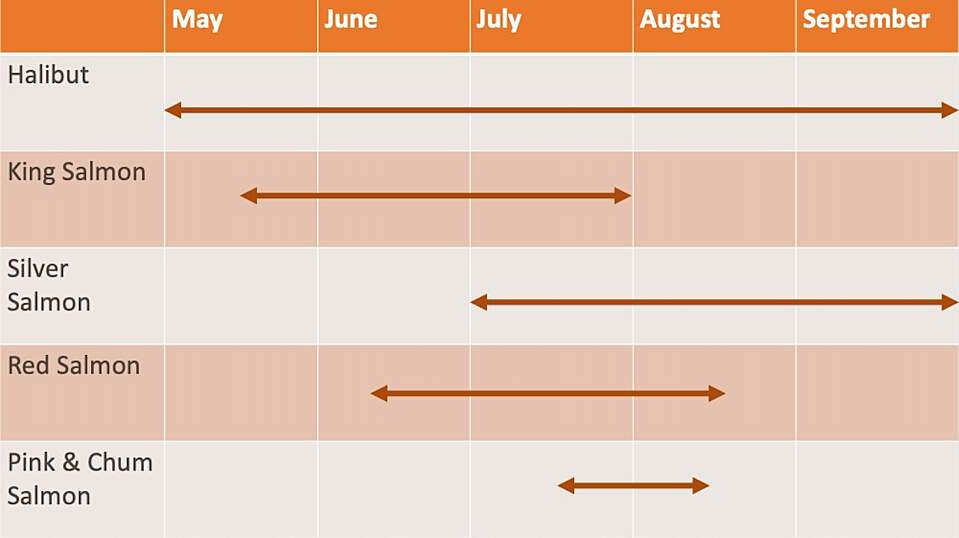
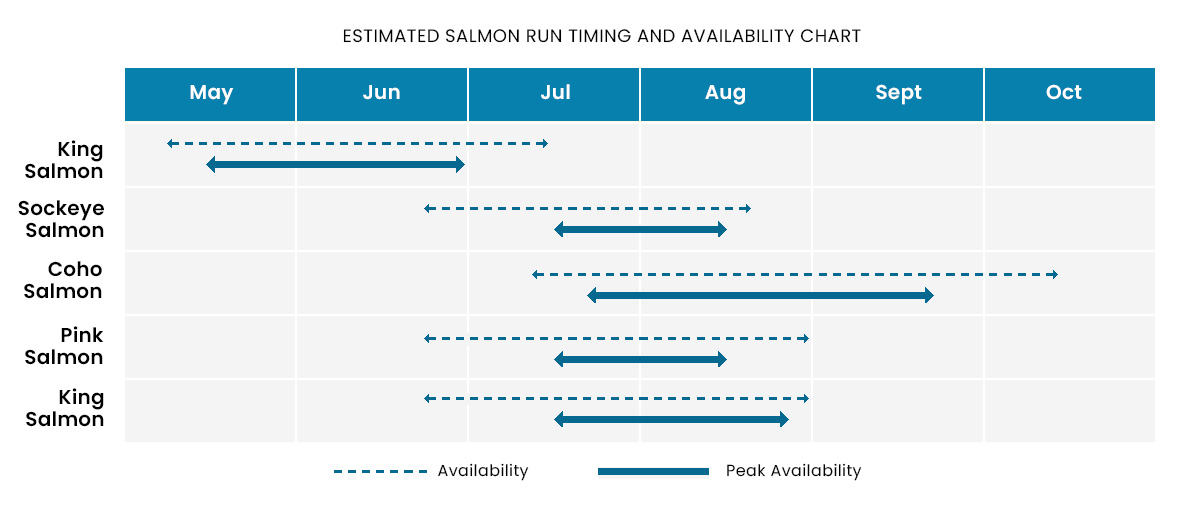
Chinook Salmon (King): Revered for its size and rich flavor, the Chinook salmon is often the first to run, with some areas experiencing early spring runs. However, the peak season for most of Alaska, particularly for sportfishing, is typically from late May through July. Regions like the Kenai Peninsula and Bristol Bay are renowned for their impressive Chinook.
-
Sockeye Salmon (Red): Known for its vibrant color and intense flavor, Sockeye salmon are a cornerstone of Alaska’s commercial and subsistence fisheries. Their runs are often later than Chinook, with peak periods generally occurring from June through August, depending on the river system. The Kvichak River in Bristol Bay is famous for hosting one of the world’s largest Sockeye runs.
-
Coho Salmon (Silver): A favorite among sport fishermen due to its acrobatic fight, the Coho salmon run typically begins in late July or early August and can extend into September and even early October in some southern areas. They are found throughout Alaska, with popular fishing spots in Southeast Alaska and Southcentral.
-
Pink Salmon (Humpy): The most abundant of the Pacific salmon, Pink salmon have a two-year life cycle, meaning they run in odd-numbered years. Their runs are prolific, generally occurring from July through September. While smaller in size, their sheer numbers make them a significant part of the ecosystem and a common catch.
-
Chum Salmon (Dog): Often recognized for its hardiness and role in subsistence diets, Chum salmon runs vary significantly by region and river. They generally run from late July through September. While not as prized for their meat quality by all as Chinook or Sockeye, they are an essential part of Alaska’s fisheries.
Timing Your Alaska Salmon Adventure
The “season” for salmon fishing and consumption in Alaska is not a single, definitive period but rather a rolling window that shifts across the state and by species. Planning your trip requires understanding these variations.
Spring Salmon (May – Early June)
While many associate salmon season with the height of summer, early spring can offer unique opportunities, particularly for Chinook salmon. In many parts of Southcentral Alaska, including the Kenai River and Cook Inlet, anglers can target migrating Chinook salmon as they make their way upstream. These early runs are often characterized by larger fish, and the pristine spring landscape adds to the allure. This period is also excellent for exploring other Alaskan attractions before the peak summer tourist season arrives. The weather can be variable, but the rewards of catching a trophy Chinook salmon can be immense.
Summer Salmon Frenzy (Mid-June – August)
This is the quintessential Alaska salmon season. As summer unfolds, the state’s rivers and coastlines teem with activity as all five species begin their upstream migrations.
-
Mid-June to July: This period marks the peak for many Chinook and Sockeye salmon runs. The Kenai River on the Kenai Peninsula is a prime example, drawing anglers from around the globe for its legendary King salmon. In Bristol Bay, the Sockeye run is in full swing, creating a spectacle of nature and a vital economic event. Southeast Alaska also experiences excellent salmon fishing during this time, with various species available depending on the specific location.
-
August: As the Chinook and Sockeye runs begin to taper in some areas, Coho salmon begin their ascent. This “silver” run is highly anticipated by sport fishermen. Pink and Chum salmon also continue to be abundant throughout August. This month offers a fantastic opportunity to target multiple species, and the longer daylight hours of summer make for extended fishing and exploration. The weather in August is typically more stable than in earlier spring months, making it an ideal time for a comprehensive Alaskan experience.
Late Season Salmon (September – October)
The salmon season doesn’t necessarily end with the summer months. September and early October offer excellent opportunities, particularly for Coho salmon, which often have a strong late run. In some southern coastal areas and river systems, Coho can be caught well into autumn. This time of year provides a more tranquil experience, with fewer crowds than the peak summer months. The changing fall colors in Alaska add a breathtaking backdrop to the fishing. Furthermore, the cooling temperatures can make for more comfortable outdoor activities, and opportunities to witness wildlife preparing for winter abound.
Regional Highlights for Salmon Season
Alaska’s vastness means salmon seasons and opportunities vary dramatically by region. Understanding these regional differences can help you pinpoint the best time and place for your salmon experience.
Southeast Alaska
This panhandle region, characterized by its temperate rainforests and intricate coastline, offers diverse fishing opportunities.
- Timing: Salmon runs begin in earnest in late spring and continue through early fall.
- Chinook: Early runs can be found from May through July.
- Sockeye: Peaks generally occur from June through August.
- Coho: Excellent fishing from August through September.
- Pink & Chum: Abundant from July through September.
- Notable Locations:
- Juneau: Offers accessible fishing, including charters targeting ocean-bound salmon and river fishing for returning spawners.
- Ketchikan: Known for its abundance of salmon, with numerous charter operations and opportunities for both shore and boat fishing.
- Sitka: Famous for its productive waters, especially for Coho and Chinook salmon.
Southcentral Alaska
Home to iconic salmon rivers like the Kenai and Kasilof, Southcentral is a major hub for salmon fishing and tourism.
- Timing: This region experiences some of the most celebrated salmon runs.
- Chinook: Peak runs are often in May, June, and July, with the Kenai River being legendary.
- Sockeye: Runs are strongest from June through August, particularly in the Kvichak River and its tributaries within Bristol Bay.
- Coho: Peaks from late July through September.
- Pink & Chum: Very strong runs from July through September.
- Notable Locations:
- Kenai Peninsula: Including the Kenai River, Kasilof River, and the saltwater fishing grounds of Cook Inlet.
- Anchorage: As a major gateway, offers day trips and access to nearby fishing spots.
- Bristol Bay: Renowned for its unparalleled Sockeye salmon runs.
Interior Alaska
While not as famous for salmon fishing as the coastal regions, Interior Alaska offers unique opportunities, particularly for Chum and Coho salmon in its vast river systems.
- Timing: Runs are generally later than coastal areas, often peaking from July through September.
- Notable Locations:
- Yukon River: A massive drainage system that supports significant runs of Chum and King salmon.
- Tanana River: Another large tributary offering fishing opportunities.
Western Alaska
This remote region, including the Alaska Peninsula and Bristol Bay, is a stronghold for salmon populations.
- Timing:
- Sockeye: Bristol Bay is world-famous for its Sockeye runs from June to August.
- Chinook: Can be targeted in early summer.
- Coho, Pink, Chum: Later summer and early fall runs are common.
- Notable Locations:
- Bristol Bay: The undisputed king of Sockeye salmon production.
- Kodiak Island: Offers excellent saltwater fishing for various salmon species, as well as river fishing for returning spawners.
Beyond the Catch: Experiencing Salmon Season
The salmon runs are more than just a fishing event; they are a vital part of Alaska’s ecosystem and culture.
Culinary Delights
When is Alaska salmon season for eating? In short, virtually year-round, thanks to modern preservation techniques like freezing. However, consuming salmon caught fresh during its peak season offers an unparalleled taste experience. Many lodges and restaurants highlight seasonal catches, allowing visitors to savor the distinct flavors of each species. From smoky King salmon grilled to perfection to rich, oily Sockeye served raw or cured, the culinary journey is as rewarding as the fishing.
Wildlife Viewing
The migration of salmon is a crucial food source for many of Alaska’s iconic animals. Witnessing bears fishing for salmon at rivers like the Brooks River in Katmai National Park and Preserve is a breathtaking spectacle, best observed during the peak salmon runs in July and August. Eagles also congregate in large numbers to feast on the abundant salmon.
Cultural Significance
For Alaska’s Indigenous communities, salmon has been a staple food and a central element of their culture for millennia. Understanding the traditional practices and the deep respect for this resource adds another layer of appreciation to the salmon season. Many communities host festivals and events that celebrate the salmon harvest, offering visitors a glimpse into this rich heritage.
Ultimately, “When is Alaska Salmon Season?” is a question best answered by considering the specific species you wish to target and the region you plan to visit. Whether you’re an angler seeking the thrill of the catch, a foodie eager for the freshest flavors, or a nature enthusiast wanting to witness an incredible natural phenomenon, Alaska’s salmon season offers an unforgettable experience from spring’s first runs to autumn’s final surges.
LifeOutOfTheBox is a participant in the Amazon Services LLC Associates Program, an affiliate advertising program designed to provide a means for sites to earn advertising fees by advertising and linking to Amazon.com. Amazon, the Amazon logo, AmazonSupply, and the AmazonSupply logo are trademarks of Amazon.com, Inc. or its affiliates. As an Amazon Associate we earn affiliate commissions from qualifying purchases.